The iconic red rocks and vast deserts of the American Southwest are breathtaking, but their true soul lies with the Indigenous peoples who have called this harsh, beautiful land home for millennia. The Desert Southwest tribes—including the Navajo (Diné), Hopi, and numerous Pueblo communities—aren't just part of the scenery; they are living cultures with deep histories, vibrant arts, and spiritual connections to the land that most visitors only glimpse. This guide moves past the postcard view to offer a respectful, practical, and insightful look into how you can genuinely engage with these cultures.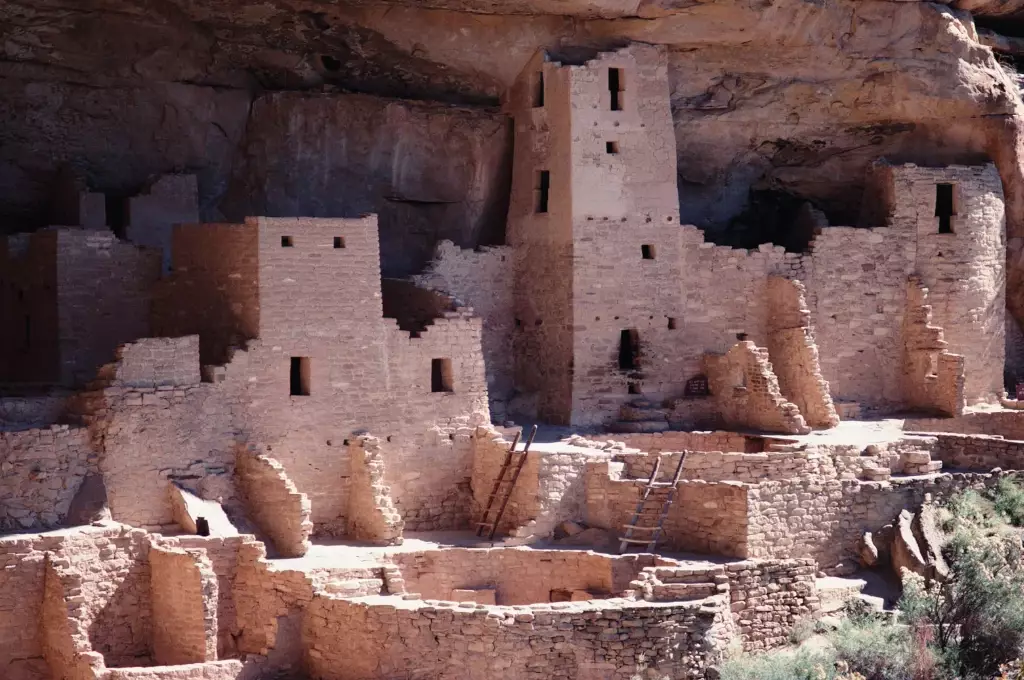
Your Quick Guide to Navigating This Article
Who Are the Desert Southwest Tribes?
Let's clear up a common misconception first. There isn't one monolithic "Southwest tribe." It's a diverse tapestry. The major cultural groups you'll encounter are the Pueblo peoples (like those at Acoma, Taos, and Hopi, though Hopi is culturally distinct), the Navajo Nation (the largest federally recognized tribe in the U.S.), and the Apache tribes. Their languages, traditions, and governance are distinct. The Hopi, for instance, have lived in their mesa-top villages for over a thousand years, practicing dry-farming in an area receiving less than 10 inches of rain annually. The Navajo, relative newcomers who arrived centuries later, became master shepherds, weavers, and silversmiths, adapting to a more nomadic lifestyle.
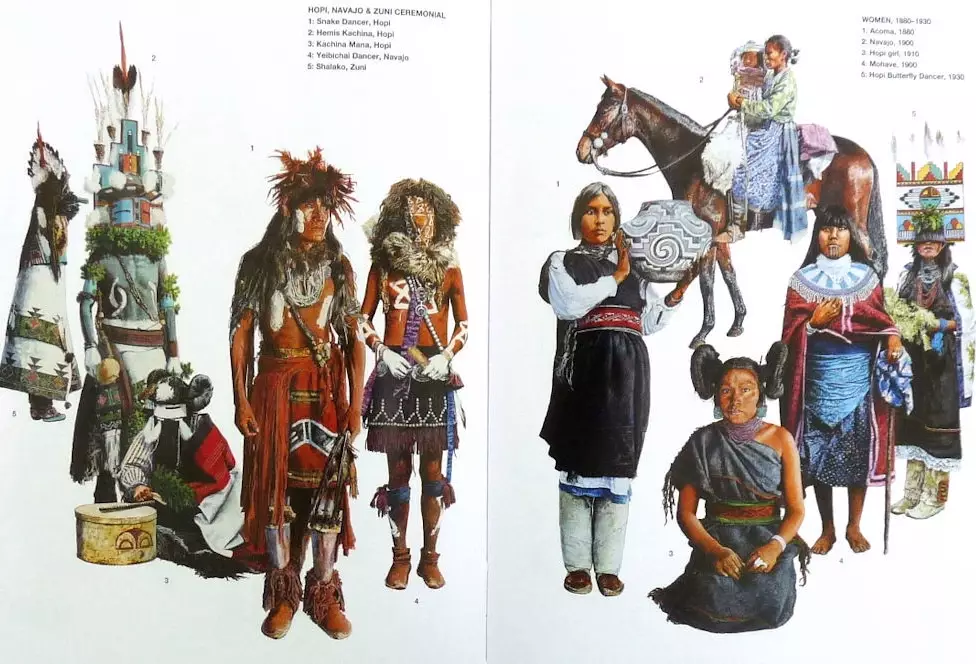
Understanding this diversity is your first step toward a meaningful visit. A mistake I see often is visitors treating all Native art or ceremonies as interchangeable. A Navajo rug and a Hopi katsina doll come from completely different worldviews.
Key Cultural Hubs You Can Visit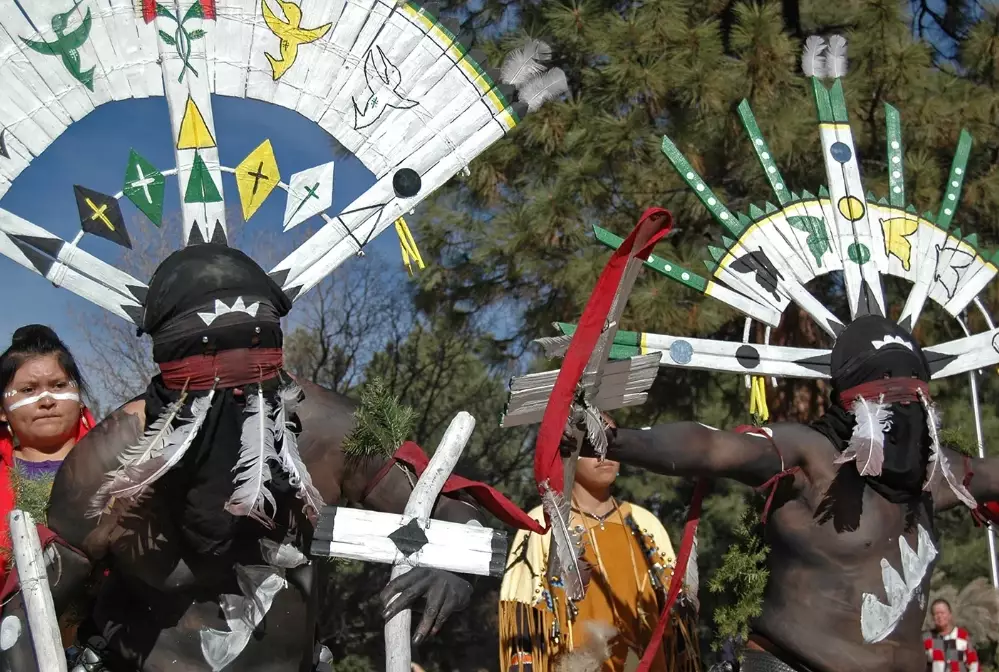
Many communities welcome visitors through designated cultural centers and tours. These are the best, most respectful entry points. Here’s a practical table to help you compare your options:
| Cultural Center / Site | Tribe / Pueblo | Location (Nearest Town) | What You'll Experience | Visitor Info (Fees, Hours) |
|---|---|---|---|---|
| Hopi Cultural Center | Hopi Tribe | Second Mesa, AZ (1.5 hrs N of Winslow) | Museum, guided village tours (by Hopi guides only), authentic Hopi food at the restaurant, and overnight lodging. The tours to Old Oraibi (one of the oldest continuously inhabited settlements in North America) are profound. | Museum: ~$5. Tour fees vary ($20-$40). Hours seasonal; always call ahead. Photography on tours is strictly prohibited. |
| Navajo Nation Visitor Center at Monument Valley | Navajo Nation | Monument Valley Tribal Park, UT/AZ Border | The iconic view, but more importantly, access to guided backcountry jeep tours by Navajo guides who share stories of the formations (like Ear of the Wind). You can't drive the 17-mile loop yourself without a guide. | Park entry: $8 per person. Guided 2.5-hour tour: ~$80-$100. Open daily, 6:30 AM-7:30 PM (summer). |
| Sky City Cultural Center & Haak'u Museum | Acoma Pueblo | Acoma Pueblo, NM (1 hr W of Albuquerque) | A stunning museum and the gateway to guided bus tours up to "Sky City," a 367-foot mesa-top village inhabited since 1150 AD. You'll learn about pottery, history, and resilience. | Tour + Museum: ~$27. Photography permit: $10. Tours run daily (except tribal holidays). No solo exploration allowed. |
| Gila River Arts & Crafts Center | Gila River Indian Community (Pee Posh & Maricopa) | Chandler, AZ (within Phoenix metro) | An accessible stop for incredible Native art without the long drive. You can buy directly from artists, watch demonstrations, and learn about two lesser-known but important desert tribes. | Free entry. Mon-Sat, 9:30 AM-4:30 PM. Best for artisan shopping and casual learning. |
How to Visit with Respect? It's More Than Just Rules
Respect isn't a checklist; it's a mindset. Yes, there are rules—no photography in many areas, don't climb on structures, stay with your guide. But the deeper layer is understanding the why. These are not open-air museums; they are living homes and sacred spaces.
I remember a tour at Walnut Canyon, where a visitor kept stepping off the path to get a better photo, despite signs. The guide, a soft-spoken elder, finally said, "You are walking on our ancestors' roofs. Would you do that in your own cemetery?" It was a quiet moment that shifted the whole group's perspective.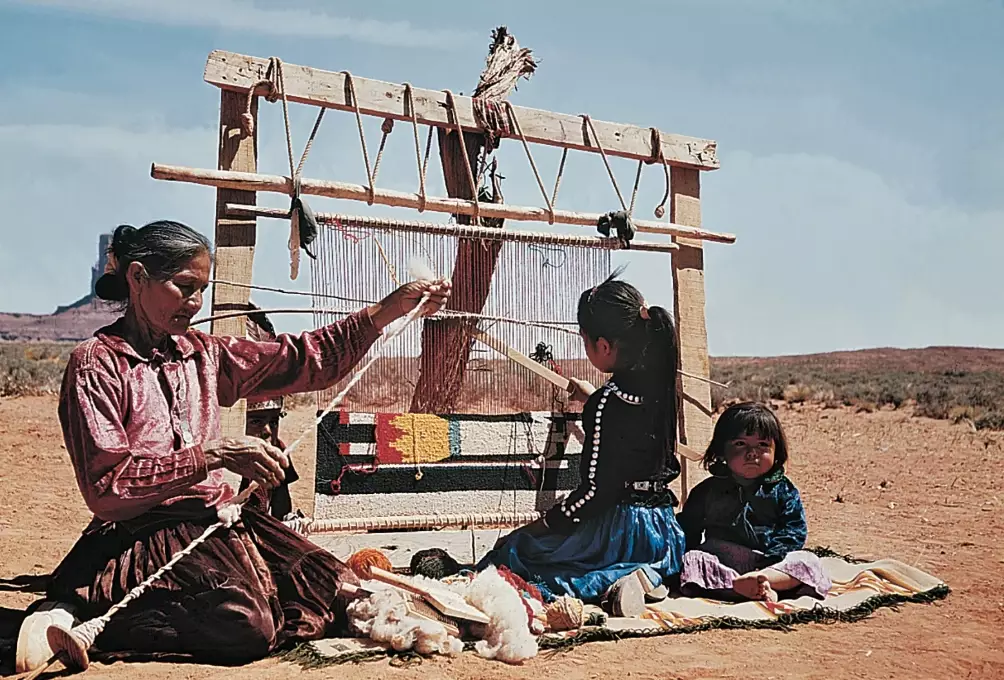
Expert Tip on Etiquette: The most common error isn't malice, it's assumption. Don't assume you can wander, take pictures, or ask deeply personal spiritual questions. If you're unsure, ask your guide or a staff member. A simple "Is it okay if I..." goes a very long way. Dress modestly—the desert sun is brutal, but shorts and tank tops can be seen as disrespectful in certain ceremonial or village contexts.
When buying art, buy directly from certified tribal shops or artists at markets like the Gallup Inter-Tribal Indian Ceremonial in New Mexico. Avoid roadside stands selling mass-produced "Native-style" items. Ask about the artist and the piece's story. Authentic pottery, weaving, and silverwork are investments, both financially and culturally.
What are the best cultural sites?
Beyond the major centers, these places offer unique, less-crowded insights.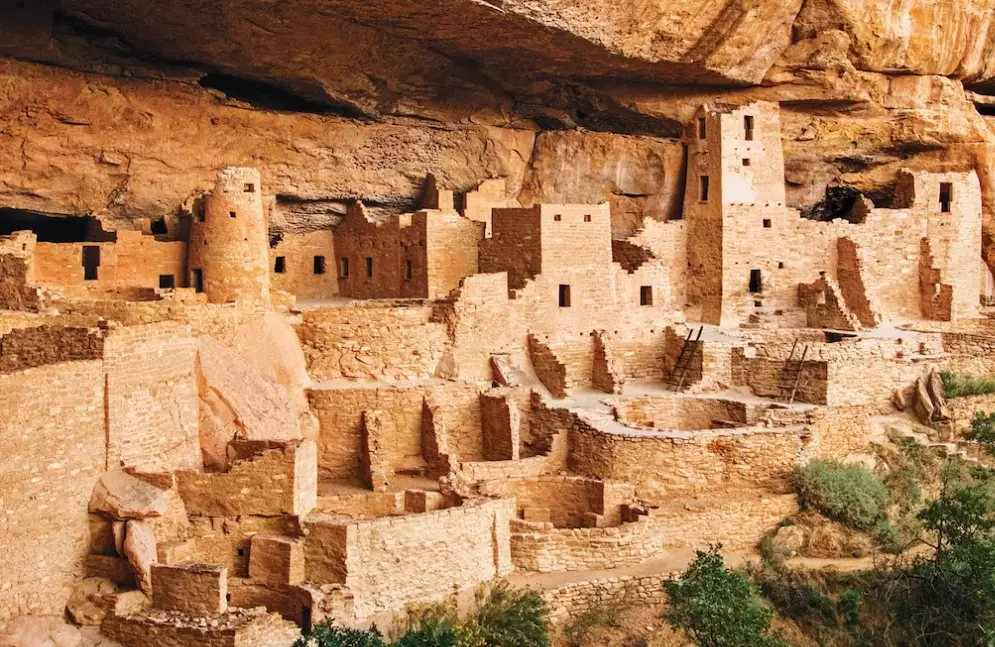
Canyon de Chelly National Monument (Navajo Nation): You can drive the rim and see stunning ruins from above for free. But the real magic is below. You must hire a Navajo guide to enter the canyon floor. I recommend a full-day hike with a guide from Ancient Canyon Tours. You'll see petroglyphs, ancient Puebloan sites, and working Navajo farms, all while hearing stories you won't find in any guidebook.
Taos Pueblo (New Mexico): A UNESCO World Heritage Site and one of the oldest continuously inhabited communities. The multi-storied adobe buildings are iconic. Go early to avoid crowds. Pay attention to the details—the hornos (outdoor ovens), the stream running through the plaza. Remember, people live here. Respect the signs marking private areas.
Heard Museum (Phoenix, Arizona): While not on tribal land, the Heard is a world-class museum founded on the principle of presenting Indigenous arts and cultures from a first-person perspective. Their collection of Hopi katsina dolls and Navajo textiles is unparalleled. It's the perfect primer before heading out to the reservations.
How to Plan Your Southwest Tribal Cultural Trip
Logistics matter. Distances are vast, services can be sparse, and cell service is often non-existent on reservations.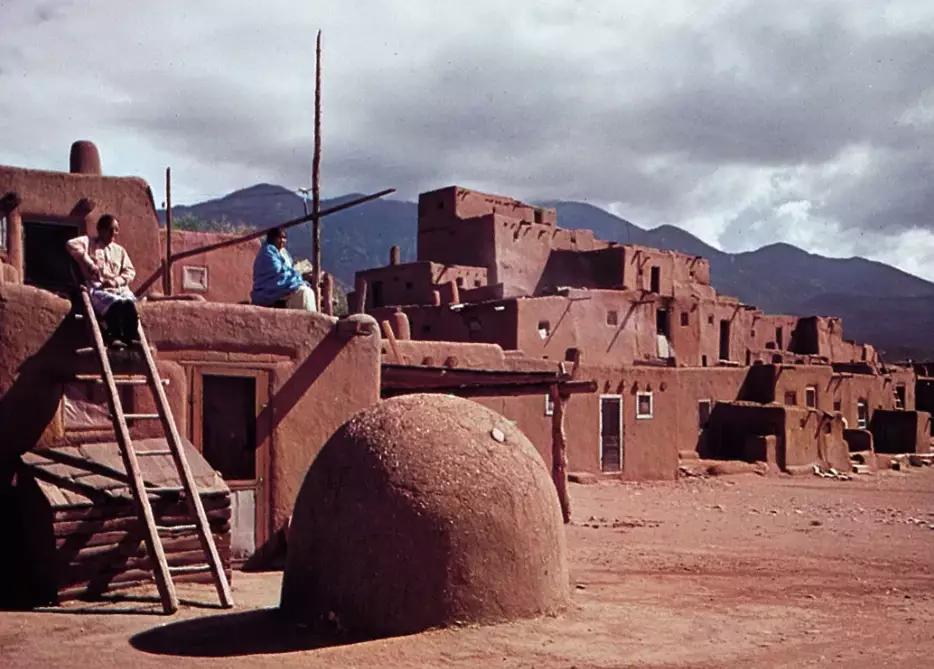
A Sample 5-Day Cultural Itinerary
Day 1-2: Albuquerque & Acoma. Fly into Albuquerque. Visit the Indian Pueblo Cultural Center (run by the 19 Pueblos of NM) for context. Next day, drive to Acoma Pueblo for the Sky City tour. Spend the night in Grants, NM.
Day 3: Navajo Nation - Canyon de Chelly. Drive to Chinle, AZ (3.5 hrs). Book an afternoon guided jeep tour into Canyon de Chelly with a local operator like Thunderbird Lodge. Stay at their lodge—it's basic but the only one right at the canyon mouth.
Day 4: Monument Valley. Drive to Monument Valley (2 hrs). Do the classic guided sunset tour. The light is unreal. Stay at The View Hotel (book months ahead) or Goulding's Lodge.
Day 5: Hopi Mesas. Drive to Second Mesa (2 hrs). Visit the Hopi Cultural Center, arrange a village tour, and have lunch at their restaurant (try the Hopi stew with piki bread). Return to Flagstaff or Phoenix to depart.
Transportation: You need a reliable car. Rental is fine. Gas up whenever you see a station—the next one might be 80 miles away. Download offline maps (Google Maps works reasonably well on major reservation roads).
Accommodation: Options on reservations are limited. The Hopi Cultural Center and Thunderbird Lodge at Canyon de Chelly are unique stays. Otherwise, base yourself in gateway towns like Flagstaff, Gallup, or Page.
Your Questions, Answered by Experience
 What's the biggest mistake first-time visitors make when planning a trip to the Navajo or Hopi reservations?
The journey into the world of the Desert Southwest tribes asks for a shift from being a passive tourist to an engaged, respectful guest. It's about trading snapshot for story, souvenir for understanding. The land holds their history, and by visiting with open eyes and a mindful approach, you take home more than photos—you gain a connection to the enduring spirit of the first peoples of the Southwest.
Reader Comments