When you picture the United States, deserts might not be the first image that pops into your head. That's a mistake. The American Southwest and West hold some of the most diverse, dramatic, and downright spiritual landscapes on the continent. Forget the empty, barren wastelands of cartoon lore. These are living, breathing ecosystems—canyons that glow at sunset, forests of giant cacti, dunes that sing, and mountains that rise from salt flats. I've spent over a decade exploring these places, from crowded park overlooks to remote backcountry washes, and I'm here to tell you that a desert trip done right can reset your internal clock.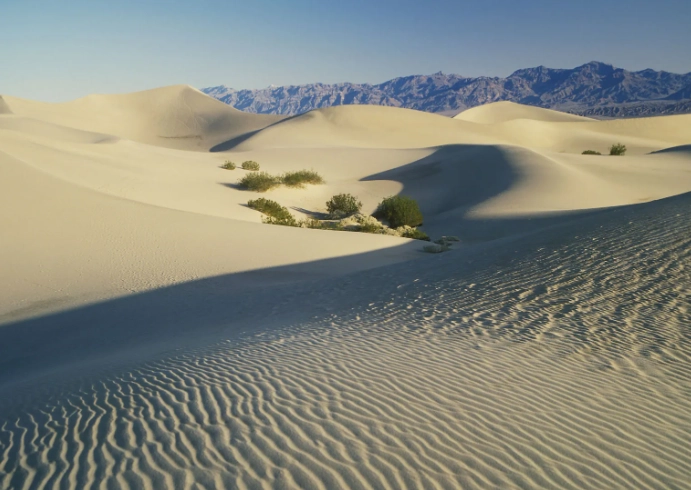
What's Inside This Guide
- The Four Major Deserts: A Quick Comparison
- How to Plan Your Desert Trip: Seasons, Gear & Itineraries
- Top Desert Destinations: From Iconic Parks to Hidden Gems
- Desert Safety Essentials: Avoiding the Common Mistakes
- How to Travel Sustainably in Fragile Desert Environments
- Your Desert Travel Questions, Answered
The Four Major Deserts: A Quick Comparison
The U.S. is home to four distinct desert regions, each with its own personality. Getting this straight is the first step to planning a good trip.
| Desert Name | Key States | Signature Landscape | Best For |
|---|---|---|---|
| Mojave Desert | California, Nevada, Utah, Arizona | Joshua trees, rugged mountains, Death Valley | Extreme landscapes, solitude, stargazing |
| Sonoran Desert | Arizona, California, Mexico | Saguaro cacti, lush riparian areas, two distinct rainy seasons | Wildlife viewing, hiking, accessible beauty |
| Chihuahuan Desert | Texas, New Mexico, Mexico | High elevation grasslands, limestone canyons, White Sands | Unique geological formations, less crowded parks |
| Great Basin Desert | Nevada, Utah, Oregon, Idaho | Cold desert with sagebrush, ancient bristlecone pines | High-altitude scenery, ancient history, remoteness |
Most people flock to the Sonoran and Mojave. The Chihuahuan offers surreal beauty without the same level of crowds, and the Great Basin feels like another planet entirely—cold, quiet, and profoundly ancient.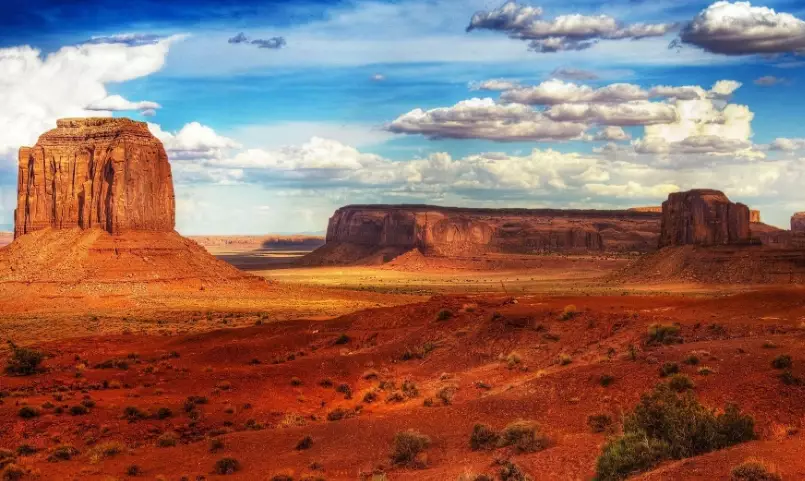
How to Plan Your Desert Trip: Seasons, Gear & Itineraries
Timing is everything. The biggest error I see? People planning a July hike in Death Valley because they got a cheap flight to Las Vegas.
The Sweet Spot: When to Visit Each Region
Fall (Oct-Nov) and Spring (Mar-May) are the universal winners. Days are pleasant, nights are cool. Wildflowers can be spectacular in spring, especially after a wet winter. For the Sonoran Desert, late summer (Aug-Sep) brings the "monsoon" season—short, dramatic thunderstorms that green up the landscape and fill waterfalls, but also bring flash flood risks and high humidity.
Winter can be fantastic in the Sonoran and Chihuahuan deserts (think sunny, 60s in Tucson). But in the Mojave and Great Basin, winter means snow, ice, and often closed high-elevation roads. Death Valley is mild in winter, but that's also its peak tourist season.
Summer, outside of high mountain areas, is for survival, not leisure hiking. If you must go, plan activities for dawn and dusk.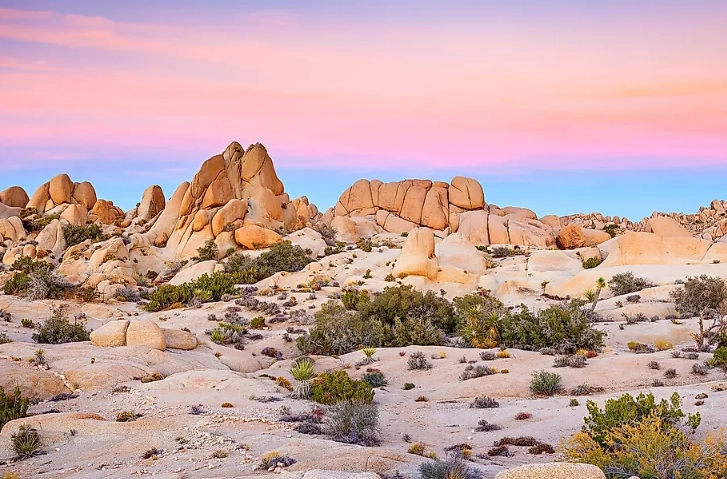
Pro Tip Everyone Misses: Check for "spring break" and holiday weekends (MLK, Presidents Day) if you're visiting popular parks like Saguaro or Joshua Tree in winter/spring. They get swamped. A random Tuesday in late April is infinitely better than a Saturday in March.
Packing: It's Not Just About Water
Yes, carry more water than you think—one gallon per person per day is the minimum rule for active days. But here's what else is critical:
- Layers: A 40-degree Fahrenheit swing between day and night is normal. A lightweight puffer jacket is a desert staple.
- Sun Protection: A wide-brimmed hat, sunglasses, and mineral sunscreen. The sun is relentless.
- Footwear: Sturdy hiking boots with ankle support for rocky, uneven terrain. Sandals are for the campground only.
- Navigation: A physical map and compass, or a GPS device with pre-downloaded maps. Cell service is a myth in most of these areas.
Top Desert Destinations: From Iconic Parks to Hidden Gems
Let's get specific. Here are the places that deliver, with the nitty-gritty details you need to plan.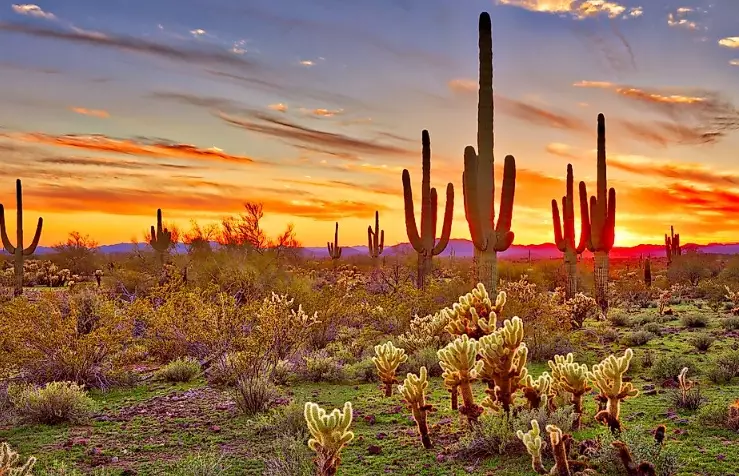
1. Sonoran Desert Showcase: Saguaro National Park
Split into two districts east and west of Tucson, this park is all about the iconic saguaro cactus. The West (Tucson Mountain) District feels more rugged. The East (Rincon Mountain) District has higher elevations and longer trails.
- Entrance Fee: $25 per vehicle (valid 7 days, both districts).
- Must-Do Hike: The Hugh Norris Trail (West) for panoramic views, or the Tanque Verde Ridge Trail (East) for a serious backcountry feel.
- Best Time of Day: Sunrise or sunset, when the saguaros glow golden and the shadows are long. Midday light is harsh for photos and hiking.
- Local Intel: The Arizona-Sonora Desert Museum (just outside the West District) is part zoo, part botanical garden, part natural history museum. It's worth the separate admission.
2. The Surrealist Painting: White Sands National Park, New Mexico
This isn't a typical desert. It's 275 square miles of glistening white gypsum dunes in the Tularosa Basin. It feels like you've walked onto another planet.
- Entrance Fee: $25 per vehicle.
- Key Info: Check the National Park Service website for missile testing schedules at the adjacent White Sands Missile Range, which sometimes closes the entire park for a few hours.
- Activity: Rent a plastic sled from the visitor center gift shop and go dune sledding. It's as fun as it sounds.
- Photography Tip: Go on a cloudy day or during the "golden hour." The pure white sand reflects light intensely, causing harsh contrast on sunny days.
3. The Classic Mojave: Joshua Tree National Park
Where the Colorado and Mojave deserts meet. It's famous for its namesake twisted trees and giant piles of monzogranite boulders.
- Entrance Fee: $30 per vehicle.
- Crowd Hack: Enter through the less popular North Entrance (near Twentynine Palms) instead of the West Entrance. The park feels vast once you're past the first few pull-offs.
- Hidden Gem Area: The Lost Horse Mine loop trail. You get history (a well-preserved gold mill), great views, and far fewer people than at Barker Dam or Hidden Valley.
- Stargazing: It's an International Dark Sky Park. The Keys View overlook is popular, but any pull-out away from campground lights will be incredible.
Under-the-Radar Alternative: Instead of fighting for a photo at Antelope Canyon, consider Valley of Fire State Park in Nevada, an hour from Las Vegas. It has similar fiery red Aztec sandstone, ancient petroglyphs, and fantastic short hikes like the Fire Wave. Entrance is $15 for out-of-state vehicles, and it's far less regulated (and crowded) than the Arizona slot canyons.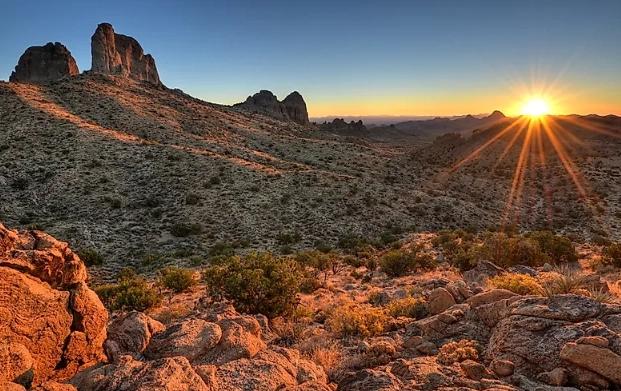
Desert Safety Essentials: Avoiding the Common Mistakes
This is where experience talks. The desert is unforgiving if you're careless.
Hydration is a Process, Not a Panic. Don't wait until you're thirsty to drink. Sip consistently throughout the day. If your urine isn't clear or light yellow, you're behind. And it's not just water—you lose electrolytes. Pack salty snacks or consider an electrolyte mix.
Flash Floods are Real and Fast. That beautiful, dry wash you're hiking in? It can turn into a raging torrent in minutes from a storm miles away. Never camp in a wash. Check the weather forecast and be hyper-aware of changing skies. If you hear a distant rumble, get to high ground immediately.
Respect the Wildlife. This isn't a petting zoo. Give rattlesnakes a wide berth (they want to avoid you). Don't reach under rocks or logs. Scorpions are nocturnal; shake out your shoes in the morning. And for heaven's sake, don't feed the cute ground squirrels—it's bad for them and encourages them to bite tourists.
Tell Someone Your Plans. Always let a reliable person know where you're going and when you expect to return. File a free backcountry trip plan with the park rangers if you're heading out on a long hike.
How to Travel Sustainably in Fragile Desert Environments
Desert soils are alive with a fragile crust of cyanobacteria, fungi, and lichens (called biocrust or cryptobiotic soil). It prevents erosion and fixes nitrogen. One footstep can destroy decades of growth.
Stay on Designated Trails. Always. When a trail peters out in a wash or on slickrock, walk on the most durable surfaces—rock, sand in the wash bottom—not on the vegetated edges.
Pack It In, Pack It Out. Every scrap. This includes biodegradable items like orange peels and toilet paper (yes, really).
Camp in Established Sites. Use existing fire rings if fires are permitted (often they are not due to high fire danger). Never cut down vegetation for firewood.
The goal is to leave no trace that you were ever there, so the next person gets the same sense of pristine wonder.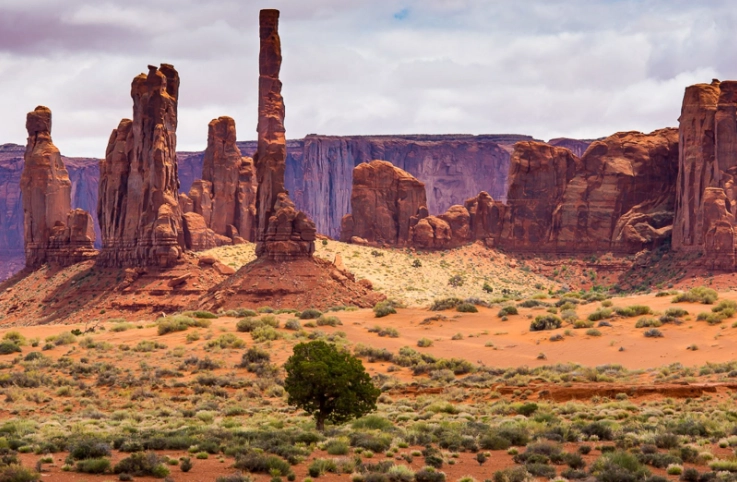
Reader Comments