Most people picture the Desert Southwest as a monochrome expanse of sand, rocks, and the occasional cartoonish saguaro cactus. That image sells the region short. Having spent over a decade guiding trips and exploring every backroad from Tucson to Moab, I've learned this landscape is a masterclass in contradiction and surprise. It's not just hot—it can snow in the Grand Canyon. It's not barren—it's a biodiversity hotspot if you know where to look. Let's move past the postcard and dive into the facts that make this place truly compelling.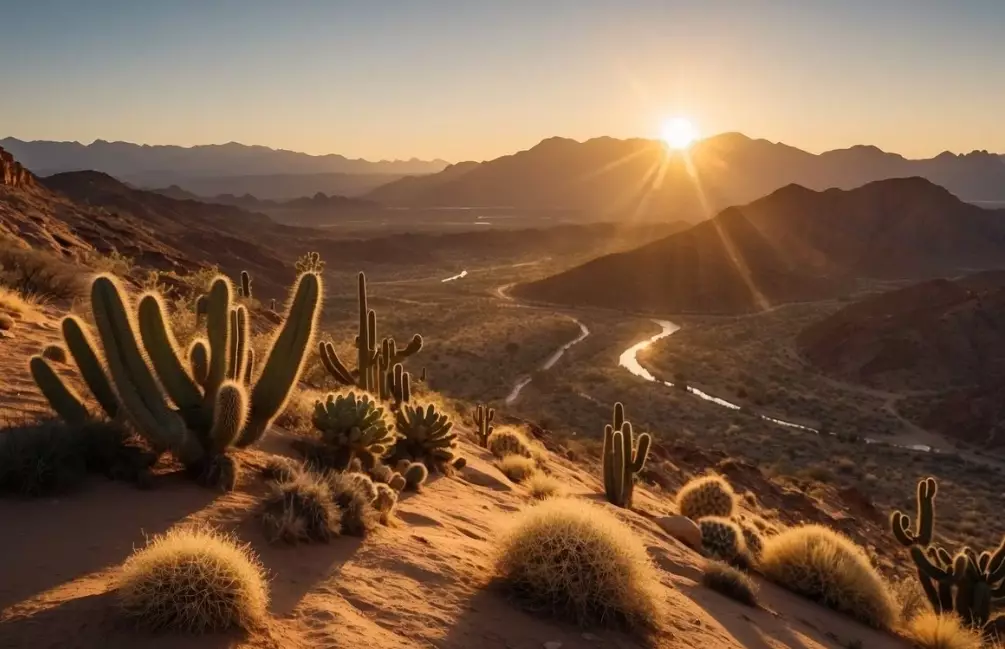
Your Quick Guide to the Desert Southwest
The Core Facts: Geology, Culture & Life
Forget the empty desert stereotype. The Southwest is a living archive.
A Landscape Sculpted by Extreme Forces
The red rocks of Sedona and the deep gash of the Grand Canyon didn't appear gently. This is a region built on drama. The Colorado Plateau, a massive slab of crust, has been uplifted over millions of years. Rivers like the Colorado then acted like sandpaper on stone, carving through layers of rock that read like a history book. You're not just looking at pretty colors; you're seeing exposed Permian sandstone (the deep reds), Triassic mudstone (the purples and grays), and Jurassic dinosaur-era deposits.
One fact most visitors miss: the defining color—that iconic "desert red"—comes from iron oxide, essentially rust. The more iron in the rock, the deeper the red. Places like Canyonlands look like a Mars prototype for a reason.
Ancient Cultures That Mastered This Land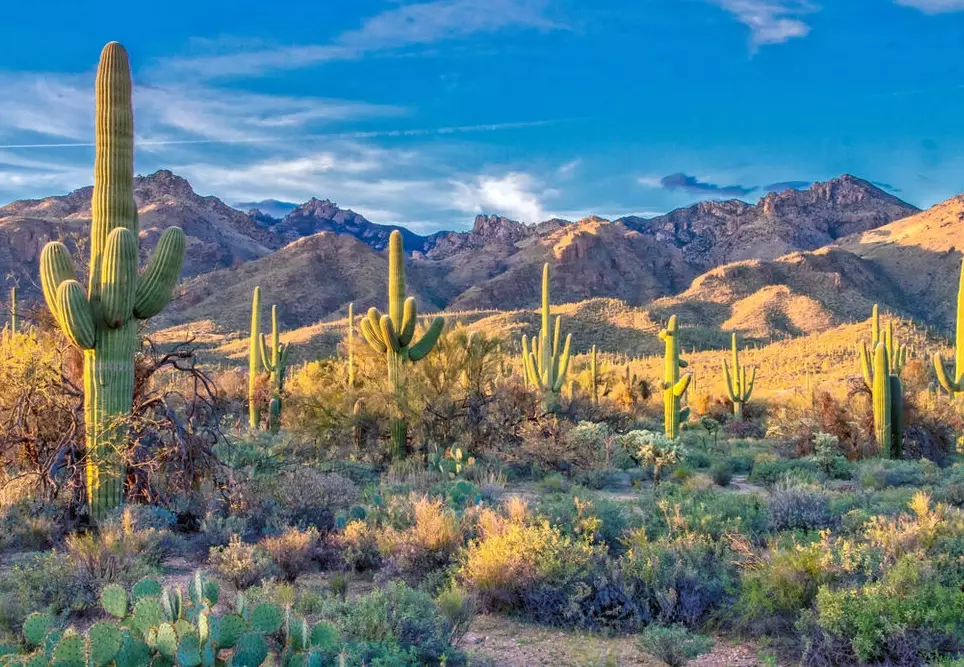
Long before highways, complex societies thrived here. The Ancestral Puebloans (often called the Anasazi) at places like Mesa Verde and Chaco Canyon weren't just surviving; they were building multi-story stone cities aligned with solar and lunar cycles. Then, around the 13th century, they left. The leading theory isn't invasion or catastrophe, but a prolonged drought combined with resource depletion—an ancient lesson in environmental pressure.
Their descendants, the modern Pueblo tribes like the Hopi and Zuni, along with the Navajo Nation, continue to inhabit and steward this land. The Navajo Nation itself is the largest Native American territory in the U.S., bigger than ten U.S. states.
Surprising Biodiversity: It's Not Just Lizards
The desert southwest ecosystem is a study in adaptation. Saguaro cacti, which only grow in the Sonoran Desert, can live 150-200 years and don't even start growing their iconic arms until they're about 75. The region is a birdwatcher's paradise, especially for raptors. The Common Black Hawk, for instance, finds a niche along desert waterways.
But the real stars are the pollinators. On a spring morning after a good winter rain, a desert wash can explode with color from lupines, poppies, and paintbrush, buzzing with specialized bees and hummingbirds. It's a fleeting, spectacular display of life most tourists never time right.
Quick Fact Check: The "Desert Southwest" typically includes parts of Arizona, New Mexico, Nevada, Utah, Colorado, and California. The heart of it is the Sonoran, Mojave, and Chihuahuan Deserts. Elevation is the secret variable—drive from Phoenix (1,100 ft) to Flagstaff (7,000 ft) and you move from scorching desert to cool pine forest in two hours.
How to Plan Your Desert Southwest Trip?
Planning is everything here. A good trip is magical; a poorly planned one can be miserable or even dangerous.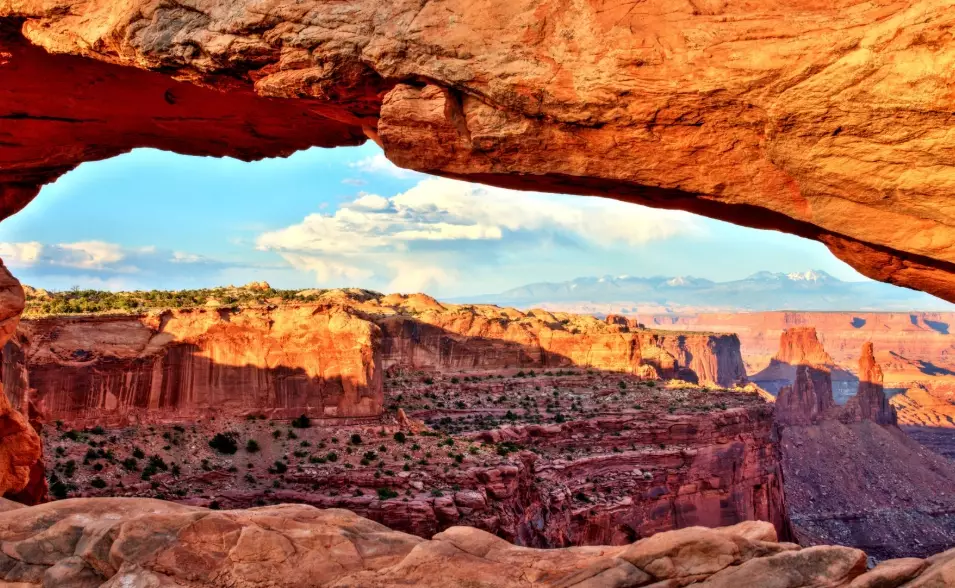
Crafting Your Itinerary: A 5-Day Classic Route
Here’s a realistic loop that hits the icons without feeling like a marathon. It assumes you're flying into Las Vegas (LAS) or Phoenix (PHX).
| Day | Route & Stops | Key Activity / Focus | Overnight |
|---|---|---|---|
| 1 | Arrive Las Vegas → Valley of Fire State Park (1 hr drive) → St. George, UT | Acclimate with stunning red sandstone formations. Hike the Fire Wave trail. | St. George, UT |
| 2 | St. George → Zion National Park (1 hr) | Hike Angels Landing (permit required) or the Narrows. Shuttle system is essential. | Springdale, UT |
| 3 | Zion → Page, AZ (2 hrs) via East Entrance | Antelope Canyon tour (book months ahead) & Horseshoe Bend overlook. | Page, AZ |
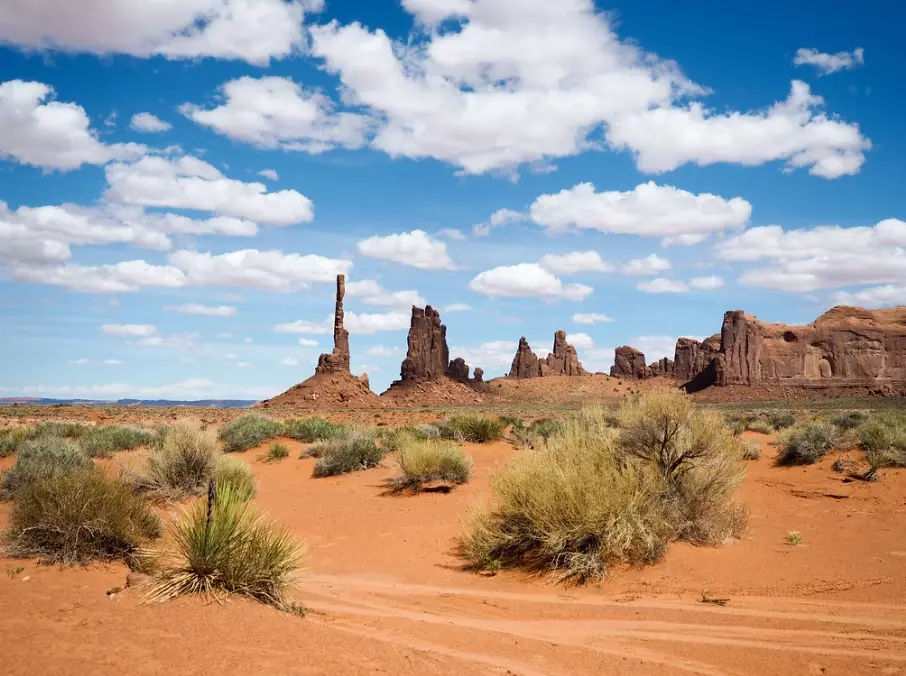
| 4 | Page → Monument Valley (2 hrs) → Mexican Hat | Drive the 17-mile Valley Drive (self-guided), iconic buttes and mesas. | Mexican Hat, UT or Kayenta, AZ |
| 5 | Monument Valley → Grand Canyon South Rim (3 hrs) | Sunset at Mather Point, walk the Rim Trail. Drive back to Vegas (4.5 hrs) or stay. | Grand Canyon Village or return to Vegas |
This is ambitious. I'd recommend adding at least two more days to breathe, especially if visiting in summer.
Where to Stay: From Stargazing to Comfort
Lodging ranges from generic chains to unforgettable experiences.
- For Stargazers: Look for remote B&Bs or inns near designated Dark Sky Parks. The Amangiri near Lake Powell is the ultimate (and ultra-expensive) splurge. A more affordable, quirky option is The View Hotel in Monument Valley—you wake up to the Mittens and Merrick Butte outside your window. Address: Indian Route 42, Oljato-Monument Valley, AZ. Book a year in advance for a balcony room.
- For Hikers & Comfort: In Springdale outside Zion, the Zion Lodge inside the park is perfect but books fast. In Tusayan outside the Grand Canyon, the Holiday Inn Express is reliable with good amenities.
- A Personal Favorite: The El Tovar Hotel on the Grand Canyon South Rim. It's historic, the dining room has canyon views, and there's a palpable sense of history. It's not the most modern, but the location is unbeatable.
Eating in the Desert: More Than Steak
Southwest cuisine is a fusion. In New Mexico, it's all about Hatch green chile—on burgers, in stews (posole), and smothering enchiladas. Try it at The Shed in Santa Fe (113 1/2 E Palace Ave). In Arizona, seek out authentic Sonoran food: giant carne asada burritos and the quesadilla-like queso fundido. Tucson is a UNESCO City of Gastronomy for a reason.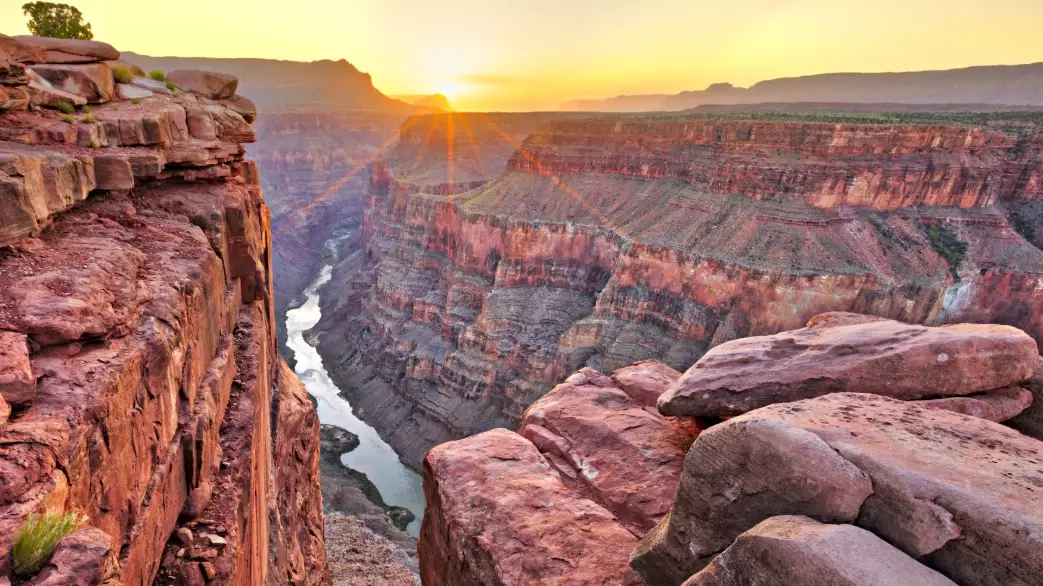
A rookie mistake? Eating only at hotel restaurants or generic spots near park entrances. Drive 20 minutes into the nearest town for better, cheaper, and more authentic meals.
What Are the Must-See Hidden Gems?
The big parks are crowded for a reason. But the magic often lies just off the beaten path.
Top 3 Underrated Natural Wonders
- Chiricahua National Monument, Arizona: Called the "Wonderland of Rocks," it's a maze of towering rhyolite rock spires. Far fewer people than Sedona. The Echo Canyon Loop is a stunning hike. Address: 12856 E Rhyolite Creek Rd, Willcox, AZ. No timed entry needed.
- Bisti/De-Na-Zin Wilderness, New Mexico: This is a true desert oddity. No trails, no facilities. You wander a badlandsscape of hoodoos, petrified wood, and egg-shaped rocks. It feels like another planet. You need a good GPS, plenty of water, and a sense of adventure. Managed by the Bureau of Land Management (BLM).
- Snow Canyon State Park, Utah: Overshadowed by Zion, it has similar red Navajo sandstone, lava flows, and sand dunes. It's quieter, cheaper, and perfect for a half-day of exploration. The Jenny's Canyon hike is short and sweet.
A Cultural Deep Dive: Beyond the Cliff Dwellings
Instead of just looking at ancient ruins, engage with living culture. Attend a Hopi or Navajo guided tour. Many reputable guides operate out of places like Monument Valley or the Hopi Mesas. They'll explain the spiritual and practical significance of the land in a way no placard can.
Visit the Heard Museum in Phoenix for a world-class collection of Native American art, or the Museum of Northern Arizona in Flagstaff for deep regional context. These places add layers of understanding you simply won't get from a scenic overlook.
Expert Advice & Common Mistakes to Avoid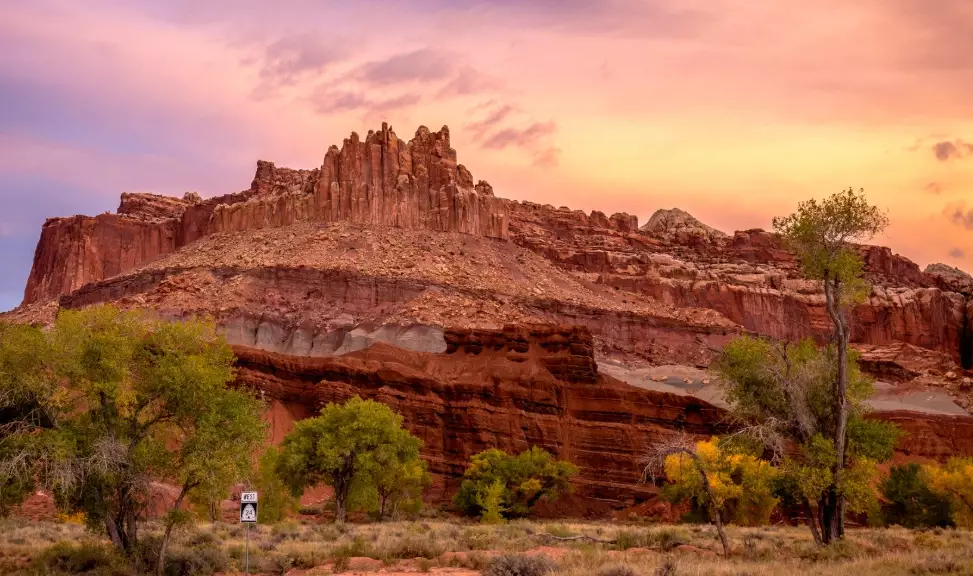
This is where guidebooks often fail. They list the "what" but not the "how."
The Single Biggest Error: Underestimating the sun and dry air. You dehydrate faster than you think. You don't feel sweaty because it evaporates instantly. Drink water before you're thirsty. Carry at least one gallon per person per day in your car. On a hike, a hydration bladder is better than a bottle—you'll drink more.
Navigation: Cell service is a fantasy in most of these areas. Download offline Google Maps or, better yet, use a dedicated GPS app like Gaia GPS with pre-downloaded maps. Tell someone your route and expected return time.
Driving: Distances are vast. A 2-inch map line can be a 4-hour drive on winding roads. Fuel up whenever you see a station, even if you're at half a tank. The next one might be 100 miles away.
Respect the Land: This isn't a playground. Don't climb on delicate rock formations (especially arches), don't touch petroglyphs (oils from your skin damage them), and stay on designated trails in cryptobiotic soil areas. That black, crusty soil is alive and prevents erosion; one footstep can destroy decades of growth.
Your Desert Southwest Questions Answered
 What's one unique food I absolutely have to try?
Reader Comments