You know that feeling. You're standing on a cliff, the sea air is sharp and salty, and the light is doing something magical. It's the kind of light that has drawn artists for centuries. That's the core of coastal art destinations—places where the raw power of the ocean meets human creativity. It's not just about a gallery with a sea view. It's about art that responds to the tides, sculptures that battle the wind, and installations that only make sense with the horizon as a backdrop. Forget the sterile white cube. Here, the gallery floor might be sand, and the soundtrack is crashing waves.
Your Coastal Art Journey Starts Here
What Makes a Coastal Art Destination Special?
Let's get this straight. A museum in a port city doesn't automatically qualify. The connection between the art, the space, and the sea needs to be intrinsic. I've visited places where the art feels plonked down, an afterthought. The great ones feel inevitable.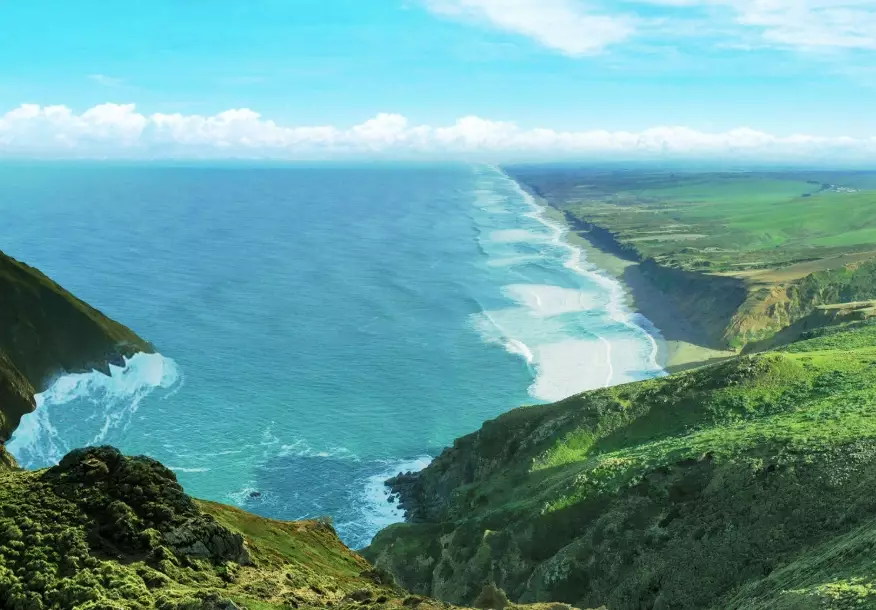
The environment is a co-curator. The weather changes the artwork. Salt spray ages a bronze sculpture in unique ways. The midday sun versus the golden hour completely transforms how you see a piece. This dynamism is what you're paying for—an experience, not just a viewing.
There's also a practical, less romantic reason these spots thrive. Historically, artists flocked to coastal towns because they were cheap. Fishing villages turned into artist colonies (think St Ives in Cornwall or Provincetown in Massachusetts). That legacy of affordable studios often remains, creating a living, breathing art scene beyond the main tourist attraction.
Top Coastal Art Destinations to Explore
I'm going to break this down by type. Each offers a different flavor of that sea-and-art cocktail.
1. The Iconic Seaside Gallery
These are the institutions. They're often the reason you've heard of the town.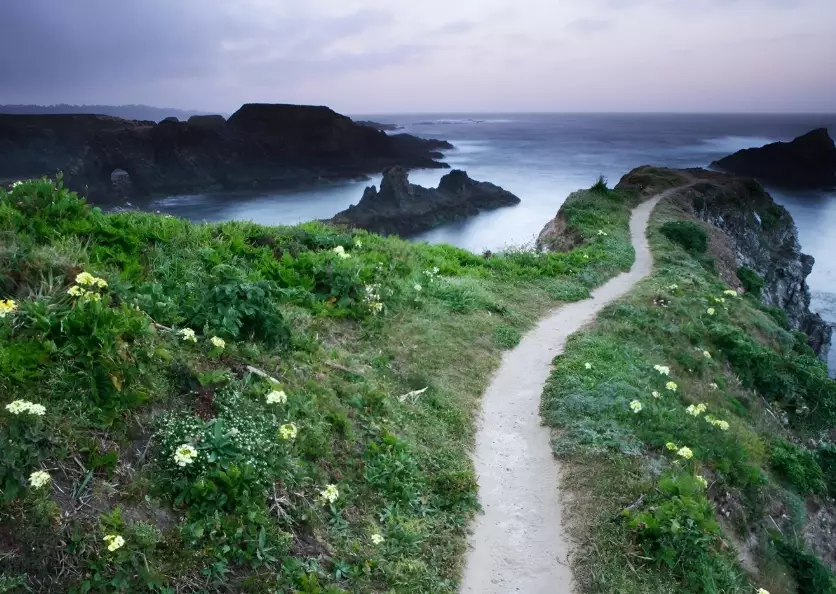
Tate St Ives, Cornwall, UK
This is the textbook example. The building itself, a sweeping white curve, is designed to capture the northern light so beloved by the St Ives modernists like Barbara Hepworth and Ben Nicholson. It doesn't just have a view; its architecture is a response to the view.
Address: Porthmeor Beach, St Ives TR26 1TG, UK.
Opening Hours: 10:00 - 17:20 daily (last entry 16:20). Closed on Mondays outside peak season. Always check the Tate St Ives official website for updates.
Ticket Price: Around £12.50 for adults. Free for members.
Getting There: Train to St Ives station (a stunning branch line ride). The gallery is a 10-minute walk. In summer, parking is a nightmare—trust me, I've circled for an hour. Use the park-and-ride at Lelant Saltings.
The collection is strong, but honestly, the permanent display of St Ives artists can feel a bit samey after a while. The real magic is in the temporary exhibitions, which often engage directly with themes of landscape and place.
2. The Coastal Sculpture Park
This is where the concept truly shines. Art in a landscape you can wander.
Giardino dei Tarocchi (Tarot Garden), Tuscany, Italy
Not directly on the coast, but a short drive inland from the Tyrrhenian Sea. Niki de Saint Phalle's explosive, mosaic-covered sculptures based on Tarot cards are a surreal and joyful contrast to the surrounding olive groves and the nearby blue sea. It feels like discovering a secret kingdom.
Address: Località Garavicchio, 58011 Capalbio GR, Italy.
Opening Hours: 14:30 - 19:30 (April-Oct); 9:00 - 13:00 (Nov-Mar). Closed on Mondays and January.
Ticket Price: €14 for adults.
Getting There: You need a car. It's about 1.5 hours north of Rome. The nearest train station is Capalbio, then a taxi is essential.
Bring water and wear good shoes. It's a hillside garden, and exploring it is physical. The scale of the sculptures, like the Empress, which you can walk inside, is breathtaking.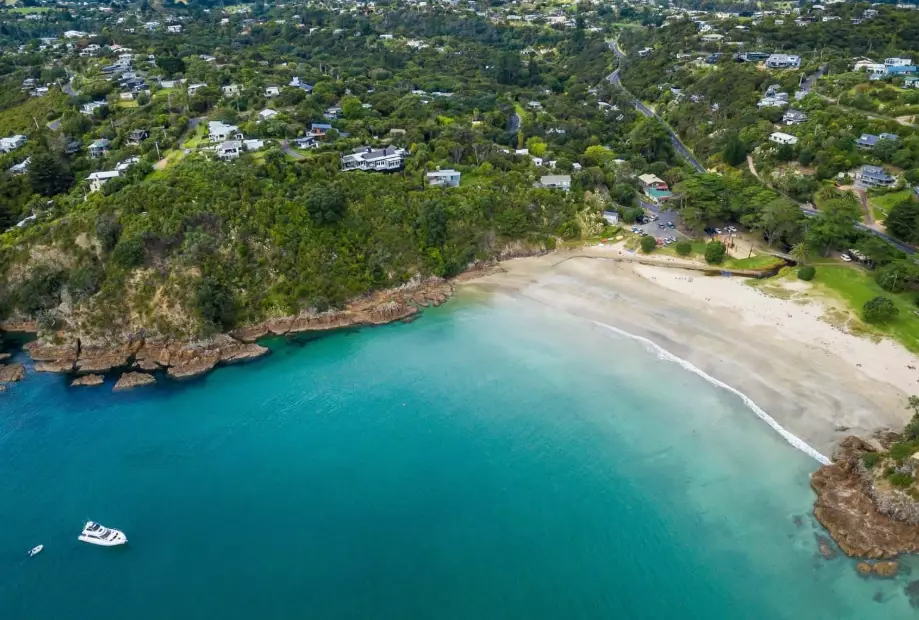
3. The Art Island or Festival
The entire destination is the canvas. This is a commitment, but the payoff is immense.
Setouchi Triennale / Naoshima, Japan is the gold standard. Islands in Japan's Seto Inland Sea transformed by site-specific art. Tadao Ando's concrete structures housing Monet's Water Lilies at Chichu Art Museum, Yayoi Kusama's iconic pumpkin on a pier, James Turrell's skyspaces. The art, architecture, and serene island life are inseparable.
| Key Island | Must-See Venue | Ticket/Pass Note | Ferry Tip |
|---|---|---|---|
| Naoshima | Chichu Art Museum, Benesse House | Book Chichu tickets WELL in advance online. | Ferries from Uno Port. Get a timetable on arrival. |
| Teshima | Teshima Art Museum (a single, stunning droplet) | Requires timed entry. Buy at the port. | Less frequent ferries. Plan a full day. |
| Inujima | Inujima Seirensho Art Museum | Part of the Art House Project. | A smaller, quieter island experience. |
Renting an electric bicycle on Naoshima is the best way to get around. The hills are no joke. The official Setouchi Triennale site is your bible for festival dates (it's not year-round on all islands).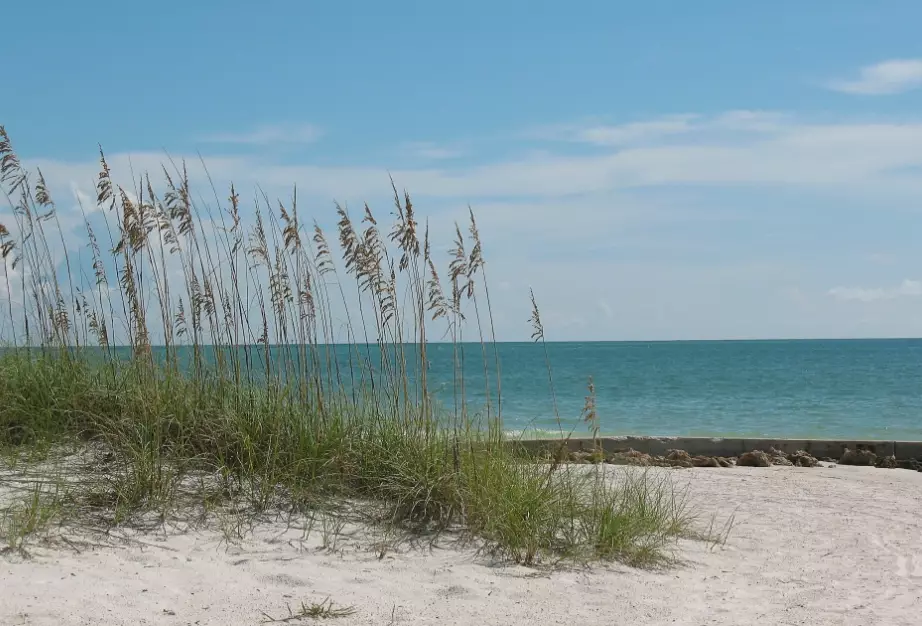
How to Plan Your Coastal Art Trip
This isn't your standard city museum hop. Geography and weather are key players.
Timing is Everything
- Season: Shoulder seasons (spring/autumn) are ideal. Summer brings crowds and harsh light. Winter can mean closures or brutal winds, but you'll have places to yourself. I visited the Yorkshire Sculpture Park in February once—bleak, beautiful, and utterly alone with the art.
- Time of Day: For photography, the golden hours after sunrise and before sunset are unbeatable. For comfort, aim for morning visits before the coastal breeze picks up or the sun gets too high.
The Practical Packing List
You need more than just a camera.
Footwear: Sturdy, closed-toe shoes for sculpture parks and cliff paths. Sandals on Naoshima's gravel paths are a terrible idea.
Layers: A windproof and waterproof jacket is non-negotiable. Coastal weather shifts in minutes.
Protection: High-SPF sunscreen, a wide-brimmed hat, and sunglasses. The light reflects off the water and sand, doubling the UV exposure.
Tech: A power bank. You'll be using GPS, taking photos, and checking ferry times all day.
Building Your Itinerary
Don't try to see three coastal galleries in a day if they're an hour's drive apart on winding roads. You'll spend the day in the car. Pick one major destination as a base and explore locally.
Factor in downtime. Sitting at a cafe overlooking the harbor after a gallery visit, letting the art settle in your mind while watching the boats, is part of the process. Rushing kills the vibe.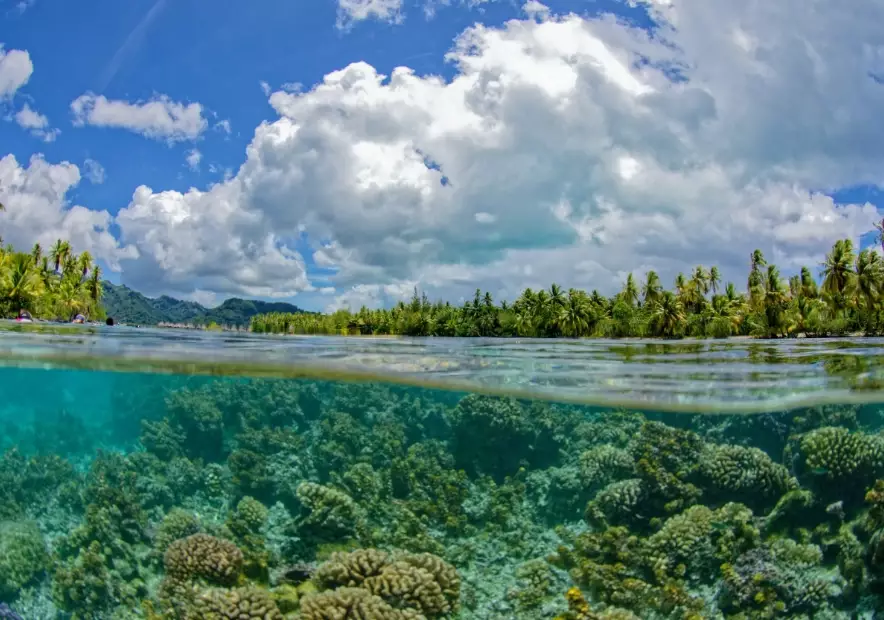
Coastal Art Travel: Your Questions Answered
What's the biggest mistake first-timers make when visiting a coastal sculpture park?
Underestimating the terrain and the time needed. They see a dot on a map and think it's a quick stroll. These parks are often large, outdoor landscapes with hills, steps, and uneven paths. You can easily spend 3-4 hours at a good one. People show up in flimsy footwear at 3 PM and have to rush. Arrive early, wear proper shoes, and plan for a slow, exploratory walk.
Is it worth visiting a coastal art destination in winter?
It's a completely different, often more rewarding experience—if you're prepared. The crowds vanish. The moody, dramatic skies can make the art feel more powerful. The main drawback is shorter opening hours and the potential for some outdoor sections or smaller venues to be closed. Always, always check the official website for winter schedules before you make the journey. And pack for cold, wet, windy weather.
How do I find smaller, less-known coastal art spots beyond the famous ones?
Look for the working artist studios, not just the museums. In towns with an art history, there are often studio trails or open studio events. Search for "[Region Name] artist studio trail" or "open studios." Local tourism boards sometimes list them. Also, keep an eye out for small commercial galleries in the back streets of fishing villages—they often represent local artists whose work is directly inspired by the immediate coastline. These places have no SEO budget, so you find them by wandering and talking to locals in cafes.
Are these destinations family-friendly?
The outdoor sculpture parks can be excellent for kids—it's like a giant, artistic playground. They can run and explore. Indoor galleries, especially the quieter, more contemplative ones, can be challenging with young children. Check if the venue offers family trails or activity packs. Many, like the Tate St Ives, have dedicated family areas and workshops. The key is managing expectations: a slow, silent gallery crawl is off the table. Focus on one or two key pieces with kids, make it a game ("find all the blue things in this painting"), and combine it with plenty of beach time.
What's a good budget tip for visiting these often expensive places?
Look for combined travel and entry passes. In places like Cornwall, the Ride Cornwall bus pass can be a savior, covering transport to multiple towns with galleries. Some regions offer a "museum pass" covering several venues. Also, major institutions often have reduced entry for late-afternoon visits (the last 1-2 hours). The light is still good, and you can see a lot in a focused hour. Finally, remember that the best part—the coastal landscape itself—is free. The art enhances it, but start by just being there.
Reader Comments