Let's get straight to it. If you're looking at a map of Arizona, those massive peaks just north of Flagstaff aren't just pretty scenery. They're the San Francisco Peaks, the eroded remains of a massive stratovolcano that defines the landscape and the culture of Northern Arizona. For most visitors, the goal is simple: see them, hike them, and understand them. But here's the thing most generic guides miss—treating this area like just another hiking destination is a mistake. It's a sacred landscape, a geological wonder, and a place where altitude can humble even the fittest hiker in under an hour. I learned that the hard way on my first attempt up Humphreys Peak, thinking my sea-level fitness was enough. It wasn't.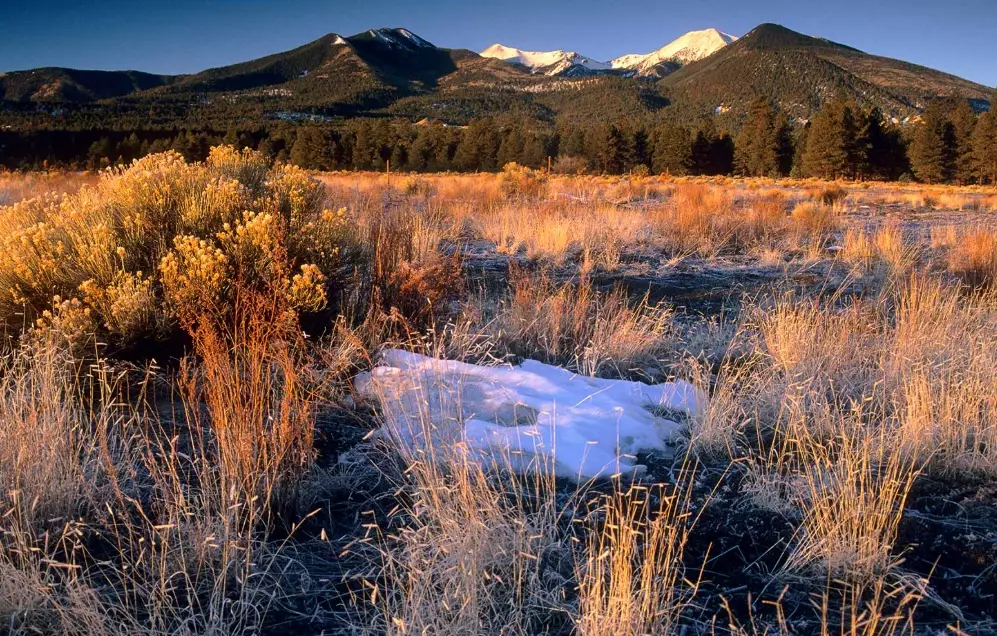
Your Quick Guide to the Peaks
What Are the San Francisco Peaks?
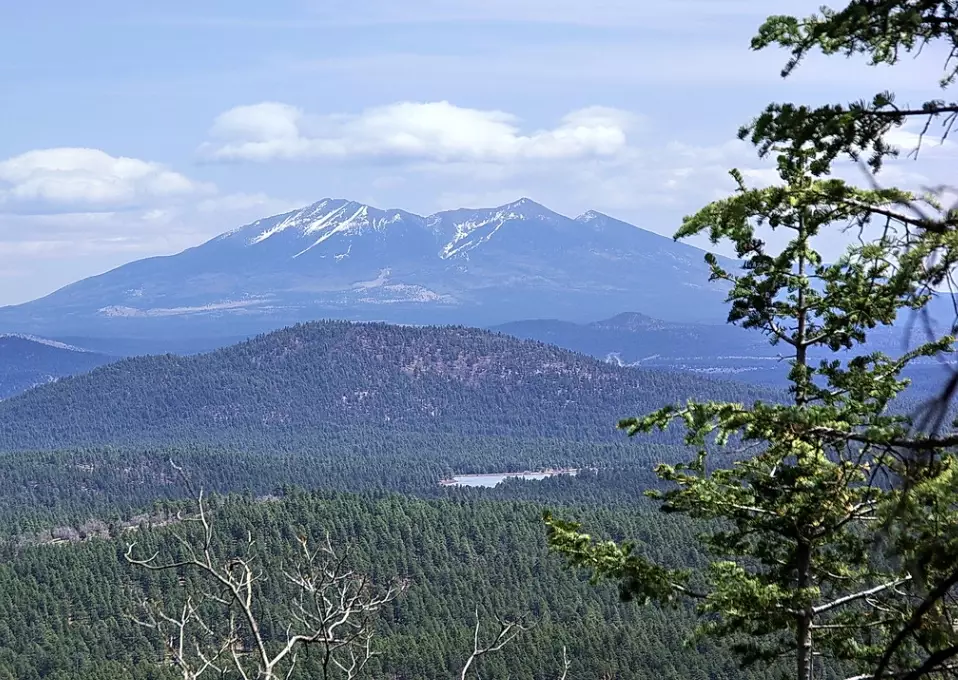
The San Francisco Peaks are a volcanic mountain range, the remnant of a single, massive volcano that last erupted around 400,000 years ago. Erosion has carved it into the distinct peaks we see today. The highest is Humphreys Peak, which at 12,633 feet is the tallest point in Arizona. The other major summits are Agassiz, Fremont, Doyle, and Aubineau. They sit within the Coconino National Forest, and the core area around the peaks is designated as the Kachina Peaks Wilderness.
Geologically, they're fascinating. You can see the layers of lava and ash. But their importance goes far deeper. For over a dozen Native American tribes, including the Navajo, Hopi, and Havasupai, the peaks are sacred. They are seen as living beings, homes to deities, and a central point in their cosmology. The Navajo name for the peaks is Dook'o'oosłííd, meaning "the summit that never melts." This cultural layer is what transforms a visit from a simple outdoor trip into a more meaningful experience, if you take the time to learn about it.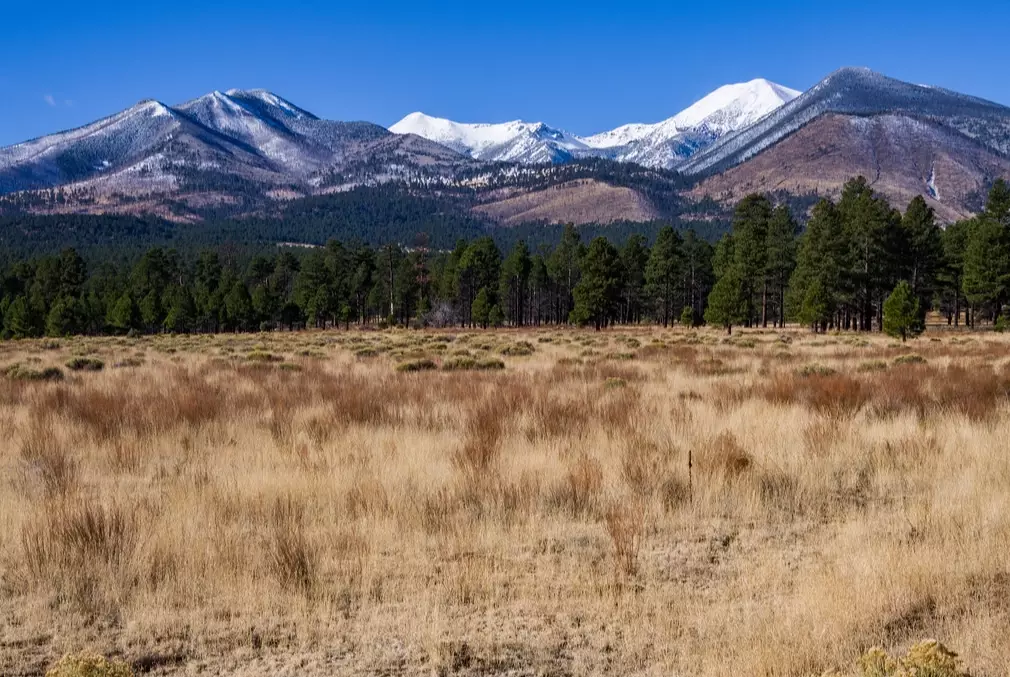
Key Takeaway: You're not visiting "a volcano." You're visiting the sacred remains of one, which is now a federally protected wilderness area and Arizona's rooftop.
Planning Your Visit: The Essentials
You need concrete info to plan. Here it is, without fluff.
| Aspect | Details |
|---|---|
| Location & Address | North of Flagstaff, Arizona. The main access is via US-180 (Fort Valley Road) or Snowbowl Road. For navigation, use "Arizona Snowbowl" (for the ski area/base) or "Humphreys Peak Trailhead." It's part of Coconino National Forest. |
| "Admission" & Fees | No entrance fee for the wilderness. However, you need a Recreation Pass to park at most trailheads. A daily pass is $5-10, or use your America the Beautiful Interagency Annual Pass. Purchase at self-service stations or online via Recreation.gov. The Arizona Snowbowl ski area may charge for summer scenic lift rides. |
| Operating Hours & Seasons | The area is open 24/7, year-round. BUT: Access is dictated by weather. The prime hiking season is late May/June through October. Snowbowl Road and high trails are snow-covered and inaccessible to most from November through April/May. Always check road and trail conditions with the Coconino National Forest. |
| Getting There | By Air: Fly into Flagstaff Pulliam Airport (FLG) or Phoenix Sky Harbor (PHX) – a 2-hour drive north. By Car: From Flagstaff, take US-180 north for about 7 miles to Snowbowl Road, then turn left. Follow Snowbowl Road 7.5 miles to the Snowbowl parking lot (trailhead). The drive from downtown Flagstaff is about 30-40 minutes. |
| Where to Stay | Flagstaff is your base camp. Options range from budget motels to hotels like Little America, and countless Airbnbs. For a closer, rustic experience, consider camping at the Bonito Campground (seasonal, first-come-first-served) near Sunset Crater or dispersed camping in the national forest (follow all regulations). |
The Altitude Reality Check: Flagstaff sits at 7,000 feet. The trailhead is at 9,300 feet. The summit is at 12,633 feet. This is not a joke. Altitude sickness is common. Symptoms include headache, nausea, dizziness, and severe fatigue. The only cure is to descend. Acclimatize in Flagstaff for a day, hydrate obsessively (start the day before), and listen to your body. Turning back is smarter than pushing through.
Hiking the Peaks: Your Options
Most people come here to hike. The trails break down into three clear categories.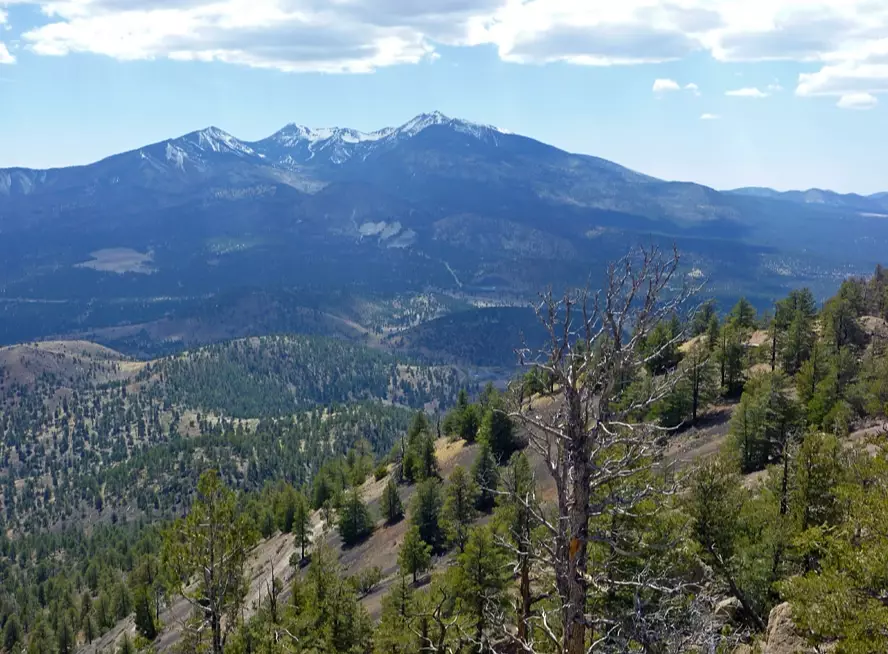
1. The Summit Challenge: Humphreys Peak Trail
This is the big one. The trail to the top of Arizona.
- Distance: 10.5 miles out-and-back.
- Elevation Gain: A brutal 3,333 feet.
- Difficulty: Strenuous. Very strenuous.
- Time: 6-9 hours for most hikers.
- Trailhead: Arizona Snowbowl lower parking lot (Lot 1).
The trail starts in dense aspen and pine forests. After about 2.5 miles, you break treeline. This is where it gets real. The final 2+ miles are above 11,500 feet, exposed, rocky, and often windy. The views are insane—you can see the Grand Canyon on a clear day. My non-consensus tip? Most people focus on the distance. Ignore that. Focus on the exposure and wind chill. The temperature at the summit can be 30+ degrees colder than the trailhead with a biting wind. I've seen people in shorts turn blue. Pack layers: a moisture-wicking base, insulation, and a waterproof/windproof shell. Gloves and a beanie in summer are not overkill.
2. The High-Altitude Sampler: Humphreys Peak via the Weatherford Trail
A longer, slightly gentler (but still hard) alternative. It starts from the other side of the mountain range on the Inner Basin Road (FR 552). It's about 14 miles round-trip. It's less crowded and incredibly beautiful, passing through the stunning aspen groves of the Inner Basin. The road to the trailhead is rough dirt and often closed by snow until late June. Check forest service alerts.
3. The Legitimate & Beautiful Alternatives (Not Summiting)
If you're not up for the summit grind, these are fantastic.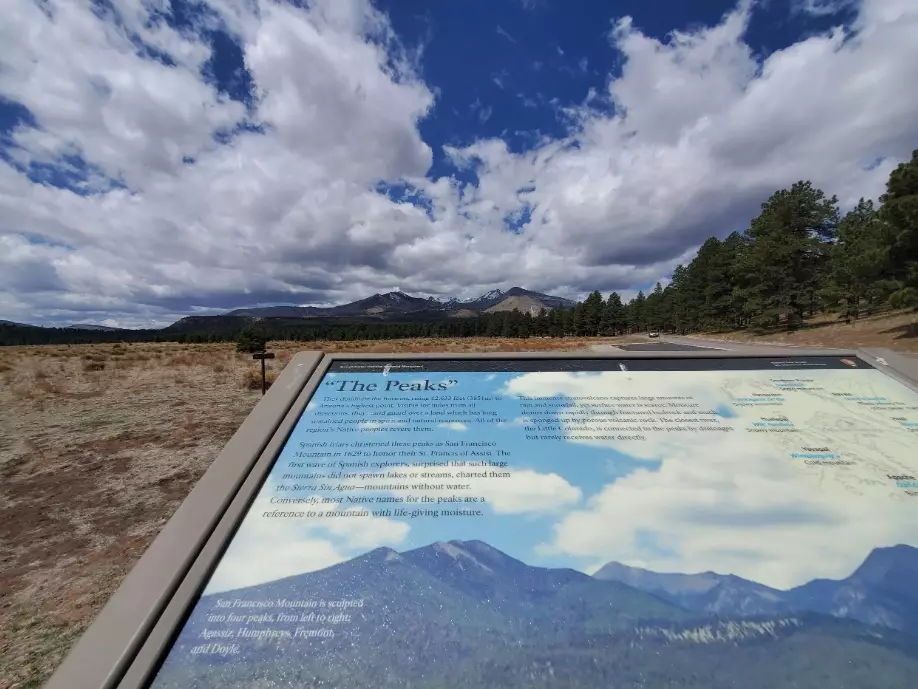
- Kachina Trail: A moderate 10-mile point-to-point trail along the western slopes. You'll need a shuttle or two cars. It stays between 9,000-10,000 feet, offering amazing views without the brutal summit push.
- Inner Basin Trail: From Lockett Meadow, this is a stunning 3-mile (one-way) hike into the heart of the old volcano. In fall, the aspen groves are a golden paradise. The road to Lockett Meadow is narrow, rough, and gets packed—go early.
- Arizona Snowbowl Scenic Chairlift: In summer, the ski lift operates. For a fee, it whisks you up to 11,500 feet. From there, you can enjoy the views, have lunch, and even hike a short way along the ridge. It's perfect for families, those with mobility issues, or anyone short on time/energy.
Beyond Hiking: Other Ways to Experience the Peaks
Hiking isn't the only game.
In Winter: The Arizona Snowbowl is a legit ski resort. The views while skiing here are unlike any other. You're carving turns with the vast Colorado Plateau spread out below you.
Photography: Sunrise and sunset paint the peaks in unreal colors. Popular pull-offs for photos are along US-180 and Snowbowl Road. For a classic shot, try the Buffalo Park in Flagstaff, framing the peaks through the grasslands.
Cultural & Educational Stops: Before you go, visit the Museum of Northern Arizona in Flagstaff. Their exhibits on the geology and native cultures of the Colorado Plateau provide essential context that makes seeing the peaks so much richer.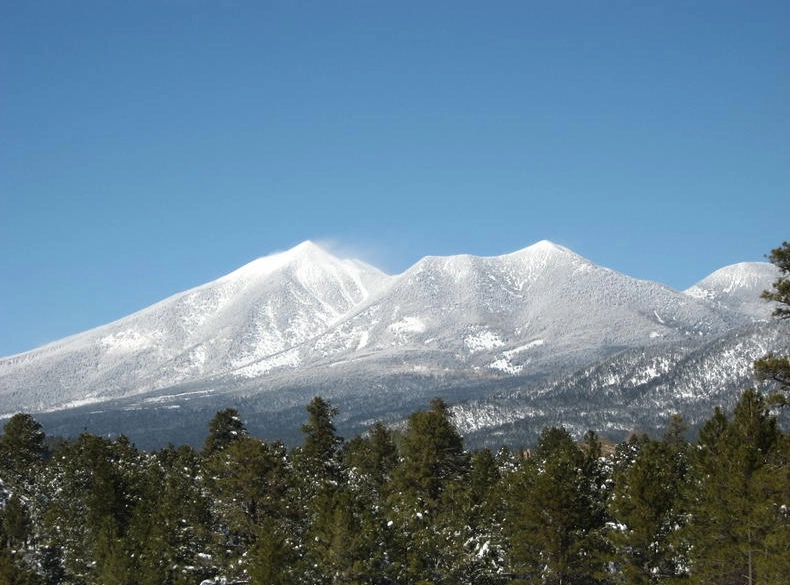
Understanding the Cultural Significance
This is the part most visitors skip, and it's a loss. The peaks are not just rocks and trees. For the Hopi, they are Nuvatukya'ovi, the home of the kachina spirits who bring rain. For the Navajo, they are one of the four sacred mountains marking the boundary of their homeland.
What does this mean for you as a visitor? Respect. This isn't about political correctness; it's about basic decency on someone else's sacred ground.
- Stay on designated trails.
- Don't remove rocks, plants, or artifacts.
- Be mindful of your noise level in quiet areas.
- Understand that some areas may be off-limits for ceremonies. Signs or simple intuition should guide you.
Your hike becomes more than physical when you carry this awareness.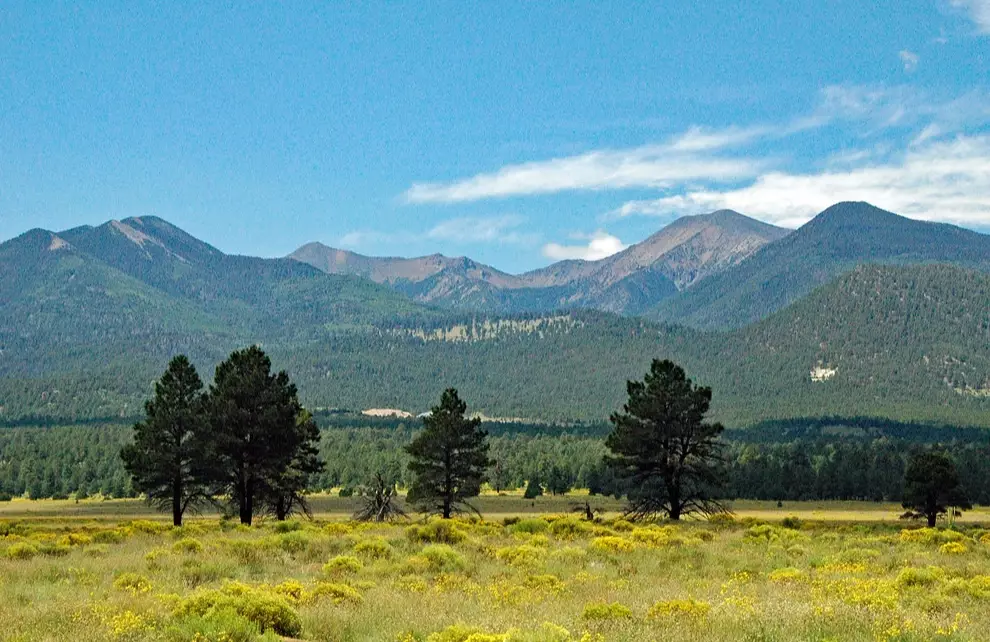
Answers to Your Tough Questions
Reader Comments