Your Quick Camping Roadmap
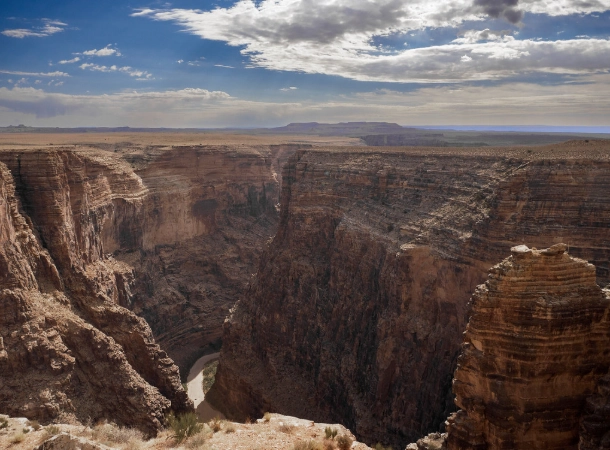
That iconic view of the Little Colorado River Gorge—a jagged crack in the earth filled with milky turquoise water—is a highlight of any Arizona road trip. But the idea of camping right there, under a blanket of stars with that vista as your backdrop? That’s next-level. It’s also more complicated than just pulling over and pitching a tent. I’ve made the mistakes so you don’t have to. This isn’t a campground. It’s dispersed camping on sovereign Navajo land, and getting it right means navigating permits, respecting the land, and knowing exactly where (and where not) to go.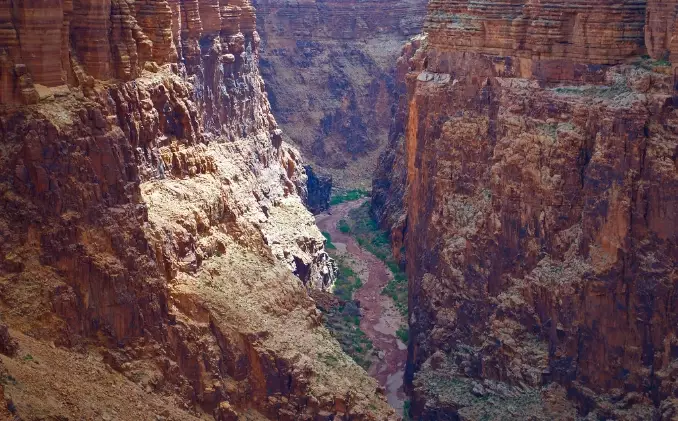
The Permit Puzzle: Navigating Navajo Nation Rules
Let’s cut to the chase. The biggest mistake, the one that leads to fines and a ruined trip, is not understanding the jurisdiction.
The Little Colorado River Gorge Overlook is owned and operated by the Navajo Nation Parks and Recreation Department. You’re not just in Arizona; you’re on sovereign tribal land. This means state rules don’t apply. Their rules do.
Official Overlook Details:
Address: Indian Route 70, Cameron, AZ 86020 (It’s signed from Highway 89).
Hours: Typically 8:00 AM to 5:00 PM daily, but these can shift seasonally.
Fee: There’s a per-person entry fee for the overlook itself (around $8), paid at the small entry station. This is separate from a camping permit.
Important Note: As of my last visit, the main paved overlook was closed for repairs. Visitors were directed to an alternative viewing area. Always check current conditions with the Navajo Parks website before you go.
For camping, you need a Backcountry Permit from the same department. This is non-negotiable. Rangers do patrol, and the fines are serious. The permit isn’t just bureaucracy; it’s a system to manage impact and ensure safety.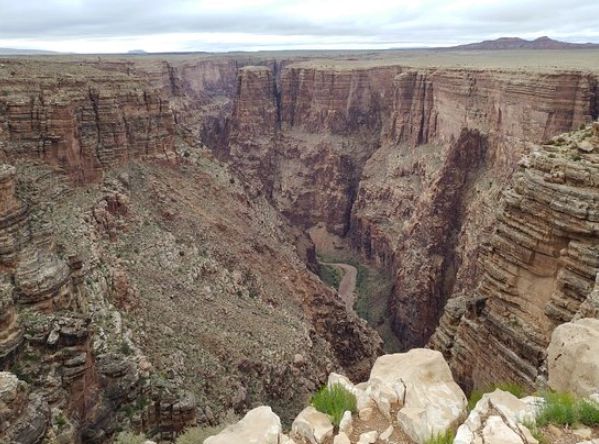
How to get one:
- Plan Ahead: Contact the Navajo Parks headquarters in Window Rock or the Cameron Visitor Center. Applying in advance is smart, especially if you’re arriving late.
- In-Person: The Cameron Visitor Center (where Highway 89 meets the 64 to the Grand Canyon) is your best bet. Stop, ask, get the permit. It costs a small fee per person.
- Be clear: You want a permit for dispersed camping in the area near the Little Colorado River Gorge Overlook, not for a developed campground.
Here’s the expert tip nobody talks about: The permit process feels informal. It might be a handwritten slip. Don’t let that fool you into thinking it’s unimportant. That slip is your only proof. Keep it on your dashboard. The other unspoken rule? Your permit requires you to follow Leave No Trace principles to an extreme. Pack out everything, including toilet paper. The desert doesn’t decompose things quickly, and this is a sacred landscape.
Finding Your Spot: Where to Camp (And Where to Avoid)
You have the permit. Now, where do you actually sleep? There is no designated “Little Colorado River Gorge Overlook Campground.” You’re looking for dispersed sites.
First, the golden rule: Stay at least 200 feet back from the rim. The edges are unstable, there are no guardrails, and night winds are powerful. Waking up to pee in the dark near a 1000-foot drop is a bad idea.
The terrain is a mix of open desert scrub and small juniper/pinyon pine groves. Look for existing pull-offs or clearings that show subtle signs of previous use—a flat spot, a worn tire track. Don’t create a new spot.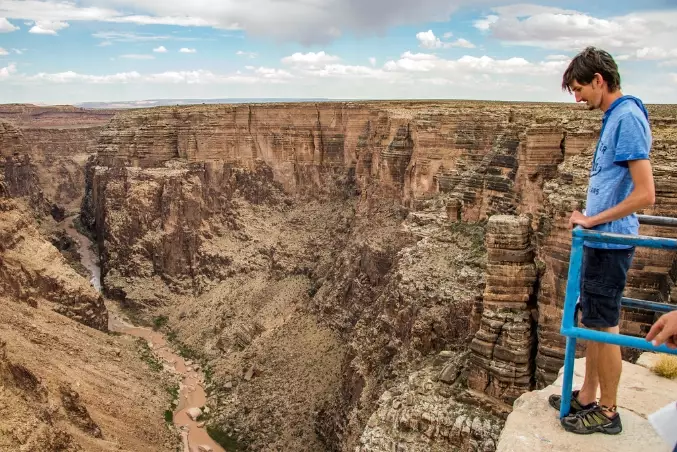
| Area Description | Pros | Cons & Warnings |
|---|---|---|
| Along the dirt roads north/northeast of the overlook (off IR 70). | More tree cover for wind protection. Feels more secluded. Further from the main road dust. | Roads can get sandy. A high-clearance vehicle is strongly advised. Easy to get disoriented. |
| Wider pullouts along IR 70, several miles before the overlook. | Easiest access for any vehicle. Less worry about getting stuck. | More road noise from early morning traffic. Less of a "wilderness" feel. |
| Any spot with a direct, clear view of the gorge rim. | The dream view for photos. | DANGEROUS. Unsafe edges, extreme exposure to wind. Just don’t. |
My personal strategy? I scout in the daylight, well before sunset. I look for two things: a flat spot big enough for my vehicle and tent, and a clear, solid exit route. Getting stuck in soft sand trying to leave at dawn is a miserable way to end the trip.
Sunset is beautiful. But the real magic happens later.
Once the last tourist car leaves the overlook, the silence is absolute. The sky explodes with stars, undimmed by any city light. You can hear the wind carving the canyon below. That’s what you’re here for.
Safety First: Desert Camping Non-Negotiables
This environment doesn’t forgive mistakes. Let’s talk real risks.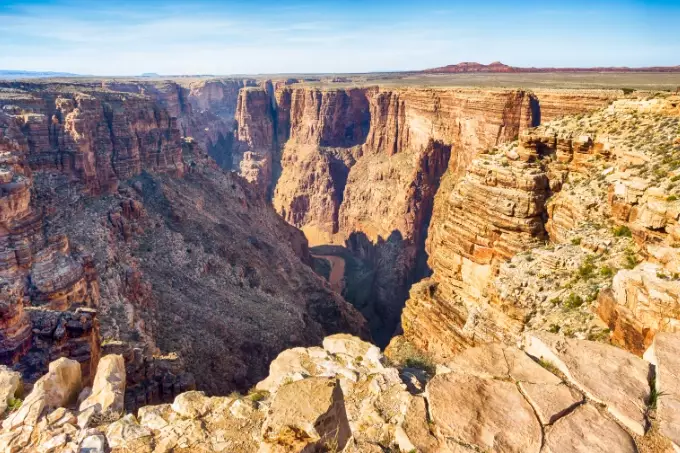
Weather and Wind
It can be scorching by day and near freezing at night, even in late spring. The wind is the constant wildcard. It whips across the plateau with surprising force. Stake your tent down with the strongest stakes you have—sand stakes or MSR Groundhogs. A tent that collapses at 2 AM is no fun.
Wildlife
You’re in coyote, snake, and rodent territory. This isn’t about fear, it’s about food management.
Food Rule: All food, trash, and even toiletries with scent go in a hard-sided container in your vehicle. Every time. A rat chewing through your backpack for a protein bar is a minor nuisance. A coyote becoming habituated to human food is a death sentence for the animal.
Fire
Assume campfires are prohibited. The Navajo Nation frequently has fire bans, especially for dispersed camping. Your permit should specify. Even if allowed, there’s often no wood to burn, and the risk is too high. Bring a portable camp stove for cooking. A Jetboil or similar is perfect.
Water and Self-Sufficiency
There is no water source. None. You must bring all the water you’ll need for drinking, cooking, and a minimal camp wash. I budget a minimum of 1.5 gallons per person per day. Bring extra. Dehydration creeps up fast at 5,000 feet.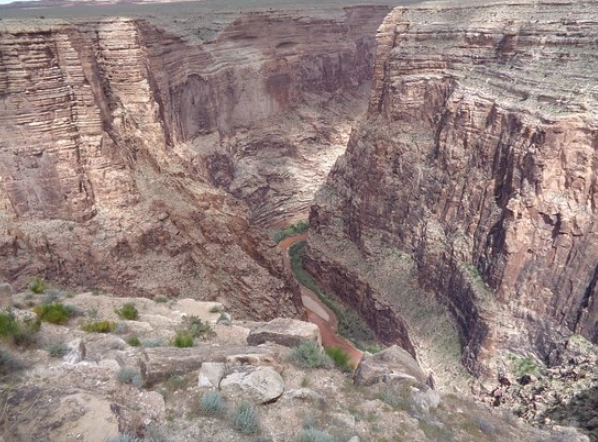
Planning the Perfect Day: Overlook Visit & Beyond
Your camping trip isn’t just about the night. Here’s how to structure a killer day.
Morning: Wake up early. Make coffee on your stove and watch the sunrise paint the desert. Break camp meticulously, leaving zero trace. Drive the short distance to the overlook proper (when open). You’ll beat the tour buses arriving from Flagstaff and have a moment of relative peace.
At the Overlook: Pay your entry fee. Walk to the edge (safely behind barriers). The color of the water changes daily—chalky blue, vibrant turquoise, muddy brown—depending on mineral flow from the upstream river. It’s a lesson in geology you can see.
Most people take their photo and leave. You’re not most people.
Afternoon Options: You’re perfectly positioned for more.
- Grand Canyon South Rim: It’s about a 90-minute drive west via Desert View Drive, the park’s often-quieter eastern entrance.
- Cameron Trading Post: Head east for 20 minutes. Get Navajo tacos for lunch, browse incredible Navajo rugs and jewelry. It’s a cultural institution.
- Explore More Backroads: With a good map and a capable vehicle, the network of dirt roads north into the Navajo Nation holds endless solitude.
Gear Essentials for a Gorge Night
Packing wrong can ruin this. Here’s the focused list beyond your standard camping kit:
- High-Clearance Vehicle (Preferred): A SUV or truck opens up more (and better) site options. A sedan can work if you stick to established, hard-packed pullouts on IR 70.
- Sand Traction Boards: If you’re venturing off IR 70, these are cheap insurance against getting stuck.
- Wind-Resistant Tent & Stakes: I’ve said it twice because it’s that important.
- Sleeping Bag Rated 10-20°F Colder than the forecast low. Desert cold is damp and seeps into your bones.
- Portable Power Bank: No hookups. Keep your phone charged for photos and emergencies.
- Headlamp with Red Light Mode: Preserves your night vision and is less disruptive to the vast, dark sky.
- Hard-Sided Cooler & Food Lockbox: For wildlife safety.
- Detailed Paper Map: Cell service is unreliable. A USFS map of the Kaibab National Forest (to the west) and a good road atlas are wise.
- WAG Bag or Portable Toilet System: Be prepared to pack out all human waste. It’s part of the permit deal.
Camping near the Little Colorado River Gorge Overlook isn’t the easiest option. There are developed campgrounds in Grand Canyon National Park or in Cameron with faucets and fire rings. But they don’t offer this.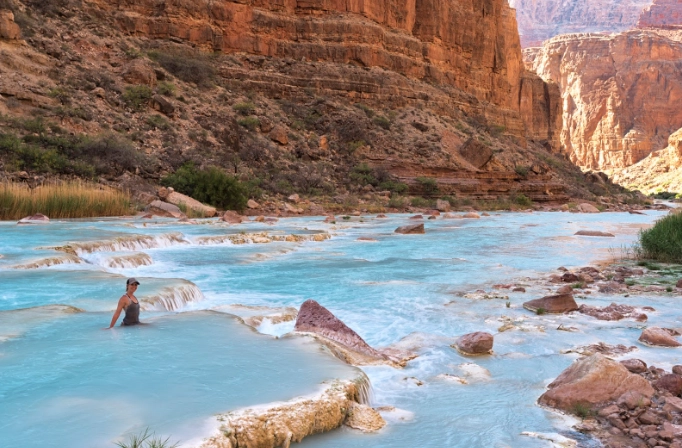
They don’t offer the profound quiet, the personal connection to a raw landscape, or the private sunrise over one of Arizona’s most stunning geological features. It requires more homework, more respect, and more self-reliance. For the right traveler, that’s exactly the point. Get the permit, follow the land’s rules, and you’ll earn a night few others ever experience.
Reader Comments