In This Guide
- Why Hike in Tonto National Forest, Anyway?
- Top Tonto National Forest Hiking Trails You Can't Miss
- The Nitty-Gritty: Permits, Passes, and Red Tape
- Hiking Tonto National Forest Safely: It's No Joke
- When to Go: A Seasonal Breakdown for Tonto Hiking
- Gear Specifically for Tonto National Forest Arizona Hiking
- Your Tonto National Forest Hiking Questions, Answered
- Wrapping It Up: Making Your Hike a Success
So you're thinking about hiking in Tonto National Forest, huh? Good call. It's this massive, sprawling piece of Arizona that feels like another planet sometimes. Cactus forests, rugged canyons, rivers that appear out of nowhere in the desert – it's got a bit of everything. But here's the thing: it's also huge, and hiking here isn't like a stroll in a city park. The sun is relentless, the trails can be confusing, and if you're not prepared, it can go from awesome to awful real quick. I've learned that the hard way over a bunch of trips.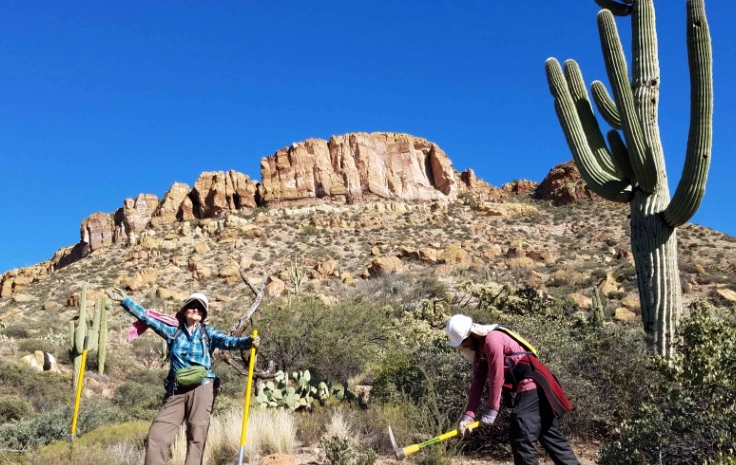
This guide is what I wish I had before my first Tonto National Forest Arizona hiking adventure. We're going to talk about the trails that are actually worth your time (and which ones might be overhyped), the absolute non-negotiable safety stuff, the pesky permit situation, and what to expect season by season. My goal is to give you all the dirt so you can just go out and enjoy the views without the headache.
Why Hike in Tonto National Forest, Anyway?
Before we dive into trail maps and water bottles, let's talk about why you'd pick this place. Phoenix has tons of hikes, right? True. But Tonto is different. It's the largest of the six national forests in Arizona, covering nearly 3 million acres. That scale means you can find solitude. It means diverse landscapes – you're not just looking at saguaros the whole time (though they're pretty cool). You've got the iconic Superstition Mountains, the lush riparian areas along the Salt and Verde Rivers, and high desert mesas that give you views for days.
The variety is the real draw for Tonto National Forest hiking. One day you can be on a steep, rocky climb in the Supes, and the next you could be following a gentle stream under cottonwood trees. It's this contrast that keeps me coming back. That, and the fact that it's a year-round destination if you know where and when to go. Summer in the lower elevations? Brutal. But summer up near the Mogollon Rim? Suddenly it's pleasant.
The magic of Tonto isn't just in reaching a summit. It's in the quiet moments—the rustle of a javalina in the brush, the way the afternoon sun turns the canyon walls gold, the shock of finding a hidden pool of water in a dry creek bed. It demands your attention and rewards it generously.
Top Tonto National Forest Hiking Trails You Can't Miss
Alright, let's get to the good stuff. Picking a trail in Tonto can be overwhelming. The forest service lists hundreds. I'm going to break down a few favorites, categorized by what you might be looking for. This isn't just a list of the most popular ones; it's a list of the ones that deliver on their promise, based on my boots-on-the-ground experience and chatting with other regulars.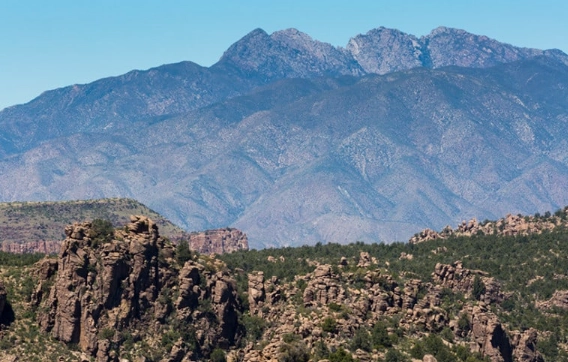
For the Iconic Views & Challenge: Superstition Wilderness Gems
The Superstitions are the poster child for Tonto National Forest Arizona hiking. That dramatic, jagged skyline east of Phoenix? That's them. The trails here are no joke – they're rocky, exposed, and often steep. But man, the payoff.
Siphon Draw to Flatiron Hard 6 miles RT 2,800 ft gain
This is the classic. It's relentless. You start on a sandy wash (Siphon Draw), which is basically a natural water slide when it rains, and then you hit the rock scrambling. The last mile to the Flatiron, a massive sloping rock plateau, involves using your hands. There's no official trail, just cairns and intuition. Is it worth it? A hundred times yes. The view from the top, looking back over the Valley, is unreal. Just don't attempt this in summer. Seriously. I've seen people carried off this trail with heat exhaustion.
Peralta Trail to Fremont Saddle Moderate 4.6 miles RT 1,360 ft gain
This is the "other" famous Superstitions hike, and it's a bit more accessible. The trail is well-defined and takes you through some gorgeous canyon scenery before climbing up to Fremont Saddle. And then... boom. Your first full-frontal view of Weavers Needle, that iconic volcanic spire. It's one of the most photographed vistas in Arizona. This is a great intro to the area. It's still a good workout, but families with older kids and fit dogs can manage it.
For Water & Surprising Greenery: The Riparian Hikes
This is the secret side of Tonto National Forest hiking. When people think Arizona desert, they don't think flowing water and shade. But along the river corridors, you get exactly that.
Boulder Canyon Trail Easy to Moderate Varies Canyon Lake Views
Starting near the stunning Canyon Lake marina, this trail winds along the water's edge and into side canyons. You can make it a short out-and-back or connect it with other trails for a longer day. The water is a brilliant blue-green, and the contrast with the desert hills is incredible. It's a popular spot for a reason, so expect company on weekends. But you can find quieter stretches if you go farther in. Great for a hot day because you can (carefully) dip your feet in the lake.
Peters Mesa Trail / Snake Creek Moderate Remote & Quiet
This one's for those wanting to get away. The access is rougher (high-clearance vehicle recommended), which filters the crowds. The trail follows a creek bed (often dry on the surface but with water underneath) and leads to some isolated, beautiful mesas. You might see more wildlife than people out here. Just have solid navigation skills.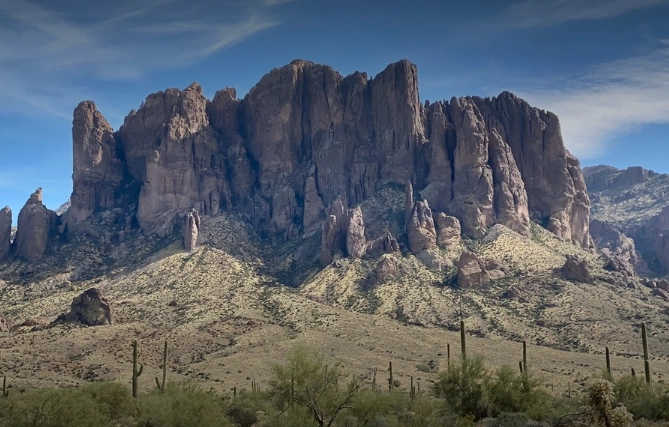
For a Unique & Manageable Adventure: The Hidden Surprises
These are trails that offer something a little different without requiring expert-level fitness.
Hieroglyphic Trail Easy 3 miles RT Petroglyphs & Pools
Don't let the name fool you – they're petroglyphs, not Egyptian hieroglyphics. This is a fantastic, relatively flat trail that ends at a small canyon wall covered in ancient Hohokam rock art. The real kicker? In the cooler months, there are usually clear, shallow pools of water at the base, reflecting the carvings. It's magical. It's also wildly popular, so go on a weekday or very early.
Wave Cave Trail Moderate 3 miles RT 800 ft gain
A short but steep climb rewards you with a cave that has a perfectly wave-shaped rock formation at its entrance. The morning light hitting it is spectacular. The trail itself isn't super well-marked in the middle section, so paying attention is key. A fun, quirky destination that feels like a real discovery.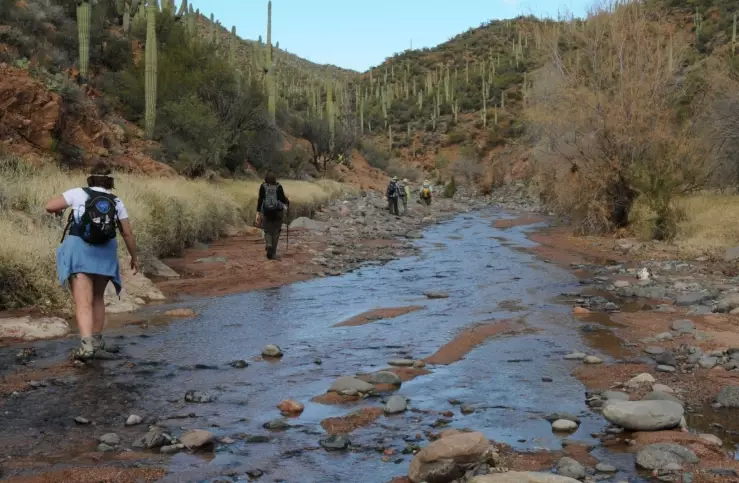
| Trail Name | Area | Difficulty | Round Trip Length | Key Feature / Vibe |
|---|---|---|---|---|
| Flatiron via Siphon Draw | Superstitions | Very Strenuous | ~6 miles | Iconic summit scramble, epic views |
| Peralta Trail | Superstitions | Moderate | 4.6 miles | Classic view of Weavers Needle |
| Boulder Canyon | Canyon Lake | Easy-Moderate | Varies (2-6+ mi) | Lakeside views, water access |
| Hieroglyphic Trail | Superstition Foothills | Easy | 3 miles | Ancient petroglyphs, seasonal pools |
| Wave Cave | Superstition Foothills | Moderate | 3 miles | Unique geological cave formation |
| Peters Mesa / Snake Creek | Remote Superstitions | Moderate | Varies (6+ mi) | Solitude, riparian area, wildlife |
The Nitty-Gritty: Permits, Passes, and Red Tape
This is the part everyone finds confusing, so let's clear it up. You can't just show up and hike anywhere in Tonto.
Superstition Wilderness: This is the big one. If you are parking at any major trailhead that accesses the Superstition Wilderness (like Peralta, First Water, Siphon Draw), you need a permit for your vehicle. It's called the "Superstition Wilderness Area Parking Pass." You can buy it online in advance or at self-service kiosks at some trailheads. It's $8 per day. A Tonto Day Pass or America the Beautiful Pass does NOT cover this specific fee. I've seen so many confused (and ticketed) people at the Peralta trailhead.
Tonto Day Pass & America the Beautiful: For most other developed recreation sites across the forest—like the parking lots at Canyon Lake for Boulder Canyon Trail, or at the base of the Hieroglyphic Trail—you need a standard Tonto Day Pass ($8) or display your Interagency Annual Pass (America the Beautiful, $80). This is the most common pass you'll need for general Tonto National Forest hiking.
Where You Don't Need a Pass: If you park outside of a formal, signed recreation site or trailhead lot—like on a wide spot on a forest road—you often don't need a pass. But you must be completely off the pavement and not blocking anything. Rules can vary, so when in doubt, check the official Tonto NF Passes & Permits page. It's dry reading, but it'll save you a $100 fine.
Hiking Tonto National Forest Safely: It's No Joke
I have to be blunt here. People get rescued, hurt, or worse in this forest every year. Mostly from the same, preventable things. Let's not be one of those people.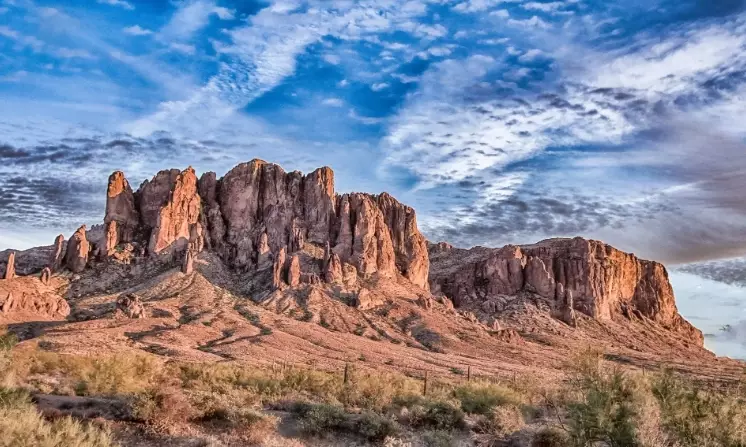
The Sun & Heat Are Your #1 Enemy
I have to admit, the first time I hiked here in July was a mistake. A stupid, dangerous mistake. I was young and thought I was tough. I wasn't. Dehydration and heat illness creep up on you. Here's the absolute bare minimum:
- Water: A general rule is 1 liter per hour of hiking in summer. For a 3-hour hike, that's 3 liters (almost a gallon). I carry a 3-liter hydration bladder plus a spare liter bottle. It seems like overkill until you need it.
- Electrolytes: Sweating out salt is a real problem. Drink electrolyte mixes (Liquid IV, Nuun) or snack on salty foods. Just chugging water can lead to hyponatremia, which is also bad.
- Start Early: Hit the trail at or before sunrise in the hot months. You want to be heading down by 10 AM at the latest.
- Sun Protection: Wide-brimmed hat, long-sleeve sun shirt (they're lightweight, I promise), sunglasses, and sunscreen on any exposed skin. Reapply sunscreen.
Navigation: Don't Rely on Your Phone Alone
Cell service is spotty to non-existent on most Tonto National Forest Arizona hiking trails. I've watched people get turned around on the Peralta trail because they missed one cairn. Download offline maps on an app like Gaia GPS or AllTrails+ before you leave home. Even better, carry a paper map and compass and know how to use them. The USGS topo maps are gold.
Critters & Plants
You're in their house. Rattlesnakes are common but shy. Just watch where you step and put your hands. Give them space. Scorpions hide under rocks. Don't turn over rocks with your bare hands. Javelina (wild pig-like animals) can be aggressive, especially if they have young. Give them a wide berth. And the plants fight back – cholla cactus jumps (it doesn't, but the segments detach so easily it feels like it), and catclaw acacia will rip your clothes. Wear sturdy pants if you're going off-trail.
Always, always let someone know where you're going and when you expect to be back. File a trip plan. The National Weather Service page for the region is also your best friend for checking not just temperature, but wind and flash flood risk.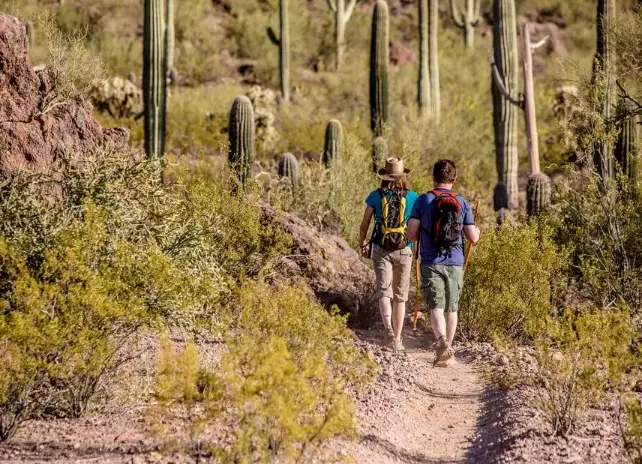
When to Go: A Seasonal Breakdown for Tonto Hiking
Your experience will be 100% different depending on the month. Let's break it down.
Fall (October-November): This might be the sweet spot. The brutal heat is breaking, but it's not yet cold. Days are pleasant, nights are crisp. Perfect for all-day adventures. A great time for any Tonto National Forest hiking.
Winter (December-February): Don't be fooled – it can get cold, especially at higher elevations and at night. Daytime highs in the 50s and 60s are common in the low desert, which is fantastic hiking weather. But you need layers. The Superstitions can even see a dusting of snow, which is surreal and beautiful. Trailheads are less crowded.
Spring (March-May): This is the famous wildflower season. The desert explodes in color if the winter rains were good. It's also the most popular time. Expect crowds on the famous trails. Temperatures start to climb in May. This is prime time for photography and for seeing the desert come alive.
Summer (June-September): This is the hard no for low-elevation hikes (like most of the Superstitions). It's dangerously hot. However, if you go up to the Mogollon Rim area of the Tonto (places like the Highline Trail), you'll find forests and temperatures 20-30 degrees cooler. That's your summer Tonto National Forest hiking escape valve. Otherwise, stick to very short, very early riparian hikes if you must.
Gear Specifically for Tonto National Forest Arizona Hiking
Beyond the usual hiking gear, here are a few things I never leave my car without for a day in Tonto:
- Trail Gaiters: Low, ankle-high gaiters keep rocks, sand, and—most importantly—cactus spines out of your shoes. A game-changer.
- Multi-Tool with Pliers: For gently removing cholla segments from your leg (or your dog's paw) without using your fingers. Trust me.
- Emergency Bivvy/Space Blanket: Compact, lightweight insurance if you get stuck out overnight. Hypothermia can happen even in the desert when the sun goes down.
- Headlamp: Even on a day hike. If you twist an ankle and your hike out takes longer, you don't want to be navigating rocky trails in the dark.
- Durable, Thick-Soled Shoes: The trails are rocky and sharp. Thin-soled running shoes will leave your feet bruised. I prefer sturdy hiking boots or trail runners with a rock plate.
Your Tonto National Forest Hiking Questions, Answered
I get asked these all the time by friends planning their first trip.
Wrapping It Up: Making Your Hike a Success
Planning your Tonto National Forest Arizona hiking trip doesn't have to be stressful. It boils down to a few key things: pick the right trail for the season, get your permits sorted early, over-prepare with water and sun protection, and have a solid navigation plan. Respect the desert's power, and it will show you an incredible landscape you can't find anywhere else.
The memories you'll make—standing on the Flatiron at sunrise, finding a hidden petroglyph, watching a canyon wren flit between the cliffs—are worth every bit of the preparation. It's a place that gets under your skin. Just go prepared, so all you have to worry about is soaking it all in.
A final note: Conditions, regulations, and trail statuses change. The information here is a detailed guide based on extensive personal experience, but it's your responsibility to verify details like permit requirements and fire restrictions immediately before your trip with the official sources linked throughout this article. Have fun, be safe, and leave no trace.
Reader Comments