Most people driving through Northern Arizona are laser-focused on the Grand Canyon. They blast right past the turnoffs, missing one of the state's most stunning secrets: the Little Colorado River. This isn't just a smaller version of its famous cousin. It's a world of its own—where the water shifts from muddy brown to a surreal, milky turquoise as it carves through deep sandstone gorges. Camping here feels different. It's quieter, more raw, and connects you to a landscape that feels ancient. Forget crowded campgrounds with numbered pads. This is about finding your own slice of silence under a blanket of stars, with the river's whisper as your soundtrack.
Your Quick Jump to Adventure
The Best Campgrounds & Dispersed Sites Near the Little Colorado River
You won't find a KOA on the banks of the Little Colorado. Your options range from established, minimal-fee forest service sites to true dispersed camping where you pick your own spot. The vibe changes completely depending on which stretch of the river you target.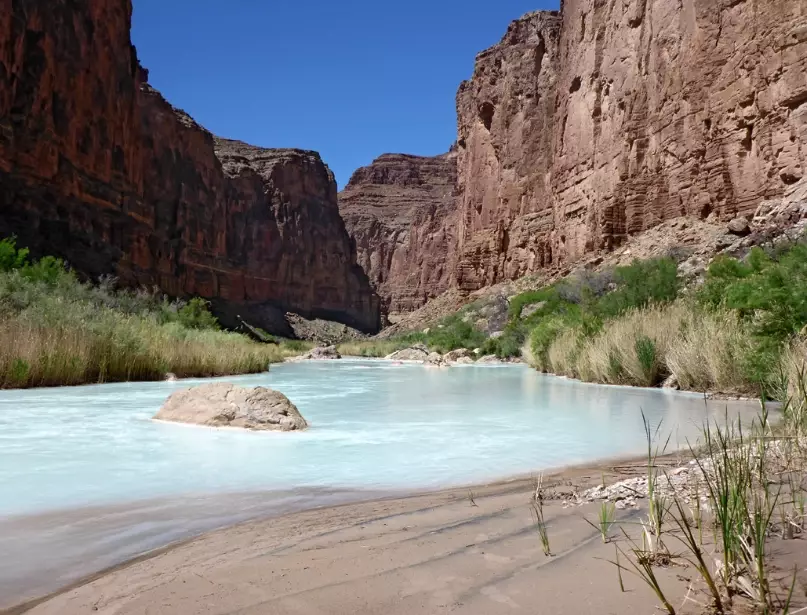
Established Campgrounds (For a Bit More Comfort)
These spots offer basic amenities like vault toilets and sometimes picnic tables. They're perfect if you're new to desert camping or want a guaranteed spot without much scouting.
| Campground Name | Location & Address | Key Features & Notes | Cost & Reservations |
|---|---|---|---|
| Little Colorado River Tribal Park | Indian Route 6910, Cameron, AZ 86020 (On the Navajo Nation) | This is the iconic overlook where the turquoise river meets the gorge. Important: Overnight camping is NOT allowed at the park itself. However, it's the central landmark for the area. The nearby town of Cameron has a basic RV park if you need hookups. | Day-use fee required. Check the Navajo Nation Parks website for current rates. |
| Cameron Campground & RV Park | US-89, Cameron, AZ 86020 | A convenient basecamp with full RV hookups, showers, and a small store. It's not "on" the river, but it's the closest full-service option to the Little Colorado River Gorge overlook. Good for stocking up and cleaning up. | ~$40-$50/night for RV sites. First-come, first-served or call ahead. |
| Forest Road 70 Dispersed Area | Off Hwy 87, near Winslow, AZ (Coconino National Forest) | This is where the magic happens for tent campers. Not a formal campground, but a network of forest roads (FR 70, 75) leading to the river's edge upstream, near the confluence with the larger Colorado. You'll find dozens of pull-offs and clearings. | Free. No facilities. Must follow Leave No Trace principles. A Coconino NF Motor Vehicle Use Map is essential. |
The Real Deal: Dispersed Camping on Forest Land
This is what most seasoned campers come for. The Coconino National Forest allows dispersed camping along many of its roads, provided you're at least 200 feet from any water source and not blocking gates. My go-to strategy? Drive down Forest Road 70 until you find a spur road that looks less traveled. I once found a spot perched on a small bluff, a 2-minute walk from a quiet bend in the river. Not another soul in sight. The freedom is incredible, but it comes with zero amenities. You bring everything in, and you pack everything out.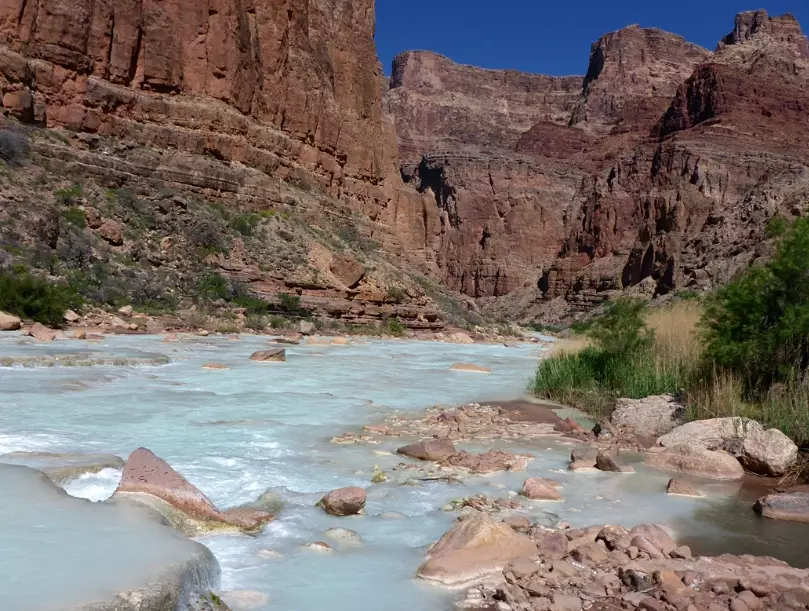
A Local's Tip: The Phone Signal Mirage
Don't trust your phone's signal indicator at the Cameron overlook. You might have two bars. Drive 10 minutes down a forest road towards the river, and it will vanish. Every single time. I've watched countless people realize too late that their detailed Google Maps pin is now useless. Download offline maps (Gaia GPS or OnX are better for forest roads) and tell someone your exact planned route before you leave pavement.
How to Plan Your Little Colorado River Camping Trip
A successful trip here isn't spontaneous. The desert demands respect. Here's a realistic 3-day itinerary that balances exploration with adequate setup time.
Day 1: Arrival & Basecamp Setup. Aim to arrive by mid-afternoon. If you're camping dispersed, this gives you plenty of daylight to find a good spot and set up. Your first task is setting up shelter and getting water situated. Spend the evening cooking a simple meal and just listening. The shift from day to night in the desert is a show in itself.
Day 2: River & Gorge Exploration. Morning is for hiking. Don't just stare at the gorge from the Tribal Park overlook (though you should definitely go there). Look for informal, careful scrambles along the rim away from the official viewing area—the views upriver are often more dramatic. Warning: Hiking down into the gorge itself is extremely dangerous and often prohibited due to unstable cliffs and flash flood risk. Respect the signs. In the afternoon, drive the forest roads slowly. Look for wildlife—we've seen coyotes, jackrabbits, and countless birds.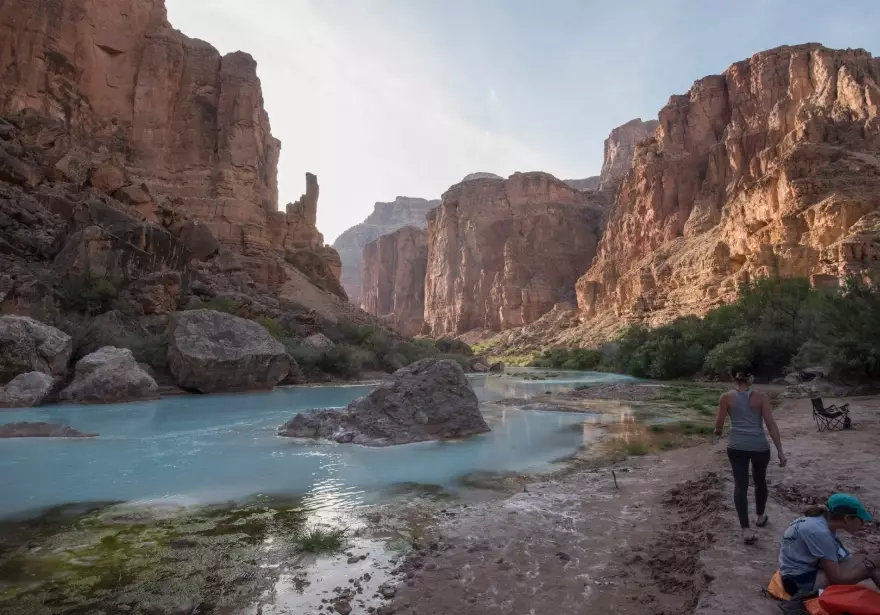
Day 3: Cultural Stop & Departure. On your way out, stop at the Cameron Trading Post. It's not just a tourist shop. The historic stone building, the gallery of Native American art, and a solid breakfast in their restaurant make for a perfect transition back to civilization. It puts the landscape you've just experienced into a deeper cultural context.
What to Pack: The Non-Negotiables
Forgetting sunscreen at the beach is annoying. Forgetting water in the Arizona desert is an emergency. This list is curated from mistakes I've made or seen others make.
- Water, Times Three: Bring all the drinking water you think you'll need. Then double it. Plan for at least 1 gallon per person, per day. Include extra for cooking and cleaning. A 5-gallon jug with a spigot is a game-changer for basecamp.
- Navigation That Works Offline: A physical map (the National Forest map) and a GPS app with pre-downloaded topo maps. Your car's built-in nav will fail.
- Sun & Wind Defense: A wide-brimmed hat, sunglasses, high-SPF sunscreen, and a lightweight long-sleeve shirt are mandatory. The wind can whip up suddenly, so secure your tent with extra stakes.
- Temperature Management: Your sleeping bag should be rated for at least 10°F colder than the forecast low. Summer days hit 95°F+, but nights can drop into the 50s. Spring and fall nights are cold. Pack layers.
- A Sturdy Cooler & Food Strategy: A high-quality cooler is your refrigerator. Pre-chill it for 24 hours. Freeze your meat and some water bottles. Plan no-cook meals (wraps, salads) for one day to conserve ice and effort.
- Waste Solution: Bring heavy-duty trash bags and a dedicated container. For human waste, if there's no toilet, you need a portable toilet system or wag bags. Digging catholes is often not recommended in this arid, fragile soil.
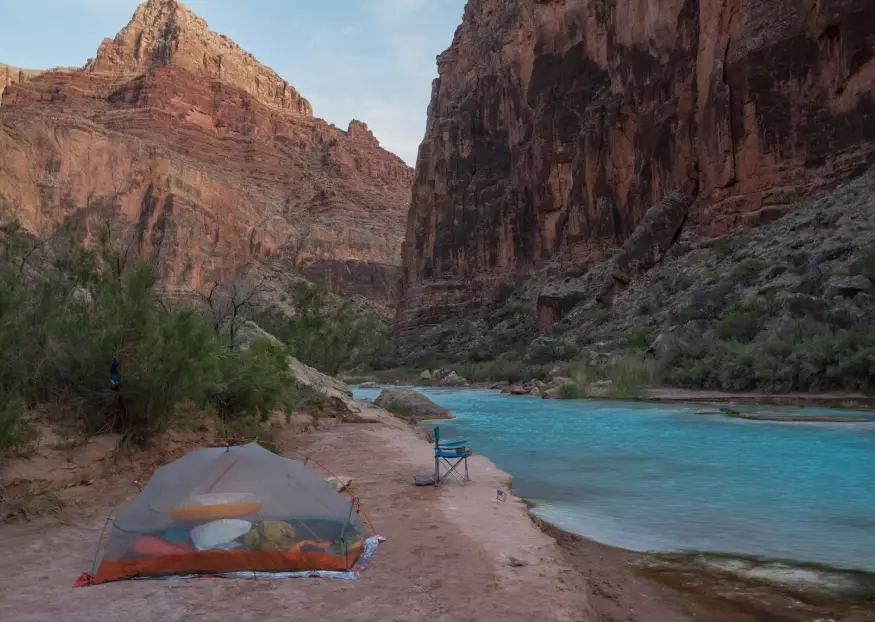
Staying Safe on the River and in the Desert
This landscape is breathtaking but unforgiving. A few critical safety points most blogs gloss over:
Flash Floods Are Real and Fast. That beautiful, calm river can become a raging brown wall of water in minutes from a storm miles away. Never camp in a dry wash or riverbed. Check the weather not just for your location, but for the entire watershed upstream. If you see the water level rise or hear a roaring sound, get to high ground immediately.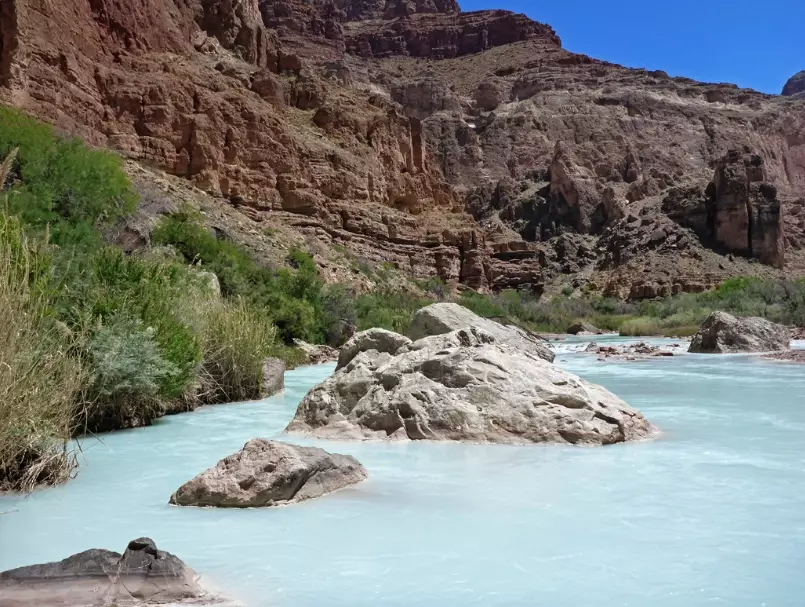
The Water is Not for Drinking. The stunning turquoise color comes from suspended calcium carbonate. It's essentially liquid limestone. Drinking it untreated will cause severe gastrointestinal distress. Always filter and purify water from the river, but better yet, bring all your own.
Vehicle Preparedness is Key. Many access roads are dirt, gravel, or sand. After rain, they turn to slick clay. Have a full-size spare tire, a tire repair kit, and know how to use them. Let some air out of your tires for sandy sections. Getting a 2WD car stuck out here means a very expensive and long tow.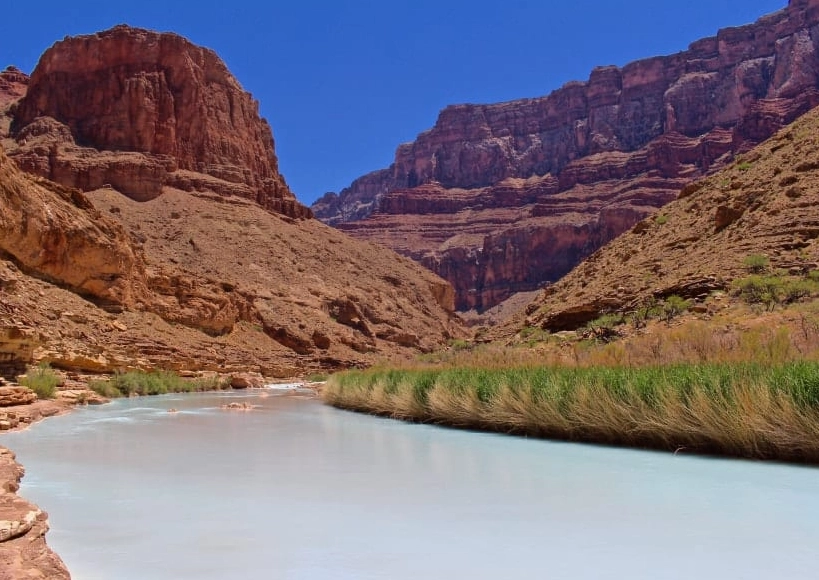
Your Camping Questions, Answered
Is it safe to camp alone near the Little Colorado River?
It can be, with extreme preparation. The main risks are environmental, not criminal. If you're experienced in remote desert camping, go for it. But you must be 100% self-sufficient and have a reliable satellite communicator (like a Garmin inReach) to call for help if your vehicle breaks down or you get injured. For your first trip, I strongly recommend going with at least one other person.
What's the biggest mistake first-time visitors make?
Underestimating the distance and road conditions. They see the river on a map, think "it's close," and plan to arrive at sunset. The last 10 miles on forest road can take 45 minutes. Arriving in the dark while trying to find a dispersed site is stressful and dangerous. Always plan to arrive with at least 3 hours of daylight left.
Can I have a campfire?
This depends entirely on current restrictions. During much of the summer and periods of high wind, the Coconino National Forest issues Stage 1 or Stage 2 fire bans, prohibiting all campfires and often even stoves. Always, always check the official Coconino NF Alerts page right before you go. Assume a ban is in place until proven otherwise. Bring a propane fire pit if you must have flames—they're often still allowed during Stage 1 bans.
Are there any good swimming holes?
The water is often too cold and the current too strong for safe swimming in most areas. The mineral content can also irritate skin. However, in some of the wider, slower sections upstream (accessed via FR 70), you might find shallow, calm edges suitable for wading on a hot day. Never dive in. The depth and what's underneath are completely unknown.
How do I respect the Navajo Nation land?
A huge portion of the land around the Little Colorado River Gorge is within the Navajo Nation. The Tribal Park is a sacred place. Stay on marked paths at overlooks. Do not climb on rocks or structures. Do not remove anything—not a rock, not a piece of pottery (which is illegal everywhere). Camp only where explicitly allowed (like designated campgrounds). When in doubt, ask. Stopping at the Cameron Trading Post to learn and purchase directly from Native artists is a great way to support the local community.
Camping along the Little Colorado River strips away the noise. There's no Wi-Fi password to ask for, no light pollution drowning out the Milky Way. It's just you, the rustle of cottonwood leaves, and a river that's been carving this stone for millennia. It requires more work than a standard campground, but that's the point. The reward is a sense of place and solitude that's getting harder to find. Pack carefully, plan thoroughly, and go see that turquoise water for yourself.
Reader Comments