You're staring at a carpet of orange, purple, and yellow. The desert, often seen as monochrome, is screaming with color. Is that a poppy or a globe mallow? You pull out your phone, but the generic plant app seems confused. I've been there. After a decade of hiking Arizona's trails and leading wildflower walks, I've learned that identifying Arizona wildflowers isn't just about matching a picture. It's about understanding the desert's rhythm. This guide will cut through the noise and give you the practical knowledge to not only name those flowers but to predict where and when to find them.
What's Inside This Guide?
Understanding Arizona's Wildflower Seasons
Forget a single "spring" bloom. Arizona's show is a rolling wave dictated by two things: winter rain and elevation. Get this wrong, and you'll see more cactus than color.
The magic starts with rain. A good, gentle soak between December and March is the ticket. A hard, quick downpour just runs off. We need the soil to absorb it. Then, the sun warms the ground, and the seeds wake up.
Now, here's the elevation map. The bloom moves uphill.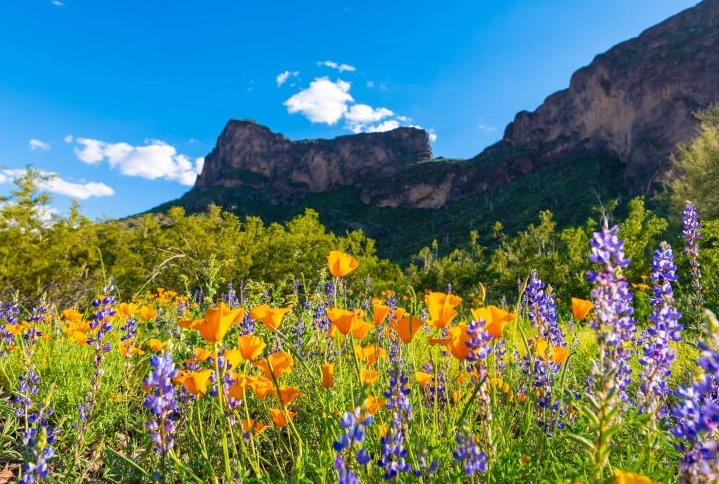
The Low Desert Bloom (Below 2,500 feet)
Think Phoenix, Tucson, Organ Pipe. This is the first act, usually from mid-February to late March. It's fleeting. One hot week in April can toast the entire display. Flowers here are tough, low-growing, and often brilliant: Mexican goldpoppies, lupines, and chia.
The Mid-Elevation Spectacle (2,500 to 5,000 feet)
This is the sweet spot for reliability. Areas like the Superstition Mountains, Sedona, and the roads toward Flagstaff. Bloom time stretches from late March through May. The variety explodes here. You'll see the iconic Arizona poppy (a different, paler orange than the California one), penstemons in shades of pink and purple, and wild heliotrope.
The High Country Show (5,000+ feet)
Flagstaff, the White Mountains, and the North Rim of the Grand Canyon. Summer is the season here. Blooms peak from July through August, after the monsoon rains begin. It's a completely different cast: columbines, sunflowers, and towering fireweed. If you miss the spring down south, head up.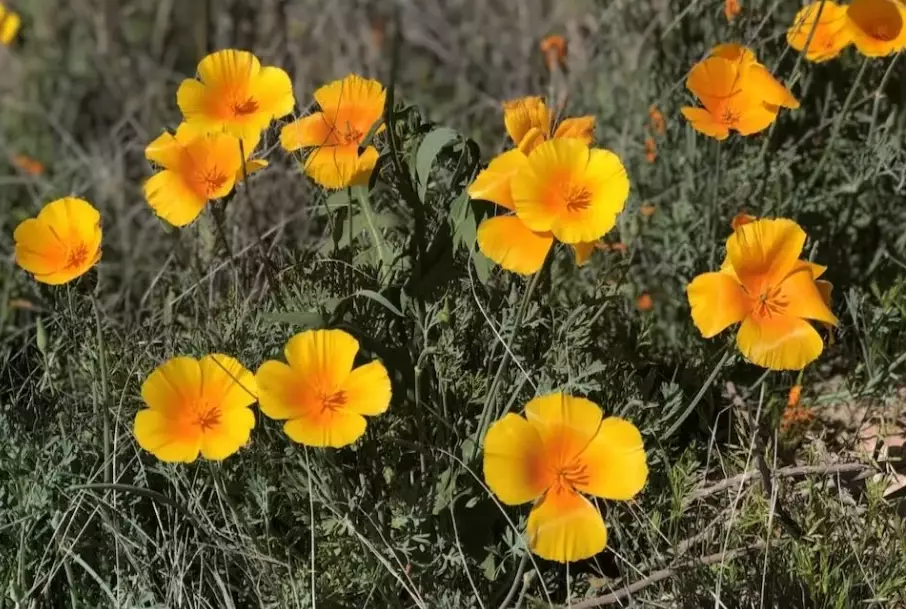
Top Regions for Wildflower Viewing
Location is everything. These aren't just pretty spots; they're consistent performers based on soil, aspect, and moisture.
1. The Superstition Wilderness (Near Phoenix)
Perdido Canyon and the First Water Trailhead area are legendary after a wet winter. You get a dramatic mix of saguaros blanketed in goldpoppies. It's easily accessible, which means crowds on weekends. Go on a weekday morning. The Lost Dutchman State Park charges a $10 per vehicle entry fee and is a fantastic, managed starting point.
2. The Sedona & Verde Valley Area
The red rocks draped in green and purple are a photographer's dream. The Bell Rock Pathway and the road up Oak Creek Canyon (State Route 89A) are reliable corridors. Elevation changes mean a longer bloom season. Stop at the Red Rock Ranger District visitor center for recent reports.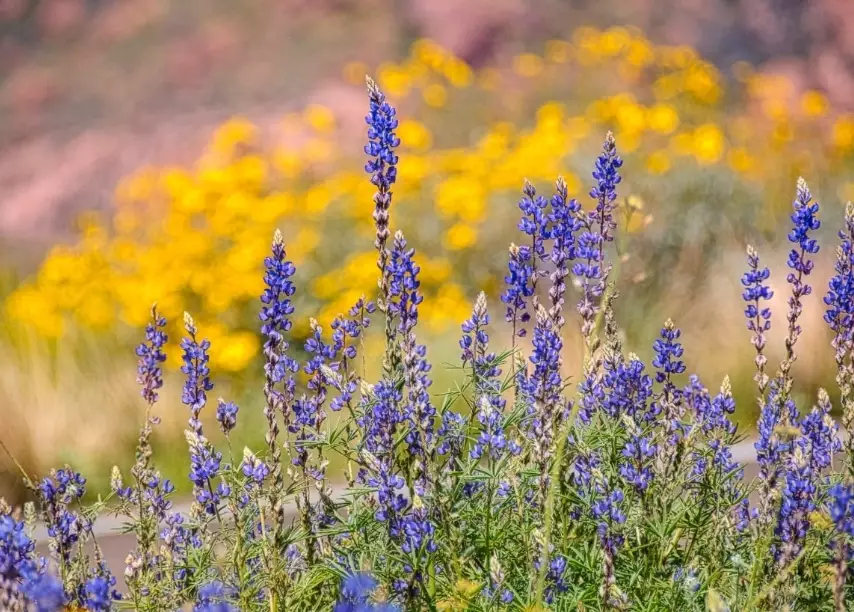
3. The Sonoran Desert National Monument (Southwest of Phoenix)
For a more remote, untouched feel. The Maricopa Road area can have staggering displays of poppies and lupines. It's Bureau of Land Management (BLM) land, so no facilities. Bring all your own water, have a full tank of gas, and a good spare tire. The roads are dirt and can get rough.
4. The Chiricahua Mountains (Southeastern Arizona)
This is a biodiversity hotspot. The bloom here is incredibly rich and lasts into early summer. It's a longer drive (from Tucson, plan for 2 hours), but you're rewarded with species you won't see elsewhere, like the stunning Arizona rainbow cactus flower. Check road conditions, as some forest roads may be closed.
Practical Wildflower Identification Tips
Put the phone down for a second. I see people just snapping a photo and moving on. You learn nothing. Start with your eyes.
Look at the leaves first. Seriously. The flower might be dazzling, but leaves are more consistent. Are they fuzzy? Waxy? Shaped like a fern? Are they all at the base (basal rosette) or climbing up the stem? A hairy, lobed leaf often points you toward a poppy. A clover-like leaf is a dead giveaway for some lupines.
Note the plant's posture. Is it a tall, single stalk? A sprawling mat on the ground? A bushy shrub? Habitat is key too. Is it growing in rocky, dry soil right in the open, or tucked in a shady wash? A flower in a wet creek bed is almost never the same species as one on a sun-baked slope.
Now, use tech smartly. The iNaturalist app is my top tool. It's not perfect, but its AI suggestions, combined with the community of real people who can confirm your observation, are invaluable. Take clear photos of the flower from the side, the leaves, and the whole plant. Don't just photograph the top of the bloom.
Carry a simple, region-specific guide. "Arizona Wildflowers" by Richard Spellenberg is a compact, excellent resource. It's organized by color, which is how most beginners think.
The biggest mistake I see? Calling every bright orange flower a "poppy." In Arizona, you have the California poppy (Eschscholzia californica), the Arizona poppy (Kallstroemia grandiflora—which isn't a true poppy at all), and the Mexican goldpoppy (Eschscholzia mexicana). They're different. Look at the leaves. California/Arizona poppies have fine, fern-like leaves. The true Mexican goldpoppy has bluish-green, more fleshy leaves divided into narrow segments.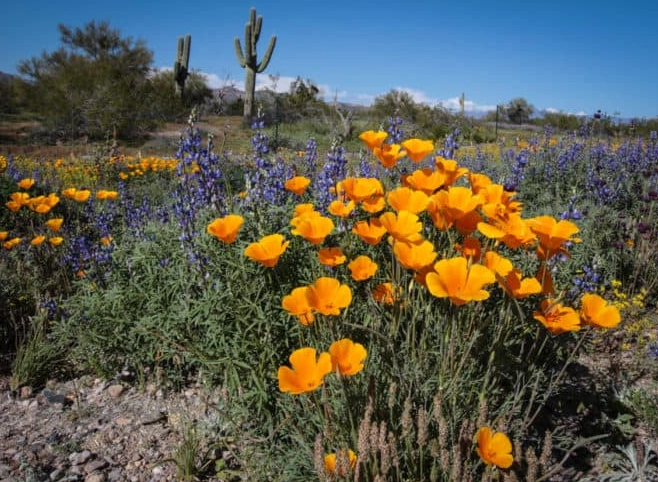
Photography Tips & Ethical Viewing
We all want that epic shot. But that shot shouldn't cost the flowers their life.
Stay on Trails and in Wash Beds. Those compact soils and delicate biological crusts (cryptobiotic soil) take decades to form and are destroyed in a single footstep. Crushing plants means no seeds for next year. I've seen beautiful meadows trampled into mud by photographers chasing the perfect angle. Don't be that person.
Photography-wise, get low. A shot from ground level is almost always more compelling than one from standing height. Use a small aperture (like f/11 or higher) to get more of the flower carpet in focus. Early morning or late afternoon light adds warmth and dimension, avoiding the harsh midday flatness.
Never pick the flowers. It's illegal on state and federal land, and it's selfish. Let others enjoy them, and let them go to seed. The Arizona Native Plant Society has clear guidelines on ethical enjoyment.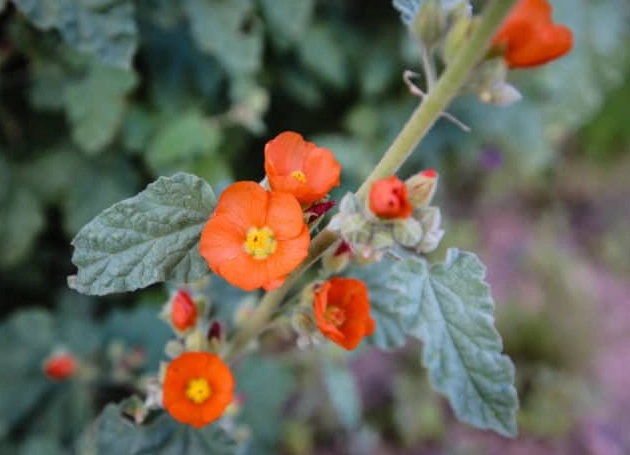
Common Arizona Wildflowers at a Glance
Here’s a quick reference table for some of the stars of the show. This focuses on key, distinguishing features beyond just color.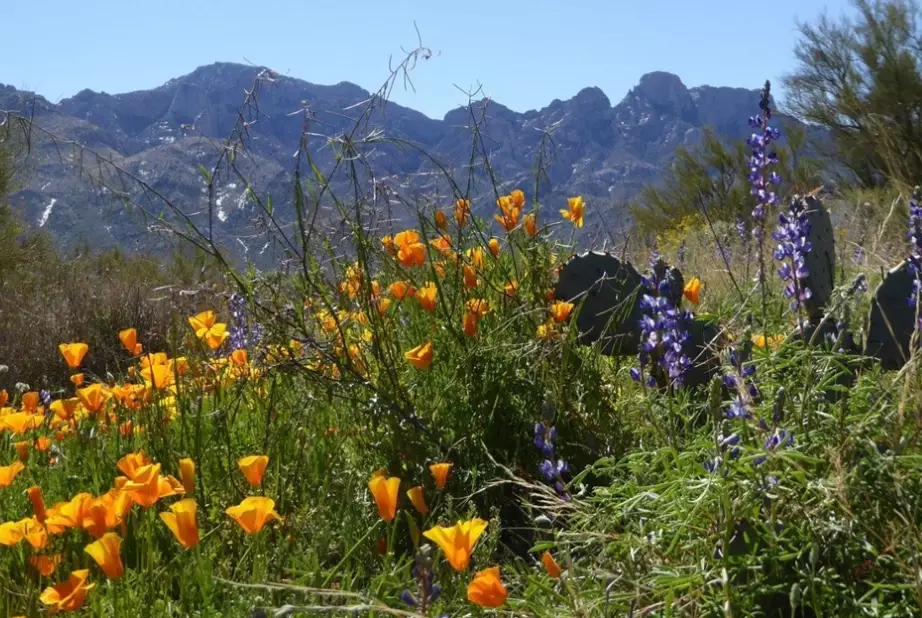
| Common Name | Scientific Name | Primary Color | Key Identifying Features | Typical Bloom Time & Habitat |
|---|---|---|---|---|
| Mexican Goldpoppy | Eschscholzia mexicana | Bright Orange | Bluish-green, finely divided leaves. Four satiny petals. Forms dense carpets. | Feb-April. Low deserts, open, sandy areas. |
| Arizona Lupine | Lupinus arizonicus | Blue-Purple | Palm-shaped leaves (like a fan). Flower spike with many pea-like blossoms. | Feb-May. Often mixes with poppies on slopes. |
| Globe Mallow | Sphaeralcea ambigua | Apricot-Orange | Gray-green, fuzzy, maple-shaped leaves. Bushy perennial (comes back yearly). | March-June. Roadsides, disturbed areas. Very drought-tolerant. |
| Desert Marigold | Baileya multiradiata | Bright Yellow | Silvery-gray, woolly leaves. Long-lasting, papery daisy-like flowers on tall stalks. | Nearly year-round with moisture. Ubiquitous on roadsides. |
| Parry's Penstemon | Penstemon parryi | Shocking Pink | Tall, slender spike of tubular flowers. Basal rosette of long, slender leaves. | March-May. Rocky slopes, canyons. A hummingbird favorite. |
| Fiddleneck | Amsinckia spp. | Yellow-Orange | Distinctive coiled flower cluster that unfurls like a... fiddle's neck. Leaves are hairy. | Feb-May. Common in open fields. Seeds stick to clothing. |
Your Wildflower Questions Answered
I'm visiting in late summer. Will I see any flowers?
Absolutely, but you have to change your strategy. Forget the low desert. Head to the high country above 7,000 feet. The monsoon rains (July-Sept) trigger a lush, green bloom in mountains around Flagstaff, the White Mountains, and on the North Rim of the Grand Canyon. Look for sunflowers, fireweed, and scarlet gilia. It's a different, but equally beautiful, show.
What's the single best resource for checking bloom conditions before I go?
Rely on recent human reports, not just weather data. The Arizona State Parks website often posts wildflower updates for popular parks like Lost Dutchman. For national forest areas (Superstitions, Coconino, etc.), call the specific ranger district office. They have staff on the ground. Social media can be useful—search for location-specific hashtags like #SuperstitionWildflowers—but verify dates, as photos from a great year can circulate for ages.
How can I tell the difference between a dangerous plant and a harmless wildflower?
The main dangers are spines and thorns, not poison. Give any low-growing, spreading plant with small, oval leaves a wide berth—it might be a prickly pear cactus pad hiding in the grass. Also, avoid grabbing any plant with stiff, sharp-looking stems. Stinging nettles are rare in Arizona's dry wildflower areas but can occur near permanent water. The golden rule: look with your eyes, not your hands. No common showy wildflower in Arizona is toxic to touch.
My plant app gives me three different IDs for one flower. Which is right?
This is why context matters. Cross-reference the app's suggestions with the habitat and leaf description. Is one suggestion for a plant that only grows in wetlands, but you're on a dry slope? Eliminate it. Then, use a resource like the SEINet network, which is a consortium of herbaria, to see distribution maps for the remaining options. Often, the correct ID is the one whose documented range includes the exact county you're in. It's detective work.
Is it worth going on a guided wildflower walk?
For your first serious outing, 100%. A good guide from a local botanical garden or conservation group (like the Desert Botanical Garden in Phoenix or the Arizona Native Plant Society) will teach you how to see. They'll point out the subtle leaf differences, explain plant adaptations, and take you to spots you'd never find on your own. It accelerates your learning curve more than any book or app alone. I still join them sometimes to learn from other experts.
Reader Comments