You've seen the photos. A ribbon of impossibly bright, milky-turquoise water cutting through the rust-colored rocks of the Grand Canyon. It looks like a tropical lagoon photoshopped into the desert. I thought it was a filter, too, until I stood on its banks myself. The color is real. The Little Colorado River really is that blue. But the reason isn't magic or digital trickery—it's a fascinating geological process happening right under your feet, involving ancient rocks, dissolved minerals, and a very specific set of conditions.
What You'll Discover Inside
The Real Reason: It's Not What You Think
Let's clear up the biggest misconception first. The vibrant blue of the Little Colorado River has almost nothing to do with the sky. It's not a simple reflection. If that were the case, every river on a sunny day would look like this. The true cause lies in the chemistry of the water itself and the unique geology of its watershed.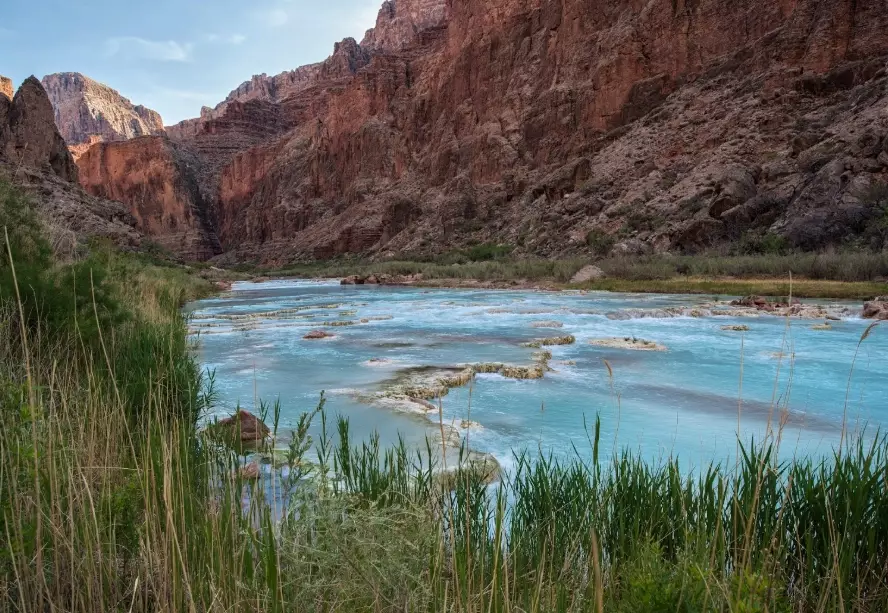
The secret ingredient is calcium carbonate. This is the same mineral that forms limestone, chalk, and travertine terraces like those at Pamukkale in Turkey or Mammoth Hot Springs in Yellowstone. The Little Colorado River drains a vast area of the Colorado Plateau rich in limestone. As groundwater percolates through these ancient seabeds, it becomes saturated with dissolved calcium carbonate.
When this super-saturated water emerges at springs and seeps into the river channel, something special happens. The water is agitated, its temperature and pressure change, and the calcium carbonate begins to precipitate out of solution as microscopic crystals. These suspended crystals are what scatter sunlight. They preferentially scatter the shorter blue wavelengths of light, while allowing some of the longer green wavelengths to pass through. The combination gives us that signature opaque, milky turquoise—scientists and locals often call it "blue chalk water."
Key Takeaway: Think Chalk, Not Sky
The blue is a physical scattering effect caused by suspended calcium carbonate particles (calcite). It's the same principle that makes skim milk look bluish-white. The more particles in the water, the more intense and opaque the color becomes.
How Minerals Paint the River Blue
The process isn't constant along the entire river. It requires specific conditions. The most vibrant blue sections are typically below major spring inputs, where the mineral-rich groundwater enters the system. One of the most significant sources is Blue Spring, located near the confluence with the main Colorado River. According to research by the U.S. Geological Survey (USGS), the water from this spring is almost entirely from ancient groundwater, carrying a massive load of dissolved minerals.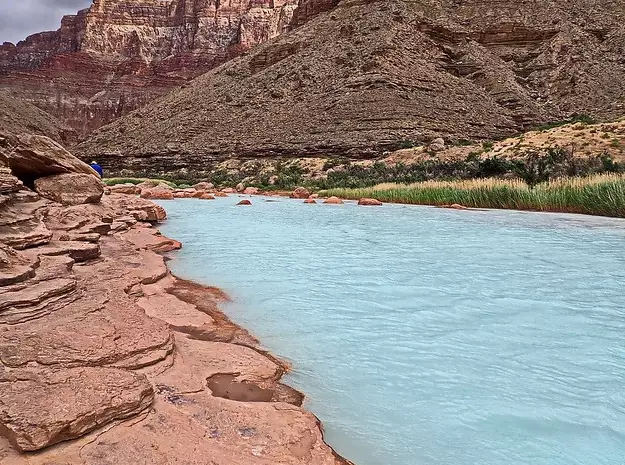
As the river flows, these microscopic calcite particles don't immediately sink. They stay suspended, creating that dreamy, opaque quality. Over time, they do settle out, coating the riverbed in a white, chalky layer of travertine. In slower sections, you can sometimes see this deposit building up on rocks, like a fresh coat of pale paint.
Here's something most casual guides don't mention: the exact hue you see depends on the particle size and concentration. Finer particles scatter more blue light, leading to a brighter, almost electric turquoise. A higher concentration of slightly larger particles can add more of a greenish tint. The mineral composition isn't pure calcium carbonate either; trace amounts of other elements like copper can subtly influence the color, though calcite is the undisputed star.
The Role of Water Flow: A Seasonal Chameleon
This is the critical factor that most visitors get wrong, leading to disappointment. The Little Colorado River's color is highly dependent on flow rate.
Low Flow (Late Summer, Fall, Winter): This is when the river is at its most stunningly blue. The flow is dominated by groundwater springs, which are rich in dissolved calcium carbonate. There's less turbulent runoff to stir up silt and clay from the riverbed. The water is clear and packed with the light-scattering particles, creating that iconic opaque turquoise.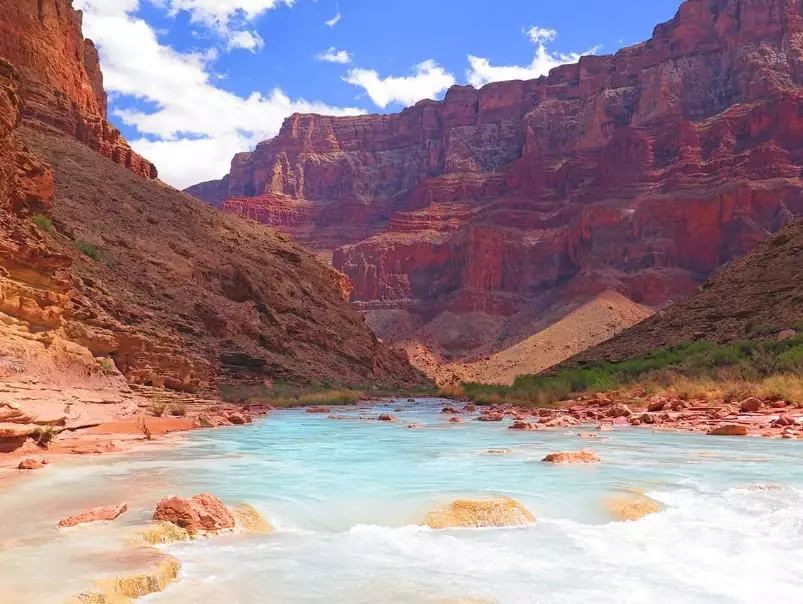
High Flow (Spring Snowmelt, Summer Monsoons): The color can vanish completely. Heavy runoff from storms or melting snow floods the river with sediment—brown silt, red clay, and sand. This muddy water overwhelms the mineral effect. The river can turn a chocolate brown or murky red, looking like any other desert wash. The calcium carbonate is still there, but you can't see its effect through the mud.
I learned this the hard way on my first visit after a spring rain. I was expecting a postcard scene and found a raging, muddy torrent instead. It was still impressive, but it wasn't blue. The river's mood swings are part of its character.
How to See the Blue River Yourself: A Realistic Guide
You can't just drive up to most of the Little Colorado River. It's deep within the Grand Canyon. Access is controlled, difficult, and requires planning. Here are your main options, from easiest to most challenging.
1. The Little Colorado River Gorge Overlook (Easiest): Located on the Navajo Nation near Cameron, Arizona, off Highway 64. This is a paved drive to a parking area with a fenced overlook. You get a distant, aerial view down into the dramatic gorge. You can often see the blue ribbon from here, especially in low-flow seasons. It's quick, requires no hiking, and is accessible to most. The downside is the distance; you're observing from hundreds of feet above.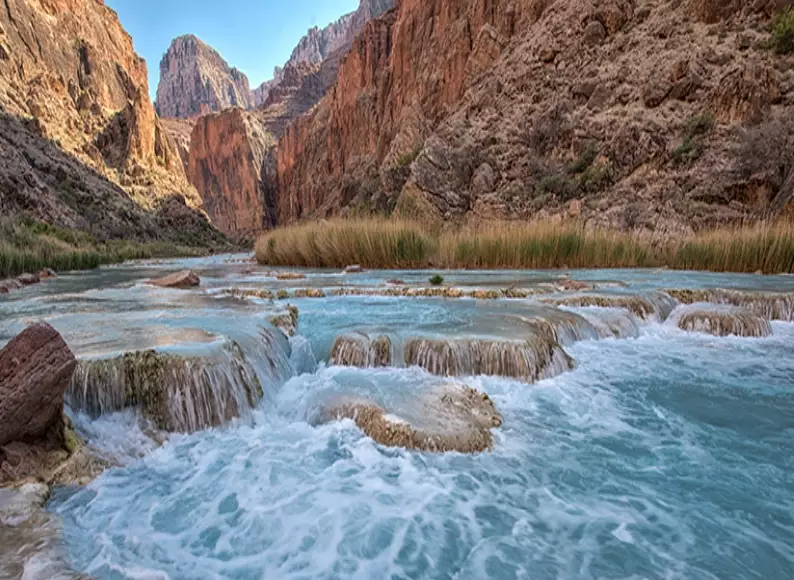
Pro Tip for the Overlook
Go in the late morning to mid-afternoon when the sun is high enough to illuminate the river deep in the canyon. Early morning or late evening shadows can hide the color. Bring binoculars for a better look.
2. As Part of a Grand Canyon Rafting Trip (The Immersive Experience): Most commercial rafting trips down the Colorado River stop at the confluence with the Little Colorado. This is how you can stand in it, swim in its pools (conditions permitting), and see the color shift from blue to green as it mixes with the main river's colder, clearer water. Trips are multi-day, expensive, and book up over a year in advance.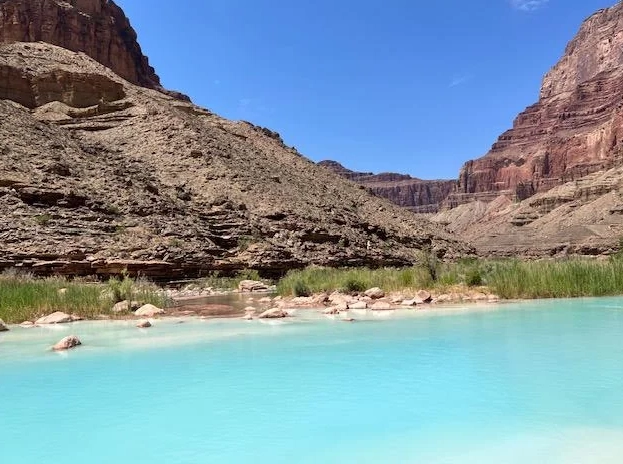
3. Hiking from the Rim (Expert-Only): Routes like the Salt Trail or other unmaintained paths descend from the Navajo Nation into the gorge. These are extremely strenuous, exposed, and potentially dangerous hikes that require expert navigation skills, permits from the Navajo Nation, and careful preparation for heat and lack of water. This is not for casual hikers. Rescue is difficult and costly.
My recommendation for the average person? The overlook provides a guaranteed, safe, and still awe-inspiring view. If you have the time and resources, a rafting trip is a life-changing way to experience it.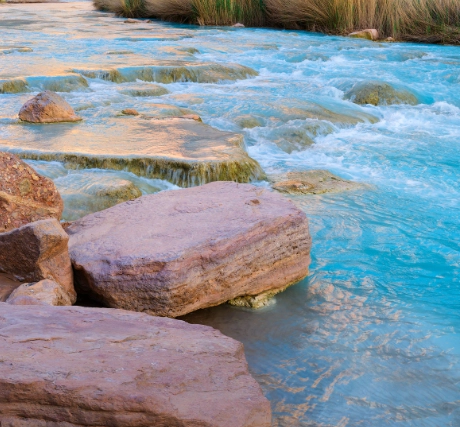
Your Questions Answered
Is the blue color of the Little Colorado River natural or polluted?
Can I swim in the Little Colorado River?
When is the absolute best time to see the brightest blue color?
Why do some photos show a much more vibrant, almost neon blue than others?
Is the main Colorado River blue too?
The Little Colorado River's blue is a fleeting masterpiece. It requires a dry season, the right geology, and pure groundwater. It reminds us that the desert isn't just brown and red—it holds pockets of surreal, liquid gemstones created by the slow work of water and stone. It's one of those places where understanding the science behind the beauty only makes the sight of it more profound. Check the conditions, plan your visit for the right season, and maybe you'll get to witness one of the Southwest's most magical natural illusions.
Reader Comments