If you're looking at a map of North America and wondering about those vast, arid regions in the west, you've come to the right place. Contrary to what many think, North America isn't just one big desert. It's home to four distinct major deserts: the Great Basin, the Mojave, the Sonoran, and the Chihuahuan. Each has its own personality, climate, and iconic sights. I've spent years hiking and driving through them, and the differences are more than just academic—they change how you plan your trip, what you pack, and what you'll see.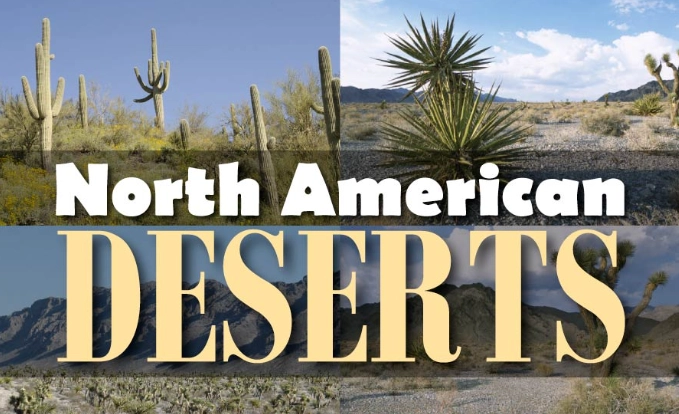
Desert Guide Navigation
- The Great Basin Desert: The Cold and High One
- The Mojave Desert: The Land of Extremes
- The Sonoran Desert: The "Lush" and Biodiverse One
- The Chihuahuan Desert: The Forgotten Giant
- How the 4 Deserts of North America Stack Up
- Planning Your Trip to One (or More) Deserts
- Your Questions About North American Deserts, Answered
The Great Basin Desert: The Cold and High One
This one breaks all the stereotypes. The Great Basin Desert is a cold desert. It covers nearly all of Nevada, western Utah, and parts of Oregon and Idaho. Forget endless sand dunes; think vast, sagebrush-covered valleys (called "basins") separated by parallel mountain ranges.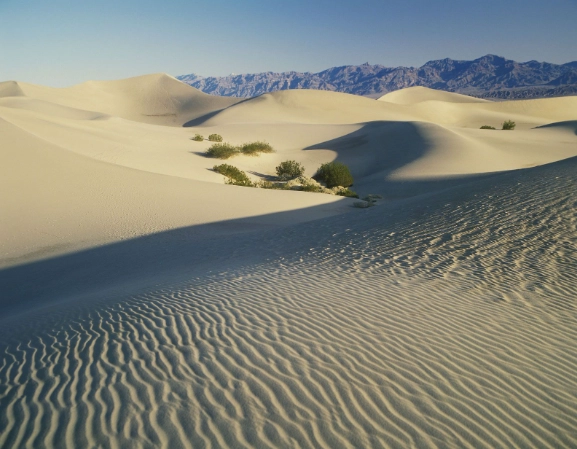
Great Basin at a Glance
Key Identifier: Sagebrush, as far as the eye can see. And juniper trees on the slopes.
Biggest Surprise: It snows here. Winter is real, with sub-freezing temperatures.
Must-See Spot: Great Basin National Park. It's not just desert; the park's centerpiece is 13,000-foot Wheeler Peak, with ancient bristlecone pine forests and the stunning Lehman Caves.
People often drive through Nevada on I-80 and think "this is boring." They're missing the point. The beauty is in the stark, empty scale and the hidden gems. The silence is profound. The night skies are some of the darkest in the lower 48, recognized by the National Park Service's Night Sky Program.
Travel Tip: Summer is the season. But even in July, pack layers. A sunny 75°F (24°C) day can turn into a 45°F (7°C) night. And the wind can whip through those basins with a bite. If you're coming from Las Vegas (Mojave Desert), the temperature drop as you climb in elevation is dramatic.
The Mojave Desert: The Land of Extremes
South of the Great Basin, and hotter. The Mojave Desert is the smallest of the four, but it packs a punch. It spans southeastern California, southern Nevada, southwestern Utah, and a bit of Arizona.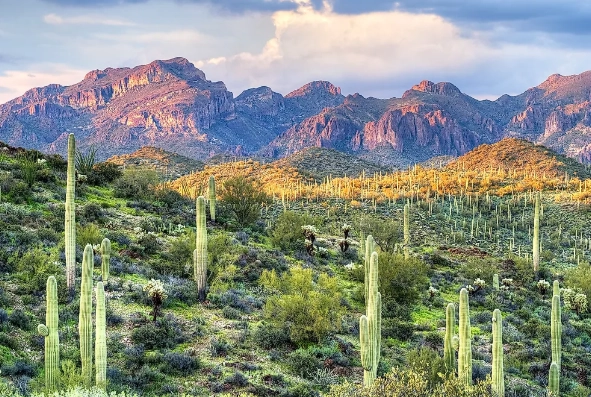
Its signature plant is the Joshua tree—a twisted, spiky yucca that looks like it's from a Dr. Seuss book. If you see Joshua trees, you're in the Mojave. The other icon? Death Valley, home to the lowest, hottest, driest points in North America.
Besides Death Valley National Park and Joshua Tree National Park, don't miss the Mojave National Preserve. It's less crowded, with massive sand dunes (Kelso Dunes), volcanic cinder cones, and the eerie beauty of the Cima Dome.
The Sonoran Desert: The "Lush" and Biodiverse One
This is the desert most people picture when they think of the American Southwest, thanks to Hollywood. The Sonoran Desert covers southern Arizona, southeastern California, the Mexican state of Sonora, and most of the Baja California peninsula.
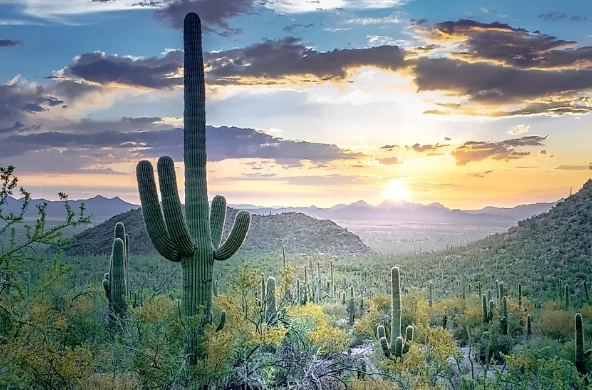
Its superstar is the saguaro cactus—the tall, armed sentinel of the West. But the Sonoran is shockingly green. It has two distinct rainy seasons (summer and winter), which supports an incredible diversity of life. You'll find more plant and animal species here than in any other North American desert.
Sonoran Hotspots
Saguaro National Park (Tucson, AZ): Split into East and West districts, this is the temple of the saguaro. The sunset silhouette views are legendary.
Organ Pipe Cactus National Monument (Southern AZ): A UNESCO Biosphere Reserve. This is the only place in the U.S. where the organ pipe cactus grows abundantly. The Ajo Mountain Drive is a stunning loop.
Phoenix & Tucson Metro Areas: These major cities are plopped right in the Sonoran Desert. The Arizona-Sonora Desert Museum in Tucson is a world-class introduction.
A unique feature here are the "sky islands"—isolated mountain ranges rising abruptly from the desert floor, like the Santa Catalinas near Tucson. Driving from desert scrub to pine forest in 45 minutes is a mind-bending experience.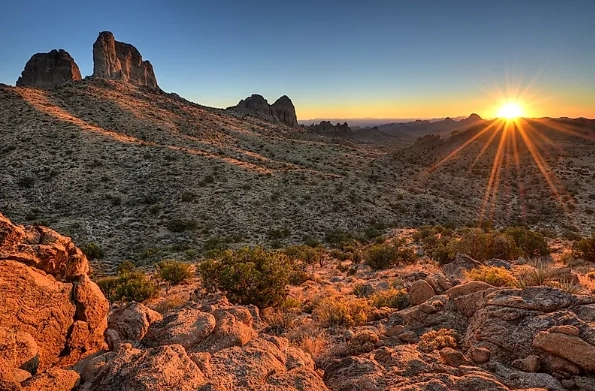
The Chihuahuan Desert: The Forgotten Giant
The least-known but largest desert in North America. The Chihuahuan Desert lies mostly in Mexico, but its northern fingers reach into parts of West Texas, southern New Mexico, and a sliver of southeastern Arizona.
It's higher in elevation than the Sonoran or Mojave, which gives it hotter summers but surprisingly cold winters. Its signature plant is the lechuguilla (a type of agave) and vast grasslands of soaptree yucca.
This desert feels remote and empty in the U.S. sections. Its crown jewels are Big Bend National Park in Texas and White Sands National Park in New Mexico. Big Bend is a masterpiece of river canyons, desert, and mountains on the Rio Grande. White Sands is exactly what it sounds like—275 square miles of glistening white gypsum sand dunes, unlike any other place on Earth.
How the 4 Deserts of North America Stack Up
Here’s a quick comparison to help you tell them apart and decide where to go.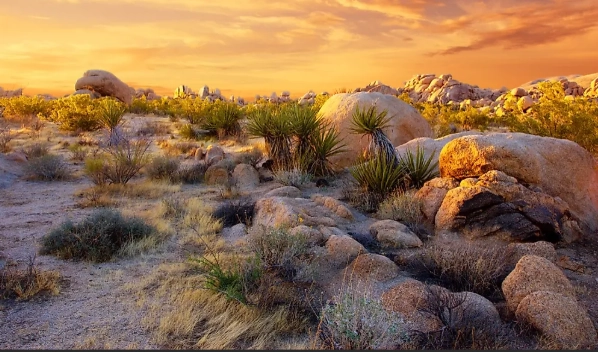
| Desert | Key States/Areas | Signature Plant | Climate Vibe | Iconic Destination |
|---|---|---|---|---|
| Great Basin | Nevada, Western Utah | Big Sagebrush | Cold Desert. Hot summers, COLD winters. Snow common. | Great Basin National Park (NV) |
| Mojave | S. California, S. Nevada, SW Utah | Joshua Tree | Hot & Dry. Extreme summer heat in low areas. | Death Valley & Joshua Tree National Parks |
| Sonoran | S. Arizona, SE California, N. Mexico | Saguaro Cactus | "Lush" & Bipolar. Two rainy seasons, very hot summer. | Saguaro National Park (AZ) |
| Chihuahuan | W. Texas, S. New Mexico, N. Mexico | Lechuguilla (Agave) | High & Dry. Hot summer, notable winter frosts. | Big Bend & White Sands National Parks |
Planning Your Trip to One (or More) Deserts
You can't just wing it. Desert travel demands respect.
When to Go (The Golden Rule)
Spring (March-May) and Fall (September-November) are universally the best times. Wildflowers (especially in the Sonoran and Mojave) can be spectacular in spring. Summer is brutal in the Mojave, Sonoran, and low Chihuahuan. Death Valley is literally one of the hottest places on Earth from June to September. Great Basin summers are pleasant, but its high-elevation attractions may be snow-free only from June to October.
The Non-Negotiable Packing List
Water. More than you think. One gallon per person, per day, in the car. Always.
Sun protection: Hat, sunglasses, SPF 50+ sunscreen, sun shirt.
Layers: Especially for the Great Basin and Chihuahuan. A puffy jacket is not overkill.
Reliable maps/GPS: Assume your cell phone will not work. Download offline maps (Google Maps, Maps.me) or carry physical ones.
Tire repair kit and jumper cables. Services are far apart.
A Sample Multi-Desert Road Trip Idea
Fly into Las Vegas (Mojave Desert).
Day 1-2: Explore Red Rock Canyon & the High Mojave. Drive to Death Valley for a night (book ahead, it's remote).
Day 3-4: Drive southeast to Joshua Tree National Park (still Mojave).
Day 5-7: Drive east to Phoenix/Tucson (entering the Sonoran Desert). Hike in Saguaro National Park.
This gives you a taste of two major deserts. Adding a third (like the Chihuahuan) requires a major drive east to Texas.
Your Questions About North American Deserts, Answered
Let's tackle some specific things travelers always ask.
Reader Comments