Let's be real, the Southwest desert isn't just one place you can pinpoint on a map. It's a massive, awe-inspiring region spread across multiple U.S. states, defined by aridity, stunning geology, and a unique blend of cultures. If you're asking "Where is the Southwest desert?", you're really asking about a collection of distinct deserts and the states they dominate. The short answer: it's primarily in Arizona, California, Nevada, Utah, New Mexico, and Texas. But that's just the starting point. To truly understand it, you need to know about the four major deserts that make up this region and how to navigate them for an unforgettable trip.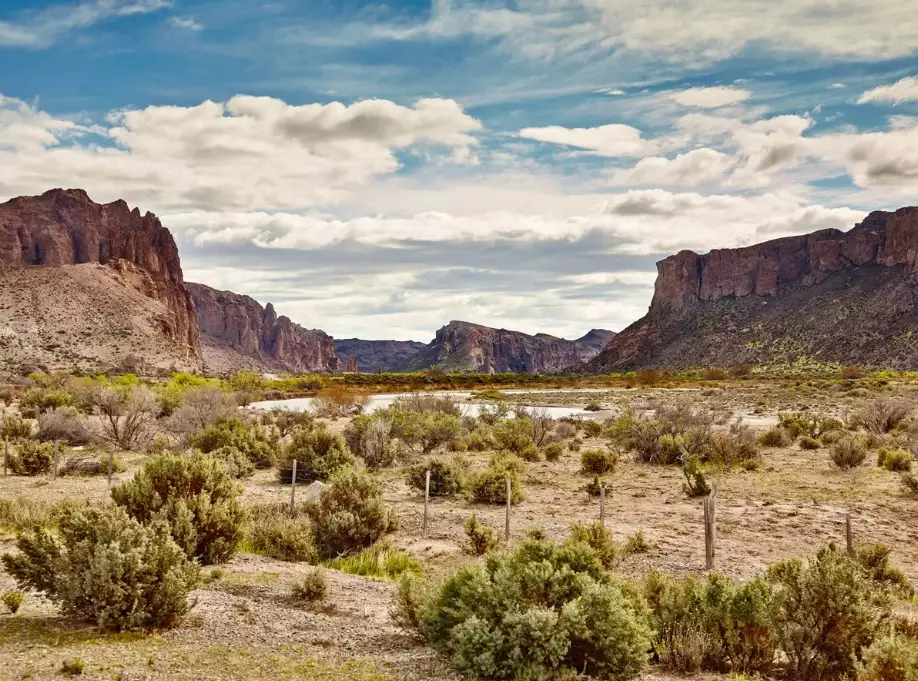
Your Quick Guide to Navigating This Article
Defining the Southwest Desert Region
Think of the American Southwest desert as a giant, sun-baked canvas stretching from the Pacific coast of California eastward into Texas. It's not governed by strict political borders but by climate and ecology. The core states are Arizona and Nevada, which are predominantly desert. Large portions of Southern California, Utah, New Mexico, and West Texas also fall within this arid zone.
I've driven across this region more times than I can count. One thing newcomers often miss is the elevation change. We're not just talking flat, sandy wastes. The desert here climbs from below sea level in Death Valley to over 7,000 feet in places like Flagstaff, Arizona, which is surrounded by desert but sits in a pine forest. That variety is what makes travel here so fascinating.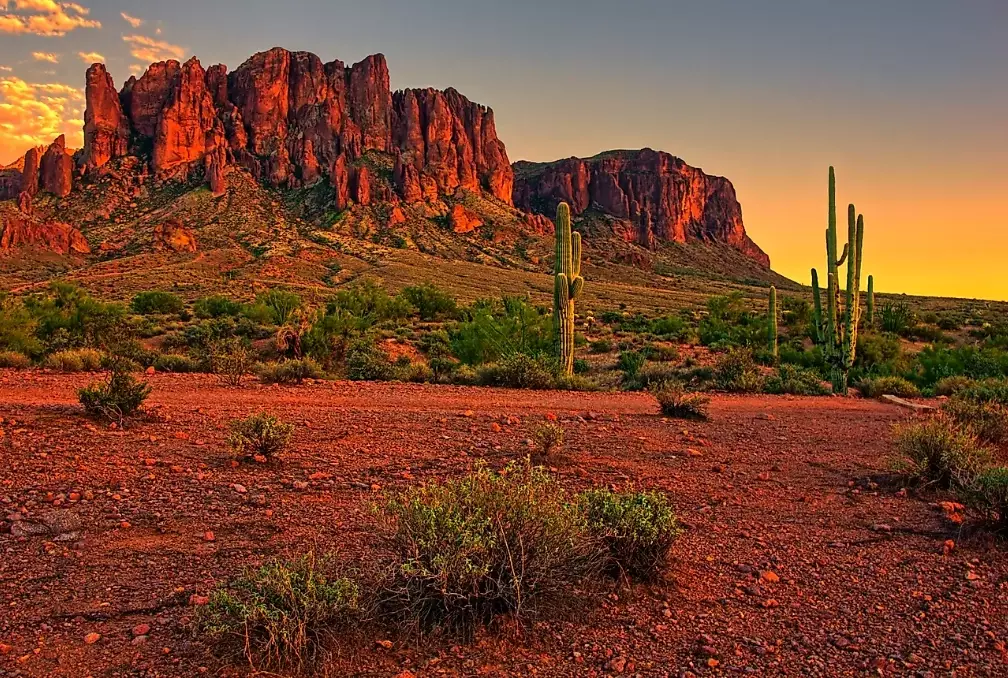
| Southwest State | Key Desert(s) Present | Major Gateway Cities | Defining Landscape Feature |
|---|---|---|---|
| Arizona | Sonoran, Mojave, Chihuahuan | Phoenix, Tucson | Saguaro cactus forests, Grand Canyon |
| California | Mojave, Colorado (Sonoran) | Las Vegas (NV), Palm Springs, San Diego | Joshua trees, Death Valley salt flats |
| Nevada | Mojave, Great Basin | Las Vegas | Vast, remote basins & mountain ranges |
| Utah | Mojave, Great Basin, Colorado Plateau | St. George, Moab | Red rock canyons & arches |
| New Mexico | Chihuahuan | Albuquerque, El Paso (TX) | High desert plains, gypsum sand dunes |
| Texas | Chihuahuan | El Paso | Big Bend's rugged mountains & river canyons |
The Four Major Deserts of the Southwest
This is the crucial breakdown most overviews gloss over. Each desert has its own personality, plants, and vibe.
The Sonoran Desert: The Lush One
This is the desert that defies stereotypes. Covering southern Arizona, southeastern California, and parts of Mexico, it's surprisingly green and biodiverse. The iconic saguaro cactus only grows here. Summers are brutally hot, but it experiences two rainy seasons. Phoenix and Tucson are its major urban centers. Driving from Phoenix to Tucson, the density of saguaros is just stunning—it looks exactly like the cartoons.
The Mojave Desert: The High & Dry One
Spanning parts of California, Nevada, Utah, and Arizona, the Mojave is higher and drier than the Sonoran. It's the domain of the twisted Joshua tree, which isn't a tree at all but a giant yucca. This desert is home to Death Valley, the hottest and lowest point in North America. I find the Mojave feels more stark and minimalist, especially in areas like the vast expanse between Las Vegas and Death Valley.
The Chihuahuan Desert: The High Plains One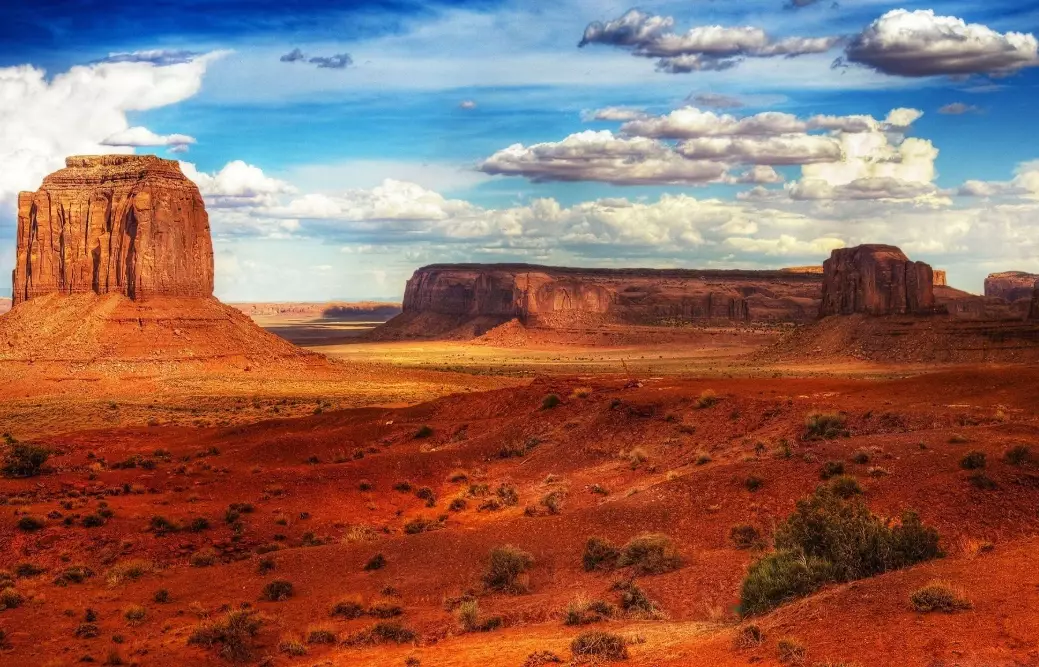
The largest desert in North America stretches from West Texas into New Mexico and deep into Mexico. It's primarily a high desert, meaning higher elevations and cooler temperatures. You won't find saguaros here. Instead, think of creosote bush, yucca, and the otherworldly white sands of New Mexico. It feels more wide-open and rugged, especially in places like Big Bend National Park.
The Great Basin Desert: The Cold One
This one's a bit of an outlier, creeping into the northeastern edges of our region in Nevada and Utah. It's a "cold desert" defined by basin and range topography—long mountain ranges separated by flat valleys. Precipitation often falls as snow. While not the classic postcard Southwest image, it contributes to the region's incredible diversity and includes places like Great Basin National Park in Nevada.
Pro Tip: Don't just say "the desert." Knowing which desert you're in helps you understand what to expect weather-wise, what plants you'll see, and even what kind of scenery will be outside your window. It turns a generic trip into a specific exploration.
Top Parks & Destinations in Each Desert
Now for the fun part—where to go. Here’s a focused list, because trying to see it all in one go is a recipe for burnout.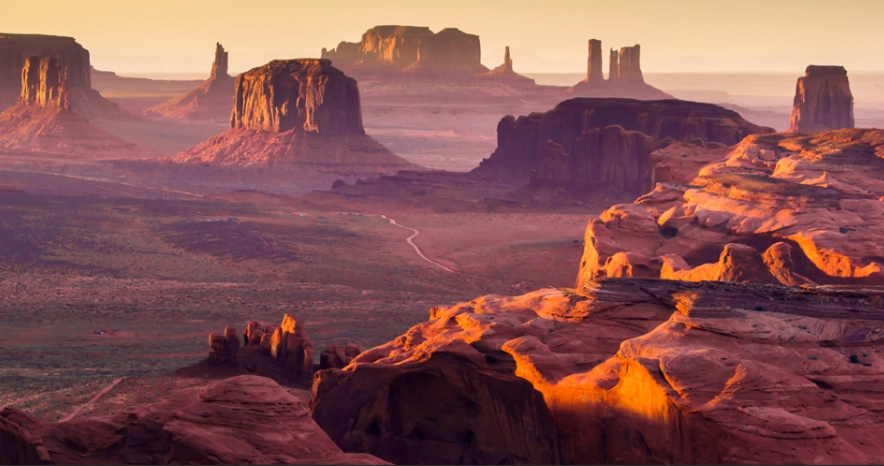
Sonoran Desert Must-Sees:
- Saguaro National Park (Arizona): Split into East and West districts near Tucson. The West (Tucson Mountain District) has a denser forest of saguaros. Entry is $25 per vehicle. The best light for photos is at sunrise or sunset. The park is open 24/7, but visitor centers have standard hours.
- Organ Pipe Cactus National Monument (Arizona): A remote UNESCO biosphere reserve on the Mexican border. It's the only place in the U.S. where the organ pipe cactus grows extensively. It feels wild and untouched compared to more popular parks.
Mojave Desert Must-Sees:
- Death Valley National Park (California/Nevada): The ultimate desert experience. Must-stops include Badwater Basin (lowest point), Zabriskie Point, and Mesquite Flat Sand Dunes. The $30 vehicle pass is valid for 7 days. Warning: Summer temps regularly exceed 120°F (49°C). Visit from November to March. Gas up before entering; stations inside are far apart and expensive.
- Joshua Tree National Park (California): Where the Mojave and Sonoran deserts meet. The famous Joshua trees are in the higher Mojave section. Rock climbing and bouldering are huge here. The park gets unbearably crowded on spring weekends—aim for a weekday.
Chihuahuan Desert Must-Sees:
- Big Bend National Park (Texas): Hugely remote and spectacular. It encompasses the entire Chihuahuan Desert ecosystem along a giant bend in the Rio Grande. You need multiple days here. The nearest sizable town is Alpine, TX, over an hour away. Plan your lodging and gas meticulously.
- White Sands National Park (New Mexico): Waves of gleaming gypsum sand dunes. It's surreal. Sled down the dunes, hike, or join a sunset stroll. The park often closes temporarily for missile tests at the adjacent White Sands Missile Range—always check alerts on the National Park Service website before driving out.
Planning Your Southwest Desert Trip
This isn't a casual beach vacation. A little planning prevents a lot of suffering.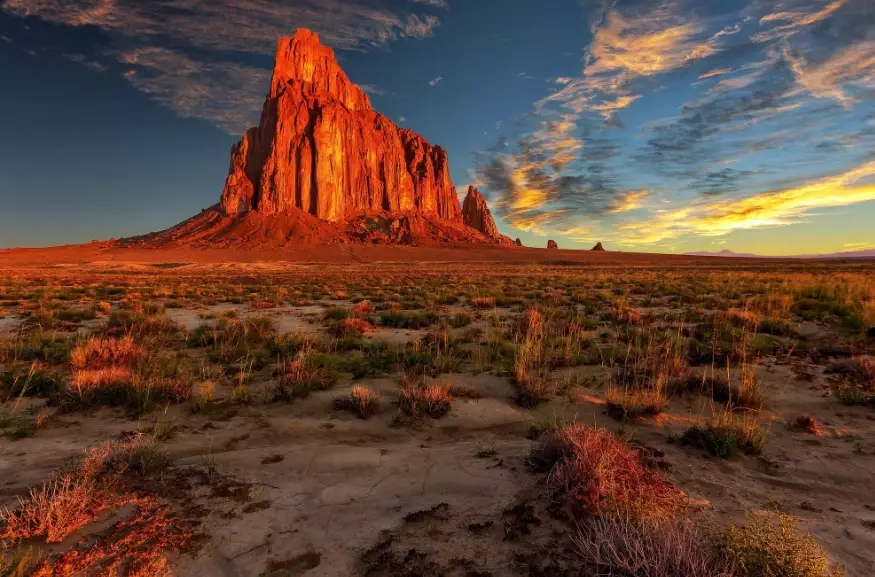
When to Go: The sweet spot is October to April. Spring (March-May) offers wildflowers but also crowds. Fall (Oct-Nov) is usually perfect. Summer is for masochists or very careful, pre-dawn adventurers in specific high-elevation spots.
How to Get Around: You need a car. Full stop. Public transport is virtually non-existent for accessing these landscapes. Rent something reliable. Distances are vast—a 200-mile drive between attractions is normal. Download offline maps (Google Maps, Maps.me) because cell service disappears constantly.
Where to Stay: Options range from major chain hotels in gateway cities (Phoenix, Las Vegas, El Paso) to quirky motels in small towns (Twentynine Palms near Joshua Tree, Terlingua near Big Bend), to developed campgrounds and backcountry sites. Book everything well in advance for spring and fall.
The Non-Negotiable Packing List: This is where most first-timers fail. You need: More water than you think. One gallon per person, per day, in the car. Sun protection: Wide-brimmed hat, UV-blocking sunglasses, and mineral sunscreen (it's better for the delicate desert environment). Layers: Desert temperatures can swing 40+ degrees from day to night. A warm jacket is essential. Navigation & Safety: Physical map or offline GPS, a basic first-aid kit, a flashlight/headlamp, and a power bank for your phone.
Expert Tips & Common Mistakes to Avoid
After a decade of exploring, here's what I wish I knew sooner.
Respect the Distance. Google Maps times are often underestimates. Desert highways often have lower speed limits, single lanes, and you'll want to stop for photos. Add a 20% buffer to all drive times.
Don't Chase the Sunset from a Trailhead. A classic error: starting a hike too late to get back before dark. The desert gets pitch black quickly, and trails vanish. Always turn back with plenty of daylight to spare.
Leave No Trace is Critical. This is a fragile ecosystem. Stay on established trails. Don't stack rocks (cairns). Pack out ALL trash, including toilet paper. Never feed wildlife—it harms them and can be dangerous for you.
The "Just Down the Road" Mirage. On a long, straight highway, a mountain range or destination can look 30 minutes away for hours. It's a psychological trick of the vast scale. Trust your GPS, not your eyes.
My most memorable trip was a solo camping trip in the Sonoran desert. The silence at night was absolute, broken only by the yip of a coyote. I also remember a miserable hike in Death Valley where I underestimated my water needs by half—a stupid, dangerous mistake I won't repeat. Learning from errors is part of the journey.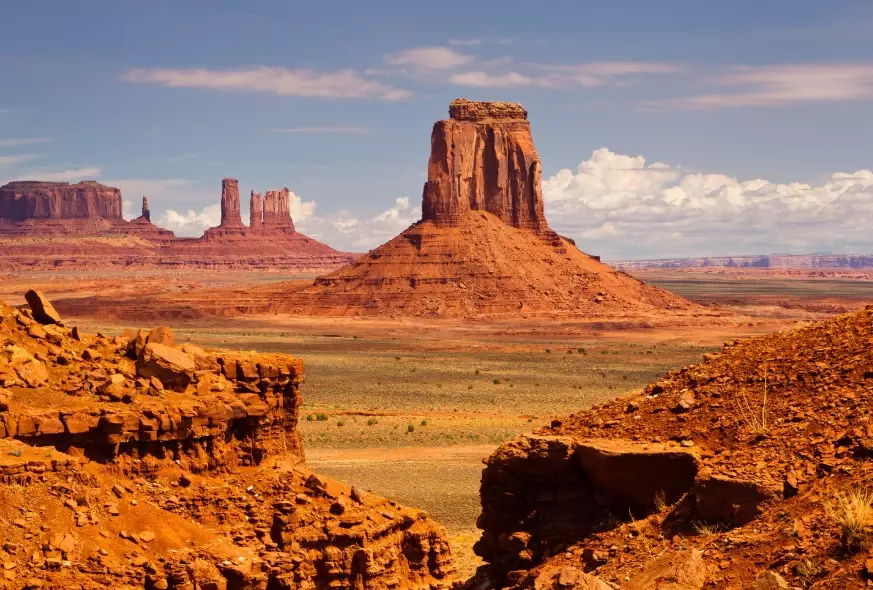
Your Southwest Desert Questions Answered
What's the best Southwest desert to visit for a first-timer with limited time?
How do I get from Las Vegas to see the Southwest desert?
Is the Southwest desert safe to visit with children?
Can I visit the Southwest desert in the winter?
What's the biggest misconception about the location of the Southwest desert?
Reader Comments