Let's be honest. When you picture the Grand Canyon's South Rim, you probably imagine elbow-to-elbow crowds at Mather Point or a long wait for a shuttle bus. What if I told you there's a spot just as breathtaking, where you can actually hear the wind and your own thoughts? That's Navajo Point. It's not a secret, but it's often overlooked, and that's its magic. This isn't a strenuous backcountry trek—it's an accessible, flat walk to what is officially the highest overlook on the South Rim. I've been guiding hikes here for over a decade, and Navajo Point remains my go-to recommendation for visitors who want the iconic view without the iconic crowds.
Your Quick Trail Guide
What Exactly is Navajo Point?
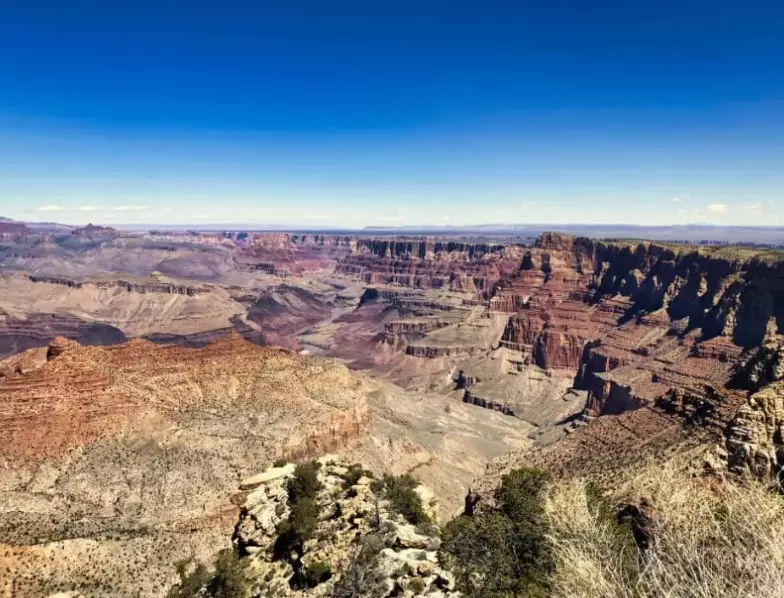
Navajo Point sits at 7,498 feet (2,285 meters) above sea level, making it the highest publicly accessible viewpoint on the South Rim. Geographically, it's the easternmost developed overlook along Desert View Drive. The "hike" is really a paved, wheelchair-accessible path that branches off from the main parking area, leading about 0.3 miles (0.5 km) to the primary overlook area. From here, you get a commanding, unobstructed panorama. You're looking east down the Colorado River, with Desert View Watchtower prominent to your left (west), and the Palisades of the Desert forming a dramatic wall to the east. On a clear day, you can see for what feels like a hundred miles.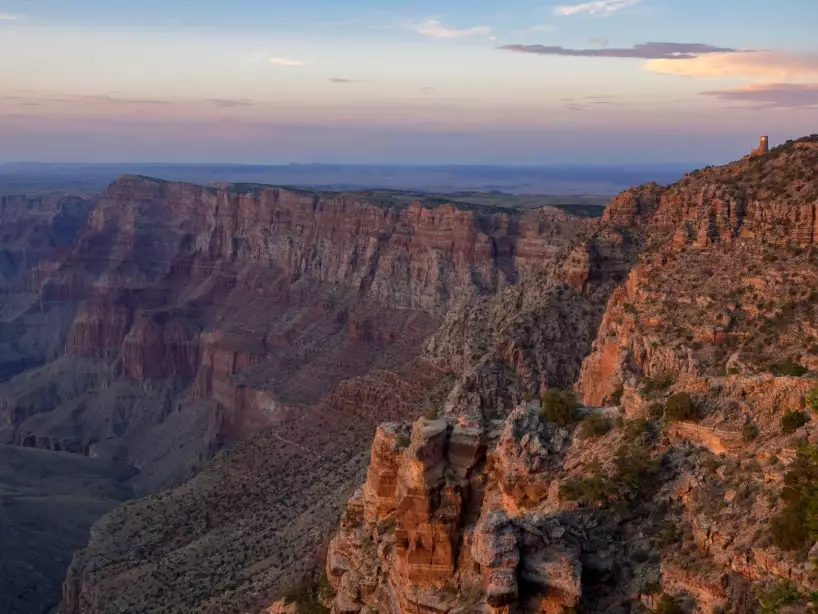
The One Thing Most First-Timers Miss
Everyone stops at the first railed overlook. Don't. Walk a few dozen yards further along the path to the south (left if you're facing the canyon). The pavement ends, but a clear, flat dirt path continues for another 200 feet to a second, smaller overlook. This spot often has zero people and offers a slightly different, more intimate angle on the canyon. It's my personal favorite for sunrise.
How to Get There & Where to Park
Navajo Point is located on Desert View Drive (AZ-64), about 23 miles east of Grand Canyon Village. There is no entry fee specifically for Navajo Point, but you must pay the Grand Canyon National Park entrance fee ($35 per vehicle, valid 7 days). The point is open 24/7, but facilities (like restrooms) are only available during daylight hours.
Driving: From the South Entrance near Tusayan, drive into the park and follow the signs for Desert View. You'll pass Mather Point, Yaki Point, and several other pull-offs. Navajo Point is clearly signed and will be on your left (north) side of the road about 1 mile before you reach the Desert View Watchtower area.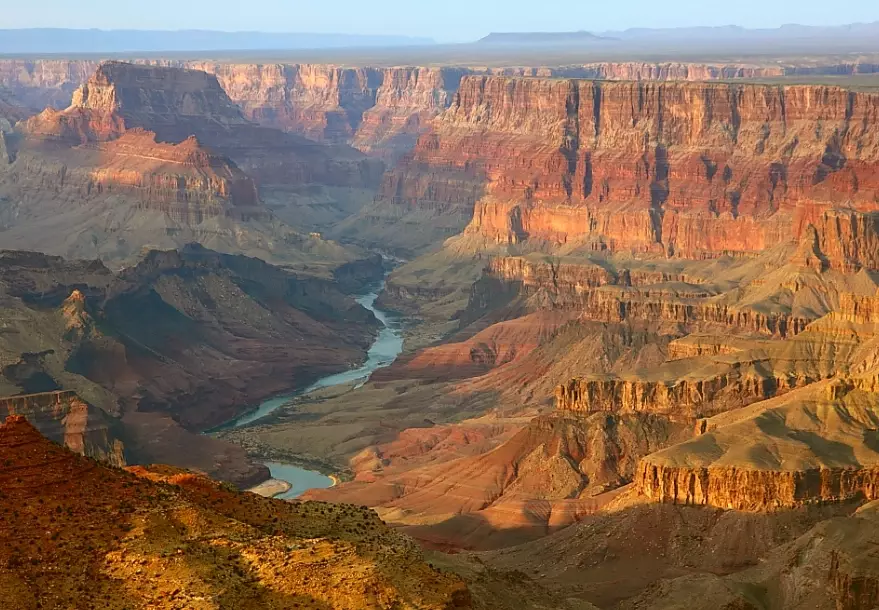
Parking: This is the main logistical hurdle. The lot is relatively small, with space for about 25-30 cars. Between 10 AM and 3 PM, it's often full. My proven strategy? Go early or go late. Aim to arrive before 9 AM for a guaranteed spot and serene light, or come after 4 PM when tour buses and day-trippers are heading out. If the lot is full, do NOT park on the roadside vegetation—it's illegal and damages the fragile ecosystem. Your best bet is to drive to the much larger Desert View Watchtower parking lot (1 mile east), park there, and walk the paved trail or roadside path back to Navajo Point. It's a pleasant, flat 20-minute walk.
Walking the Trail: What You'll Actually See and Feel
The path is a stroll, not a hike. It's perfect for all fitness levels. You'll walk through a fragrant pinyon-juniper forest for a minute before the canyon suddenly reveals itself. The scale is what gets you every time. No photo prepares you for it.
The overlook itself has sturdy metal railings. You'll notice several interpretive plaques detailing the geology and history of what you're seeing. Take time to read them—they point out specific formations like the Unkar Delta, an area used by ancestral Puebloan farmers over 800 years ago. This connection to human history adds a profound layer to the view.
Watch for California condors. The eastern South Rim is prime territory for these massive, endangered birds. Seeing one soar below the rim is a memory you'll keep forever.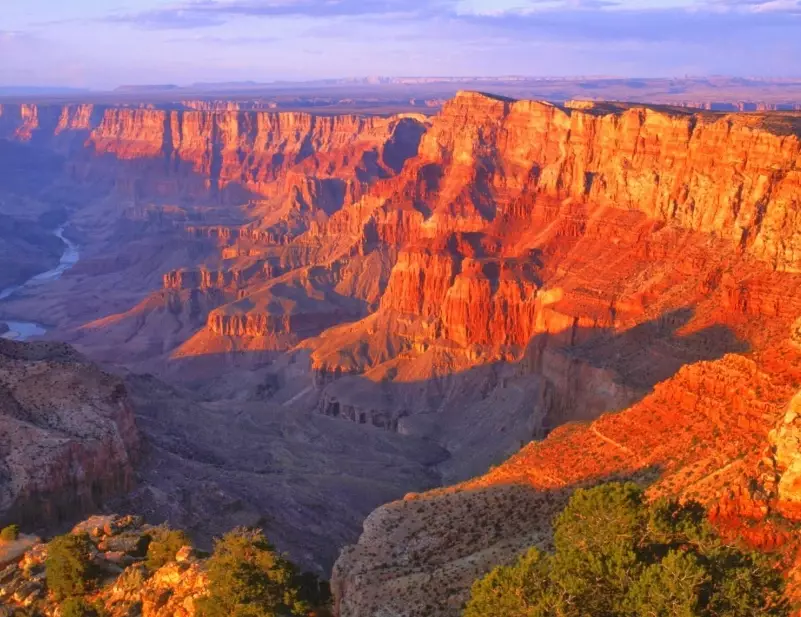
Navajo Point vs. Desert View Watchtower: Why You Should Do Both
Since they're so close, people often choose one. I think that's a mistake. They offer completely different experiences, and comparing them highlights why Navajo Point is special.
| Aspect | Navajo Point | Desert View Watchtower |
|---|---|---|
| Primary Vibe | Tranquil, natural, contemplative. | Historic, architectural, bustling. |
| Crowds | Moderate to low. Often has moments of solitude. | High. Major tour bus stop with a large visitor complex. |
| Key Feature | Unadulterated, 270-degree canyon views from the highest point. | Mary Colter's iconic 1932 stone tower with interior murals. |
| Facilities | Basic vault toilets, no water. | Full amenities: restrooms, water, gift shop, snack bar, campground. |
| Best For | Quiet reflection, photography, escaping crowds. | Learning history, buying souvenirs, accessing services. |
The perfect itinerary? Park at Desert View in the big lot. Visit the Watchtower, get your snacks, use the facilities. Then, walk the easy 1-mile trail west to Navajo Point for a peaceful conclusion. Walk back to your car. You've covered the best of the East Rim.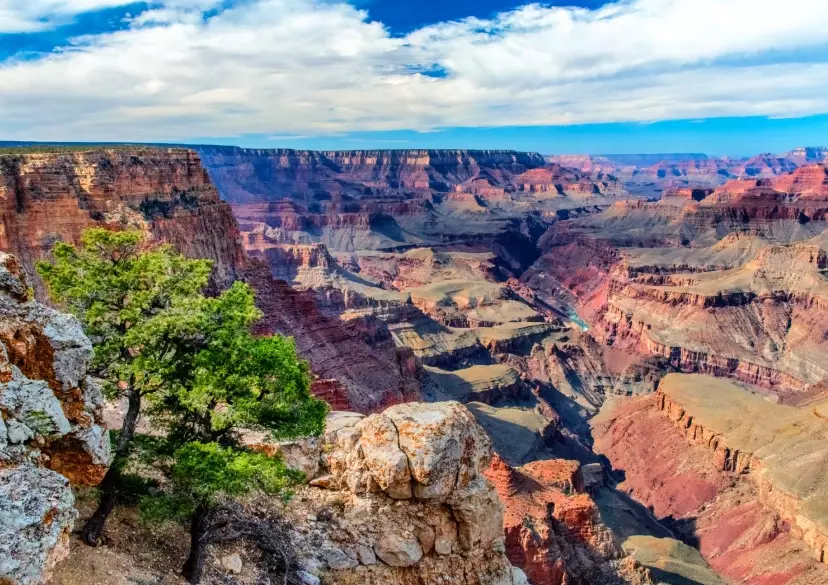
Non-Negotiable Safety Tips (Beyond the Obvious)
Yes, stay back from the edge. But here are the subtler dangers even experienced hikers forget at a "easy" spot like this.
Wind: It can be ferocious, especially in spring. Hold onto hats and loose items. A camera dropped here is gone forever.
Dehydration & Sun: At 7,500 feet, the sun is intense and the air is dry. You're sweating and losing moisture even if you don't feel it. Drink water before you feel thirsty. Wear a hat, sunglasses, and apply high-SPF sunscreen. There is no shade on the overlook.
Weather Changes: Afternoon thunderstorms are common July-September. Lightning is a serious threat on an exposed point. If you hear thunder or see dark clouds building, head back to your car immediately.
Wildlife: This is not a zoo. Squirrels and birds are wild. Do not feed them. It's bad for their health and encourages aggressive behavior.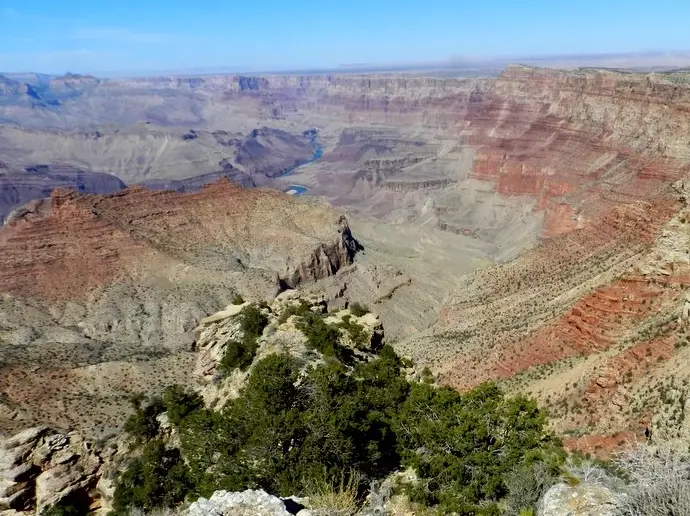
Getting the Perfect Shot: A Local's Advice
The classic shot is west toward the Desert View Watchtower with the canyon in between. For the best light, sunrise is unbeatable. The low sun paints the Watchtower and canyon walls in warm gold. Midday light is harsh, creating deep shadows. Late afternoon is good, but the Watchtower will be backlit.
Use a polarizing filter to cut through the atmospheric haze and deepen the blue sky. A wide-angle lens (16-35mm on full-frame) captures the vastness, but don't forget a telephoto (70-200mm) to isolate details like the tower or rock layers.
My pro tip? For a unique composition, walk to that secondary overlook I mentioned and shoot along the canyon wall, using the leading lines of the rim to draw the eye into the frame.
Your Pre-Hike Planning Checklist
Run through this list before you head out:
- Park Entry: Purchase your park pass online in advance or at the gate.
- Fuel: Fill your gas tank in Tusayan or at Desert View (prices are higher in the park).
- Navigation: Download the offline Google Maps area or have a paper park map. Cell service is spotty.
- Hydration: Carry at least 1 liter of water per person, even for this short walk.
- Layers: Temperatures can swing 30°F (17°C) from day to night. Bring a windbreaker or fleece.
- Footwear: Sturdy sneakers are fine. The path is paved but can have gravel and uneven edges.
- Check Alerts: Visit the National Park Service website for Grand Canyon road closures or alerts.
Your Navajo Point Questions, Answered
Is the Navajo Point hike suitable for young children or families?
It's excellent for families due to the short, flat path. The railings provide a strong safety barrier at the main overlook. However, constant, close supervision is mandatory. The moment you step off the paved path, the ground can be uneven and the drop-off severe. Hold young children's hands at all times. The biggest challenge is keeping them entertained—the view alone might not hold a toddler's attention for long.
Can I bring my dog on the Navajo Point trail?
No. Pets are not allowed on any trails below the rim or on rim trails in the national park (with the exception of the paved South Rim Trail between the village and Bright Angel). They must be leashed at all times and are only allowed in developed areas, parking lots, and campgrounds. The Navajo Point path is considered a rim trail. Leave your dog at home or use the excellent kennel services in nearby Tusayan.
What's the single biggest mistake people make when visiting Navajo Point?
Underestimating the altitude and sun. I've seen far too many people stroll from their air-conditioned car to the overlook in flip-flops, with no water, and wearing a thin tank top. Within 20 minutes, they're dehydrated, sunburned, and have a headache, which ruins the rest of their day. Respect the environment. This is a high-desert plateau, not a city park. Proper preparation is what separates a good visit from a great one.
Is Navajo Point accessible for visitors with mobility challenges?
The main paved path from the parking lot to the primary overlook is graded and relatively smooth, making it accessible for wheelchairs and strollers with assistance. There is a slight incline. The National Park Service notes that the overlook itself has a hard surface. The secondary, dirt overlook is not accessible. Accessible restrooms (vault toilets) are available at the parking area.
If I only have one hour at the Grand Canyon, is Navajo Point worth the drive from the village?
With only one hour, no. The 45-minute drive each way from the village doesn't leave time. In that scenario, visit Mather Point or Yavapai Point. If you have a half-day or more, absolutely make the drive. The journey along Desert View Drive is stunning, and the payoff at Navajo Point (and Desert View) provides a more complete and peaceful Grand Canyon experience than the crowded central village overlooks.
Navajo Point proves that you don't need to hike for miles into the abyss to find the soul of the Grand Canyon. Sometimes, it's waiting for you just off the road, at the highest point, where the sky feels bigger and the silence speaks volumes. Pack your water, your patience for parking, and your sense of wonder. You'll find one of the South Rim's truest gems.
Reader Comments