Ask ten people to map the Desert Southwest, and you might get eleven different answers. It's one of those wonderfully fuzzy American regions. Is it just cactus and sand? Does it include mountains? Where does it start and end? If you're planning a trip, researching, or just curious, a vague idea isn't enough. You need a clear, actionable definition. Based on geography, climate, and culture—and my own years of hiking its canyons and driving its endless roads—here’s exactly what falls under the Desert Southwest umbrella.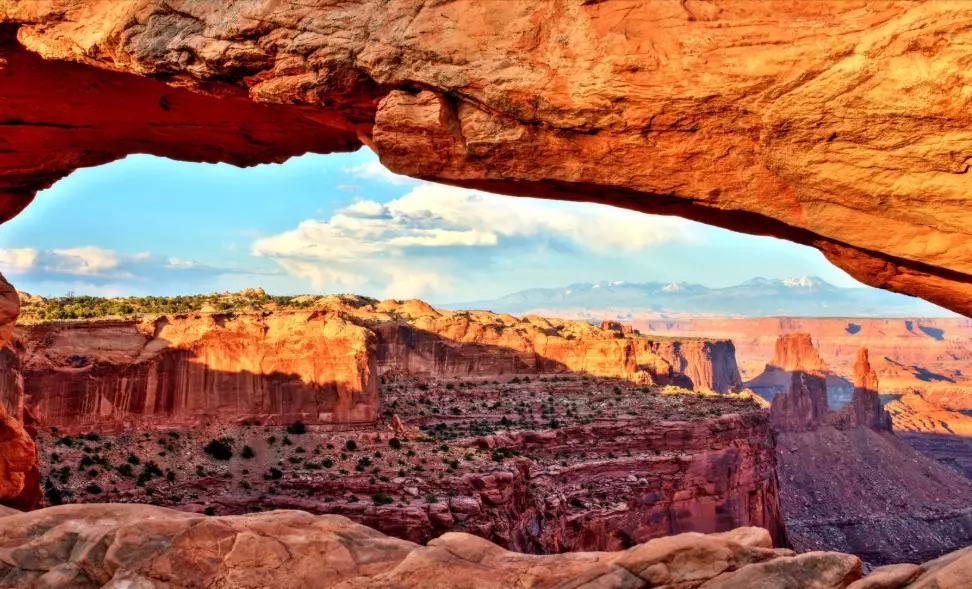
Your Quick Guide to the Desert Southwest
- How is the Desert Southwest Defined?
- The Undisputed Core States
- The Geographic Heart: More Than Just Sand
- What Defines the Region's Cultural Identity?
- Planning Your Desert Southwest Trip: Key Considerations
- Common Mistakes First-Time Visitors Make
- A 5-Day Desert Southwest Sampler Itinerary
- Your Burning Questions Answered (FAQ)
How is the Desert Southwest Defined?
Forget political lines for a second. The real definition comes from the land itself. The U.S. Geological Survey identifies major desert regions, and the big one here is the Mojave, Sonoran, and Chihuahuan Deserts. Where these deserts dominate, you're in the Desert Southwest. This means areas with low rainfall (under 10 inches annually), specific plant life like saguaro or creosote bush, and that iconic, wide-open landscape. Culturally, it's shaped by ancient Indigenous civilizations, Spanish colonization, and the Anglo frontier. The U.S. Census Bureau lumps much of it into the "West" region, but that's too broad. On the ground, the feeling is distinct.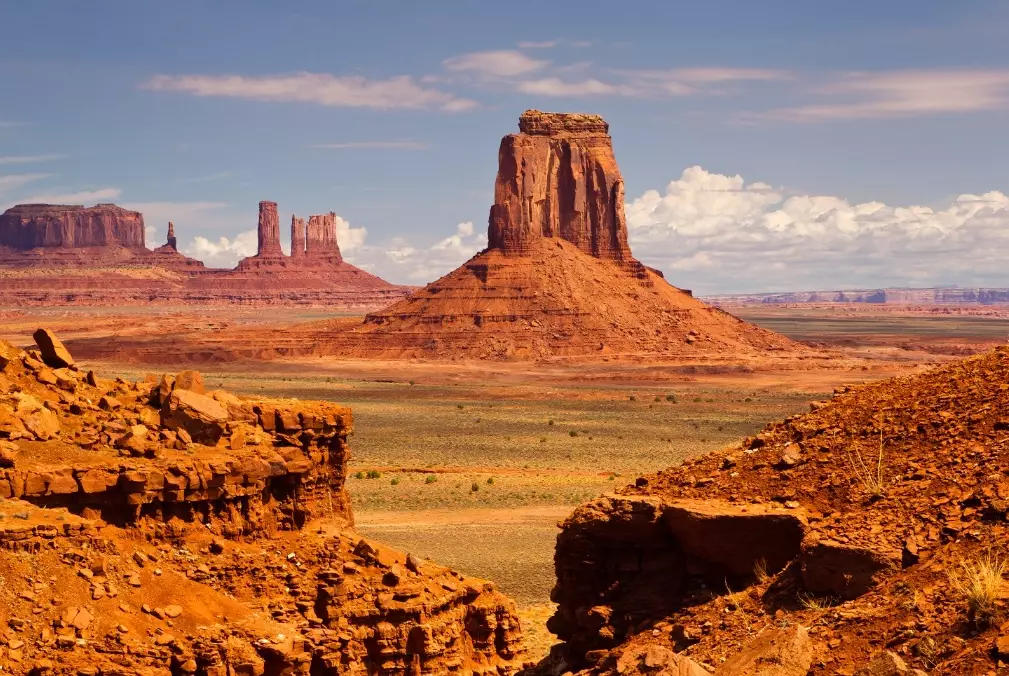
Local's Insight: The most practical way to think about it? It's the dry, basin-and-range country where you absolutely need to think about water and sun protection just to step outside. The humidity is low, the skies are big, and the terrain alternates between flat desert floors and sudden, rugged mountain ranges.
The Undisputed Core States
These four states form the absolute, non-negotiable core of the Desert Southwest. If a location is here, it's in the region.
| State | Key Desert(s) | Iconic Landscape Example | Must-See Park & Practical Info |
|---|---|---|---|
| Arizona | Sonoran, Mojave | Saguaro cactus forests, Grand Canyon | Grand Canyon National Park (South Rim). Address: Grand Canyon National Park, AZ. Vehicle Entry: $35 (valid 7 days). Open 24/7, year-round. The South Rim is the most accessible. The drive from Phoenix is about 3.5 hours north via I-17. |
| Nevada (Southern) | Mojave | Red Rock Canyon, Valley of Fire | Valley of Fire State Park. Address: Overton, NV 89040. Entry: $10 per vehicle. Hours: Park open sunrise to sunset. It's a 50-minute drive northeast from the Las Vegas Strip—a stark, brilliant contrast to the city lights. |
| New Mexico | Chihuahuan | White Sands, high desert mesas | White Sands National Park. Address: Alamogordo, NM 88310. Vehicle Entry: $25 (valid 7 days). Open daily, 7 AM to 9 PM (varies seasonally). Pro-tip: Go for sunset when the dunes glow. The nearest major airport is in El Paso, TX, about 1.5 hours south. |
| Utah (Southern) | Colorado Plateau (high desert) | Arches, Canyonlands, Zion | Zion National Park. Address: Springdale, UT 84767. Vehicle Entry: $35 (valid 7 days). Open 24/7. From April-October, the scenic Zion Canyon is accessible by shuttle bus only. The nearest town with hotels is Springdale, right at the park entrance. |
The "Debatable Zone" States
Parts of these states share the desert geography and feel, but they also have strong identities tied to other regions.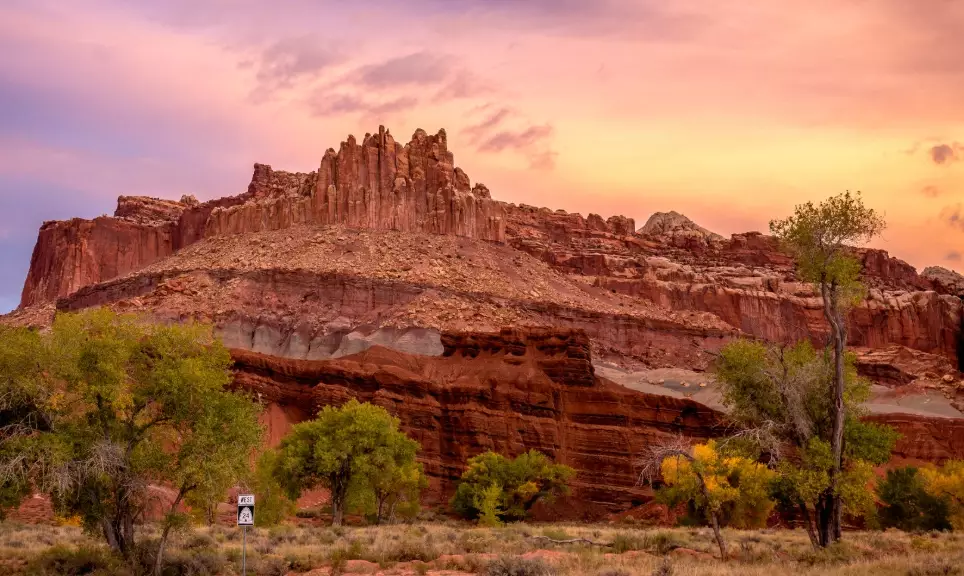
California: The southeastern chunk, like the Palm Springs area and Death Valley, is pure Mojave Desert and culturally Southwest. Death Valley National Park (vehicle entry $30) is the hottest, driest, lowest place in North America. But California as a whole is its own coastal beast.
Texas: Far West Texas, around El Paso and Big Bend National Park, is Chihuahuan Desert. The landscape and vibe are Southwest, but Texas pride often puts it in its own category. Big Bend (vehicle entry $30) is spectacularly remote—plan on a long drive from anywhere.
Colorado: Only the far southwestern corner, like Mesa Verde National Park (vehicle entry $30, open 8 AM to sunset), fits. It's high desert canyon country, home to Ancestral Puebloan cliff dwellings. The rest of Colorado is Rocky Mountains.
The Geographic Heart: More Than Just Sand
Calling it a "desert" undersells the variety. The landscape is a dramatic series of contrasts.
Desert Types: The low, hot Sonoran (Arizona) with its giant saguaros. The higher, drier Chihuahuan (New Mexico, West Texas) with yucca and grasses. The stark, Joshua-tree-dotted Mojave (Nevada, SE California).
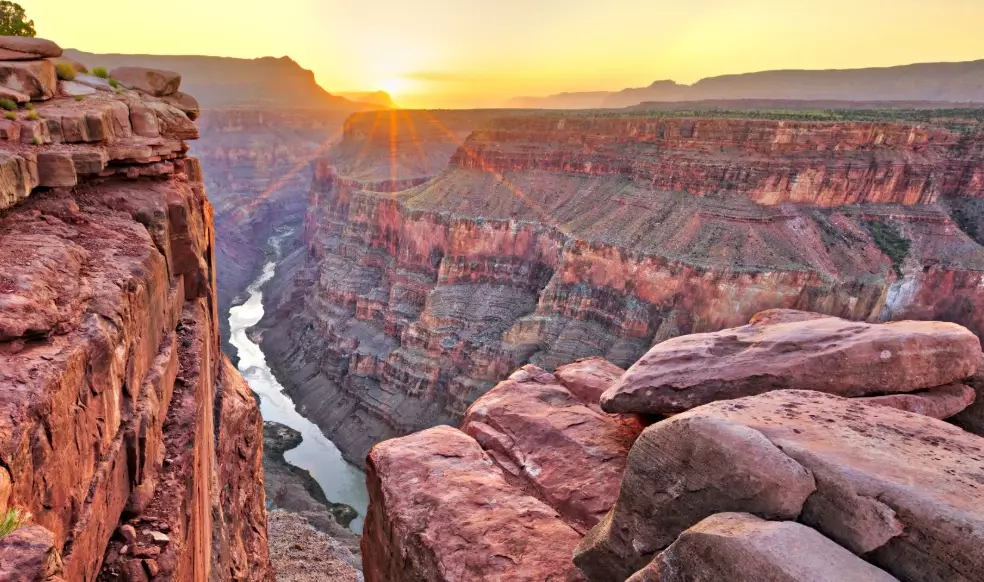
Mountains and Plateaus: This is basin and range territory. Flat desert valleys (basins) are suddenly interrupted by fault-block mountain ranges. Then you have the Colorado Plateau—that massive uplift of sedimentary rock covering the Four Corners area, carved into canyons, arches, and buttes. The Grand Canyon is the plateau's masterpiece.
Life-Giving Rivers: In this dry land, rivers are everything. The Colorado River and the Rio Grande are the arteries. They carved the canyons and support the few major cities. Without them, human settlement as we know it wouldn't exist here.
What Defines the Region's Cultural Identity?
The culture is a layer cake, and each layer is visible.
Indigenous Foundation: This is the bedrock. The Ancestral Puebloans (Anasazi), Navajo (Diné), Hopi, Apache, and many other nations have called this land home for millennia. Their history is in the cliff dwellings at Mesa Verde, the rock art, and the vibrant living communities. Visiting a reservation like the Navajo Nation requires respect and an understanding that you are a guest.
Spanish & Mexican Influence: Arriving in the 1500s, this layer gave us mission architecture, place names (like Arizona, Nevada, Colorado), and the cattle ranching tradition. The adobe building style, with its thick walls and rounded edges, defines the aesthetic of places like Santa Fe and Taos.
Anglo-American Frontier: The 19th-century expansion brought miners, ranchers, railroads, and the mythos of the "Wild West." Ghost towns, historic Route 66, and the sprawling ranch lands are part of this legacy.
Today, it's a mix of all three, plus a dose of modern art scenes in places like Marfa, Texas, and a huge draw for outdoor recreation and retirement.
Planning Your Desert Southwest Trip: Key Considerations
This isn't a place you wing. A little planning prevents a bad time.
When to Go: The sweet spot is spring (March-May) and fall (September-October). Wildflowers bloom in spring, and temperatures are perfect. Summer (June-August) is brutally hot in the low deserts—think 110°F+ in Phoenix. It's fine for higher elevations like the Grand Canyon South Rim or Flagstaff, but still hot. Winter can be cold, especially at higher elevations, with snow possible.
Getting Around: You need a car. Public transport between parks and towns is virtually non-existent. Distances are vast. A drive from Phoenix to Santa Fe is nearly 7 hours. From Las Vegas to Moab is over 6 hours. Get a reliable vehicle, and fill up the gas tank whenever you see a station in remote areas.
Safety & Etiquette:
• Hydrate like it's your job. Drink water even when you're not thirsty.
• Sun protection is non-negotiable: Hat, sunglasses, high-SPF sunscreen, long sleeves.
• Respect the distance. A short hike can turn dangerous if you're unprepared. Tell someone your plans.
• Leave no trace. Pack out all trash. Don't touch or remove artifacts, rocks, or plants.
• Monsoon season (July-Sept) brings sudden, violent thunderstorms and flash floods. Never enter a narrow canyon if rain is forecast.
Common Mistakes First-Time Visitors Make
I've seen these too many times.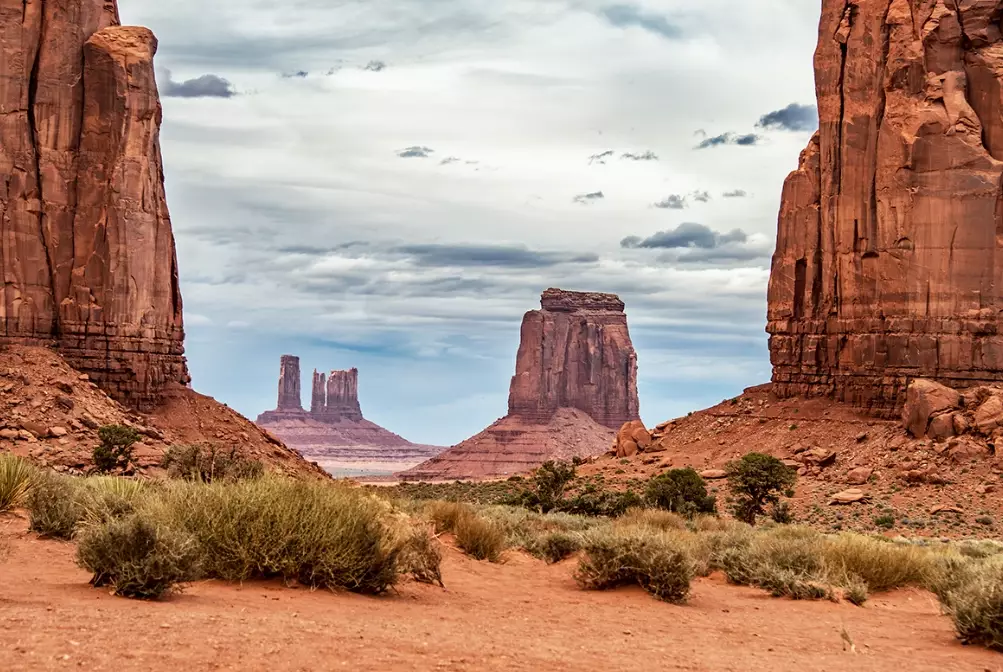
Underestimating Scale and Drive Times. Google Maps can be deceptive. A 200-mile drive here takes longer than on an East Coast interstate. There are mountain passes, two-lane roads, and you'll want to stop constantly for photos. Pad your schedule.
Chasing Too Many Parks. Trying to hit the Grand Canyon, Zion, Arches, and Mesa Verde in one week is a recipe for seeing nothing but your windshield. Pick one or two base areas and explore deeply. Quality over quantity.
Ignoring the Small Towns. The magic is often between the parks. Places like Moab, UT (adventure hub), Bisbee, AZ (funky historic mining town), or Marfa, TX (art oasis) offer culture and character you won't find at a park visitor center.
Sticking Only to the Interstates. Get off I-10 or I-40. The old highways, like Route 66 remnants or Utah's Scenic Byway 12, are where you find the classic roadside Americana and stunning, crowd-free vistas.
A 5-Day Desert Southwest Sampler Itinerary
Focusing on the core: Arizona and a touch of Utah.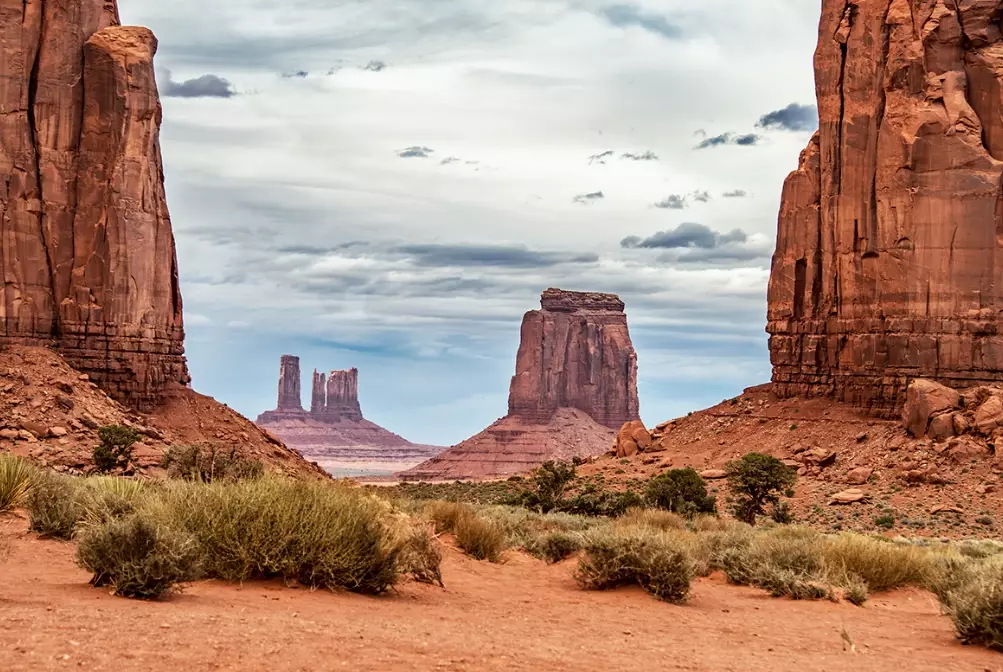
Day 1-2: Phoenix & the Sonoran Desert. Fly into Phoenix (PHX). Acclimate with a hike at Camelback Mountain (go early!) or a drive through the Apache Trail. Visit the Desert Botanical Garden to learn plant identification. Stay in Phoenix or Scottsdale.
Day 3: Sedona & Red Rock Country. Drive 2 hours north to Sedona. Hike the Cathedral Rock Trail (moderate, requires some scrambling) or take a scenic drive on Red Rock Scenic Byway (SR 179). The energy of the place is palpable, even if you're not into vortexes. Overnight in Sedona.
Day 4: The Grand Canyon South Rim. Drive 2 hours north from Sedona. Spend the day walking the Rim Trail from Mather Point to the village. Catch sunset at Hopi Point. Stay in Tusayan, just outside the park, or at one of the historic lodges inside the park (book months ahead).
Day 5: Route 66 & Departure. Drive back towards Phoenix via the historic stretch of Route 66 in Seligman (a classic kitschy stop). Or, for the ambitious, extend north into Utah towards Page, AZ for Antelope Canyon (requires a guided tour booked well in advance) and Horseshoe Bend before flying out of Las Vegas (LAS), about a 4.5-hour drive from Page.
Your Burning Questions Answered (FAQ)
Is Las Vegas considered part of the Desert Southwest?
What's the biggest misconception about the Desert Southwest climate?
 How can I travel here more sustainably and ethically?
I have limited mobility. Can I still experience the Desert Southwest?
Are there any areas that are often included but shouldn't be?
Reader Comments