In This Article
- Getting the Numbers Straight: Official Sources and Estimates
- A Snapshot in Time: Black Canyon City Demographics Breakdown
- From Mining Camp to Highway Stop: The Population Story Over Time
- What's It Actually Like to Live Among Those 2,800 People?
- How Black Canyon City Fits into the Regional Picture
- Answering Your Next Questions: The Black Canyon City FAQ
- Looking Ahead: What's Next for Black Canyon City's Population?
So you're asking about the population of Black Canyon City, Arizona. It's one of those questions that seems simple but opens up a whole world of interesting details. You're not just looking for a dry statistic, are you? You probably want to know what that number means, how it's changed, and what life is like in this particular corner of Yavapai County. I get it. I've driven through there more times than I can count on the old I-17, and every time I wonder about the folks who call it home.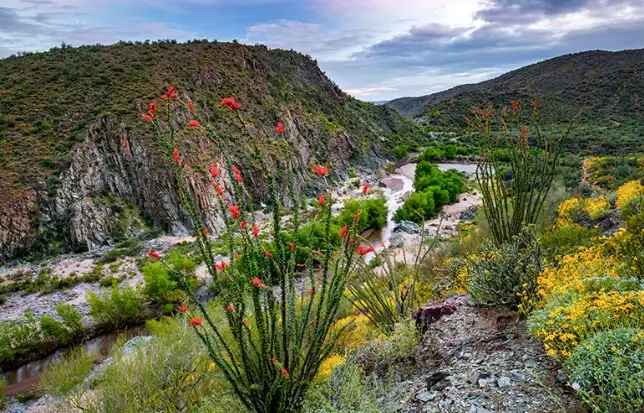
Let's cut to the chase first, because that's what you came for. The official, most current answer to "What is the population of Black Canyon City Arizona?" is a bit of a moving target, but we can nail it down. According to the latest estimates from the U.S. Census Bureau's American Community Survey, Black Canyon City had a population hovering right around 2,800 to 2,900 residents. The most precise single-year estimate from the 2022 ACS data puts it at approximately 2,837 people.
But that number, 2,837, is just the headline. It doesn't tell you who those people are, why they're there, or how the community has shifted over the decades. If you're thinking about moving there, visiting, or just satisfying a geographic curiosity, you need the full picture. We're going to build that picture piece by piece, from the hard census data to the feel of the place you can only get from talking to people who've lived it.
Getting the Numbers Straight: Official Sources and Estimates
Before we go any further, let's talk about where these numbers come from. It's easy to find conflicting figures online, and that's frustrating. The gold standard is always the U.S. Census Bureau. Their decennial census, last done in 2020, is the official count. For years in between, they run the American Community Survey (ACS), which provides detailed estimates.
For Black Canyon City, the 2020 Census officially counted 2,877 residents. That's the anchor point. The ACS estimates (like the 2,837 figure for 2022) can vary slightly year-to-year due to sampling, but they track trends. The fact that the 2022 estimate is very close to the 2020 count suggests a period of relative stability.
Why is there sometimes confusion? Some sources might use "Census-Designated Place" (CDP) boundaries, while others might use zip code approximations. Black Canyon City is a CDP, not an incorporated city, which means its boundaries are defined by the Census Bureau for statistical purposes. The most reliable answer to "What is the population of Black Canyon City Arizona?" will always cite these Census sources.
A Snapshot in Time: Black Canyon City Demographics Breakdown
Okay, we have the total. Now, who makes up this community of roughly 2,800 people? Demographics paint the portrait.
The age distribution is one of the first things that stands out. Black Canyon City has a significantly higher median age than the national average. We're talking about a median age in the mid to upper 50s. This points to a community popular with retirees and empty-nesters, which makes perfect sense given its location and vibe. You'll find a quieter pace of life, which is a major draw.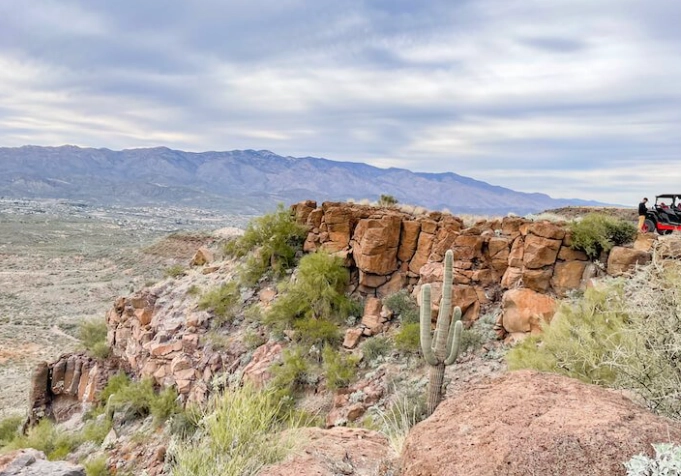
In terms of racial and ethnic composition, it's predominantly White, but with a notable and growing Hispanic or Latino population—a trend seen across much of Arizona. The household makeup leans heavily toward married couples, and a large percentage of homes are owner-occupied, not rentals. This speaks to a sense of permanence and investment in the community.
Let's put some of this key demographic data into a table for a clearer, quicker view. This is based on a synthesis of recent ACS estimates.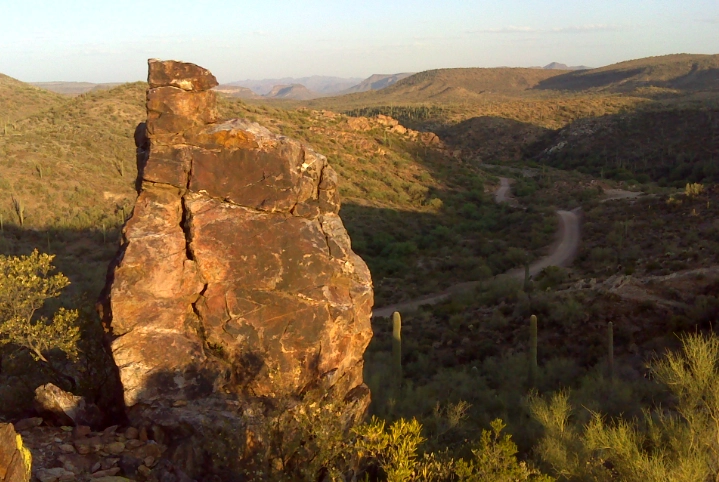
| Demographic Characteristic | Estimate for Black Canyon City | Context & Notes |
|---|---|---|
| Total Population | ~2,837 | 2022 ACS 1-Year Estimate |
| Median Age | Approx. 57 years | Much higher than U.S. median (~39) |
| Household Type | High % Married-Couple Families | Indicates family-oriented, stable households |
| Homeownership Rate | Very High (80%+) | Strong indicator of a settled community |
| Median Household Income | ~$55,000 - $65,000 | Slightly below AZ state average |
| Key Ancestry Groups | German, English, Irish, American | Reflects broader settlement patterns in the area |
That income figure is interesting. It's modest, especially when you consider the high homeownership. It suggests many residents are on fixed incomes (like retirement) or work in nearby service, trade, or commuting jobs. The cost of living can be a bit lower than in the Phoenix metro, which helps that income stretch further.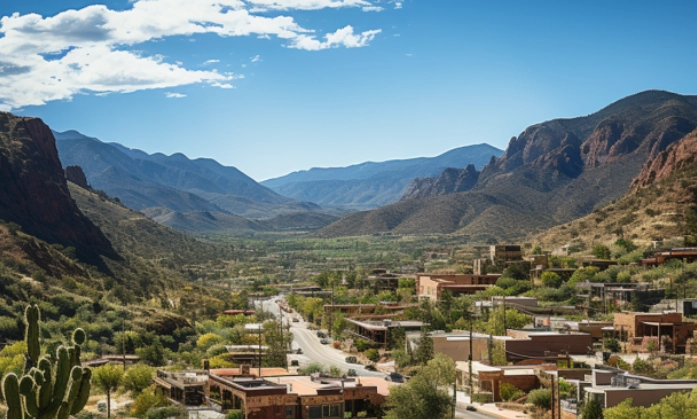
From Mining Camp to Highway Stop: The Population Story Over Time
To really understand what the population of Black Canyon City, Arizona is today, you have to know how it got here. This isn't a town that sprang up overnight as a suburb. Its growth is tied directly to transportation and geography.
In the late 1800s, it was a mining camp. The population was tiny, transient, and tied to the mines. When the mines played out, the town nearly vanished. Its modern story really begins with the highway. First, the old Black Canyon Highway, and then the I-17. Black Canyon City became a classic "highway stop"—a place for gas, food, and a break from the drive between Phoenix and Flagstaff.
This role shaped its population for decades. It was a small service community. The real growth spurts came later, driven by two main factors: retirees from colder climates seeking Arizona's sun, and later, people looking for a more rural, affordable alternative to the exploding Phoenix housing market while still being within a semi-reasonable commute.
Check out this growth trend. It's not explosive like some Phoenix suburbs, but it's steady:
- 1970: Probably only a few hundred people. It was barely a blip.
- 1990: The Census showed about 1,800 people. The retirement wave was building.
- 2000: Jumped to around 2,700. The search for affordability was on.
- 2010: 2,677 (a tiny dip, maybe related to the Great Recession).
- 2020: 2,877. Steady as she goes.
So when you ask about the population of Black Canyon City, Arizona, you're seeing the result of a slow, steady decades-long influx, not a sudden boom. That slow growth has helped preserve its character, for better or worse.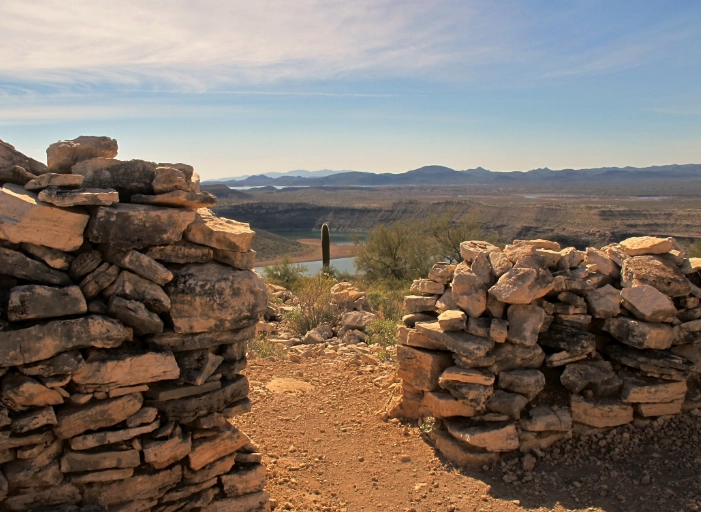
What's It Actually Like to Live Among Those 2,800 People?
Numbers are one thing. Daily life is another. Let's talk about the pros and cons of living in a community this size and with this demographic profile.
The Good Stuff (The Reasons People Stay)
Sense of Community: In a town under 3,000, you can get to know your neighbors. There's a familiarity you won't find in a big city subdivision. People tend to look out for each other.
Stunning Scenery & Outdoor Access: This is the big one. You're right at the doorstep of the Tonto National Forest. Hiking, off-roading, rockhounding, camping—it's all right there. The desert landscape with its iconic saguaros and dramatic rock formations is your backyard. I spent a night camping nearby once and the starry sky, free from city lights, was absolutely unreal.
Slower Pace: Traffic jams are non-existent (except maybe for the occasional I-17 backup you can see from town). It's quiet. The night is dark. The air is cleaner than in the valley.
Proximity to Phoenix: You're about an hour from north Phoenix, less to places like Anthem. This makes specialized shopping, major airports, and big-city entertainment feasible for a day trip. It's the "best of both worlds" setup for many.
The Challenges (The Reality Checks)
Limited Amenities: Don't expect a Target or a Whole Foods. You'll have a small grocery store, some local restaurants (the famous Rock Springs Cafe is a major landmark for pie!), and basic services. For major shopping or a wide variety of dining, you're driving to Prescott Valley, Anthem, or Phoenix.
Healthcare Access: This is a common concern in smaller, older communities. There are likely some local clinics, but for serious medical care or specialists, you are going to be commuting to a larger center. This is a critical point for the retiree population to consider.
The Commute: If you work in Phoenix, that I-17 drive is your daily reality. Let's be honest, the I-17 can be a nightmare during peak hours or holiday weekends. Accidents cause massive delays. That hour can easily become two. It wears on you.
Summer Heat: It's the Sonoran Desert. Summers are brutally hot. While it's often a few degrees cooler than Phoenix, 110°F is still 110°F. You need to be a desert person or become one.
How Black Canyon City Fits into the Regional Picture
Black Canyon City doesn't exist in a vacuum. It's a piece of the north-central Arizona puzzle. Compared to its neighbors:
- Prescott (pop. ~45,000): A much larger, full-service city with a historic downtown, a college, and a completely different, higher-elevation climate. Black Canyon City is like its quieter, hotter, more remote cousin.
- Prescott Valley (pop. ~46,000): The fast-growing, more modern suburb of Prescott. It has all the big-box stores and chain restaurants that Black Canyon City lacks. Many BCC residents do their serious shopping here.
- Spring Valley (pop. ~1,500) & Other Unincorporated Areas: These are even smaller, more spread-out communities. Black Canyon City acts as a minor commercial hub for them.
- Phoenix Metro (Millions): The giant to the south. Black Canyon City's population is a rounding error for Phoenix, but that connection—the I-17 umbilical cord—is vital to its economy and lifestyle.
This positioning is key to its identity. It's a transitional zone—not quite the mountainous Prescott country, not the flat Phoenix sprawl.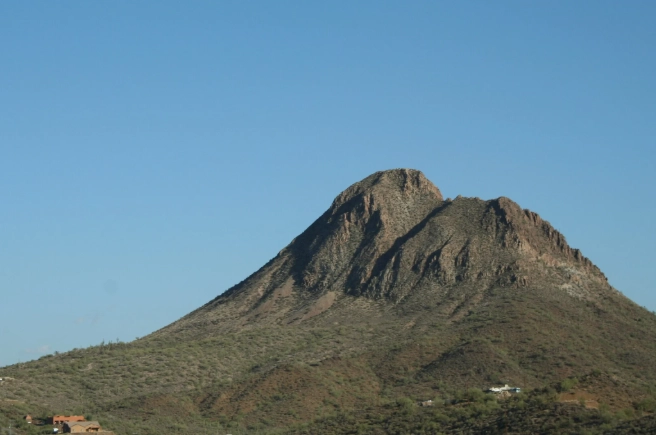
Answering Your Next Questions: The Black Canyon City FAQ
Looking Ahead: What's Next for Black Canyon City's Population?
So, where does it go from here? Predicting the future population of Black Canyon City, Arizona involves looking at state and national trends.
Arizona's population is still growing, and much of that growth is pushing outward from Phoenix. The I-17 corridor north is a prime path for that expansion. However, Black Canyon City's growth is constrained by its geography—it's hemmed in by rugged terrain and federal forest land. There's not a lot of easy, flat land for massive new subdivisions.
I expect slow, incremental growth to continue. It will likely remain a niche community appealing to a specific type of person: the retiree who values quiet over convenience, the remote worker who needs scenery more than sidewalk cafes, and the tradesperson serving the region. It won't become the next Prescott Valley. And honestly, most residents probably prefer it that way.
The challenges of water availability in the desert Southwest will also play a long-term role in capping growth in communities like this one. It's a factor you can't ignore.
Wrapping it all up.
The question "What is the population of Black Canyon City Arizona?" is your gateway. The answer is roughly 2,800 to 2,900 people. But the real story is about who those people are—largely retirees and settled families—and how they live in this unique highway-stop town turned quiet desert community. It's defined by its stunning natural access, its limitations, its slow growth, and its role as a peaceful alternative to the bustle of the city.
It's not for everyone. The heat, the distance from amenities, and the quiet can be deal-breakers. But for those it suits, it offers a genuine sense of place and a direct connection to the raw beauty of the Arizona desert. The next time you're driving up the I-17 and see the exit, you'll know there's more than just a gas station and a pie shop—there's a small community with its own story, slowly writing its next chapter.
Reader Comments