The American Desert Southwest isn't just a postcard. It's a feeling. The dry heat on your skin, the vast silence broken by wind, the impossible colors of rock at sunset. Covering primarily Arizona, Utah, New Mexico, and Nevada, this region pulls travelers in with promises of epic landscapes. But most guides just list the big parks. After years of exploring every backroad and talking to park rangers over dusty maps, I've learned the real magic lies in how you connect the dots and, more importantly, how you prepare.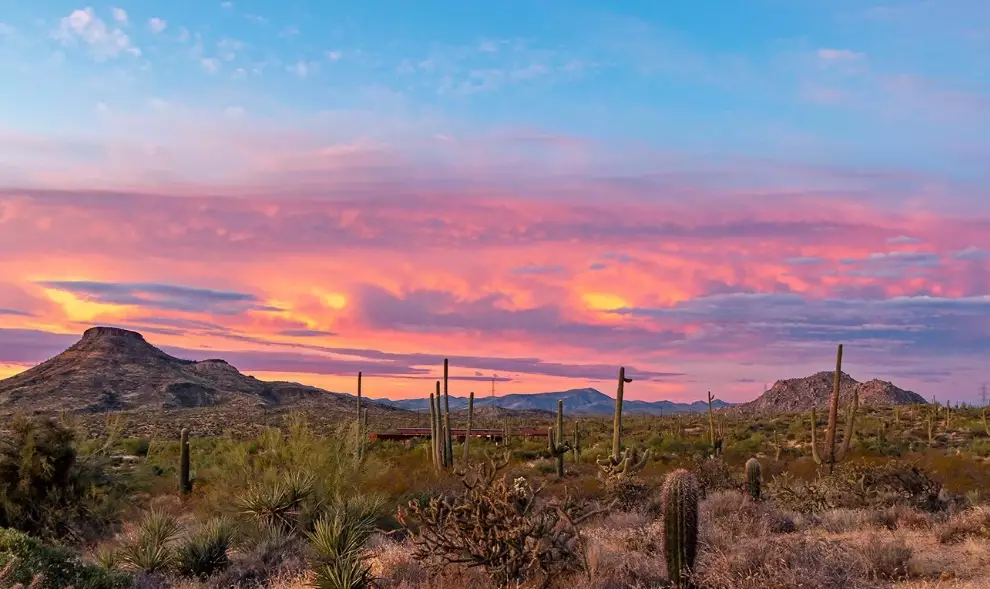
Your Journey at a Glance
The Non-Negotiable Parks & Hidden Gems
You know the names. But here's what you need to know to actually experience them.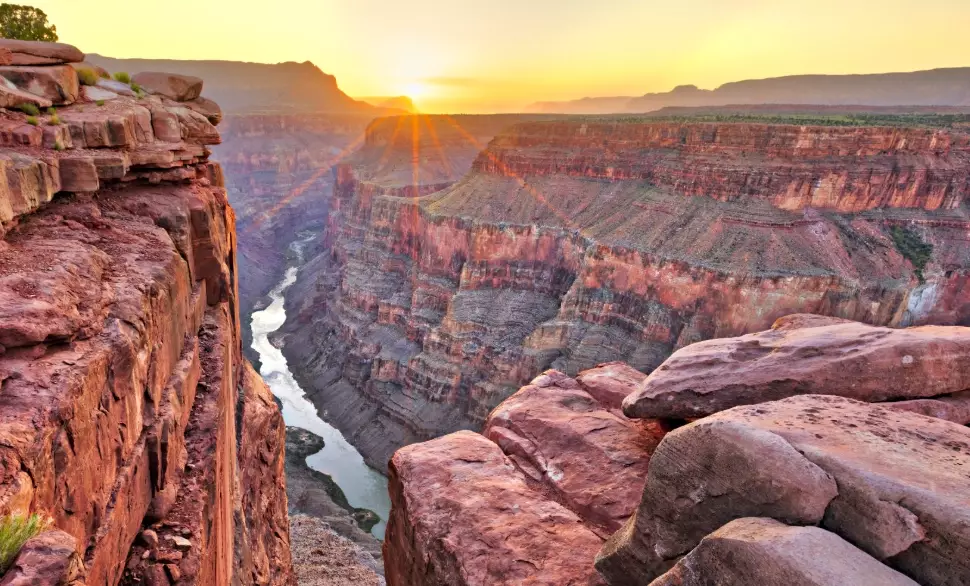
Grand Canyon National Park, Arizona
The South Rim is open year-round and is where 90% of visitors go. The North Rim, 1,000 feet higher and far more secluded, is only open from mid-May to mid-October. My biggest tip? Don't just go to the overlooks. The transformative experience is hiking even a short way down. The South Kaibab Trail to Ooh Aah Point (1.8 miles round trip) gives you that "inside the canyon" feeling without a brutal commitment.
Practical Details: South Rim entrance is near Tusayan, AZ. The National Park Service fee is $35 per vehicle (valid 7 days). The park is open 24/7. The closest major airports are in Phoenix (PHX, 3.5-hour drive) or Las Vegas (LAS, 4.5-hour drive). Shuttle buses run along the South Rim's Hermit Road, which is closed to private vehicles for most of the year.
Zion National Park, Utah
From March through November, you can't drive the Zion Canyon Scenic Drive yourself. You must take the park shuttle. This isn't a nuisance—it's genius. It reduces traffic and lets you focus on the views. Book your accommodation in Springdale months in advance. The Angels Landing hike requires a permit obtained via a seasonal lottery—don't show up expecting to wing it.
Monument Valley Navajo Tribal Park, Arizona/Utah
This isn't a U.S. National Park; it's managed by the Navajo Nation. The $8 entry fee per person supports the local community. The 17-mile self-drive dirt loop road (rough but doable in a standard car if dry) gets you among the buttes. For the classic Forrest Gump Road view, you don't need to enter the park—it's on US-163, about 13 miles north of the park entrance.v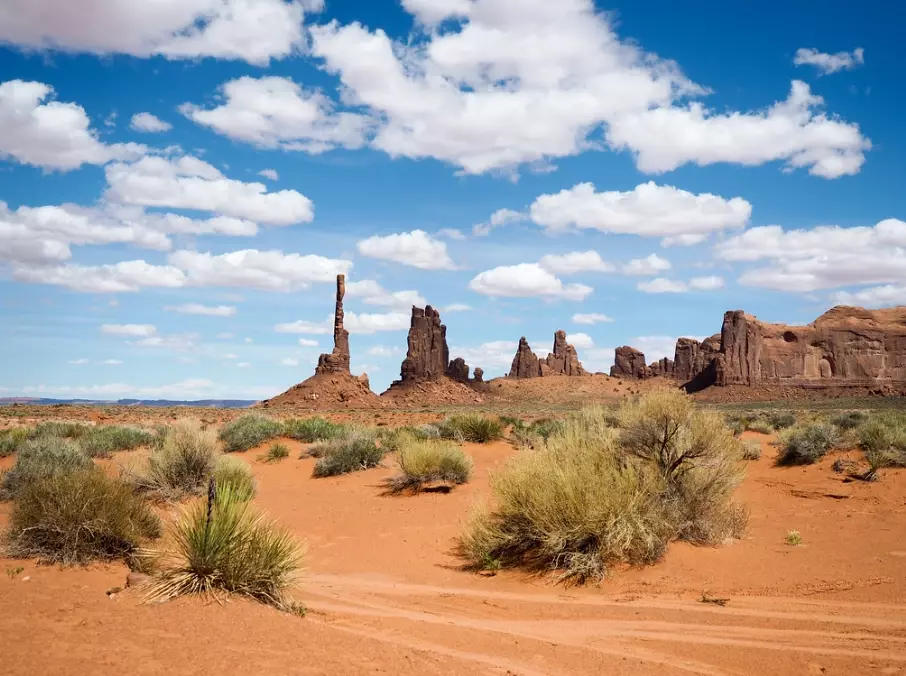
A Hidden Gem: Valley of Fire State Park, Nevada
An hour from the Las Vegas Strip, it feels like another planet. Red Aztec sandstone, petrified trees, and ancient petroglyphs. It's smaller, cheaper ($10 per vehicle), and often has far fewer people than the big-name parks. Go at sunrise. The way the light hits the Fire Wave formation is something I've never seen duplicated.
How to Plan Your Desert Southwest States Road Trip?
The classic loop is Las Vegas to the Grand Canyon, through Monument Valley, up to Moab (for Arches and Canyonlands), across to Bryce and Zion, and back to Vegas. It's about 1,200 miles of driving. Here’s a tighter 5-day version focusing on maximum impact with less burnout.
| Day | Focus & Drive | Key Stops & Activity | Overnight |
|---|---|---|---|
| 1 | Las Vegas to Grand Canyon South Rim (~4.5 hrs) | Hoover Dam bypass view, Route 66 in Seligman, Desert View Watchtower (enter park here to avoid main gate lines). | Tusayan or Grand Canyon Village |
| 2 | Grand Canyon to Monument Valley (~3 hrs) | Sunrise at Mather Point, short hike on South Kaibab Trail, drive US-163 for iconic butte photos. | Goulding's Lodge or Kayenta |
| 3 | Monument Valley to Page, AZ (~2 hrs) | Monument Valley self-drive loop, afternoon Antelope Canyon tour (BOOK WELL IN ADVANCE), Horseshoe Bend at sunset. | Page |
| 4 | Page to Springdale, UT (for Zion) (~2 hrs) | Morning at Lower Antelope Canyon or Lake Powell, drive through Zion-Mt. Carmel Tunnel, short Riverside Walk in Zion. | Springdale |
| 5 | Zion Exploration | Shuttle to The Narrows (if water flow safe) or hike to Emerald Pools, afternoon drive back to Vegas (~2.5 hrs). | -- |
That's the skeleton. The muscle comes from the stops you add: a pie at the historic Thunderbird Restaurant in Mount Carmel Junction, a quick detour to see the bison herd on the road into Page.
What is the Best Time to Visit the Desert Southwest?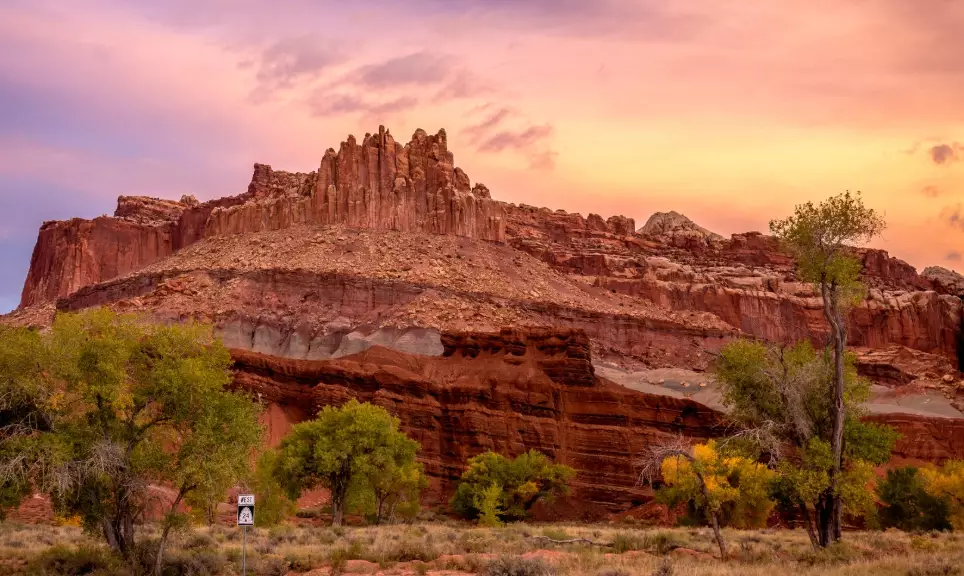
Spring (April-May) and Fall (September-October) are the consensus sweet spots. Wildflowers bloom, temperatures are mild for hiking. But here's the non-consensus part: late October into November is secretly better than September. The summer monsoon haze has cleared, the air is crystal sharp, the crowds at Zion and Arches have thinned significantly, and you can sometimes snag better lodging rates. Winter can be stunning, especially in the lower deserts like Phoenix area or Death Valley, but the North Rim of the Grand Canyon and many high-elevation roads are closed.
Summer is brutal for serious hiking in places like the Grand Canyon or Moab. If you must go in summer, plan your hikes for dawn, seek out water (like The Narrows in Zion), or focus on higher elevations like the North Rim or Bryce Canyon.
Desert Hiking Safety: What Guidebooks Don't Tell You
Everyone says "carry water." I'm telling you to carry more than you think, plus electrolytes. In dry heat, you sweat and it evaporates so fast you don't feel drenched, but you're losing salts. Cramping and fatigue set in. A packet of electrolyte mix in your water can be a game-changer.
Footwear is everything. Those slick, smooth rock surfaces (especially in slot canyons or on sandstone) are treacherous. A worn-out pair of running shoes is a liability. Invest in hiking shoes or boots with a solid Vibram or similar grippy sole. I've seen more turned ankles from poor footwear than any other issue.
Tell someone your plan. Cell service is a myth in 80% of these parks. A paper map and knowing how to read it isn't old-school, it's essential. The National Park Service publishes excellent topographic trail maps.
More Than Rocks: Cultural & Urban Stops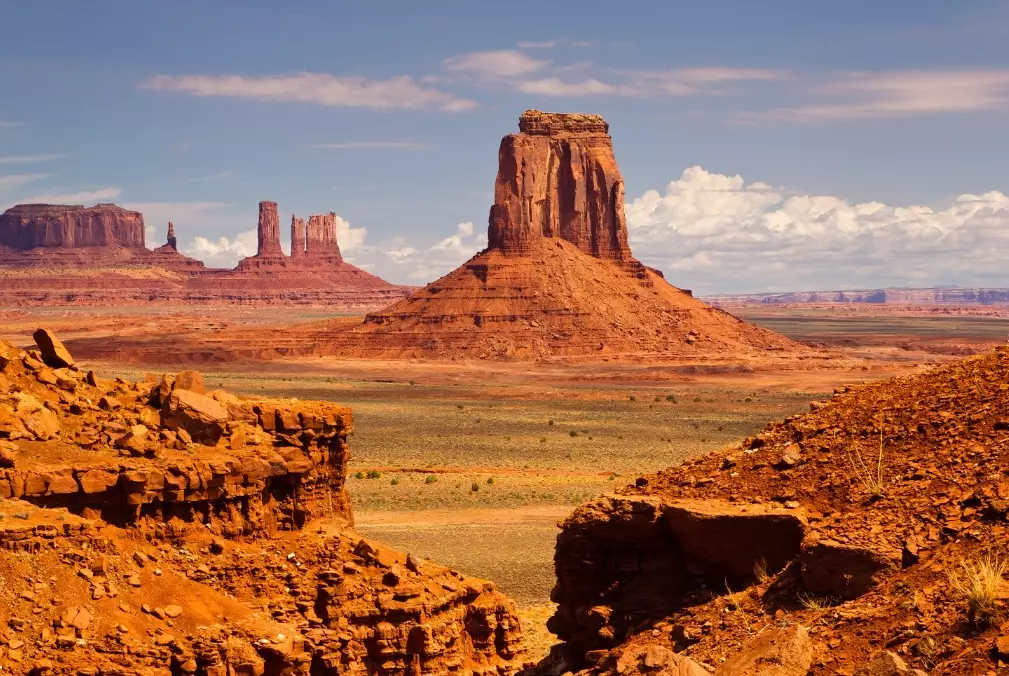
Balance the wilderness with some culture.
Santa Fe, New Mexico: The heart of the high desert arts scene. Don't just walk past the galleries on Canyon Road—pop into a few. The Georgia O'Keeffe Museum is a must. Stay at a historic inn near the plaza. Eat green chile on everything; it's a religion here.
Sedona, Arizona: Yes, it's spiritual and yes, it's crowded. But the hiking among the red rocks is phenomenal. The Cathedral Rock hike at sunset is worth the hype. Skip the generic souvenir shops and look for local Native American art galleries.
Las Vegas, Nevada: Use it as a bookend, not a base. Fly in, get a good night's sleep, stock up on supplies, and hit the road early the next morning. On your return, reward yourself with a pool day and a nice meal.
Your Southwest Travel Questions Answered
Is a 4x4 vehicle necessary for a Desert Southwest road trip?
For the classic itinerary covering major parks and paved highways, a standard sedan is perfectly fine. You'll be on paved roads 95% of the time. Where you might want higher clearance or 4WD is if you specifically plan to explore backcountry roads in places like Canyonlands (the White Rim Road), Monument Valley's loop (if it's recently rained), or any of the numerous BLM (Bureau of Land Management) dirt roads. For most travelers, renting a standard SUV provides a comfortable balance of space and capability without the extra cost of a true 4x4.
How far in advance do I need to book lodging and tours for Antelope Canyon?
This is the biggest planning mistake people make. For Antelope Canyon tours in Page, AZ, you should book at least 2-3 months in advance, especially if you want a specific time (like midday for the best light beams). For popular parks like Zion and the Grand Canyon, lodge rooms inside the parks sell out 6-12 months ahead. Hotels in gateway towns like Springdale or Moab should be booked 3-4 months out for peak seasons. Last-minute trips are possible, but you'll be staying farther away and driving more.
 What's one piece of gear most first-timers forget for the desert?
A wide-brimmed hat with a chin strap. Baseball caps don't cut it. Your neck and ears will fry. The wind in places like Canyonlands or the Grand Canyon rim can be fierce—a chin strap keeps your hat from becoming a permanent resident of the canyon. Pair it with a lightweight, long-sleeved sun shirt. Covering up with technical fabric is cooler and offers better protection than constantly reapplying sunscreen on your arms.
Are the desert southwest states trips suitable for families with young kids?
Absolutely, but you need to adjust your expectations. Aim for short, impactful hikes rather than all-day treks. The Junior Ranger programs at every national park are fantastic—kids complete activities to earn a badge. Focus on scenic drives, easy walks like the Zion Riverside Walk or the Grand Canyon's Rim Trail, and interactive stops like the Glen Canyon Dam overlook in Page. Always, always have double the snacks and water you think you'll need in the car. The key is flexibility and planning around the heat of the day.
Reader Comments