That's the question I get all the time from hikers looking at the map of Arizona. The short answer is yes, but with a massive, crucial caveat that most online guides gloss over. You can't just pick a peak and start scrambling. The San Francisco Peaks are a volcanic mountain range north of Flagstaff, and only one of them—Humphreys Peak—has an established, legal trail to its true summit. The others are off-limits for cultural and environmental reasons. I've summited Humphreys more than a dozen times over the years, in every season, and I've seen the confusion firsthand at the trailhead. This isn't just a hike; it's a journey into high-altitude terrain with deep cultural significance. Let's clear up the myths and give you the straight facts on climbing Arizona's rooftop.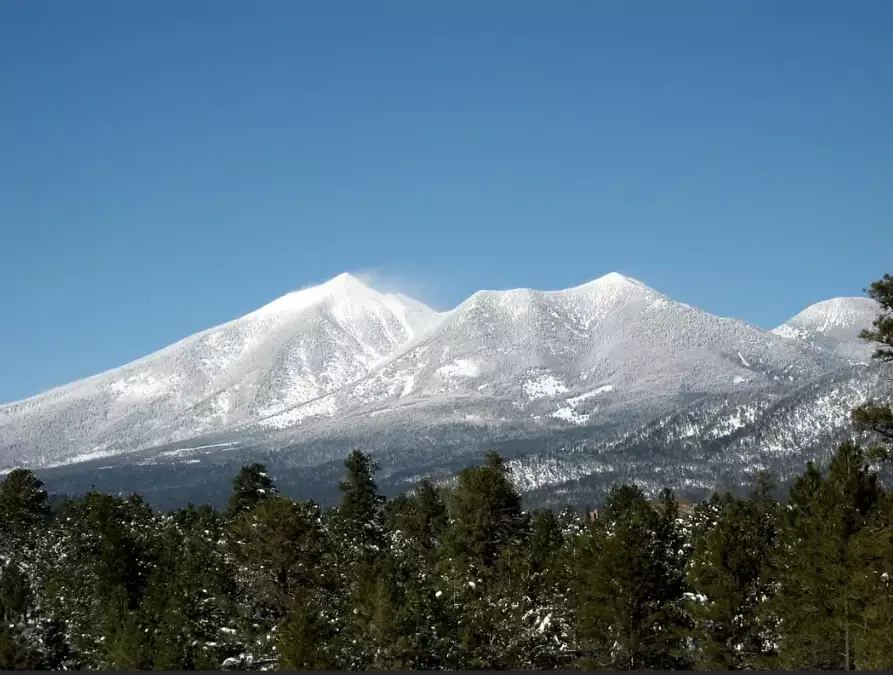
Your Hike at a Glance
Understanding the San Francisco Peaks and Their Sacred Status
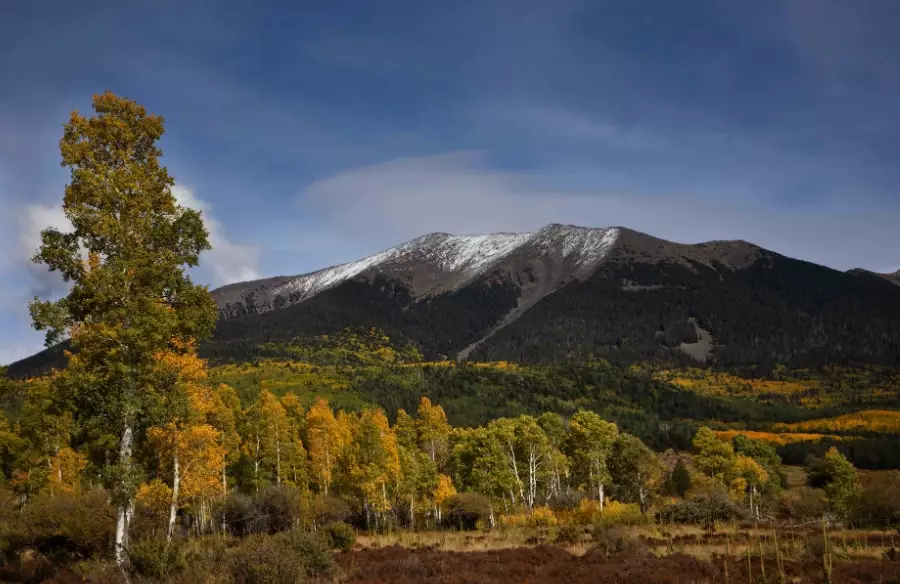
First, let's get the names straight. "San Francisco Peaks" refers to the entire mountain range. The individual high points are Humphreys Peak (12,637 ft), Agassiz Peak (12,356 ft), Fremont Peak (11,969 ft), and others. For the Hopi, Navajo, Havasupai, and other Indigenous nations, these mountains are not recreational areas. They are living deities, central to creation stories and ongoing spiritual practice.
This is why the answer to "can you climb" is so nuanced. Out of respect and in accordance with agreements, Agassiz Peak is permanently closed to the public. There's no trail, and attempting it is both culturally disrespectful and illegal. The summit of Humphreys Peak, however, is accessible via the Humphreys Peak Trail, which is managed by the U.S. Forest Service. The distinction matters. When you hike here, you're a guest in a sacred landscape. The silence you feel isn't just altitude; it's the weight of history.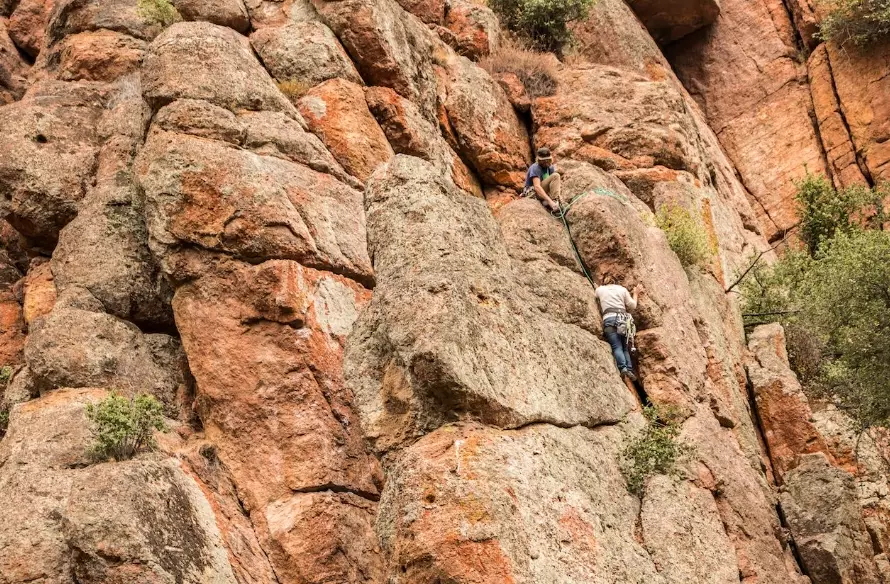
Key Takeaway: You can legally and respectfully climb to the summit of Humphreys Peak via the designated trail. The other major peaks in the range, especially Agassiz, are closed to climbing. Always stay on the marked path.
The Humphreys Peak Trail: Your Route to the Summit
This is the only game in town for a summit climb. The trailhead starts in the Arizona Snowbowl ski area parking lot. Don't let the paved start fool you.
Trailhead Address: Humphreys Peak Trailhead, Snowbowl Rd, Flagstaff, AZ 86001. Use "Arizona Snowbowl" for GPS.
Route: Out-and-back on Humphreys Peak Trail #151.
Round-Trip Distance: 10.5 miles.
Total Elevation Gain: 3,300 feet.
Summit Elevation: 12,637 feet.
No Entrance Fee or Parking Fee for the trailhead itself.
The trail breaks down into three distinct sections. The first 2 miles wind through dense ponderosa pine and aspen forest. It's a steady climb but manageable. You'll hit the "Saddle" around mile 3.5. This is the wide, windy gap between Humphreys and Agassiz. Here, the trees disappear. The trail becomes a rocky, exposed scramble for the final 1.8 miles to the summit.
This final push is where most people either triumph or turn back. The trail is well-defined but consists of loose volcanic rock (scree). You're above 11,500 feet now, and the air is thin. The view, though—it opens up to the entire Colorado Plateau. You can see the Grand Canyon on a clear day.
A personal note: the trail is not particularly scenic until you break treeline. It's a grind. The payoff is 100% at the top. Many newer hikers are surprised by how long the rocky section feels. Pace yourself.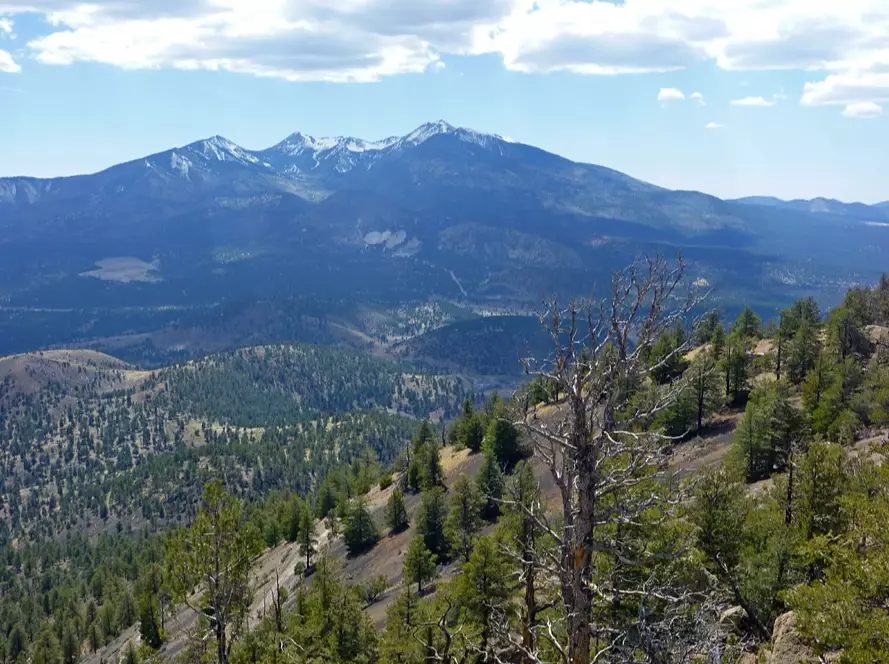
How Hard is the Humphreys Peak Hike?
Let's be blunt: this is a strenuous, difficult hike for most people. It's not a technical climb requiring ropes, but it demands serious fitness and preparation. The difficulty comes from three factors combined:
- Altitude: The summit is over 12,600 feet. If you're coming from sea level, your body will struggle. Headaches, nausea, and profound fatigue are common.
- Distance and Gain: 10.5 miles with 3,300 feet of gain is a big day for any hiker.
- Terrain: The upper section is unstable, ankle-twisting scree. Good footing is hard to find.
I rate it as harder than any day hike in the Grand Canyon. A fit, acclimatized hiker might take 6-7 hours round-trip. For others, 8-10 hours is realistic. The biggest mistake I see? People starting at 10 AM. You need to be off the summit by early afternoon to avoid frequent, dangerous lightning storms. A 5 or 6 AM start is smart.
The Acclimatization Secret Most People Ignore
Spending one night in Flagstaff (elevation 7,000 ft) isn't enough. To really adapt, you need to sleep at altitude for two nights and do a significant warm-up hike the day before. My go-to recommendation is the Kachina Trail on the Peaks' southern slope. It's around 7 miles round-trip at 9,000-10,000 feet. It gets your lungs working without destroying your legs. Hiking Humphreys as your first activity in Arizona is a recipe for misery.
Planning and Logistics: Permits, Parking, and Seasons
Good news: no permit is required for a day hike on the Humphreys Peak Trail. You just show up and go. Overnight camping in the surrounding Kachina Peaks Wilderness requires a free permit, available at self-service stations at the trailhead. The parking lot at Arizona Snowbowl is large, but it fills up by 7:30 AM on summer weekends. Carpool.
Best Season: Late June through early October. The trail is usually snow-free by mid-June, but always check conditions with the Coconino National Forest ranger station. July and August bring monsoon storms—be off the summit by 1 PM. September is golden: stable weather, cooler temps, fewer crowds.
Winter and Spring: This becomes a mountaineering expedition. The trail is buried under deep snow and ice. You need avalanche awareness, crampons, an ice axe, and winter camping experience. Do not attempt without proper training.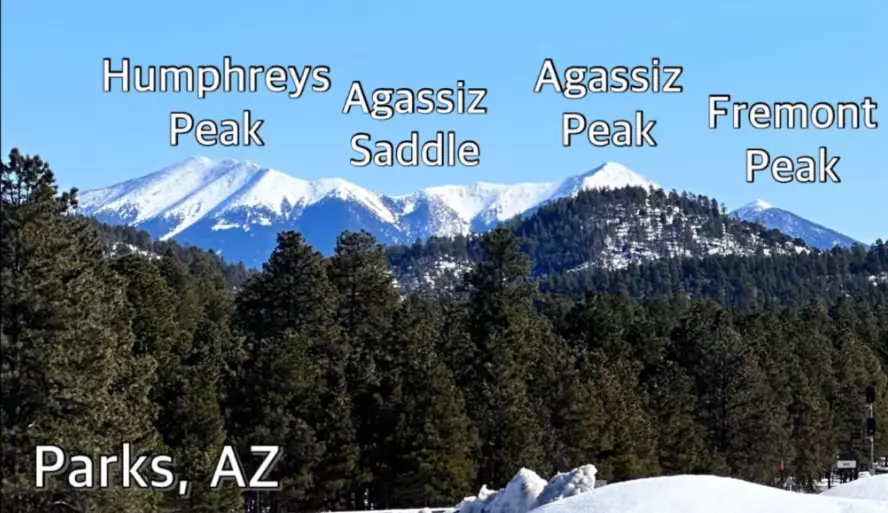
Non-Negotiable Gear and Altitude Preparation
Cotton t-shirts and a single bottle of water won't cut it. The weather above treeline can shift from sunny to freezing hail in 20 minutes. Here’s the gear list I swear by.
| Category | Essential Items | Why It's Critical |
|---|---|---|
| Footwear | Sturdy hiking boots with ankle support | The scree field will destroy running shoes and twist ankles. Boots provide stability on loose rock. |
| Layers | Moisture-wicking base, insulating mid-layer (fleece/puffy), waterproof & windproof shell | The Saddle is famously windy and cold, even in summer. Hypothermia risk is real. |
| Hydration & Food | 3-4 liters of water, electrolyte tablets, high-calorie snacks (nuts, bars, jerky) | Altitude dehydrates you faster. You'll burn more calories than you think. Eat before you're hungry. |
| Navigation & Safety | Physical map/GPS, headlamp, first-aid kit, emergency blanket | Weather can white-out the trail. Many hikers get caught after dark. A headlamp is not optional. |
| Sun & Altitude | SPF 50+ sunscreen, lip balm, sunglasses, wide-brim hat | UV exposure is extreme at 12,000 feet. Sunburn and snow blindness (from reflective rock) are common. |
Beyond gear, listen to your body. If you have a pounding headache, dizziness, or vomiting, you have to descend. That's the only cure for altitude sickness. Pushing to the summit is dangerous.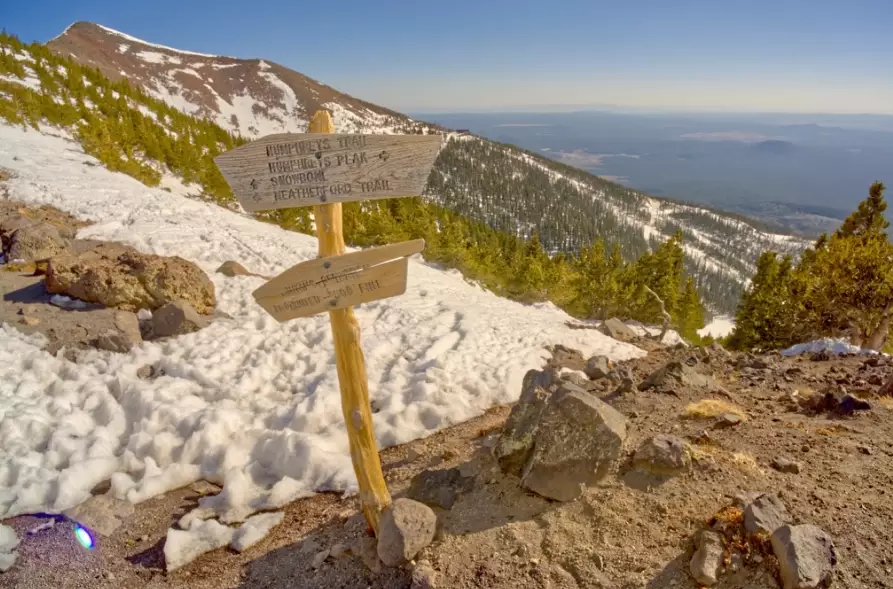
Your Climbing Questions Answered
I’m fit at sea level. Will altitude be a problem on Humphreys Peak?
Almost certainly. Cardiovascular fitness doesn't equate to altitude tolerance. Your body needs time to produce more red blood cells. That’s why the two-night acclimatization in Flagstaff plus a warm-up hike is non-negotiable. The fittest sea-level athlete can be laid low by a headache at 12,000 feet while a less-fit, acclimatized hiker strolls by.
Can I bring my dog on the Humphreys Peak trail?
Technically yes, but I strongly advise against it. The sharp volcanic rock will tear up their paw pads, and dogs are just as susceptible to altitude sickness as humans. I've seen dogs in clear distress on the summit ridge. The long, rocky descent is brutal on their joints. Leave your pup at home for this one.
 What’s the biggest mistake first-time climbers make?
Starting too late. They drive up from Phoenix, start hiking at 9 AM, move slower than expected due to altitude, and get caught in the inevitable afternoon thunderstorm on the exposed summit ridge. This is a serious lightning hazard. If you aren't heading back down from the summit by noon in summer, you’re gambling.
Is there water on the trail?
No. Not a single reliable source. You must carry all the water you’ll need for the entire day. The 3-4 liter recommendation isn’t arbitrary. I’ve run out with 2 liters on a hot day. Dehydration severely worsens altitude sickness.
How do I know if the weather is turning bad?
Watch for cumulus clouds building into tall, anvil-shaped thunderheads (cumulonimbus). If you hear distant thunder, it's time to turn around immediately—no matter how close the summit seems. The rule is: if you can hear it, it can hit you. The ridge is the last place you want to be in a storm.
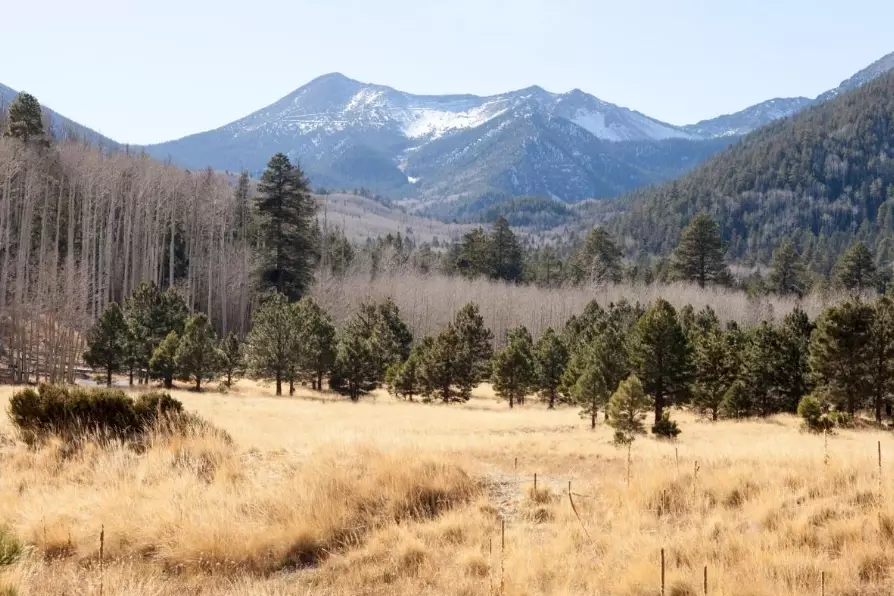 So, can you climb the San Francisco Peaks? The path is clear, but it demands respect—for the culture, the environment, and the mountain's raw physical challenge. Humphreys Peak offers a true wilderness summit experience. Prepare thoroughly, tread lightly, and that view from the top of Arizona will stay with you for a lifetime.
Reader Comments