Let's cut to the chase. Hiking the San Francisco Peaks near Flagstaff, Arizona, is one of the most rewarding and challenging outdoor experiences in the Southwest. It's not just a walk in the woods. It's a journey through ancient volcanic landscapes, subalpine forests, and, if you aim for the summit, a battle with thin air above 12,000 feet. I've lost count of my trips up there over the last decade, and I still learn something new every time. This guide isn't a generic list. It's the hard-won, practical advice you need to choose the right trail, prepare for the altitude, and have a safe, unforgettable adventure.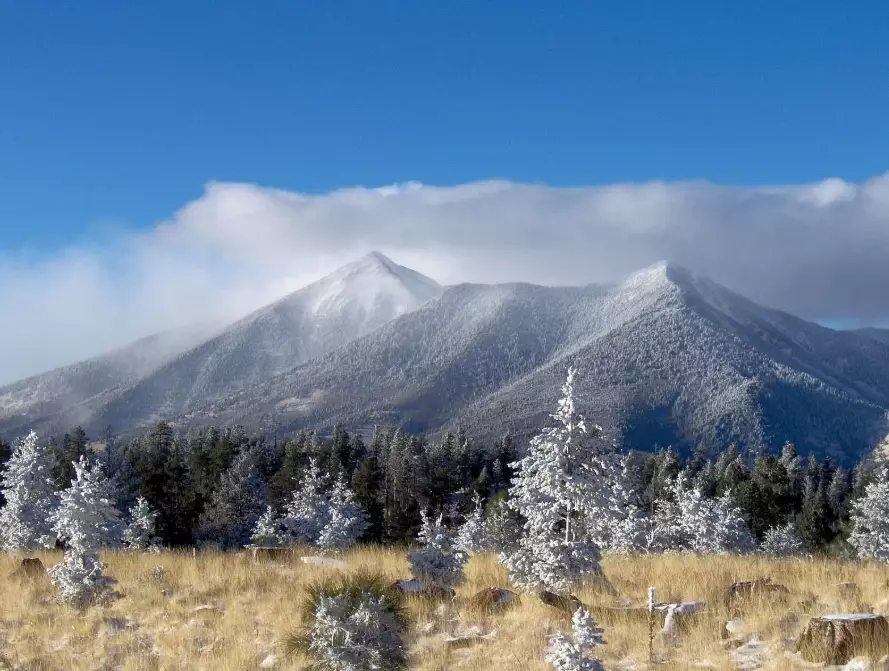
Your Trail Guide at a Glance
- What and Where Are the San Francisco Peaks?
- Choosing Your San Francisco Peaks Hike: Trail Breakdown
- How to Prepare for Your Hike: A Practical Checklist
- Getting There, Permits, and Essential Info
- Beyond the Summit: Enriching Your Flagstaff Hiking Experience
- Frequently Asked Questions (Answered by a Local Hiker)
What and Where Are the San Francisco Peaks?
The San Francisco Peaks are the remains of a massive stratovolcano that collapsed millions of years ago. They dominate the skyline north of Flagstaff, forming the highest mountain range in Arizona. Humphreys Peak is the crown jewel at 12,633 feet. The entire area is sacred to over 13 Native American tribes, including the Navajo and Hopi, who refer to the peaks as Dook'o'oosłííd (the summit that never melts). This isn't just a recreation spot; it's a place of deep cultural significance. Hikers have a responsibility to tread respectfully.
The trails are located within the Coconino National Forest. There's no central "park" entrance. You drive to individual trailheads scattered along highways like US-180 and FR-522. The base town, Flagstaff, sits at about 7,000 feet, so you're already starting high.
Choosing Your San Francisco Peaks Hike: Trail Breakdown
Picking the wrong trail is the most common mistake. Don't just go for the tallest one because it's there. Be honest about your fitness and acclimatization. Here’s the real deal on the main routes.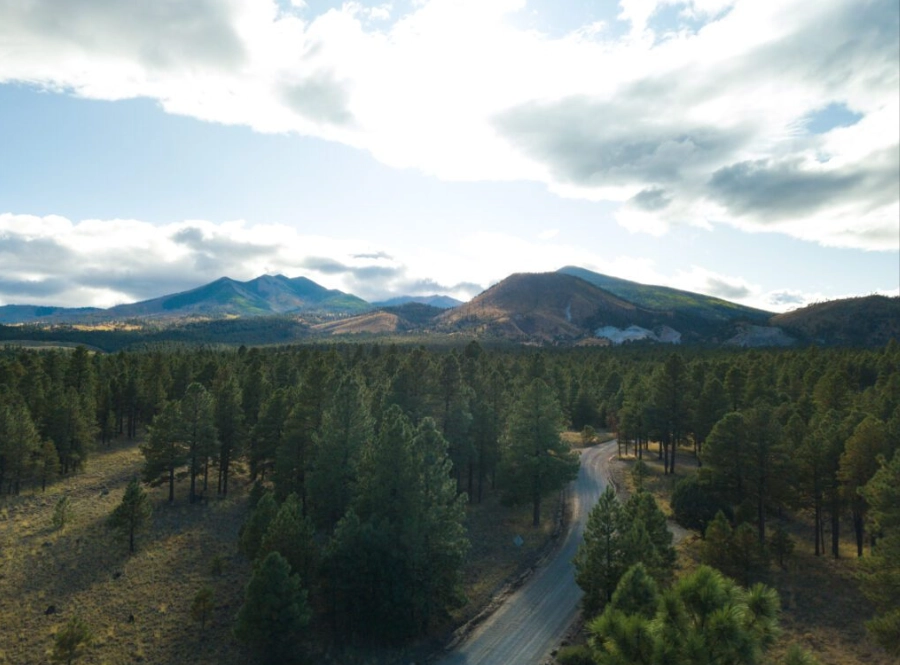
The Summit Challenge: Humphreys Peak Trail
This is the one everyone asks about. The trail to the highest point in Arizona. It's a 10.5-mile out-and-back beast with over 3,300 feet of elevation gain. Most people need 6-9 hours.
The first half through the aspen and pine forests is deceptively pleasant. The real work starts above the treeline around 11,500 feet. The final mile is a relentless scramble over loose volcanic rock (scree) and is completely exposed to the wind. I've seen strong runners from sea level reduced to a crawl by the altitude here. The view? On a clear day, you can see the North Rim of the Grand Canyon. It's staggering. But the wind can be brutal, and afternoon thunderstorms are a real, dangerous threat from July to September.
High-Alpine Beauty Without the Summit Scramble: Kachina Trail
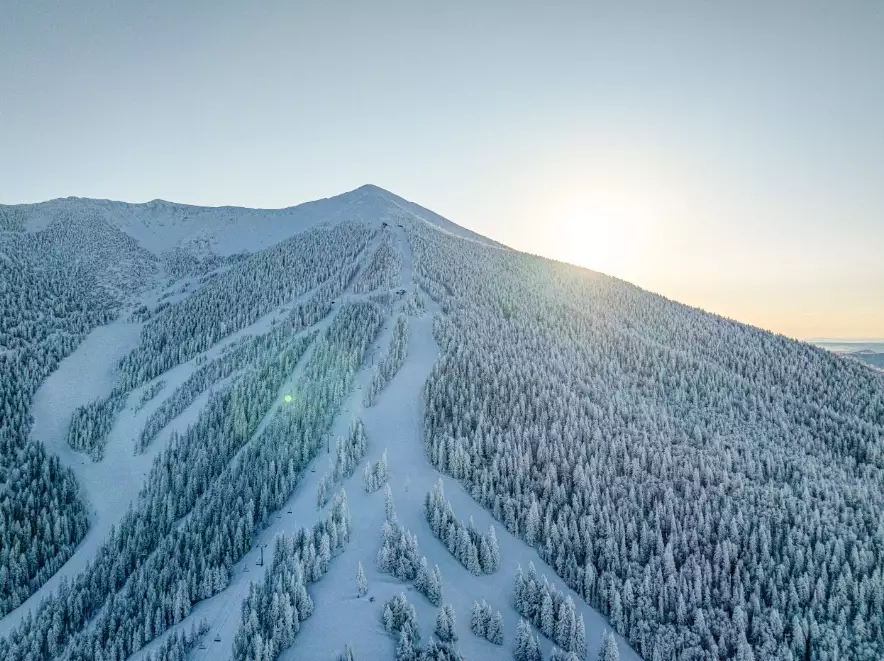
My personal favorite for a stunning, manageable day hike. Starting at the Arizona Snowbowl ski area (around 9,500 ft), this trail contours along the western slopes of the peaks. It's about 6 miles one-way if you do the full traverse (you'll need a shuttle). You get incredible, sustained views across the Inner Basin and into the aspen groves without the lung-busting final climb. Wildflowers in July and August are insane. It's the best introduction to the Peaks' ecosystem.
The Long, Scenic Haul: Weatherford Trail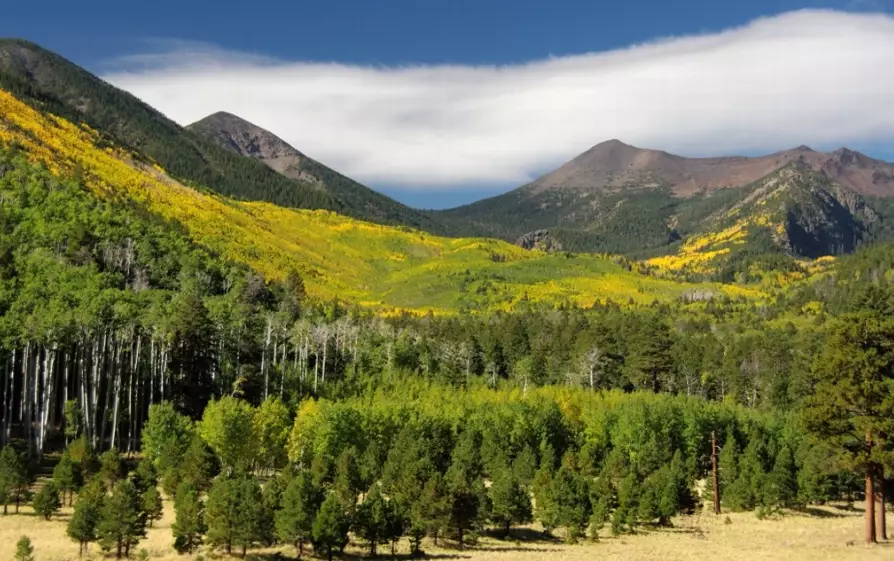
This is the historic trail, used by early forest rangers. It's a long, steady climb—about 8.5 miles one-way to Doyle Saddle between Humphreys and Agassiz Peaks. The grade is more forgiving than Humphreys Peak Trail, but the distance is punishing. It's often used as a backpacking route or a training hike for serious peak-baggers. You'll have solitude and a profound sense of immersion in the wilderness.
| Trail Name | Length (Round Trip) | Elevation Gain | Difficulty | Best For | Key Consideration |
|---|---|---|---|---|---|
| Humphreys Peak Trail | 10.5 miles | ~3,300 ft | Strenuous | Summiting Arizona's high point, peak baggers | Altitude sickness, extreme weather exposure |
| Kachina Trail | 6-12 miles (point-to-point or out-and-back) | ~1,000 ft (net) | Moderate | Alpine views, wildflowers, photography | Less crowded, requires shuttle for full traverse |
| Weatherford Trail | 17+ miles (to Doyle Saddle & back) | ~2,800 ft | Strenuous | Backpacking, solitude, endurance training | Very long, limited water sources |
| Inner Basin Trail (from Lockett Meadow) | 4 miles (round trip to basin) | ~800 ft | Moderate | Fall colors (spectacular aspens), families | Extremely crowded in autumn, rough access road |
Local's Tip: Most blogs will tell you the "best" time is summer. I disagree. Late June can still have deep snow patches. September and early October are the golden windows—stable weather, fewer thunderstorms, and (if you hit the Inner Basin) unreal fall colors. Just be prepared for cold mornings.
How to Prepare for Your Hike: A Practical Checklist
Forgetting water is a mistake. Underestimating the altitude is a trip-ender. Here’s what you actually need.
Acclimatize, Don't Just Arrive and Drive Up. This is the non-negotiable rule. Spend at least 24-48 hours in Flagstaff (7,000 ft) before attempting Humphreys Peak. Go for a short, easy hike at lower elevation first. Hydrate like it's your job. If you feel a headache, nausea, or dizziness, that's altitude sickness. The only cure is to descend.
The 10 Essentials, Tailored for the Peaks:
- Water: 3-4 liters per person for a long hike. There are no reliable water sources on these trails.
- Layers: A moisture-wicking base, insulating mid-layer (fleece/puffy), and a waterproof/windproof shell. The summit can be 30+ degrees colder than the trailhead.
- Footwear: Sturdy hiking boots with ankle support. The trails are rocky and uneven.
- Navigation: A physical map (the Coconino National Forest sells them) and a charged phone/GPS. Cell service is spotty.
- Sun Protection: High-altitude sun is intense. Hat, sunglasses, and SPF 50+ sunscreen.
- Food: High-energy snacks (nuts, bars, jerky) and a solid lunch.
- Headlamp: Even if you plan a day hike, delays happen.
- First-Aid Kit: Include blister treatment and ibuprofen (can help with mild altitude headaches).
What to Leave Behind: Cotton clothing (it gets wet and cold), jeans, flimsy sneakers, and the assumption that because it's Arizona, it's always hot.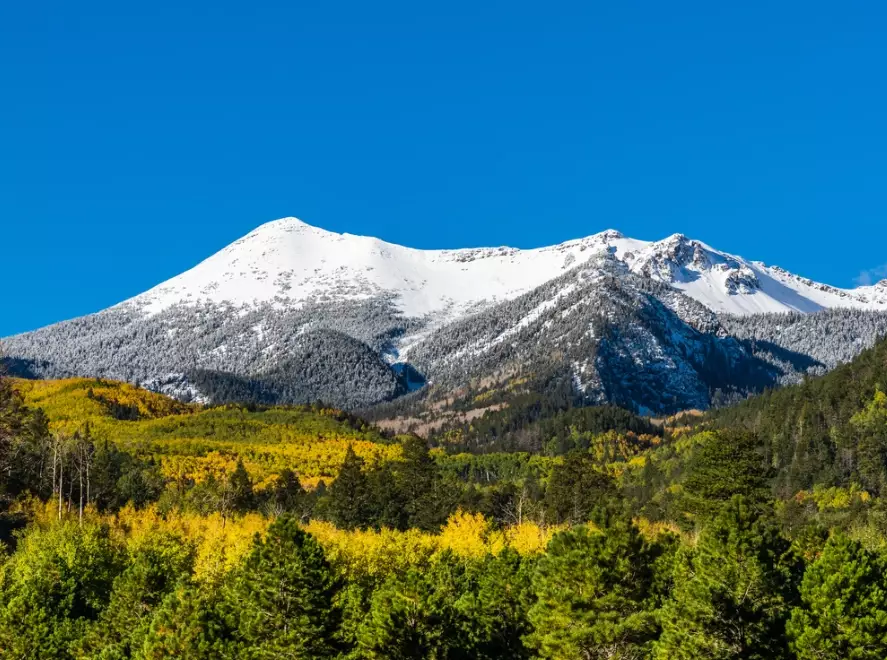
Getting There, Permits, and Essential Info
Address & Trailheads: The main hub is the Arizona Snowbowl ski area (9300 N Snow Bowl Rd, Flagstaff, AZ 86001). This is the start for Humphreys Peak and Kachina trails. For the Inner Basin Trail, you head to Lockett Meadow (follow signs from Highway 89 onto FR-552—a rough, dirt road best for high-clearance vehicles).
Fees & Permits: Good news. Most trailheads do not require a fee or a day-use permit for standard hiking. However, if you plan to park at the Arizona Snowbowl during the summer, there is a daily parking fee (around $10-15 as of this writing). Always check the Coconino National Forest website for the latest alerts, road conditions, and fire restrictions.
Seasonal Access: The high trails are typically snow-free and accessible from late May through October. The Humphreys Peak Trail is often blocked by snowdrifts into June. The Snowbowl ski lift operates in the summer for scenic rides, offering non-hikers amazing views.
Beyond the Summit: Enriching Your Flagstaff Hiking Experience
Flagstaff is more than just a launchpad. Make a trip of it.
Recover in Town: After your hike, head to Historic Downtown Flagstaff. A burger from Diablo Burger (locals swear by it) or a craft beer at one of the dozen breweries (Mother Road is an institution) is the perfect reward.
Alternative Views: If hiking isn't for everyone in your group, the Scenic Chairlift at Arizona Snowbowl runs in summer and fall, taking you to 11,500 feet with minimal effort. The views are panoramic and absolutely worth it.
Extend Your Trip: Combine your Peaks hike with a visit to Wupatki National Monument (ancient Pueblo ruins) or Sunset Crater Volcano National Monument (otherworldly lava flows). They're on the same scenic loop road, making for an incredible day.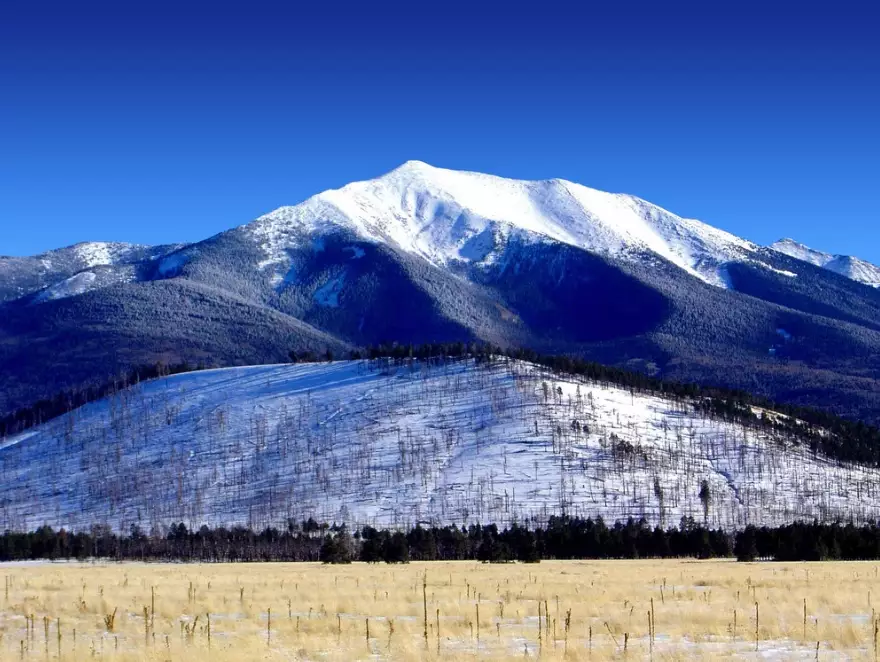
Frequently Asked Questions (Answered by a Local Hiker)
 Is it safe to hike alone on these trails?
Hiking the San Francisco Peaks is a rite of passage for Arizona adventurers and a stunning destination for anyone. It demands respect—for the altitude, the weather, and the cultural significance of the land. With the right preparation and realistic expectations, it can be the highlight of your Southwest travels. Plan smart, pack thoughtfully, and leave only footprints. The view from the top (or even just from the Kachina Trail) will stay with you long after your legs stop aching.
Reader Comments