Your Quick Guide
- What Does "Driving Through" Really Mean? The Permit Wall
- Your Roadmap to Grand Canyon West: The "How-To" of Access
- Vehicle Rules, Fees, and the Nitty-Gritty Details
- What to Expect: The On-Site Logistics
- Common Questions & The Stuff Other Guides Miss
- Why All These Rules? Understanding the Hualapai Perspective
- Final Verdict: Should You Drive to Grand Canyon West?
Let's cut right to the chase, because I know that's why you're here. You've typed "Can you drive through the Hualapai Indian Reservation?" into Google, probably with a picture of the Grand Canyon Skywalk in your mind and a road trip map on your screen. The short, quick answer is: No, you cannot simply drive *through* the Hualapai Reservation as a public thoroughfare. But—and this is a massive, crucial "but"—you absolutely can and must drive onto and within a specific part of it to visit their crown jewel: Grand Canyon West and the Skywalk.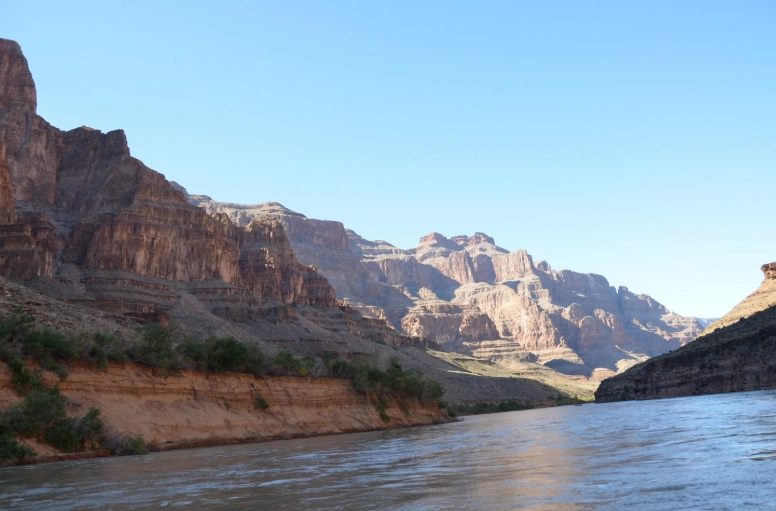
This distinction between "through" and "to" is the single most important thing to understand, and it's where a lot of the online confusion comes from. I made this mistake myself a few years back, thinking I could just take a scenic drive across tribal land. I was wrong, and it led to a last-minute scramble. The Hualapai Reservation is not a national park or a BLM road; it's a sovereign nation. Your right to enter and travel on their roads is a privilege granted by the Hualapai Tribal Council, not a public right. They control the access, the rules, and the fees. Once you wrap your head around that, everything else makes a lot more sense.
What Does "Driving Through" Really Mean? The Permit Wall
When most people ask if they can drive through the Hualapai Indian Reservation, they're imagining a continuous route, maybe State Route 66 vibes, where you enter from one side, enjoy the view, and exit the other side onto another public highway. That's a hard no. There is no through road for general public transit.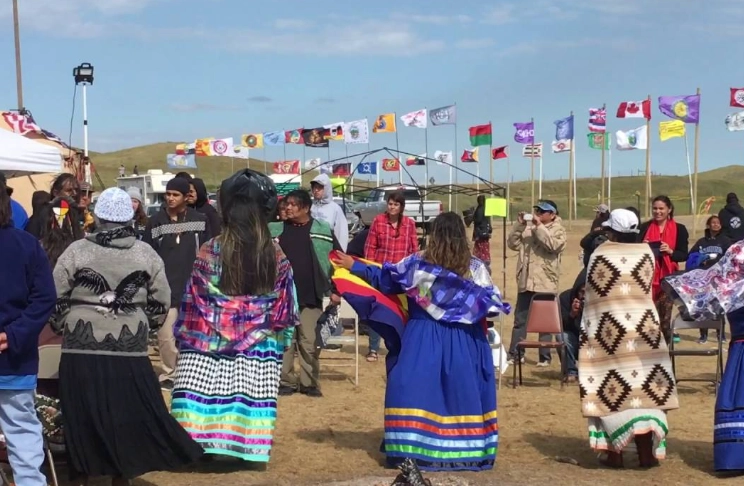
The reservation's road system is for tribal members, residents, authorized services, and visitors with a specific destination and purpose inside the reservation. If your purpose is tourism at Grand Canyon West, you're golden. If your purpose is to save time on a journey from, say, Kingman to Las Vegas by cutting across, it's not permitted. The tribe operates checkpoints to enforce this.
So, the direct answer to "Can you drive through the Hualapai Indian Reservation?" is a clear no for through-traffic. But the practical answer for 99% of readers—tourists wanting to see the Skywalk—is a qualified yes, with rules.
Your Roadmap to Grand Canyon West: The "How-To" of Access
Okay, so you're going to Grand Canyon West. Here’s exactly what driving on the Hualapai Reservation entails. Forget state highway rules; you're playing by a different set now.
The Golden Ticket: The Hualapai Legacy Pass & Entry Permit
You cannot just show up at the gate. All visitors must purchase an entry package. This isn't just an attraction ticket; it's your permit to be on the reservation's roads leading to the rim. The basic package is called the "Legacy Pass."
You buy this online in advance or at the First Stop (the Gateway) on Diamond Bar Road. This purchase is non-negotiable. It covers your entry permit and a shuttle ride along the rim between viewpoints. It does not include the Skywalk itself—that's an extra cost, which honestly feels a bit nickel-and-dimed, but it's their main revenue source.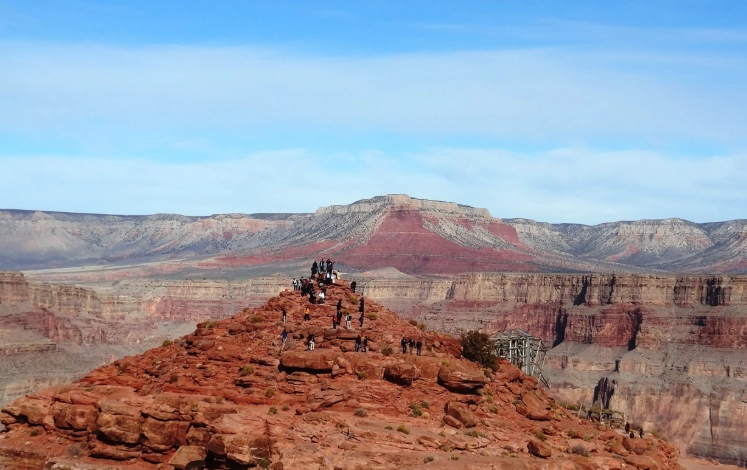
The Drive In: Diamond Bar Road and Pearce Ferry Road
The main public access route is from the west. You'll leave US-93 at the turnoff for Pearce Ferry Road (there are signs for Grand Canyon West). You'll drive on county-maintained Pearce Ferry Road for a while before it turns into Diamond Bar Road, which is the Hualapai-maintained road leading into the reservation.
This is where you'll hit the "First Stop" or Gateway. Present your confirmation if you pre-purchased, or buy your package here. After this point, you are on the reservation's internal road network. The final stretch from the Gateway to the Grand Canyon West terminal is about 14 miles of unpaved, graded dirt road.
Let's talk about that road. It's not terrible, but it's not a freshly paved interstate. It's a wide, maintained gravel and dirt road. You'll encounter dust, some washboarding, and occasional potholes. After rain, it can be muddy. They grade it regularly, but conditions vary.
Vehicle Rules, Fees, and the Nitty-Gritty Details
This is the stuff you need to plan for. The tribe has a detailed fee structure based on your vehicle type. It's not just about people; it's about your car too.
| Vehicle Type | Typical Fee (On top of per-person Legacy Pass) | Notes & Real-World Considerations |
|---|---|---|
| Standard Car / Van / SUV | Usually included in entry. | This covers most personal vehicles. The main cost is the per-person pass. |
| Motorcycle | Additional fee (e.g., $20). | Check the official site for current rates. The dirt road can be tricky for two-wheelers. |
| RV / Large Camper | Significant additional fee (e.g., $50+). | Length restrictions may apply. That final dirt road is not ideal for huge rigs. |
| Commercial Tour Bus | Commercial permit required. | Arrangements must be made directly with the tribe's commercial office. |
A crucial point: All drivers must have a valid driver's license, proof of insurance, and vehicle registration. The tribal police can and do conduct traffic stops. Their laws apply.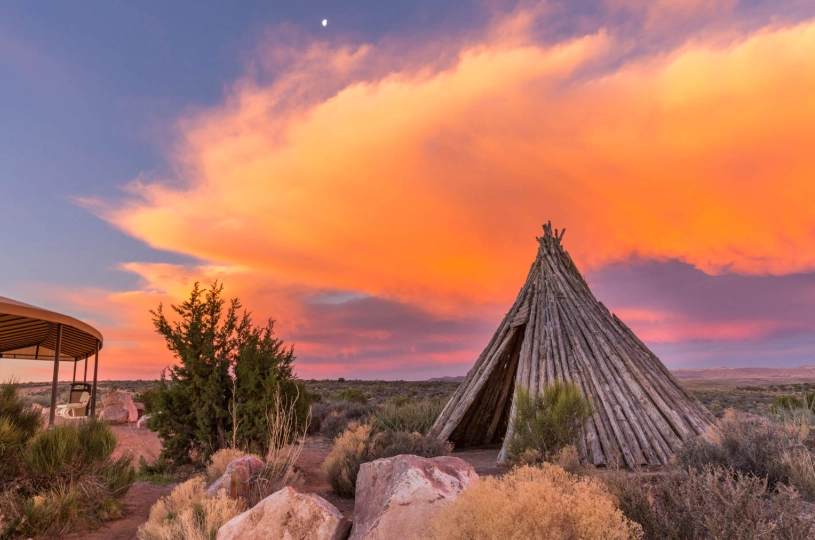
Speed limits are strictly enforced and are low, especially on the dirt sections (often 25-35 mph). This is for dust control and safety. Seriously, obey them. The fines are hefty and must be paid directly to the tribal court.
What to Expect: The On-Site Logistics
Once you park at the Grand Canyon West terminal, your personal driving is done. You'll use their hop-on, hop-off shuttle buses to travel between the three main points: Eagle Point (Skywalk), Guano Point, and Hualapai Ranch. This is part of your Legacy Pass. The shuttle system is efficient, but during peak times, you might wait 15-20 minutes for a bus.
This setup answers another layer of the "Can you drive through the Hualapai Indian Reservation?" question. Even within the tourist zone, you can't just drive your own car from viewpoint to viewpoint. The shuttle system manages congestion and safety on the rim.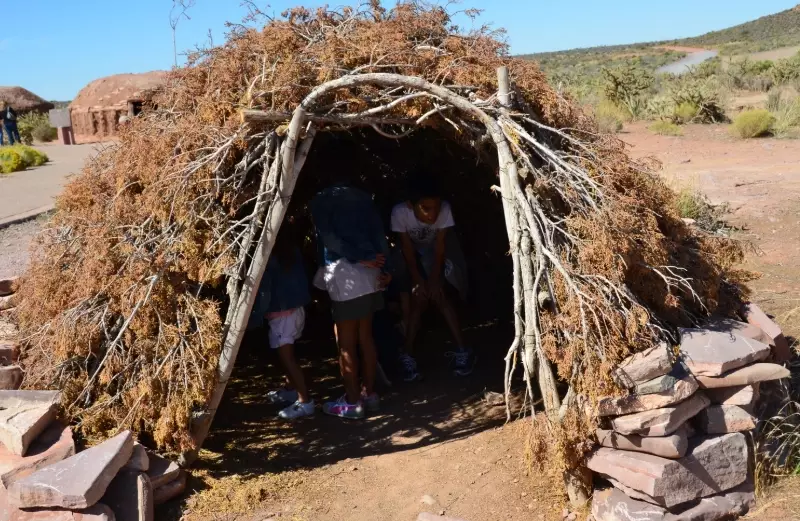
Common Questions & The Stuff Other Guides Miss
Here’s where we dive into the specifics you're probably wondering about.
Can I camp or stay overnight with my vehicle?
Not in your car or RV in the parking lot. The only on-reservation lodging is the Hualapai Lodge in Peach Springs (the tribal headquarters town, not at the canyon) or the cabin-style accommodations at the Hualapai Ranch near the rim. You must book these in advance. Dispersed camping on reservation land is not allowed for visitors.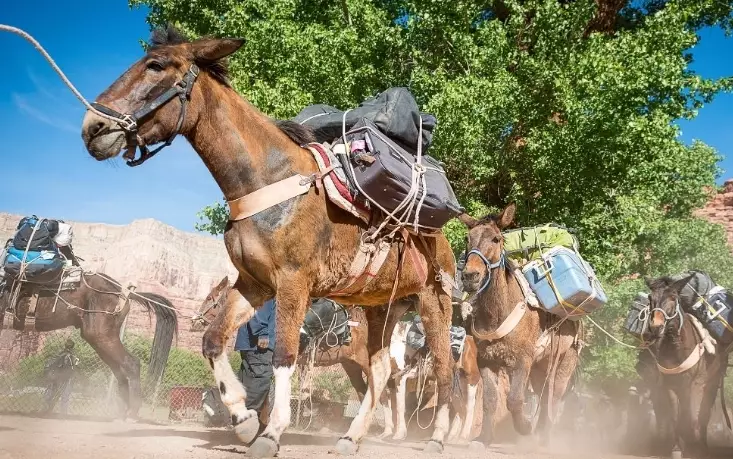
What about gas, repairs, or emergencies?
There are no gas stations or repair services on the road between the Gateway and Grand Canyon West. Fill your tank in Kingman, Dolan Springs, or Las Vegas before you head out. Cell service is spotty to non-existent on the dirt road section. It’s remote. Carry water, snacks, and a basic emergency kit. The tribe has security and medical response at Grand Canyon West itself, but getting help on the access road could take time.
Are there any alternatives to driving myself?
Yes. If the road conditions or rules worry you, consider a tour from Las Vegas. Many companies offer bus or air/ground combo tours that handle all permits and driving. You lose some flexibility, but you gain peace of mind. The Hualapai Tribe also lists authorized tour operators on their official visitor site, GrandCanyonWest.com.
Can I bring my pet?
Pets are generally not allowed on the shuttles or at the rim viewpoints (service animals excepted). They cannot be left in vehicles due to extreme heat dangers. This is a major planning point for pet owners—you'll need to find a pet-sitting solution.
What's the deal with photography permits?
Personal, non-commercial photography for social media or your album is fine with your general admission. However, if you're planning professional shoots (with models, large equipment, for commercial use), you must contact the tribe's office for a separate photography permit. This is strictly enforced.
Why All These Rules? Understanding the Hualapai Perspective
It's easy to get frustrated by the fees and rules. I felt a twinge of it myself. But context is everything. The Hualapai Tribe is not a national park service funded by taxpayer dollars. Grand Canyon West is a tribally owned and operated enterprise. The revenue from every Legacy Pass, Skywalk ticket, and vehicle fee goes directly to supporting the Hualapai community—funding schools, healthcare, housing, and preserving their culture and language.
When you ask, "Can you drive through the Hualapai Indian Reservation?" you're really asking about accessing their homeland. The rules are a way to welcome visitors while protecting their sovereignty, environment, and way of life. The road is rough because maintaining remote infrastructure in the desert is astronomically expensive. The permit system ensures that those who use the roads and services help maintain them.
For the most current, official information on road conditions, fees, and rules, always check the source: the Grand Canyon West official website. For broader Arizona travel road conditions, the AZ511 website is invaluable, though note it may not have detailed info on the tribal-maintained Diamond Bar Road.
Final Verdict: Should You Drive to Grand Canyon West?
If your goal is to stand on the glass of the Skywalk and experience a part of the Grand Canyon few see, then absolutely. Driving yourself is a viable and rewarding option for the prepared traveler.
The Bottom-Line Checklist:
- You are NOT driving "through" the reservation as a shortcut. You are driving to a specific destination.
- Pre-purchase your Legacy Pass online. It's your entry permit.
- Expect a long, slow, dusty dirt road for the final leg. SUV recommended.
- Fill your gas tank and bring supplies before leaving the main highway.
- Budget for the full cost: Legacy Pass + Skywalk ticket (if desired) + any vehicle fees.
- Plan for 3-5 hours minimum at the canyon itself, plus 2-3 hours of driving roundtrip from the US-93 turnoff.
So, can you drive through the Hualapai Indian Reservation? No. But can you have an incredible, self-driven adventure to one of the most unique viewpoints on the planet, hosted by the Hualapai people? One hundred percent yes. Just know the rules of the road before you go.
Reader Comments