Let's cut to the chase. Yes, hiking to the summit of Humphreys Peak, the highest point in Arizona at 12,633 feet, is a difficult hike. It's widely considered the most challenging standard trail in the state. But here's the crucial nuance everyone misses: its difficulty isn't about technical climbing or sheer cliffs. It's a relentless, slow-burn challenge defined by three things – extreme altitude, rugged and often confusing terrain, and wildly unpredictable weather. If you're asking this question, you're smart to do your research. This isn't a casual stroll. It's a full-day, high-elevation endurance test that demands respect and preparation. The good news? With the right info and mindset, it's an absolutely achievable and profoundly rewarding goal for many fit hikers.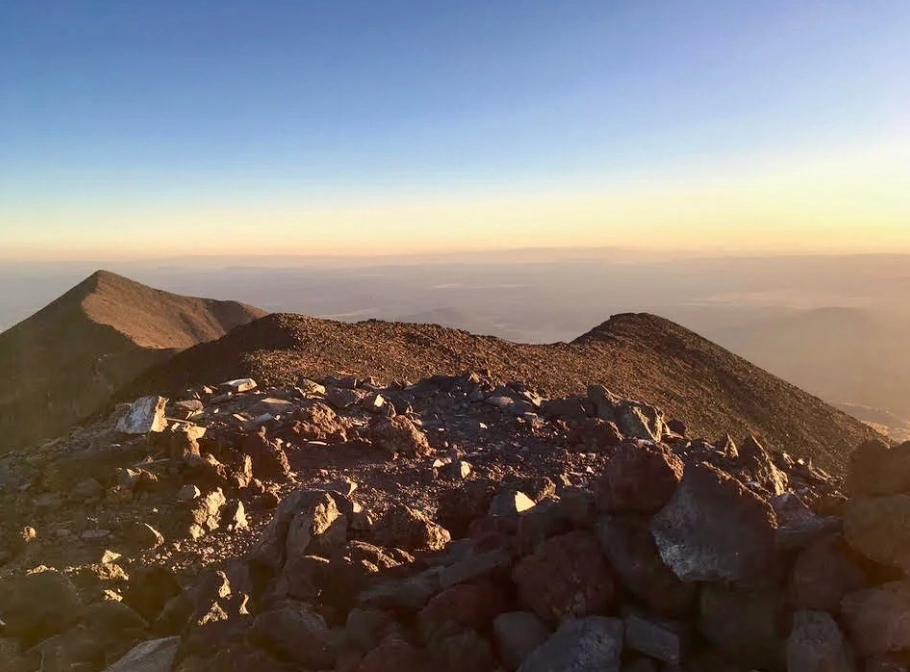
Quick Trail Guide
How Difficult is the Humphreys Peak Hike?
Calling a hike "difficult" is vague. Let's get specific about what you're actually signing up for on the Humphreys Peak Trail (via the Humphreys Peak Trail #151).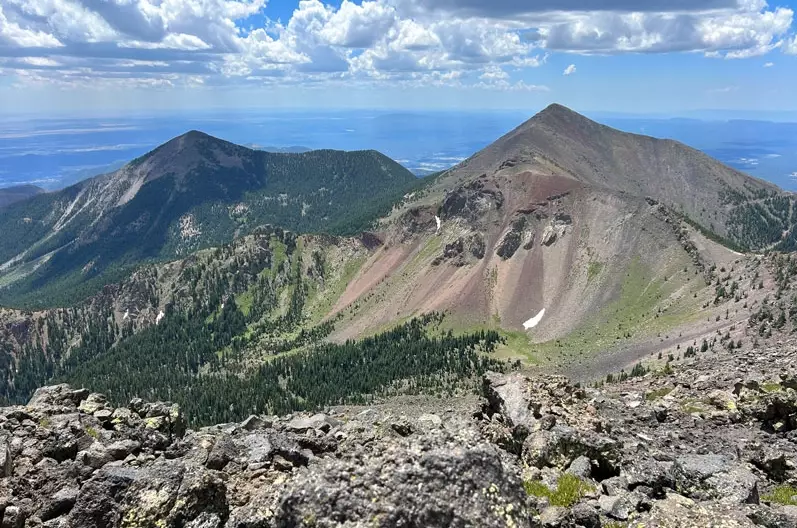
The Altitude is the Real Boss
This is the factor most first-timers grossly underestimate. The trailhead at Arizona Snowbowl starts around 9,300 feet. You live most of your life at maybe 1,000-2,000 feet? Your body is about to work with 30-40% less oxygen. The summit is above 12,600 feet. Headaches, nausea, dizziness, and profound fatigue aren't just possible; they're common. I've seen strong marathoners reduced to a slow, miserable shuffle above 11,000 feet. The trail doesn't get technically harder at the top, but every step feels exponentially harder because your body is screaming for air.
Terrain: More Than Just a Steep Climb
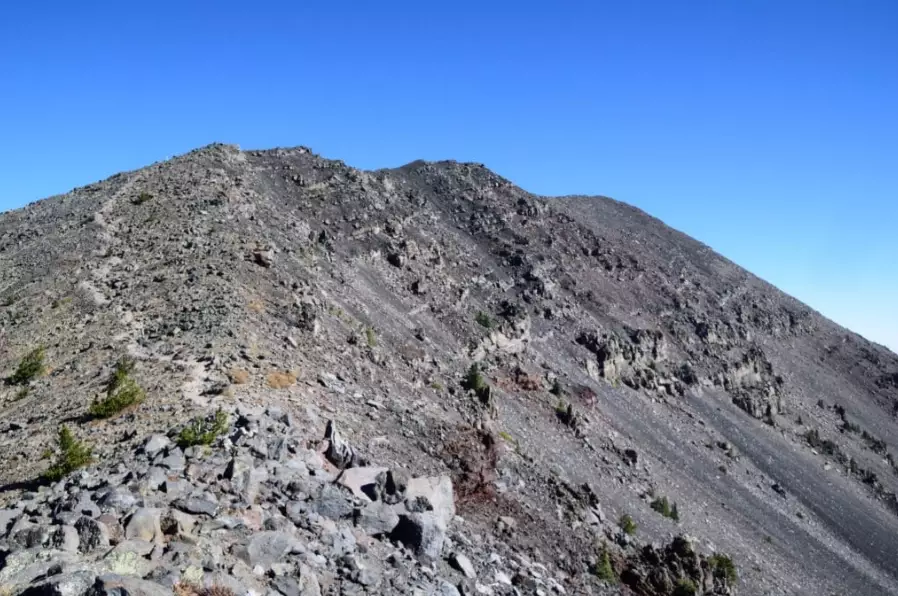
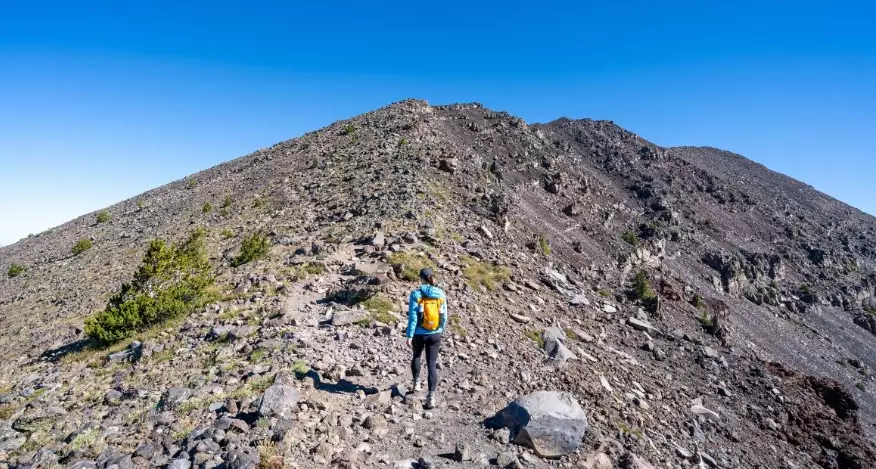
It's 4.8 miles each way, with about 3,300 feet of elevation gain. The grade is consistently steep, but the real kicker is the surface. After the initial well-defined trail through the aspens, you hit the treeline around 11,400 feet. Here, the trail becomes a rocky, ankle-testing scramble across a vast volcanic boulder field. The cairns (rock piles marking the route) are sometimes spaced far apart or knocked over. In early summer, you might be post-holing through stubborn snowfields. This isn't a smooth dirt path. It's a full-body workout requiring constant attention to foot placement.
Weather: It Can Change in Minutes
The summit creates its own weather. The National Weather Service forecasts for Flagstaff are just a starting point. Sunny and 75°F (24°C) at the trailhead can mean 45°F (7°C) with 40 mph winds and sleet at the summit. Afternoon thunderstorms are a deadly serious threat from July through September. You must be prepared for all four seasons in one day.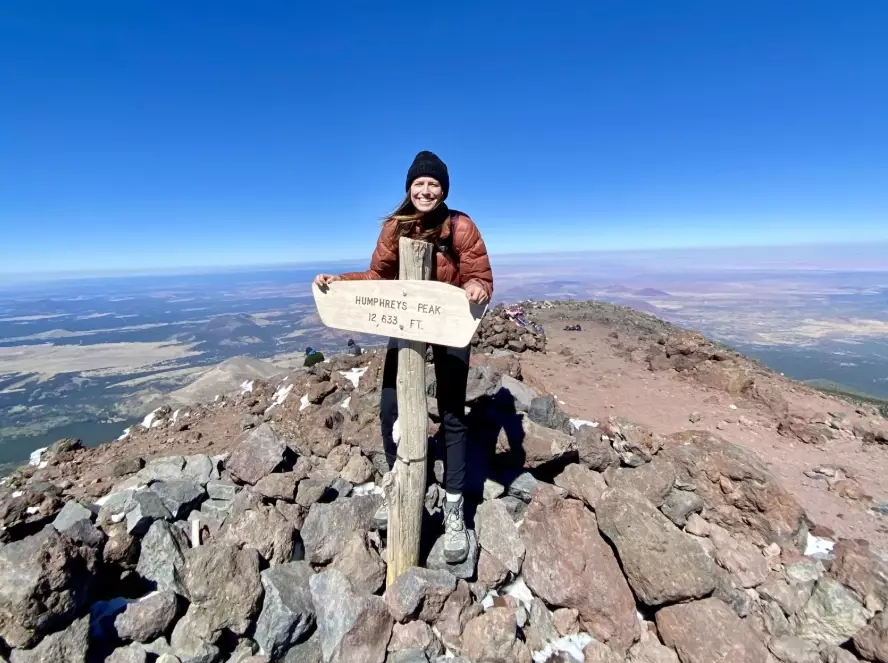
Humphreys Peak Trail Details: What to Expect
Knowing what's coming helps mentally prepare. Here’s the stage-by-stage breakdown of the standard Humphreys Peak Trail.
| Trail Section | Distance (Approx.) | Elevation Gain | Key Features & Challenges |
|---|---|---|---|
| Trailhead to Aspen Corner | 1.5 miles | ~800 ft | Steady climb through dense aspen and pine forest. Well-defined trail. Good warm-up. |
| Aspen Corner to Treeline | 1.3 miles | ~1,200 ft | Forest thins, views open. Trail gets rockier. The climb intensifies noticeably. |
| Treeline to Summit (Boulder Field) | 2.0 miles | ~1,300 ft | The crux. Exposed, rocky, often windy. Follow cairns carefully. Slowest progress. |
Getting There & Logistics
- Address/Trailhead: Humphreys Peak Trail #151 starts from the Humphreys Peak Trailhead in the Arizona Snowbowl ski area. Use this for GPS: Fort Valley Rd, Flagstaff, AZ 86001. Follow signs for Snowbowl, and the large parking lot is on your left before you reach the main ski lodges.
- Parking: A U.S. Forest Service "America the Beautiful" interagency pass covers the $5 daily parking fee. Self-pay stations are available. The lot fills early, especially on weekends—aim to arrive by 6:00 AM.
- No Permit Required: You don't need a hiking permit, just the parking pass.
- Best Time to Hike: Late June through early October is the primary window. Earlier in the season (June/July) means more snow travel and potential need for microspikes. September offers cooler temps and fewer storms. Winter ascents are for experienced mountaineers only.
- Total Time: Plan for 6 to 9 hours round-trip for most hikers. That's not an exaggeration. A fast, acclimatized hiker might do it in 5. A slower party taking lots of breaks can take 10+.
Essential Gear and Preparation for Humphreys Peak
Your packing list is your lifeline. Forget the "10 essentials"—here's the Humphreys Peak-specific list.
Footwear: Already said it, but it's worth repeating. Sturdy, broken-in hiking boots with ankle support and aggressive tread.
Layered Clothing: Think synthetic or wool base layer, insulating mid-layer (fleece/puffy), and a waterproof/windproof shell. Gloves and a warm hat are mandatory, even in summer.
Navigation: A physical map/compass or a GPS device with the trail pre-loaded. Phones can die or lose signal. The trail above treeline is easy to lose in fog or whiteout conditions.
Hydration & Nutrition: Carry at least 3 liters of water. There is no reliable water source on the trail. Bring high-calorie snacks you'll actually want to eat at altitude (energy bars, nuts, dried fruit).
Other Must-Haves: Headlamp (in case you're out longer than planned), sunscreen, sunglasses, trekking poles (a huge help for stability and saving your knees), a basic first-aid kit, and a way to treat water if you plan to filter from the rare snowmelt trickle.
Safety Considerations and Common Mistakes
Beyond gear, your decisions make the difference between a great day and a dangerous one.
1. Underestimating Altitude Sickness. The best prevention is acclimatization. Spend at least one full day in Flagstaff (7,000 ft) before your hike. If you feel symptoms (headache, nausea) above treeline, the only cure is to descend. Pushing to the summit can lead to life-threatening pulmonary or cerebral edema.
2. Starting Too Late. This is the #1 logistical error. You want to be off the summit by noon to avoid lightning. That means starting at dawn, or even before. A 5:00 AM start is not unreasonable. A 9:00 AM start is asking for trouble.
3. Not Checking the Summit Forecast. Don't just look at Flagstaff weather. Use a service like Mountain-Forecast.com for the specific summit conditions. If it predicts high winds (over 30 mph) or a high chance of precipitation, postpone. The summit will still be there.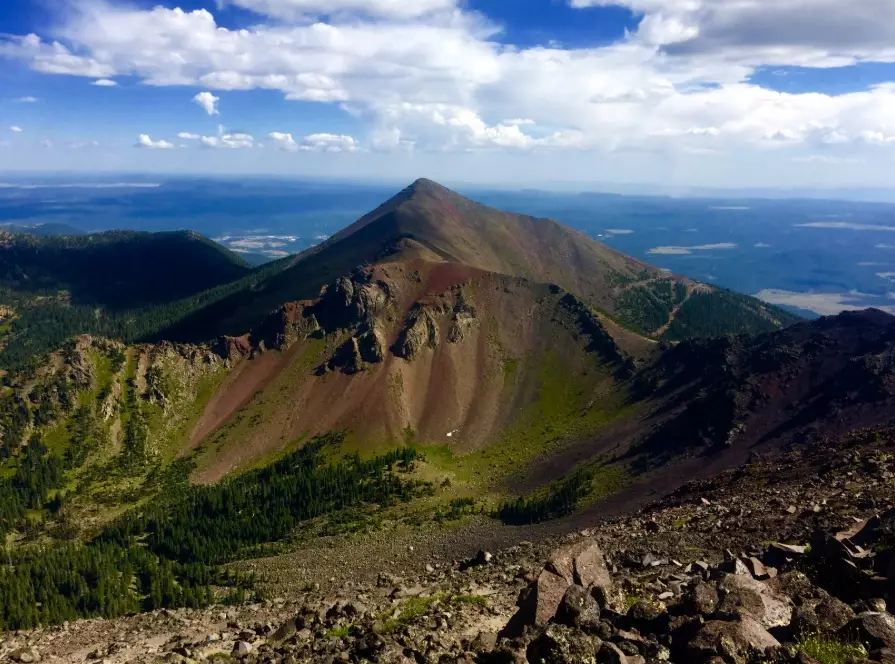
FAQ: Your Humphreys Peak Hiking Questions Answered
I'm a beginner hiker. Can I hike Humphreys Peak?
Can I bring my dog on the Humphreys Peak hike?
 Is there water available on the trail?
What happens if I get lost above the treeline?
Can I do Humphreys Peak as a day trip from Phoenix?
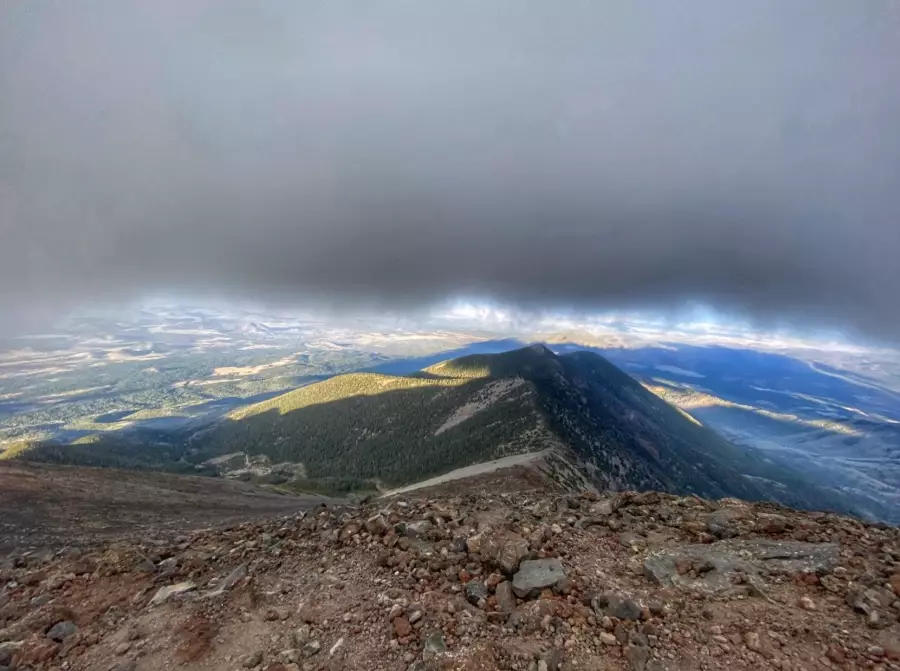 So, is Humphreys Peak a difficult hike? Unquestionably. It's a serious physical and mental undertaking that commands preparation. But its difficulty is also what makes standing on that rocky summit, looking out over the entire state of Arizona, feel like a genuine accomplishment. It's not just a hike; it's a benchmark. Respect the mountain, prepare meticulously, and you'll earn one of the most stunning views in the American Southwest.
Reader Comments