You see the photos. Turquoise water, white villages clinging to cliffs, endless sunshine. The Mediterranean coast calls to everyone. But here's the thing most guides don't tell you: treating it as one single destination is your first mistake. The coastline from Spain to Turkey isn't a monolith; it's a collection of distinct personalities, each with its own rhythm, cuisine, and secrets.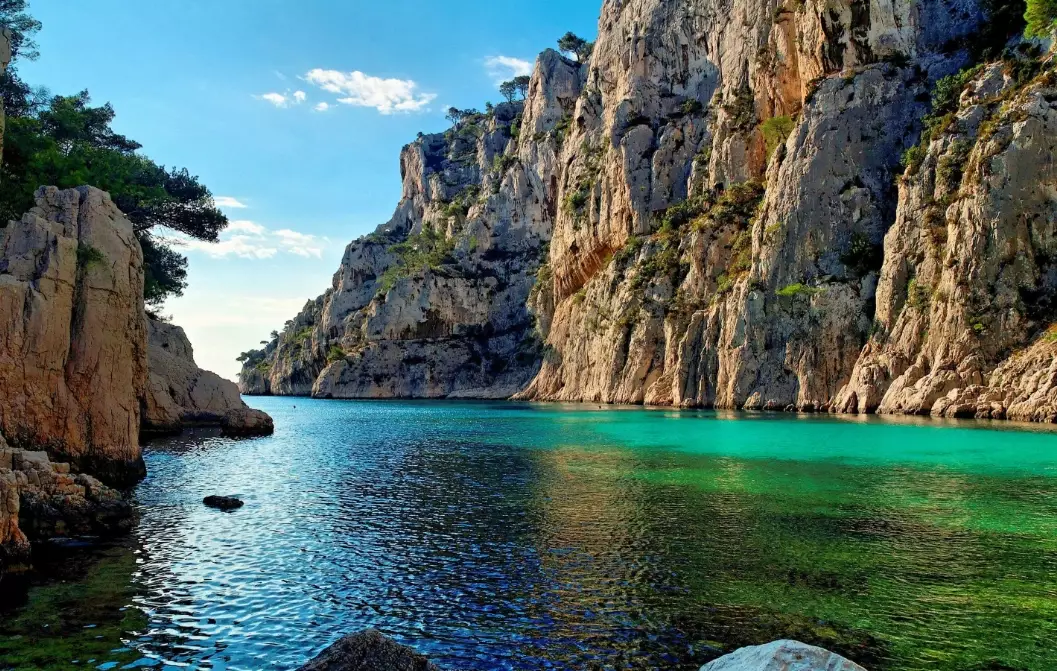
I've spent over a decade hopping between these shores, from the crowded hotspots to the villages where time seems to have paused. I've seen the transformation, the overtourism, and the stunning places that still feel untouched. This isn't just a list of pretty towns. It's a strategic guide to matching the right slice of Mediterranean coast to your travel style, with the nitty-gritty details you need to book it.
Your Mediterranean Coastline Roadmap
The Mediterranean Coastline Breakdown: Three Unmissable Stretches
Forget trying to see it all. Pick one region and dive deep. These three offer the best mix of scenery, culture, and logistics.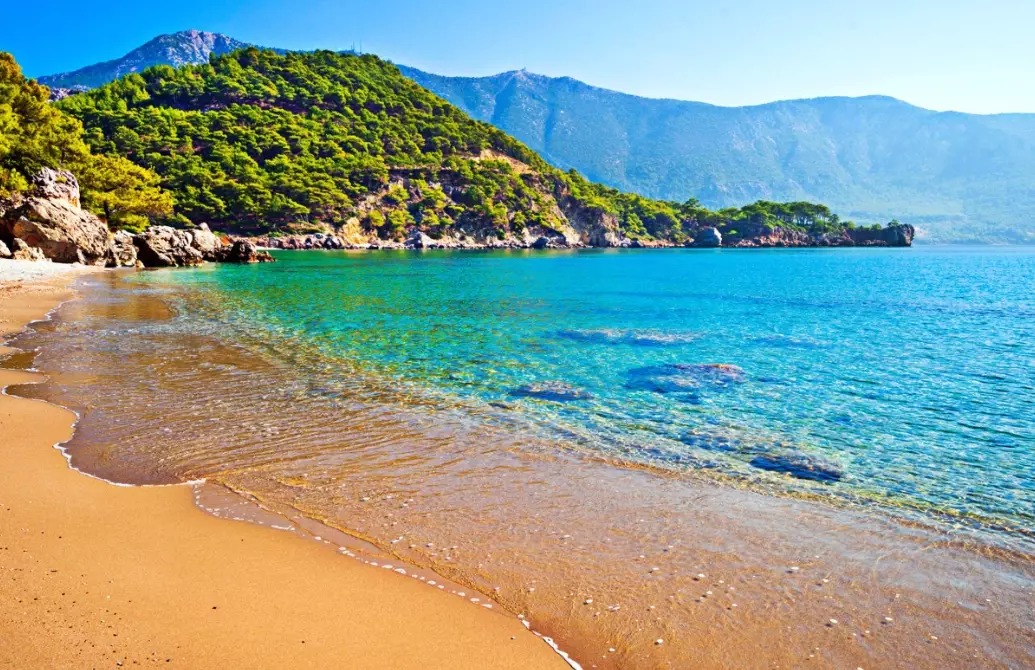
The Amalfi Coast & Cilento, Italy: Drama and Dolce Vita
Yes, Positano is as stunning as the pictures. It's also packed and pricey. The expert move? Use it as a day trip hub, not your base.
Base Yourself in: Praiano or Minori. Praiano sits between Positano and Amalfi, with killer sunset views, fewer crowds, and better hotel value. Minori is flatter, more local, and has a real sandy beach—a rarity here.
Don't Miss Drive: The SS163 coastal road is the star. Rent a small car (essential) or use the SITA buses. The stretch from Vietri sul Mare to Positano is the classic. For a secret, head south past Salerno into the Cilento Coast, a UNESCO area with wilder beauty. UNESCO lists its national park and archaeological sites. The Greek temples at Paestum are quieter than anything in Greece.
Eat Here:
| Restaurant | Location | Specialty | Note |
|---|---|---|---|
| Lo Scoglio | Marina del Cantone (Sorrento Coast) | Fresh seafood spaghetti, served on a pier | Book weeks ahead. Worth it. |
| Da Teresa | Praiano | Pasta with zucchini and seafood | Family-run, no frills, authentic. |
| Pasticceria Sal De Riso | Minori | Lemon Delight dessert | A famous pastry shop, not a full restaurant. |
The Dalmatian Coast, Croatia: History and Island Hopping
Croatia's coast is a fortress-dotted, island-speckled masterpiece. Dubrovnik is magical at 7 AM, a theme park by 10 AM. My advice? See it, then get out.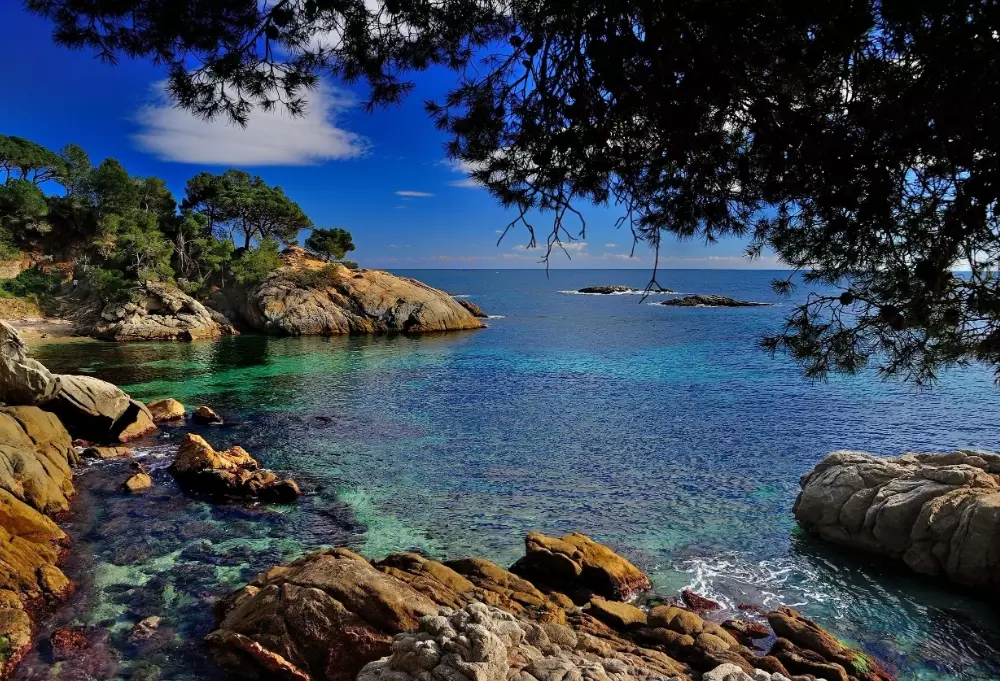
Base Yourself in: Split or Hvar Town. Split has Diocletian's Palace as its living heart, ferry connections to everywhere, and a gritty, real-city vibe. Hvar Town is the chic island base, but stay in the backstreets, not the waterfront, for better prices.
Island Strategy: The public ferries (Jadrolinija) are reliable and cheap. For a day most miss, take the ferry from Split to Šolta island. No grand sights, just olive groves, a few fishing villages like Maslinica, and a slow pace. Eat at Konoba Šampjer in Stomorska.
Stay Here:
- Villa Split Heritage Hotel (Split): Small, within the palace walls. Rooms from €180/night. You're in the middle of history.
- Adriana Hvar Spa Hotel (Hvar): Rooftop pool with harbor views. From €250/night. Book early for summer.
- Apartments & Rooms Nono (Korčula Island): In Korčula town, family-run, great value. From €80/night. Korčula is like a mini, sleepier Dubrovnik.
The Turquoise Coast (Lykian Way), Turkey: Rugged Beauty and Ruins
Turkey's Mediterranean coast, especially the Lykian region, delivers staggering value and landscape diversity—sandy beaches meet pine forests and ancient ruins tumbling into the sea.
Base Yourself in: Kaş or Çıralı. Kaş is a charming, low-rise harbor town with a bohemian feel, fantastic diving, and day trips to Greek islands. Çıralı is a nature-focused village with a long, turtle-protected beach and the eternal flames of the Chimaera.
Must-Do Experience: Sail on a traditional gulet boat for a 3 or 4-day blue cruise from Fethiye to Olympos. You sleep on deck, swim in deserted coves, and eat freshly caught fish. It's the best way to see the inaccessible coastline. Book through reputable local agencies like Lonely Planet-recommended operators.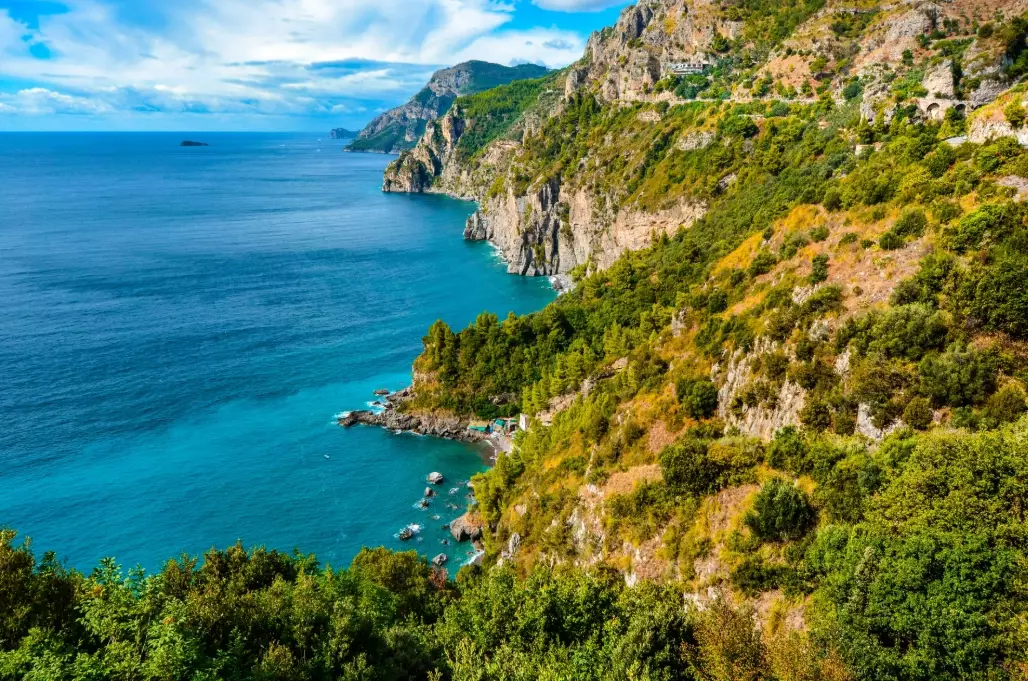
Visit These Ruins:
- Patara: Vast, empty ruins behind one of the Mediterranean's longest sandy beaches. Entry ~50 TL. Combine beach and history.
- Olympos: Tree-house hostels and ruins scattered along a river valley. Quirky and atmospheric.
- Kaputaş Beach: Not ruins, but the iconic cove beach accessed by a steep staircase. Go early or late to avoid the midday tour bus crush.
How to Plan Your Perfect Mediterranean Itinerary
Here’s a 7-day framework you can adapt. The key is two bases max. Unpack once, explore radially.
Days 1-3: Split. Explore the palace, day trip to Šolta or Trogir. Ferry to Hvar on afternoon of Day 3.
Days 4-5: Hvar. Hike to the fortress, rent a scooter to visit Stari Grad Plain (UNESCO) or the Pakleni Islands.
Day 6: Day Trip to Korčula. Early ferry, explore the medieval town, try local Grk wine, evening ferry back.
Day 7: Return to Split for flights, or extend south to Dubrovnik (add 2-3 days).
For a road trip, try this: Fly into Naples, out of Bari.
- Naples to Sorrento (base 3 nights for Pompeii, Capri, Amalfi day trips).
- Drive south through Amalfi Coast to Maratea (the "Pearl of Tyrrhenian") for 2 nights.
- Continue to Matera (cave city) and the Puglia region, flying out of Bari.
This avoids backtracking and shows incredible variety.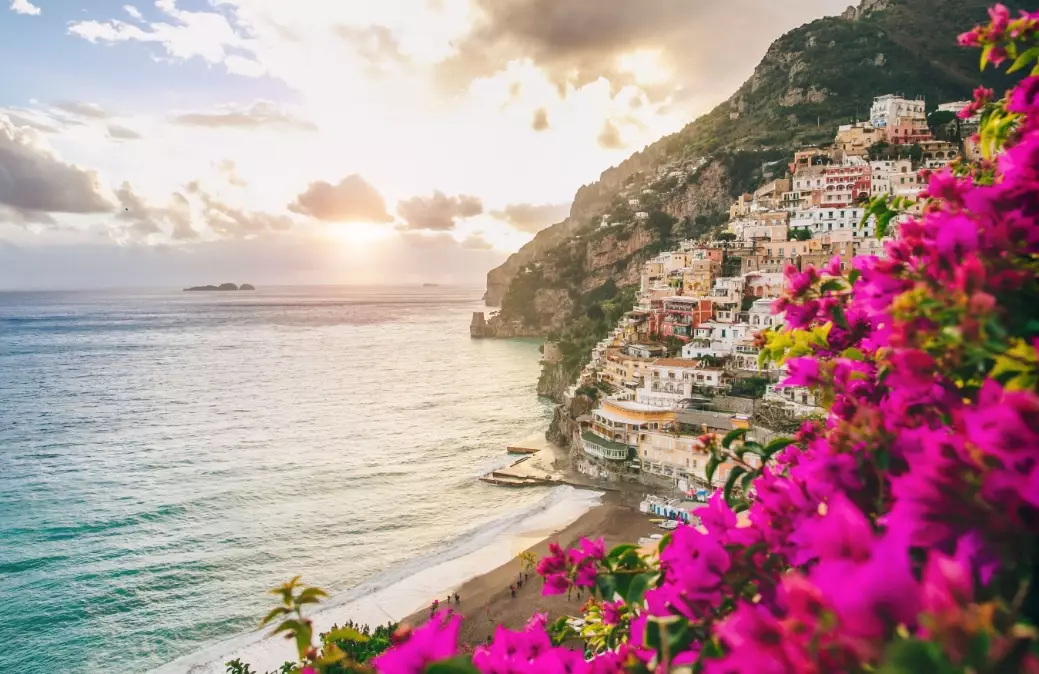
Practical Tips for Your Mediterranean Coast Trip
These are the details that make or break a trip.
When to Go: Late May-June and September-early October. The water is warm, prices are lower, and towns aren't suffocated. July-August is hot, crowded, and expensive—only go then if you thrive on heat and energy.
Getting Around:
- Car: Essential for Italy's Amalfi/Cilento, Turkey's Turquoise Coast, and parts of Spain/France. Book months ahead for summer, get the smallest car possible for narrow lanes.
- Ferry/Boat: The lifeline in Croatia, Greece, and between islands. Check schedules on official sites like Jadrolinija (Croatia) or Hellenic Seaways (Greece).
- Bus/Train: Excellent in Spain (along Costa Brava) and connecting major French Riviera towns.
Budgeting (Per Day, Mid-Range):
| Region | Accommodation | Food & Drink | Activities/Transport | Total (Approx.) |
|---|---|---|---|---|
| Amalfi Coast, Italy | €150-250 | €80-120 | €50 (bus/boat trips) | €280-420 |
| Dalmatian Coast, Croatia | €100-180 | €50-80 | €40 (ferry tickets) | €190-300 |
| Turquoise Coast, Turkey | €60-120 | €30-50 | €30 (site entries, dolmuş) | €120-200 |
Packing Non-Negotiables: Sturdy walking sandals (cobblestones are murder), a sun hat with a strap (sea wind), a reusable water bottle, a light scarf for visiting churches/mosques, and a European plug adapter. Leave the heels at home.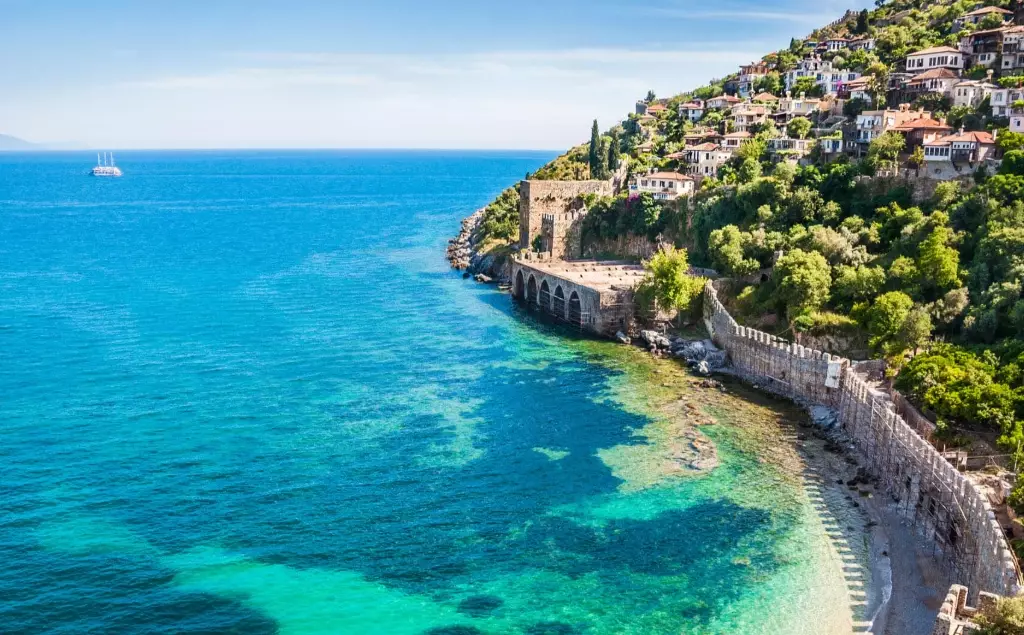
Mediterranean Coast Travel: Your Questions Answered
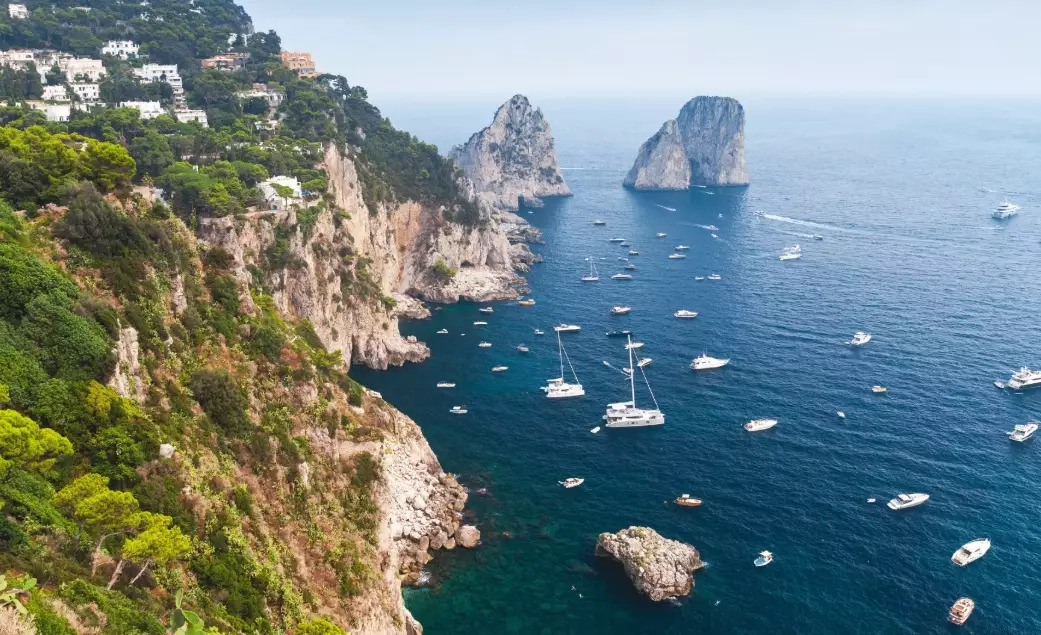
The Mediterranean coast isn't a checklist. It's a feeling. The smell of pine and salt, the taste of a just-caught sea bream, the warmth of the sun on ancient stone. Don't rush to tick off every famous name. Find your two or three bases, settle in, and let the rhythm of that particular coast find you. That's where the real magic happens, far from the crowded Instagram spots, in the quiet moment when you have a hidden cove or a village square all to yourself.
Reader Comments