There's nothing quite like falling asleep to the sound of waves and waking up to a sunrise over the water. Coastal camping offers that unique blend of wilderness adventure and serene beauty. But finding a great spot, knowing what to bring, and avoiding common pitfalls isn't always straightforward. After over a decade of chasing the perfect seaside campsite from Maine to California, I've learned what makes the experience magical—and what can turn it into a windy, sandy mess.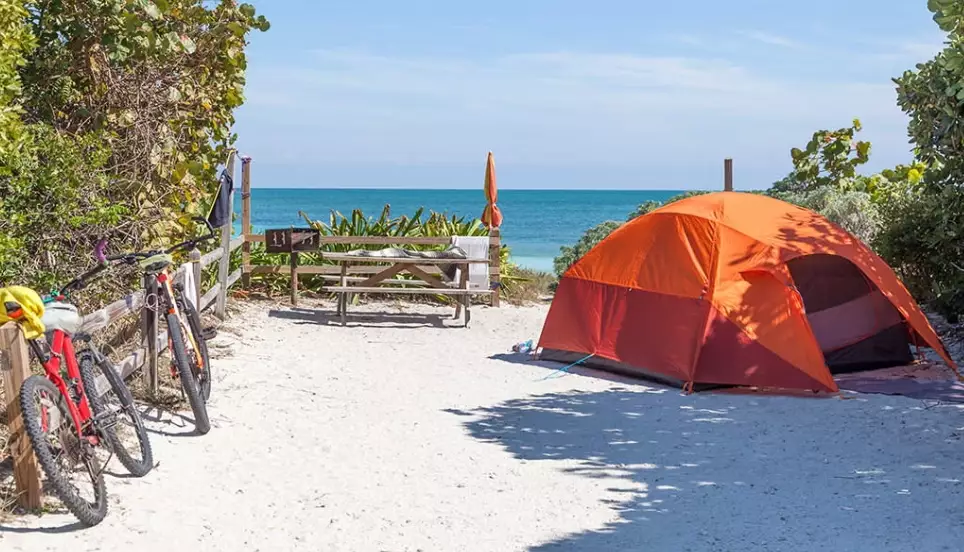
This guide cuts through the noise. We'll cover exactly how to find and book the best coastal camping sites, what most packing lists forget, and my personal top picks across the country.
What's Inside This Guide
Why Coastal Camping is Worth the Effort
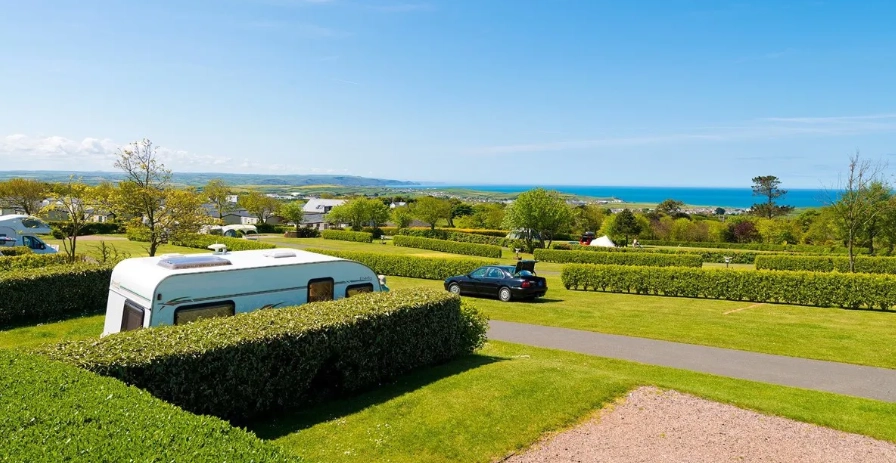
Sure, any camping trip is fun. But oceanfront spots deliver a different category of experience. The air smells different—salty and clean. The light at dawn and dusk is photographer's gold. Your backyard is a beach for evening strolls. The constant white noise of the surf masks other camper sounds, offering a surprising sense of privacy and immersion.
It's not all Instagram-perfect sunsets, though. The wind can be relentless. Sand gets everywhere. Salt spray can mist your gear. The popularity of beach camping means sites book up months in advance. Understanding these trade-offs is step one.
How to Choose Your Perfect Coastal Campsite
Not all beach campsites are created equal. A rookie mistake is booking the first "ocean view" spot you see. You need to dig deeper. Here’s what I scrutinize before hitting "reserve":
Accessibility and Terrain
Is it drive-in, hike-in, or even boat-in? A drive-in site at a state park is great for families with lots of gear. A remote hike-in spot on a national seashore offers solitude but means you're carrying everything. Check the road and path conditions—deep sand or rocky trails can be a problem for some vehicles.
Facilities vs. Primitive Experience
Do you need running water, flush toilets, and a camp store? Or are you okay with a pit toilet and packing in all your water? Developed campgrounds are comfortable but can feel crowded. Primitive sites offer raw beauty but require more preparation and self-sufficiency.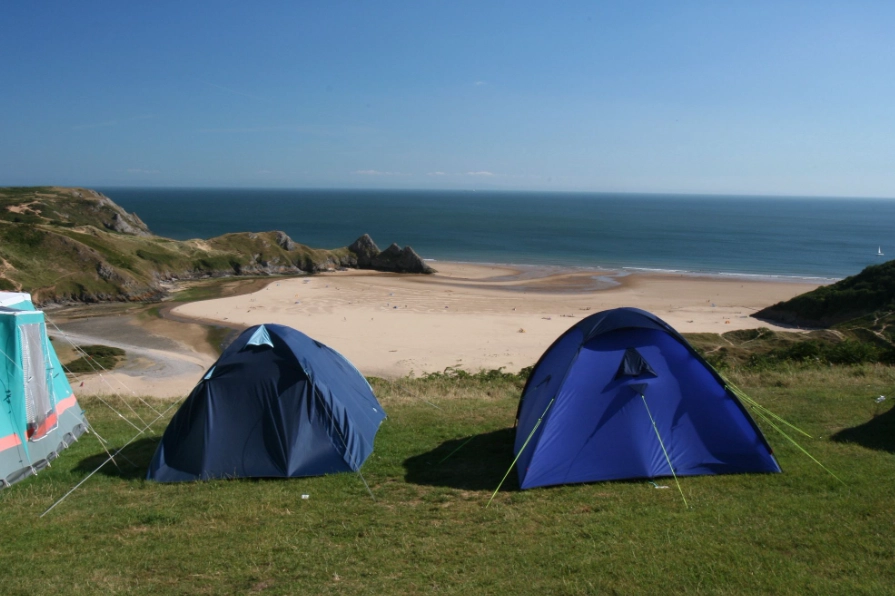
The View and Exposure
"Ocean view" can mean a sliver of blue between dunes or a 180-degree panorama. Look at photos from past campers, not just the park's promotional shots. Also, consider exposure. A bluff-top site has amazing views but takes the full force of the wind. A site nestled in a dune or copse of trees is more sheltered.
Top U.S. Coastal Campgrounds: A Detailed Breakdown
Based on accessibility, scenery, and overall experience, here are five standout coastal camping destinations. This table gives you the hard facts to compare.
| Campground Name & Location | Type & Booking | Key Features & Notes | Best For |
|---|---|---|---|
| Kalaloch Campground, Olympic National Park, WA Address: Kalaloch Campground Rd, Forks, WA 98331 |
Drive-in, standard sites. Reservations via Recreation.gov (book 6 months ahead). Fees: $24-50/night. | Sites perched on a bluff overlooking the Pacific. Old-growth forest behind you, beach access via stairs. Some sites (like #44) are legendary for their views. Full amenities: water, flush toilets. Watch for morning fog. | Families, first-time coastal campers, photographers. Easy access with classic PNW moody beauty. |
| Assateague Island National Seashore, MD & VA Oceanside Drive-in & Backcountry Sites. |
Mix of reservable and first-come, first-served. Reserve on Recreation.gov. Fees: $30-50/night for drive-in. | Camp with the famous wild horses roaming free. Miles of undeveloped beach. Mosquitoes can be fierce in summer—bring a screened shelter. No shade, fully exposed. Cold showers available. | Wildlife enthusiasts, beach purists, backpackers (for backcountry sites). A truly unique experience. |
| Morro Strand State Beach, CA Address: 1 Main St, Morro Bay, CA 93442 |
RV and tent sites on the sand. Reservations via ReserveCalifornia. Fees: $35-50/night. | Literally camp on the beach with views of Morro Rock. Amazing sunsets. Can be very windy and cold at night, even in summer. Basic amenities: restrooms, showers. No hookups at tent sites. | RV campers, surfers, sunset chasers. The most "on-the-beach" feel you can get with a car. |
| Hither Hills State Park, NY Address: 164 Old Montauk Hwy, Montauk, NY 11954 |
Extremely popular drive-in campground. Reservations open 9 months prior on ReserveAmerica. Fees: $45-75/night. | Rare Atlantic coast camping with sites walking distance to the beach. Some sites are "walk-in" from the parking area. Heavily wooded, offering good wind protection. Full facilities. Books up instantly for summer. | East Coast families, those wanting a mix of beach and woods. A social, classic camping vibe. |
| South Beach Campground, OR Address: South Beach State Park, Newport, OR 97366 |
Large, well-organized state park. Reservations on ReserveAmerica. Fees: $24-53/night. | A short walk through dunes to a massive, driftwood-strewn beach. Yurts available for rent—a game-changer in rainy weather. Very clean facilities, hiking/biking trails. Often breezy. | All types of campers, yurt enthusiasts, storm watchers (in winter). Reliable Oregon coast experience. |
My personal dark horse? The backcountry sites at Point Reyes National Seashore in California. It's a 2-6 mile hike to beaches like Coast Camp or Wildcat, but you get absolute solitude and the sound of elephant seals. No reservations? Check state forests or Bureau of Land Management (BLM) land. Places like the Oregon Dunes National Recreation Area have dispersed camping areas that are free but offer zero facilities.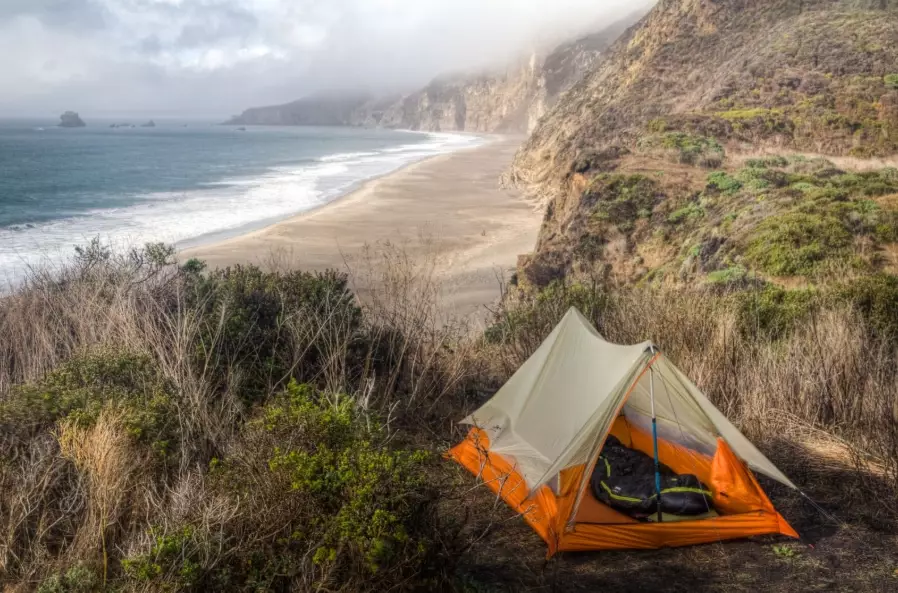
The Coastal-Specific Packing List (Don't Forget These)
You know the basics: tent, sleeping bag, stove. Here’s what people always forget for the coast, leading to a compromised trip.
Wind & Sand Defense:
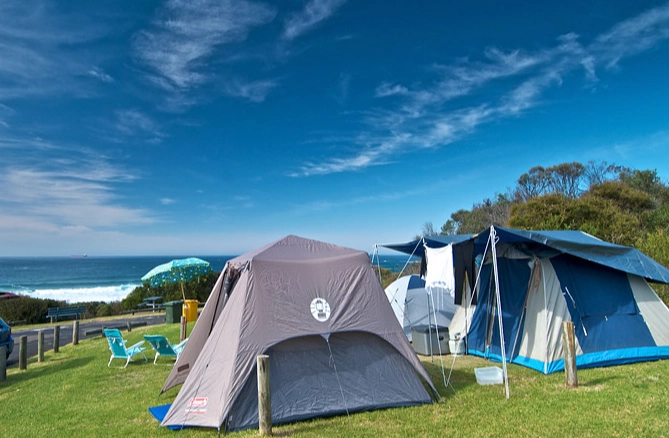
- Extra Stakes & Guy Lines: Standard tent stakes are useless in sand. Bring 12-inch sand stakes or plastic deadman anchors. More guy lines than you think you need to secure your rainfly against flapping.
- Broom and Dustpan: A small hand broom is the best tool for clearing sand out of your tent vestibule. Trust me.
- Tarp or Ground Cloth: Place it under your tent to protect the floor from abrasion, but fold the edges under so rain doesn't pool on top.
Climate Control:
- Warmer Sleeping Gear: Coastal nights are almost always colder than inland, even in summer. A sleeping bag rated 10 degrees lower than you think is wise.
- Moisture Management: Salt air and fog = dampness. Pack clothes in waterproof stuff sacks. A synthetic sleeping bag handles moisture better than down if you're in a consistently damp zone.
Comfort & Convenience:
- Sun Shelter or Windbreak: A pop-up canopy or tarp rigged as a windbreak creates a livable outdoor space when the beach wind is howling.
- Headlamp with Red Light: Crucial for nighttime bathroom trips without blinding your neighbors or ruining your night vision for stargazing.
Safety & Sustainable Camping by the Ocean
This isn't just about you; it's about preserving these fragile places.
Tide & Weather Awareness: Never camp on the actual beach below the high tide line. Check tide charts. Sudden fog can disorient you. A simple weather radio can be a lifesaver.
Food Storage: Coastal sites often have raccoons, foxes, and even bears that are expert food thieves. Use provided food lockers (bear boxes) religiously. Never leave food, trash, or even coolers unattended.
Leave No Trace, Coastal Edition:
- Dune Protection: Always use established trails over dunes. Vegetation holds them together; trampling it causes erosion.
- Campfire Rules: Many beaches prohibit wood fires or restrict them to designated rings. Use driftwood only if it's allowed—it's a critical part of the ecosystem. Better yet, use a camp stove.
- Pack Out All Trash: This includes food scraps, which don't belong in the dune ecology. "Biodegradable" is a myth in the dry, cool coastal environment.
Your Coastal Camping Questions, Answered
Can I bring my dog to most coastal campgrounds?
It's a major mixed bag. Many national parks (like Olympic or Point Reyes) prohibit dogs on trails and beaches, even if they're allowed in the campground on a leash. State parks are often more lenient but have strict leash rules. Always, always check the specific rules for your campground and the adjacent beach. The hidden hassle? Sand and saltwater are tough on dog paws, and hot sand can burn them. Bring a towel and a small bowl for fresh water just for your pup.
What's the best time of year for coastal camping?
Late spring (May-June) and early fall (September-October) are the sweet spots for much of the U.S. coastline. You avoid the peak summer crowds, daytime temperatures are pleasant, and the risk of intense fog or storms is lower. Winter camping can be magical for solitude and storm watching, but it's only for the well-prepared and experienced, with short days and potentially severe weather.
 How can I find last-minute coastal camping availability?
The strategy is flexibility. Check cancellation policies—sites on Recreation.gov often have a 2-7 day cancellation window, so spots can open up mid-week. Look at less famous state parks or county parks instead of national icons. Consider mid-week trips instead of weekends. Finally, have a backup plan: a dispersed camping area (know the BLM or Forest Service rules) or a nearby inland campground you can use as a base for day trips to the coast.
Is it safe to camp on the beach during a storm?
Generally, no, and most parks will close beachfront sites in high wind or storm surge warnings. The risks are real: flying debris, falling branches, rising tides that can cut off access, and potential for hypothermia. If you're already there and weather turns, secure all loose gear, lower your tent profile if possible, and be ready to evacuate if rangers advise it. The power of an ocean storm is not something to test from a nylon shelter.
What's the biggest mistake new coastal campers make?
Underestimating the wind. They pitch their tent with the same casual approach as a forest site. On the coast, orient your tent so the lowest, most aerodynamic end faces the prevailing wind. Stake it out completely, using every loop. Put heavy items inside to weigh it down. A poorly pitched tent flapping all night is miserable and can get damaged. Spend an extra 15 minutes on setup—it makes all the difference.
Reader Comments