
Here's my honest take after fishing the Agua Fria for the better part of a decade: it's not the easiest river in Arizona, but the Agua Fria River Arizona fishing experience rewards stubborn anglers. The river runs mostly through rugged desert terrain, and access can be a pain. But the bass are there—you just have to know where to look and when to show up. I'm going to walk you through the exact spots, the baits that produce, and the mistakes I see almost every new angler make out there.
My Quick Field Notes (Skip Around)
The first time I pulled up to the river near Rock Springs, I nearly turned around. Barely any signage, a dusty pullout, and a trickle of water that looked more like a creek. I almost wrote it off. Big mistake—that stretch holds smallmouth bass that fight like they're three times their size. The lesson? Don't judge this river by its cover.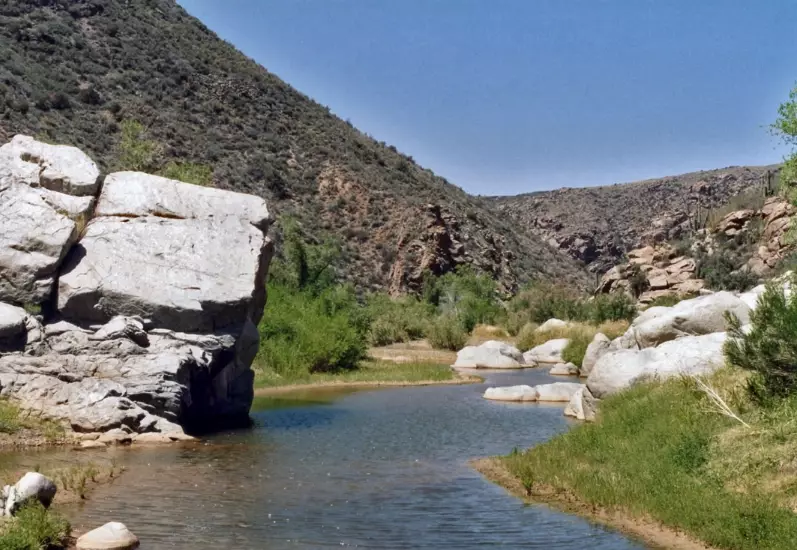
What Makes Agua Fria Different (and Why It Trips People Up)
The Agua Fria is not a tailwater fishery. It's a desert river with wildly fluctuating flows. After a monsoon, it can roar. In late June, you might see stretches that are barely ankle-deep. That volatility scares off a lot of casual anglers, but it's exactly why the fishing can be so good if you time it right.
One non-obvious thing: the river gets warm. Warm enough that in peak summer, the bass move into deeper pools and stop chasing fast-moving lures. I learned this the hard way one July afternoon—spent three hours casting a spinnerbait with zero hits before switching to a slow-dragged Texas-rigged worm. First cast, fish on. It's a cliché, but slow down when the water heats up.
Best Spots for Agua Fria River Fishing (Ranked by My Experience)
Not every access point is created equal. Some spots require a real hike. Others are basically roadside. Here's how I rank them, based on years of trial and error.
| Rank | Spot Name | Access & Details | What Bites | My Rating |
|---|---|---|---|---|
| Top 1 | Badger Springs Trailhead | Exit 256 off I-17. Park in the dirt lot (free). Hike 0.5 miles down to the river. No services. | Smallmouth bass, sunfish | Excellent for waders, not for lazy anglers |
| Top 2 | Rock Springs / Black Canyon Access | Dirt road off Bloody Basin Rd. High-clearance vehicle helpful. No fee. | Largemouth bass, catfish (channel) | Fish the deep pools at dawn |
| Top 3 | Highway 60 Bridge (near Wittmann) | Pull off on the west side of the bridge. Easy walk down. Best after work. | Smallmouth, occasional carp | Convenient but gets crowded on weekends |
| Top 4 | Agua Fria National Monument (Lower) | From I-17, exit 264. Dirt roads. No fees. Primitive. | Largemouth, bluegill | Worth the drive if you have a full day |
The Badger Springs spot is my favorite, but I'll be straight with you: the hike down is steep and rocky in places. I've seen guys in flip-flops slip. Wear decent shoes. Also, there's almost no shade along the trail, so bring more water than you think you need.
What I don't love about the Highway 60 spot? The noise from the road and the amount of trash left behind. It's still worth fishing, but don't expect a pristine wilderness experience. Go early on a weekday.
How to Fish the Agua Fria River Step by Step
If you've never fished a desert river before, the Agua Fria can be humbling. Here's the sequence I follow every time I hit the water.
Step 1: Read the water before you cast
Desert rivers have a lot of dead water. I look for riffles that spill into deeper, shaded pools. Those are the holding spots. Skip the long, flat, shallow stretches—they're usually empty. One exception: early morning in late spring, bass will push up into the shallows to feed. Otherwise, focus on depth changes.
Step 2: Pick the right lure for the season
Spring means reaction baits—spinnerbaits, small crankbaits. Summer calls for plastics worked slow. Fall is the best time, honestly. The fish are active and the crowds are gone. I throw a weightless Senko in watermelon color on a 3/0 hook—cast it near a rock, let it sink, twitch once, wait. Patience is key.
Step 3: Cast upstream, retrieve downstream
Bass in the Agua Fria sit facing upstream, waiting for food to drift down. If you cast downstream and reel back upstream, you're casting behind their field of vision. I made that mistake for an entire season. Now I position myself downstream and cast upstream, letting the current carry my lure naturally. The hit usually comes as the lure swings toward me.
What Baits and Gear Actually Work
You don't need a fancy setup. A medium-light spinning rod (6'6" to 7') with 8-pound test fluorocarbon is plenty. I've tried braided line out here and it's overkill for the size fish you'll mostly catch—also, it spooks fish in the clear water. Keep it simple.
Baits that have produced for me, in order of reliability:
1. 4-inch Texas-rigged worm (green pumpkin) – the workhorse. Catches fish when nothing else will.
2. Small spinnerbait (white/chartreuse) – good for covering water fast.
3. Zara Puppy topwater – early morning only, but the blowups are worth it.
4. Live nightcrawlers – if you're fishing with kids, this is the move. Bluegill and catfish will keep them busy. Just check the regulations for bait use in the specific stretch you're fishing—some Arizona waters have restrictions.
Regulations and Access Details (Don't Get a Ticket)
The Agua Fria has special regulations in some sections, particularly around the national monument. Check the current Arizona Game and Fish Department regulations before you go—the rules can change. As of my last visit, the daily bag limit for bass in the lower river was 5 (with only 1 over 13 inches). But don't take my word as the final authority. The official AGFC website or a call to the regional office is the way to confirm. There's no fee to access the river in most spots, except if you're on state trust land where a recreation permit may be required. It's worth checking a land ownership map—I use the Arizona State Land Department's online viewer to see whether my spot needs a permit.
Cell service is spotty. Download a map before you head out. I use a paper topo map in my pack—I've been burned by a dead phone battery more than once.
FAQ: Real Questions from the River
I've fact-checked the access points and general regulations in this piece through my own visits and by cross-referencing with the Arizona Game and Fish Department's published guidelines. Always verify current rules before your trip.
Reader Comments