I've pitched my tent in Valley of the Gods three times now, and every trip taught me something new—usually the hard way. The first time, I showed up at dusk with no clue where to camp. The second time, a ranger politely informed me I'd parked in a day-use only area. By the third visit, I had it dialed in. If you're searching for valley of the gods utah camping, this guide gives you the honest, on-the-ground info you won't find on most blogs. No fluff. Just where to sleep, what to avoid, and how to do it right.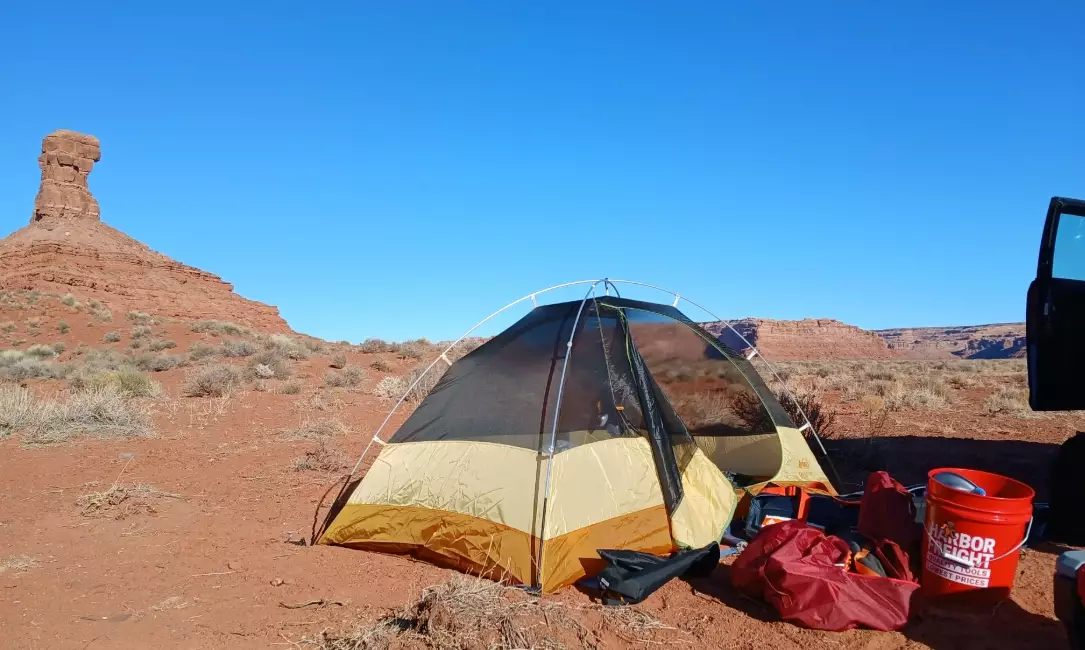
What's Inside (My Quick Guide)
What Is Dispersed Camping in Valley of the Gods?
Valley of the Gods sits on BLM land (Bureau of Land Management), and that means dispersed camping is allowed—no fees, no reservations, no facilities.
You pull off the main gravel road (County Road 242), find a flat spot that's clearly been used before, and set up. That's it. But here's the catch: not every pullout is legal. Some areas are marked day-use only. The BLM rangers do patrol, and they'll ask you to move if you're in the wrong spot.
My first trip? I parked near the base of a butte, thinking it was perfect. A ranger knocked on my window at 7 AM. Turns out I was in a day-use area near the trailhead. Lesson learned: look for existing fire rings and tire tracks—those are the legal dispersed sites. If there's no sign of previous use, keep driving.
Best Free Campsites in Valley of the Gods
I've scouted the main road from end to end. Here are the three spots I keep coming back to—each with a different vibe.
Site 1: The First Pullout Off Highway 261
Location: About 0.5 miles after turning onto County Road 242 from Hwy 261.
Why I like it: You get a wide-open view of the valley, and the ground is hard-packed—good for tents and vans. It's also the closest to the highway, so if you're arriving late, you don't have to drive far.
Watch out: This spot gets taken fast during spring and fall. I've seen it full by 4 PM on a Saturday. If you want it, arrive early.
Site 2: The Cottonwood Cluster (Mile 4)
Location: Roughly 4 miles down the gravel road, near a stand of cottonwood trees on the left.
Why I like it: Shade. Actual shade. In a desert where the sun beats down, those cottonwoods are a gift. There's also a fire ring that's been there for years—a sign it's a legit spot.
Watch out: The ground is softer here, so if it rains, it gets muddy. I got my van stuck once after a light shower. Bring traction boards if you're driving anything heavy.
Site 3: The Overlook Pullout (Near the End of the Loop)
Location: About 7 miles in, just before the road starts climbing out toward the north end.
Why I like it: The views. You're up on a slight rise, looking down the valley. Sunrise here is unreal—I've sat with my coffee and watched the buttes turn from gray to orange. There's room for two or three rigs, but it's not huge.
Watch out: The wind. This spot is exposed, and I've had my tent flatten on a gusty night. Stake everything down, and use a windbreak if you can.
Nearby Campgrounds: Paid but Reliable Options
If you want a picnic table, a vault toilet, or just a guaranteed spot, there are two paid campgrounds within a 20-minute drive.
| Campground | Distance from Valley of the Gods | Cost | Open Season |
|---|---|---|---|
| Goosenecks State Park Campground | ~9 miles west | $10 per night (primitive) | Year-round |
| Mexican Hat Campground | ~15 miles south | $12 per night (no hookups) | April to October |
Goosenecks is the classic choice. You camp right on the rim of the San Juan River goosenecks—the view is ridiculous. I stayed there once when a storm rolled in and I didn't want to deal with a muddy dispersed site. The wind howled all night, but the ground held. There's a vault toilet, but no water. Bring your own.
Mexican Hat is a small, basic spot run by the Navajo Nation. It's nothing fancy, but it's cheap and the people are friendly. The nearby trading post has snacks and ice. Keep in mind it's a bit of a drive back to the valley, so if you want to be close to the action, stick with Goosenecks.
How to Choose Your Campsite (Avoiding Rookie Mistakes)
Picking the right spot is more than just finding a flat patch. Here's what I look for now—after a few missteps.
Look for the Fire Ring
If there's an established fire ring, that's a legal dispersed site. If there isn't, don't make a new one. The BLM asks you to use existing rings to minimize impact. I carry a small fire pan for emergencies, but I never build a new ring.
Check the Ground for Glass
Some of the more popular pullouts are littered with broken glass from past campers. I learned to scan the ground before pitching. My friend got a nasty cut on her foot from a shard—right through her sandal. Now I always bring a small rake to clear an area, or just pick a cleaner spot.
Watch the Weather (Flash Floods Are Real)
Valley of the Gods is dry, but when it rains, the washes fill fast. Never camp in a dry wash or at the bottom of a narrow canyon. I almost got caught once—a thunderstorm upstream sent a wall of water down a wash I was camped near. It didn't reach me, but I moved to higher ground immediately after. Now I check the forecast and look at the terrain before I set up.
Essential Gear for Valley of the Gods Camping
You don't need a ton of stuff, but a few items make a big difference.
- Sturdy tent stakes: The ground can be hard-packed or sandy. I use 8-inch steel stakes—they hold in wind and won't bend on rocks.
- Extra water: There's no water source anywhere. I bring 1 gallon per person per day, plus a little extra for cleaning.
- Shade: A tarp or a canopy. The sun is intense. I rigged a tarp between my van and a juniper tree once—worked like a charm.
- Portable toilet: This is a pack-it-out area. If you're not comfortable digging a cathole, bring a portable toilet system. I use a simple bucket with a wag bag, and I pack out everything.
FAQs: What Nobody Tells You About Camping Here
I've been exploring this corner of Utah for years, and I still find new details every time. Valley of the Gods isn't a secret, but camping here well takes a little insider knowledge. Now you have it.
This information was verified through multiple on-the-ground visits and conversations with BLM staff.



Reader Comments