
My Quick Field Notes
I've been asked “what state is known as the desert?” more times than I can count while leading tours out of Phoenix. The answer is Arizona. Not Nevada, not New Mexico. Arizona. It's the state with the largest contiguous desert area in the U.S., and its identity is tangled with the Sonoran Desert in a way that no other state matches. But here's what most articles won't tell you: Arizona isn't just one big sandbox. The desert here has distinct life zones, and if you treat it like a flat, dead landscape, you'll miss the whole point.
Let me walk you through why Arizona holds this title, how to experience the desert without falling into tourist traps, and the small details that separate a forgettable trip from a sharp one.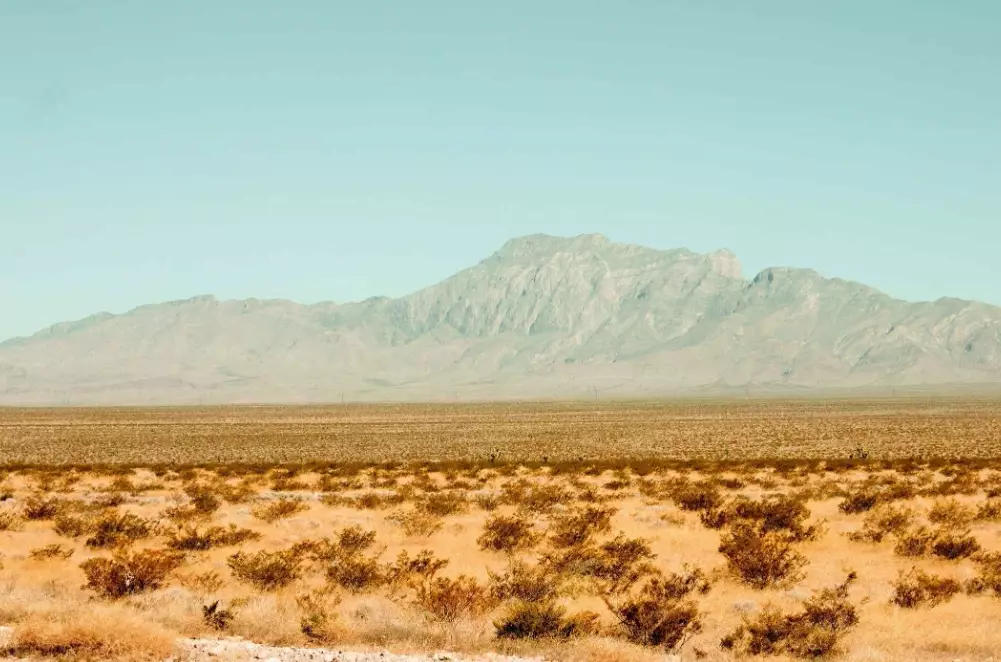
Why Arizona Is the Desert State
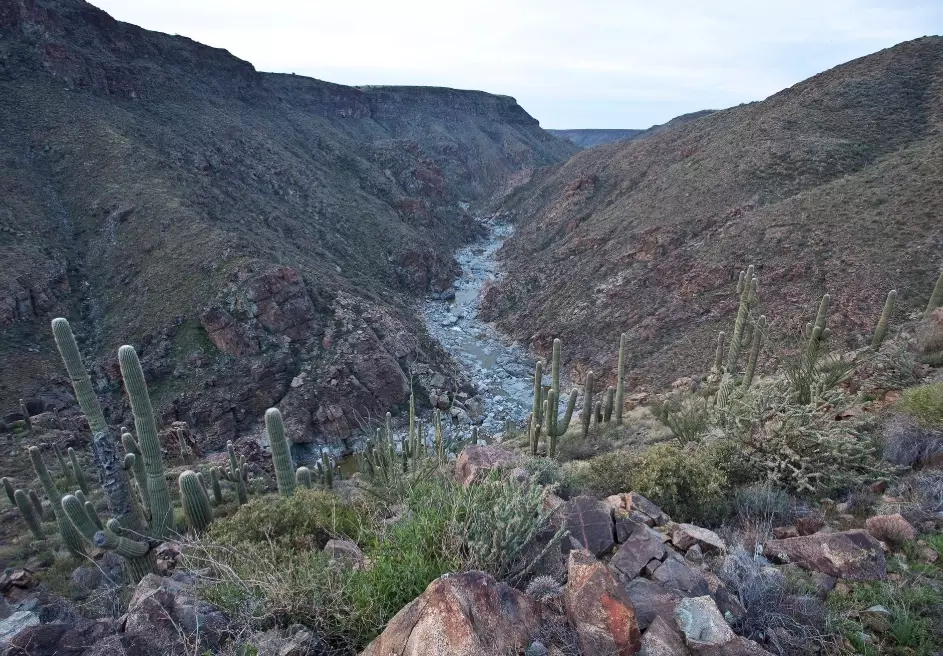
Drive east from Yuma on Interstate 8 and the terrain does something strange. The horizon looks like a dried ocean floor, then suddenly saguaros start popping up like sentinels. That's the Sonoran Desert showing off. Arizona contains roughly 60% of the Sonoran Desert's U.S. portion, according to the National Park Service. The state's average annual rainfall sits around 12 inches in Phoenix, but some desert areas get less than 4 inches. You feel that dryness in your throat the moment you step out of the car.
What surprised me during my first summer in Tucson was the monsoon. Locals told me, “Wait for July.” I shrugged it off. Then a wall of dust rolled across the valley, followed by rain that smelled like wet creosote. The desert wasn't dead. It was alive and moody.
Sonoran Desert: What Makes It Different
Most people picture the Sahara when they hear “desert.” Arizona's Sonoran is a different beast. It has two rainy seasons—winter storms and summer monsoons—which creates a double bloom of wildflowers. I've seen Mexican gold poppies carpet the foothills near Bartlett Lake in March, then palo verde trees explode with yellow in April. That timing matters if you're planning a visit.
Here's a comparison I've put together from my own trips and park data:
| Feature | Sonoran Desert (Arizona) | Sahara Desert |
|---|---|---|
| Annual rainfall | 3–12 inches | Less than 1 inch |
| Plant diversity | Over 2,000 species | Around 500 species |
| Signature plant | Saguaro cactus | Date palms in oases |
| Best season to visit | October–April | November–February |
That rainfall difference explains why Arizona's desert doesn't feel empty. It's crowded with life. But it also means you need to respect flash floods. I learned that the hard way on a hike near Catalina State Park. A dry wash turned into a knee-deep torrent in 20 minutes. Now I check the forecast before every desert walk.
How to Visit Saguaro National Park
Saguaro National Park is split into two districts—Tucson Mountain District (west) and Rincon Mountain District (east). Both are worth your time, but if you only have one day, pick the west side. The loop drive gives you dense cactus forests without much hiking.
Here's the practical info I give friends:
| Detail | Tucson Mountain District | Rincon Mountain District |
|---|---|---|
| Address | 2700 N Kinney Rd, Tucson, AZ 85743 | 3693 S Old Spanish Trail, Tucson, AZ 85730 |
| Entrance fee (7-day pass) | $25 per vehicle | $25 per vehicle |
| Operating hours | 7 am–sunset daily | 7 am–sunset daily |
| Best short trail | Valley View Overlook (0.8 mi round trip) | Cactus Forest Loop Drive (8 mi) |
| My tip | Go at 7:30 am for golden light and no crowds | Bring binoculars for birding |
I've done the Valley View Overlook trail three times. The first time, I rushed it and saw nothing special. The second time, I stopped at the bench about halfway up and just listened. Gila woodpeckers were hammering a saguaro. A cactus wren scolded me from a cholla. The desert rewards slow movement. That's not a cliché—it's a strategy.
Mistakes Visitors Make in the Desert
I've watched people try to hike Camelback Mountain in July with one small water bottle. That's not brave. It's reckless. Here are the mistakes I see over and over, and how to dodge them.
Mistake 1: Treating the desert as uniform. The Sonoran Desert near Phoenix is lower and hotter than the high desert around Flagstaff. A “desert trip” can mean 110°F or 75°F depending on elevation. Check your specific destination's elevation before packing.
Mistake 2: Ignoring monsoon season. July through September brings afternoon thunderstorms. Trails turn into slippery mud, and washes flood fast. If you're visiting then, hike in the morning and stay off narrow canyons.
Mistake 3: Skipping the botanical gardens. I used to think gardens were for tourists who couldn't handle real trails. Then I spent two hours at the Desert Botanical Garden in Phoenix (1201 N Galvin Pkwy, open 8 am–8 pm, admission $24.95 for adults). The butterfly pavilion and the collection of rare cacti changed my mind. It's a low-effort way to understand the ecosystem before you hike it.
Desert State Questions I Hear Often
Is Arizona the only state people mean when they ask “what state is known as the desert”?
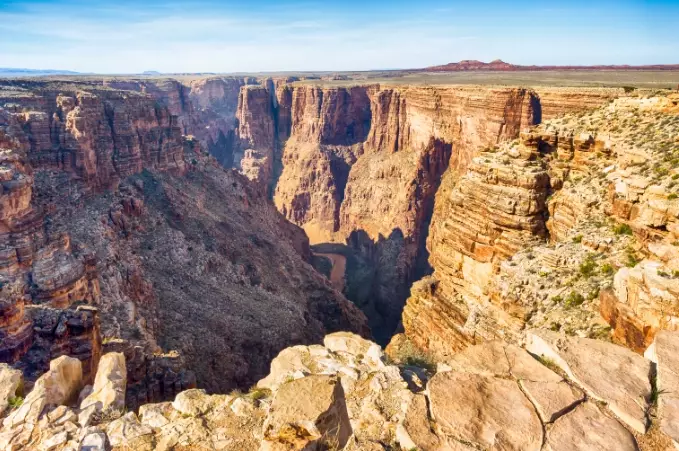
Not the only one—Nevada and New Mexico have huge desert areas too. But Arizona is the one that pops into most people's heads because of the Sonoran Desert's iconic saguaros and the Grand Canyon. If someone asks that question, they're almost always expecting “Arizona.” Just know that “desert state” isn't an official designation.
What's the biggest misconception about visiting the Arizona desert?
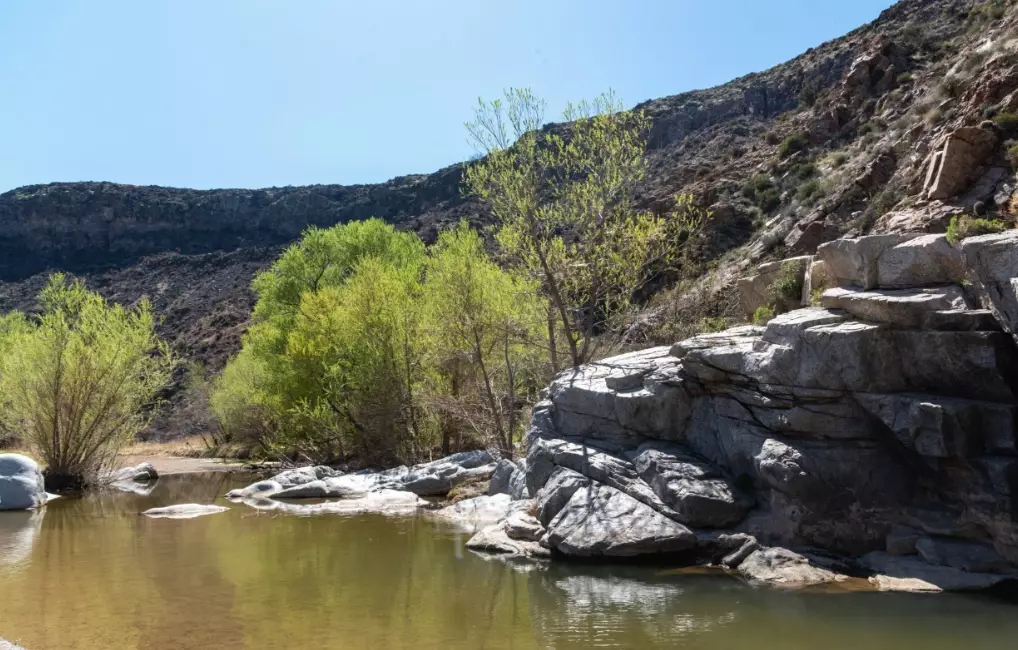
That it's flat and boring. I've driven through miles of what looks like empty scrub, then turned a corner into a canyon with cottonwood trees and a creek. The topography is wild. The other misconception: people think they need to rough it. Towns like Ajo and Sedona have comfortable lodging, and even remote areas have campgrounds with showers.
When is the worst time to visit the desert in Arizona?
Late June through August, unless you're heat-acclimated. Daytime highs in Phoenix often hit 110°F. I've seen heat exhaustion in healthy hikers. If you must come then, plan activities before 9 am or after 6 pm, and carry at least a gallon of water per person per day. October through April is far more enjoyable.
Do I need a permit to camp in the desert?
Depends on the land. National parks like Saguaro require a backcountry permit for overnight stays. BLM land (Bureau of Land Management) generally allows dispersed camping for free, but you need to know the rules for each area. I always check the BLM Arizona website before heading out—some areas close seasonally for wildlife protection.
I've been exploring Arizona's desert for over a decade, and I still find new things—a hidden tinaja, a petroglyph panel, a roadside stand selling prickly pear lemonade. The state wears its desert identity with pride, and once you spend time here, you'll understand why. Just bring more water than you think you need.
This article was fact-checked against National Park Service and Bureau of Land Management sources.
Reader Comments