
I pulled off Utah State Route 261 just past the Moki Dugway switchbacks, and the first thing I noticed was the silence. No tour buses. No entrance booth. Just a dirt road winding past red spires. If you're asking yourself is Valley of the Gods worth visiting, here's the short answer: it depends on what you want from a canyon country detour. I drove the entire 17-mile loop, camped a night, and noted the exact conditions. This review gives you the unvarnished picture.
What I cover in this review
What Makes Valley of the Gods Different
Valley of the Gods sits in Bears Ears National Monument, managed by the Bureau of Land Management (BLM). That's the first clue. This isn't a national park with paved pullouts and a visitor center. It's a primitive loop road (CR 242) that drops you into a landscape of red rock monoliths, mesas, and buttes. The whole experience is DIY.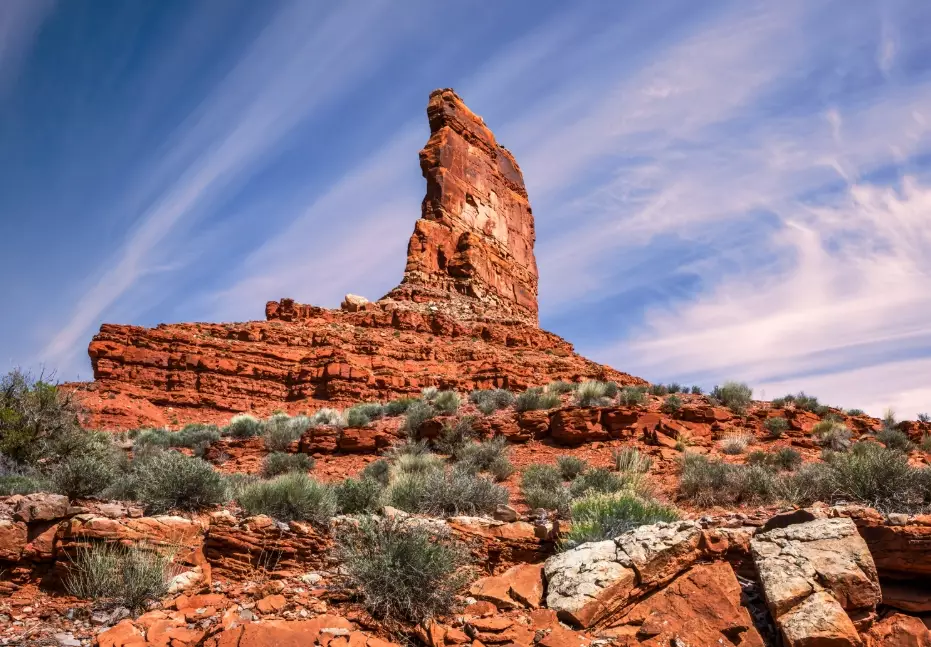
I saw exactly three other vehicles in two hours. Compare that to Monument Valley's hourly loop traffic. What struck me most was the scale of the formations up close. You can park on the shoulder almost anywhere and walk to the base of a 400-foot spire. No ropes, no signs telling you to stay back. Just public land.
One non-obvious detail: The light changes fast. Morning shadows linger on the west-facing cliffs, so the best photos of the iconic "Seven Sailors" formation happen around 4:30 PM. Most people rush through midday. I waited until late afternoon and had the place to myself.
How Does Valley of the Gods Compare to Monument Valley?
This is the real decision point. A lot of travelers lump them together. They shouldn't.
| Feature | Valley of the Gods | Monument Valley (Tribal Park) |
|---|---|---|
| Entrance Fee | Free | $8 per person (as of my visit) |
| Road Surface | Dirt and gravel, graded but washboard | Paved scenic drive, 17 miles |
| Camping | Free dispersed camping along the loop | No camping inside park |
| Crowd Level | Very low | High, especially midday |
| Vehicle Recommendation | High clearance, not for low sedans | Any vehicle on the paved drive |
If you have a low-clearance rental car, skip Valley of the Gods. Stick to the paved Monument Valley drive. But if you have an SUV or truck and want to avoid a conga line of tourists, the Valley is the better choice. It's not a replacement. It's an alternative.
Driving Conditions: What Your Car Needs to Handle
The loop starts and ends on UT-261. The BLM sign at the entrance says "primitive road." They mean it. I drove a stock Subaru Outback with 8.7 inches of clearance. I scraped nothing, but I took it slow.
Here's what you need to know:
- Washboard sections: The first two miles are the worst. Reduce tire pressure to 25 psi if you can. It smooths out the shake.
- Wet weather: The clay soil turns slick and sticky. I talked to a BLM ranger who said they pull out at least one stuck vehicle per week after a storm. Don't attempt the loop if rain is in the forecast.
- Width: Most of the road is single-lane with pullouts. If you meet another vehicle, one of you backs up. I had to reverse about 50 yards at one point. It's part of the deal.
My mistake: I started the drive at 1 PM thinking I'd have plenty of time. By the time I reached the southern end, shadows were covering the best formations. Start by 9 AM or after 3 PM for decent light on both sides.
Camping Experience: Free Sites and Quiet Nights
I camped at a pullout about 4 miles into the loop on the north side. No amenities. No water. No toilet. Just a fire ring made of stones and a flat spot of dirt. It was one of the quietest nights I've spent in Utah.
BLM rules allow dispersed camping anywhere along the loop that's already disturbed ground. Don't camp on vegetation. Pack out everything. The nearest services are in Mexican Hat (15 miles south) or Blanding (40 miles north).
A note on safety: The ground is hard-packed. I bent two tent stakes trying to pound them in. Bring a small mallet or use rocks to guy out your tent. Also, the wind picks up around 7 PM. I saw a neighboring camper's tarp go airborne. Stake everything down twice.
Practical Details: Location, Time, and Gear
Here's the quick data you need to plan the trip.
- Location: Off UT-261, between Mexican Hat and Blanding. The turnoff is about 3 miles north of the Moki Dugway if you're coming from the south.
- Time needed: 2 hours for the drive alone. Add another 2 hours if you want to hike around the formations.
- Address for GPS: Valley of the Gods Road, Montezuma Creek, UT 84534 (this will get you to the entrance).
- Fees: None. No day-use fee. No camping fee.
- Hours: Open 24/7. But I'd avoid driving the loop after dark. The road is unlit and navigation is tricky.
- Gas: Fill up in Mexican Hat or Blanding. There's nothing along the loop.
If you're coming from Moab, it's a 90-minute drive to the Valley of the Gods entrance. Combine it with a stop at the Moki Dugway overlook for a full day out.
Questions I Get Asked Most About Valley of the Gods
After two trips to the Valley of the Gods, I can say this: it's worth visiting if you value solitude more than convenience. The road will test your patience. The wind will test your tent stakes. But you'll see a side of Utah that most tourists miss. Go with the right vehicle, pack out your trash, and start early or late. That's the whole recipe.
Fact-checked against BLM Bears Ears National Monument visitor guidelines and my field notes from two visits in dry weather conditions.
Reader Comments