Let's cut to the chase. An Arizona national parks road trip isn't just about checking the Grand Canyon off your list. It's about feeling the dry desert heat on your skin at Saguaro, seeing a billion years of history stacked in the rocks of the Grand Canyon, walking among frozen rainbow logs in the Petrified Forest, and getting your mind bent by the red rocks of Sedona. Most itineraries you find online are either too rushed or logistically impossible. I've driven these roads more times than I can count, made every mistake so you don't have to, and crafted this loop that's ambitious but doable, hitting the iconic parks while weaving in the essential stops in between.
Your Road Trip Jumpstart
The Perfect 7-Day Arizona Parks Itinerary
This loop starts and ends in Phoenix (PHX), the state's major air hub. It prioritizes efficient driving, logical overnight stops, and balances iconic views with deeper exploration. The total drive is around 1,100 miles. That sounds like a lot, but the landscapes are the attraction—you're not just staring at asphalt.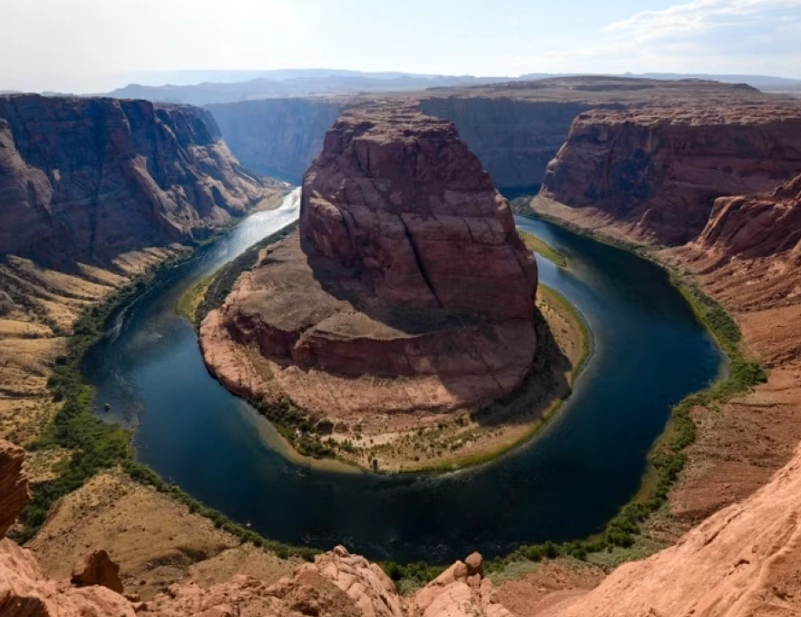
| Day | Route & Drive Time | Key Stops & Overnight | Park Focus |
|---|---|---|---|
| Day 1 | Phoenix to Sedona (2 hrs) | Montezuma Castle, Bell Rock, Airport Mesa. Overnight Sedona. | Red Rock Country |
| Day 2 | Sedona to Grand Canyon South Rim (2.5 hrs) | Oak Creek Canyon drive, Desert View Drive. Overnight Tusayan or Valle. | Grand Canyon Intro |
| Day 3 | Grand Canyon Full Day | South Kaibab Trail, Hermit Road, Sunset at Hopi Point. Overnight same. | Grand Canyon Deep Dive |
| Day 4 | Grand Canyon to Page (2.5 hrs) | Horseshoe Bend, Antelope Canyon tour. Overnight Page. | Colorado River & Slot Canyons |
| Day 5 | Page to Monument Valley to Kayenta (3 hrs) | Monument Valley Scenic Drive, Forrest Gump Point. Overnight Kayenta. | Navajo Nation |
| Day 6 | Kayenta to Petrified Forest to Tucson (5.5 hrs) | Petrified Forest NP (Blue Mesa, Crystal Forest), drive to Tucson. | Petrified Forest & Saguaro |
| Day 7 | Tucson to Phoenix (2 hrs) | Saguaro East (Cactus Forest Drive), Arizona-Sonora Desert Museum. | Saguaro Finale |
Pro Tip on Timing: Everyone says "avoid summer." I agree, but the secret shoulder season is late September to early November. The summer crowds are gone, the monsoon heat has broken, and the afternoon light is golden. Spring (March-May) is also great, but book everything twice as early.
Day-by-Day Breakdown: What to See and Do
Day 1 & 2: Sedona & The Road to the Grand Canyon
Fly into Phoenix, grab your rental car (an SUV is nice but not mandatory), and head north. Don't blast straight through. Stop at Montezuma Castle National Monument—a 20-minute detour to see a 900-year-old cliff dwelling. It sets the tone for the ancient history of this land.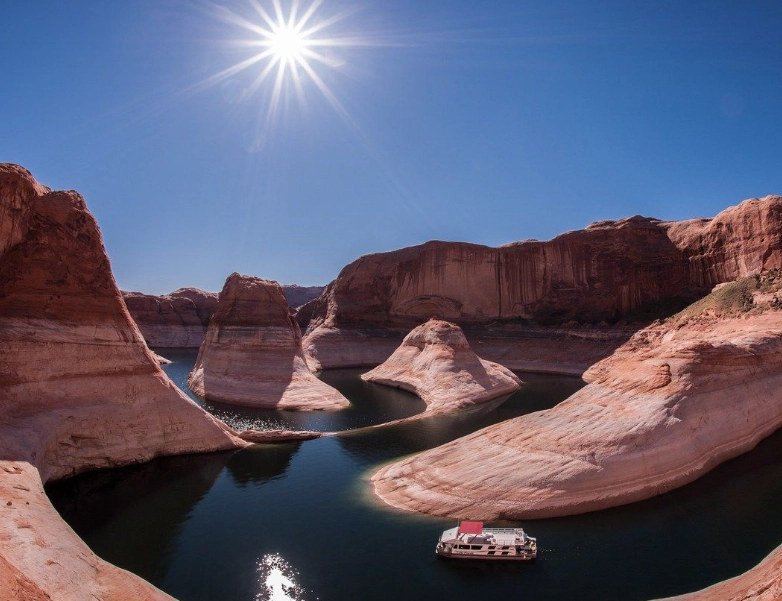
Sedona isn't a national park, but it's a non-negotiable stop. The mistake? Trying to do every vortex hike in one afternoon. Pick one short hike for immersion. My go-to is the Cathedral Rock Trail (hard but iconic) or the Bell Rock Pathway (easier, great views). End your day at Airport Mesa for a 360-degree sunset that turns the entire town crimson.
The next morning, take the stunning State Route 89A through Oak Creek Canyon up to Flagstaff, then west on I-40 to the Grand Canyon. Enter the park via the less crowded East Entrance at Desert View. Your first glimpse of the canyon isn't from a packed shuttle stop—it's from the 70-foot-tall Desert View Watchtower. Take your time on Desert View Drive, stopping at every pullout. Each one offers a completely different perspective.
Day 3: Grand Canyon South Rim Deep Dive
Most people just walk the Rim Trail from the visitor center. That's a mistake. To feel the canyon, you need to go down into it, even just a little. Park at the Visitor Center and take the free shuttle to the South Kaibab Trailhead. Hike down to Ooh Aah Point (1.8 miles round trip, steep). It takes about 90 minutes and gives you the inside-looking-up view no rim spot can match.
In the afternoon, take the shuttle along Hermit Road (closed to most private cars March-November). Get off at Hopi Point for sunset. It's popular for a reason—the panoramic view faces directly west. Bring layers; it gets cold fast when the sun drops.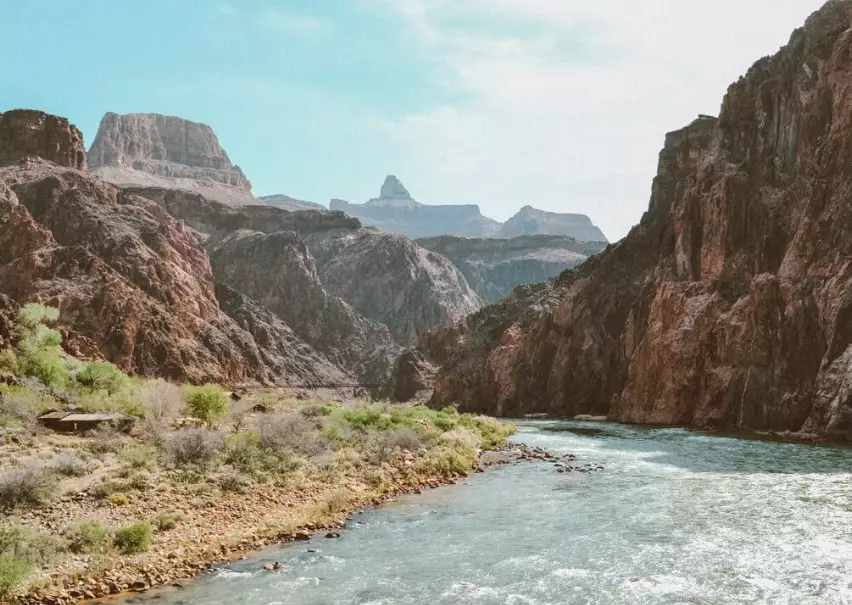
Critical Reminder: The Grand Canyon is at 7,000 feet. You will get winded faster. Drink twice as much water as you think you need. A 3-liter hydration pack isn't overkill for a day of hiking here.
Day 4 & 5: Page, Monument Valley & Navajo Nation
The drive from Grand Canyon to Page is easy. Horseshoe Bend is a must-see. It's a 1.5-mile round trip walk from the parking lot (now run by the city, $10 entry). For Antelope Canyon, you must book a guided tour with a Navajo operator months in advance. Upper Antelope is more famous for light beams (best around 11 am in summer), Lower Antelope involves ladders and is less crowded. Both are phenomenal.
The next day, drive up to Monument Valley. The iconic view is from the visitor center overlook. To go down into the valley among the buttes, you need to take the 17-mile self-drive scenic loop (rough dirt road, 2-3 hours, $8 per person). It's bumpy but completely worth it. Your car will be filthy, and you'll have photos you'll keep forever. On the way back south, stop at the unmarked pull-off for "Forrest Gump Point" (on Highway 163, about 13 miles north of the 160/163 junction) where the road stretches perfectly toward the mittens.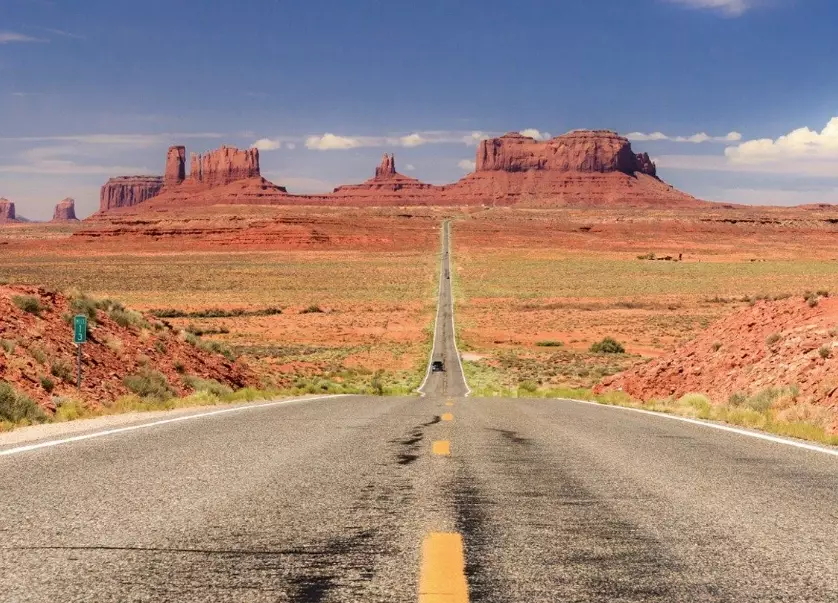
Day 6 & 7: Petrified Forest & Saguaro Finale
Petrified Forest National Park is split into two sections. Most people just see the Rainbow Forest Museum area near the south entrance. The hidden gem is the Blue Mesa Loop in the north. It's a 3.5-mile drive and a 1-mile hike down into badlands of blue, purple, and gray hills strewn with petrified wood. It feels like another planet.
The long drive to Tucson is the trade-off. Do it, because Saguaro National Park is the perfect bookend. It has two districts. With one morning, hit the East (Rincon Mountain) District. Drive the 8-mile Cactus Forest Loop. Get out and walk among the giant saguaros—some are over 200 years old. For a fantastic non-park stop, the Arizona-Sonora Desert Museum (part zoo, part botanical garden, part natural history museum) is outstanding. Then, it's a straight shot up I-10 back to Phoenix for your flight.
Essential Arizona Road Trip Tips
Gas up whenever you're at half a tank. Stations can be 80 miles apart in northern Arizona. Download Google Maps offline for the whole state—cell service is spotty in the parks and on reservations.
Buy the America the Beautiful Annual Pass ($80). Grand Canyon ($35), Petrified Forest ($25), and Saguaro ($25) are all fee parks. The pass pays for itself by your third stop and gets you into all of them.
Sun protection is a lifestyle here. Wide-brimmed hat, UV-blocking shirt, mineral sunscreen, and sunglasses. A good cooler in the car for water, snacks, and picnic lunches will save you money and time.
Where to Stay: Practical Lodging Options
Lodging inside the parks books up a year in advance. Don't panic. Here are reliable, more available alternatives near each major stop.
- Sedona: Look for hotels or vacation rentals along State Route 179 (the "Red Rock Scenic Byway") or in West Sedona. The Sky Ranch Lodge has the best view-for-price ratio, perched right on Airport Mesa.
- Grand Canyon South Rim: The town of Tusayan, just 10 minutes from the park entrance, has chain hotels (Best Western, Holiday Inn). Further out (30-40 mins), Valle has basic, clean motels like the Red Feather Inn, often at half the price.
- Page: Plenty of standard chains (Quality Inn, Days Inn). The Wahweap RV & Campground has little cabins if you want something different.
- Kayenta: This is a functional stopover. The Kayenta Monument Valley Inn is the best option, clean with a good restaurant.
- Tucson: Stay east near Saguaro East for convenience. The Lodge at Ventana Canyon is a splurge, or there are numerous Hilton properties along Broadway.
Reader Comments