My Quick Field Notes (Jump Ahead)
I've pitched my tent along the Agua Fria River more times than I can count over the past decade. And every single trip, I see at least one group of campers who clearly read a blog post that said "dispersed camping is everywhere" and showed up completely unprepared. Look, Agua Fria River Arizona camping is legitimately incredible — but it's not the kind of camping where you roll in at sunset and figure it out.
The river corridor sits mostly on BLM land northwest of Phoenix, and the rules, access points, and water situation change more than most guides admit. This is the practical stuff I wish someone had told me after my first muddy, waterless, wind-battered night out there.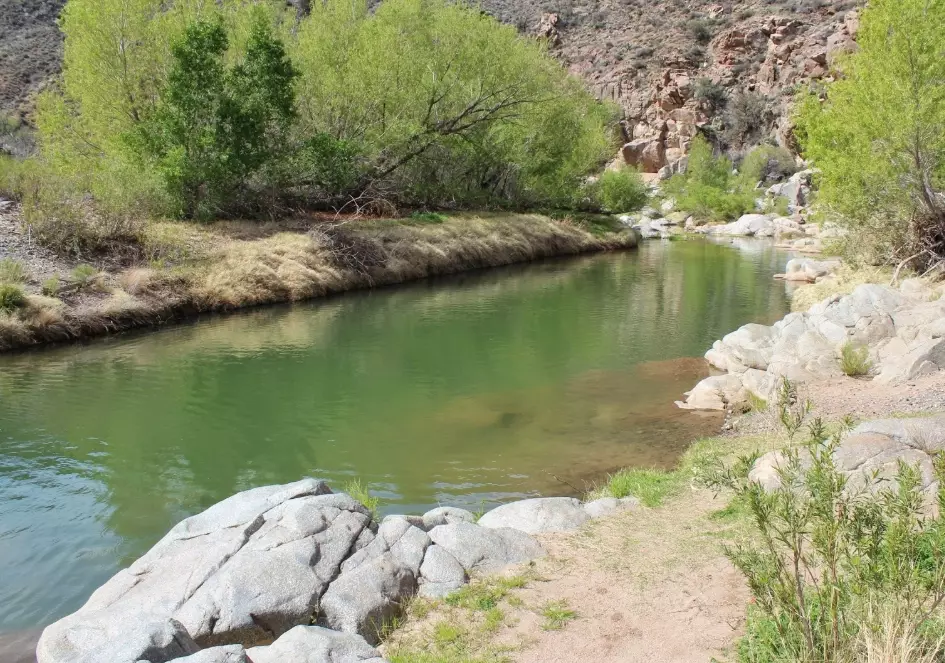
What Makes Agua Fria River Camping Different
The Agua Fria isn't a constant-flow river. It's a desert waterway that runs hard after rain and turns into a series of pools and dry stretches the rest of the year. That single fact reshapes everything about camping here.
Most people picture a riverside campsite with a babbling stream. What they get, depending on the season, is a sandy wash with scattered cottonwoods and maybe a few swimming holes. Sometimes it's gorgeous. Sometimes it's a dry creek bed with cow tracks.
The upside? Because it's not a developed recreation area, you're not fighting for reservations or dealing with RV generators at 6 a.m. It's quiet. It's free. And at night, the stars are genuinely absurd.
Where Can You Actually Camp Along the River?
This is where the confusion lives. People search for "Agua Fria River camping" and see everything from developed campgrounds to remote BLM parcels. Let me break down the real options.
Dispersed Camping on BLM Land
The primary option is dispersed camping on Bureau of Land Management parcels along the river corridor, mainly accessed via Table Mesa Road (exit 236 off I-17) and Bloody Basin Road (exit 259). Both are dirt roads. Both require high clearance. Neither has facilities of any kind.
Table Mesa Road drops you near the river faster — maybe 2 miles of washboard dirt before you hit spots. I counted at least six pull-offs with existing fire rings on my last visit. These are established sites. Use them instead of trampling new ground.
Bloody Basin Road is longer and rougher. It rewards you with more solitude and better canyon views. I wouldn't take a sedan past the first mile. A Subaru Outback handles it fine in dry conditions. After rain, even that gets sketchy.
Nearby Developed Campgrounds
If you want a toilet and a picnic table, your closest bet is Cave Creek Campground or Lake Pleasant Regional Park. Neither is on the Agua Fria itself, but Lake Pleasant is about 20 minutes from the Table Mesa access. Day-use fees at Lake Pleasant run around $8–10 per vehicle; camping fees vary by site type.
| Access Point | Road Condition | Vehicle Needed | Fees | Facilities |
|---|---|---|---|---|
| Table Mesa Road (Exit 236) | Washboard dirt, ~2 miles to river | High clearance recommended | None | None (pack in, pack out) |
| Bloody Basin Road (Exit 259) | Rough dirt, longer route | High clearance required | None | None |
| Lake Pleasant Regional Park | Paved | Any vehicle | ~$8–10 day use | Restrooms, water, ramadas |
| Cave Creek Campground | Paved to entrance | Any vehicle | ~$10–14/night | Vault toilets, tables |
The Water Reality Check Most Campers Miss
Here's something no generic guide will tell you: the pools that look crystal-clear in photos are often stagnant by late spring. I'm talking warm, algae-edged, and inviting to mosquitoes.
I learned this the hard way on a June trip near the Table Mesa stretch. The river was a chain of murky pools. The previous campers had left a half-burned fire log and what I'm pretty sure was a fishing lure wrapper. But more importantly — I'd planned to filter water from the river. Bad idea.
Treat all surface water in the Agua Fria as needing filtration and chemical treatment. Even then, I'd suggest packing in all your drinking water between May and October. A 5-gallon jug per person for a two-night trip is my baseline. That sounds excessive until you're thirsty at 2 a.m. and the nearest store is 40 minutes back up the highway.
After a good rain — and I mean a real monsoon soak, not a sprinkle — the river can run full and fast. That's when the water is actually worth filtering. Just be aware that flash floods are a real danger in this corridor. Camp high. Always.
Gear That Actually Works Here (And What Fails)
I've ruined a decent tent on this ground. The river corridor is packed with sharp rocks, thorny mesquite, and hard-packed sand that bends normal tent stakes like pretzels.
An LED lantern died on me during my second trip because I'd left it out and the wind blew sand into every crevice. These are the small things nobody writes about.
What I bring now, every time:
- Beefy 8-inch metal stakes — not the aluminum ones from the box store. The ground here laughs at those.
- A ground tarp you don't care about — the river rocks will poke holes in it.
- 2 gallons of water per person per day minimum — for drinking, cooking, and rinsing off the desert grit.
- A portable fire pan or a stove — campfires are allowed only in existing fire rings. My Jetboil has saved more trips than I can remember.
- Long pants and closed shoes — the amount of people I see in flip-flops on the rocks near the river is wild. One wrong step and you're done.
One more thing: shade. The river corridor gets brutally exposed by mid-morning. A simple tarp strung between two poles makes the whole day better. I've rigged mine with paracord and two broken-off tree limbs before. Not elegant, but it worked.
Seasonal Timing: When to Go and When to Bail
Spring and fall are the sweet spots. I aim for late February through April, or October through early November. Daytime temps sit in the 70s–80s°F and the river usually has reasonable pools.
Summer camping is doable for the truly heat-tolerant. Nights are warm enough that a light bag is fine. But I've seen thermometer readings hit 108°F in the shade at midday. No thank you.
Winter can be beautiful — crisp nights, clear skies, no bugs. But if the river runs after a winter storm, the dirt roads turn into slick clay. I've had to winch a friend's truck out of the Table Mesa mud. Not a cheap lesson.
Camping FAQs I Get Asked Constantly
I'm arriving after dark without a reservation — is there a safe bet for finding a spot near the Agua Fria?
The Table Mesa Road corridor is your best bet for late arrivals because the established sites are visible even with headlights. Drive slow, look for fire rings. If the first cluster is full, keep heading down the wash — there are spots further in that people miss because they stop at the first clearing. Skip Bloody Basin Road at night if you've never driven it. Too many washouts.
How do I know if the river pools are safe for swimming with kids, not just visually clean?
Visuals lie here. Check the pool edges for foam or a greenish film. Test the depth with a stick before anyone jumps in — some pools that look chest-deep are actually a foot of water over slick mud. And honestly, I'd skip swimming entirely if it's been a few weeks without rain. The water can develop a bacteria load that's not worth the risk with little kids.
What's the biggest gear mistake you see first-timers make at Agua Fria River camping?
Thinking a 3-season tent stakes down easily. The ground is either sand or rock, and the overnight wind can be relentless. I've helped re-stake three tents in one night before. Bring dedicated sand stakes or heavy rocks to weigh down every corner. Also, a cheap tent footprint will get shredded on the rock. Put down a painter's drop cloth instead — it's cheap, quiet, and you won't cry when it gets destroyed.
Camping along the Agua Fria is a different kind of Arizona trip. It's not manicured. It's not convenient. But if you come with the right water supply, a realistic picture of the river, and stakes that actually hold, the quiet out there is worth every bit of the rough road in.
This article was fact-checked against current BLM Arizona dispersed camping guidelines and firsthand trip notes from the Table Mesa and Bloody Basin corridors.


Reader Comments