I remember my first hike in the San Gabriels. It was the Bridge to Nowhere trail, and I showed up with a single 500ml water bottle and sneakers. Five hours later, sunburned and dehydrated, I stumbled back to the car with a newfound respect for this rugged landscape. That was a decade ago. Since then, I've probably spent over 200 days exploring these mountains, from the crowded peaks near Mt. Wilson to the silent, chaparral-covered canyons few ever see.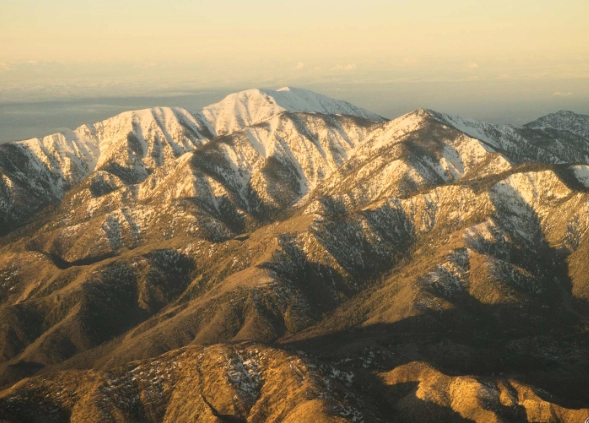
The San Gabriel Mountains aren't just a pretty backdrop for Los Angeles. They're a massive, complex wilderness area—the Angeles National Forest encompasses most of it—that can serve up everything from a gentle family picnic to a serious mountaineering challenge, all within an hour's drive of downtown LA. Most guides just list the popular trails. Let's dig deeper.
What's Inside This Guide
Why the San Gabriel Mountains Matter (More Than You Think)
This range is a geographic marvel. It rises sharply from the urban basin, creating one of the steepest topographic gradients in the contiguous United States. That's why the views are so dramatic. But it's not just about looks. The San Gabriels act as a crucial watershed for LA, a biodiversity hotspot (home to rare species like the mountain yellow-legged frog), and a vital escape valve for millions of city dwellers.
Comparing it to other Southern California ranges like the Santa Monicas or San Bernardinos? The San Gabriels are generally higher, rockier, and feel more remote. You get a real sense of wilderness here, even on trails close to the city.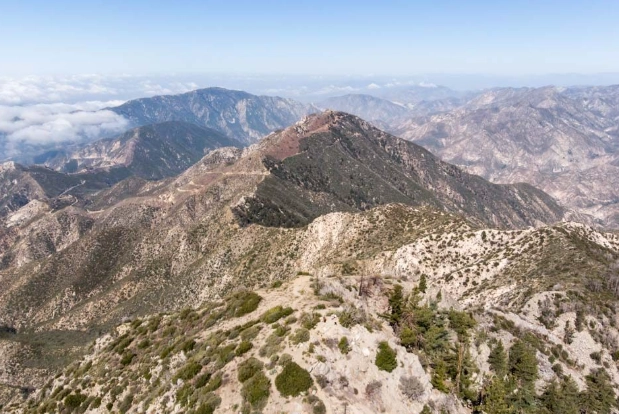
Best Ways to Experience the San Gabriels
Hiking: The Heart of the Experience
This is the main draw. Trails range from paved, wheelchair-accessible paths to unmaintained ridgeline scrambles. The secret most beginners miss? Altitude matters more than mileage. A 3-mile hike with 1500ft of gain here will wreck you faster than a flat 6-miler. Always check the elevation profile.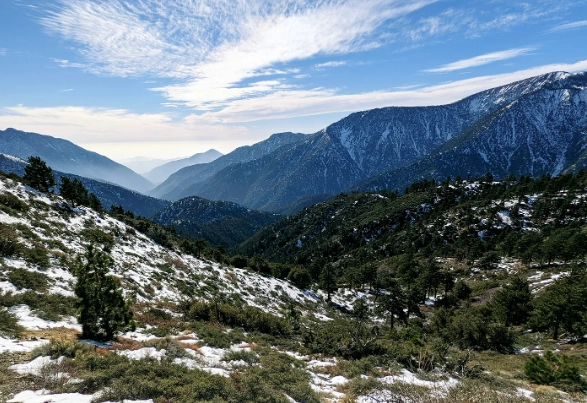
Scenic Drives: Views Without the Sweat
Angeles Crest Highway (CA-2) is the legendary route. But don't just drive from La Cañada to Wrightwood non-stop. The magic is in the pullouts. Red Box Gap offers short walks to stunning overlooks. Newcomb's Ranch is a biker and hiker pitstop with character (and burgers). Check Caltrans for road closures, especially in winter.
Camping & Backpacking
Developed campgrounds like Buckhorn or Chilao book up fast on weekends (recreation.gov is your friend). For backpacking, the Gabrielino Trail is a classic multi-day option. A non-consensus tip: Many of the first-come, first-served sites mid-week are empty, offering spontaneous solitude.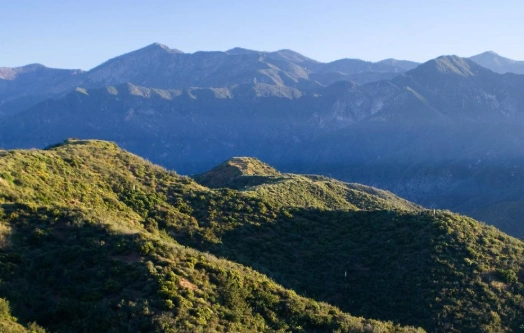
Winter Activities
Yes, it snows here. Mt. Waterman and Mountain High are the local ski areas, but conditions are fickle. More reliable is snow play around Grassy Hollow or Big Pines. Chains are often required—don't ignore those signs.
Must-See Spots & Trail Breakdown
Here’s a quick look at some top locations to get you started.
>Multiple river crossings, history (1930s bridge), can include bungee jumping.>Experienced hikers seeking the highest peak in LA County. Not a casual stroll.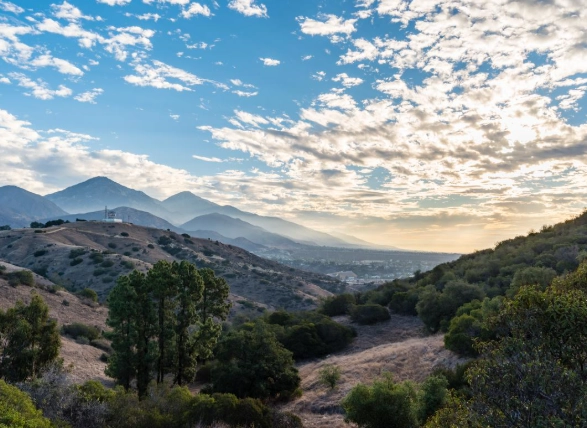
| Spot Name | What It's For | Key Info (Distance/Difficulty) | Perfect For |
|---|---|---|---|
| Eaton Canyon Falls | Waterfall Hike | ~3.5 mi round trip / Easy-Moderate | Families, first-timers, a quick nature fix. Gets insanely crowded by 10 AM on weekends. |
| Mt. Wilson Trail (from Sierra Madre) | Leg-Burner with History | ~14 mi round trip / Strenuous | Training for bigger peaks, history buffs (old toll road), epic city-to-peak views. |
| Switzer Falls | Classic Canyon & Waterfall | ~4.5 mi round trip / Moderate | A more scenic alternative to Eaton, with creek crossings and oak woodlands. |
| Bridge to Nowhere | Adventure Hike | ~10 mi round trip / Moderate-Strenuous | |
| Mt. Baldy (Mt. San Antonio) | Summit Challenge | Varies (11+ mi) / Very Strenuous |
Let's zoom in on one. Switzer Falls. The parking lot ($5 fee or Adventure Pass) fills early. The hike down into the canyon is delightful, following a stream. The "falls" themselves are often more of a trickle by late summer, but the grotto-like setting is magical. The common mistake? People stop at the upper overlook. Scramble down carefully (it's steep) to the base of the lower falls for the full experience and a cooler lunch spot.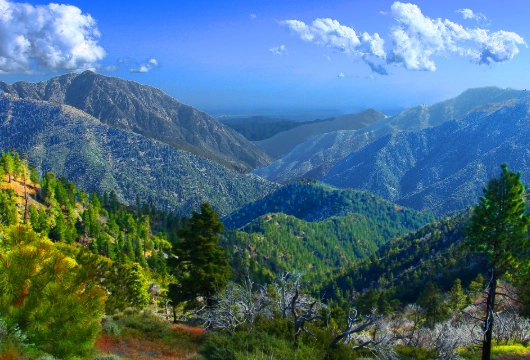
Planning Your Trips: From Day Hikes to Weekends
The Perfect Day Hike Itinerary (For Beginners)
7:00 AM: Leave home. Beat the traffic and the heat.
8:00 AM: Arrive at trailhead (e.g., Switzer). Parking is easy, air is cool.
8:15 AM: Start hiking. Take your time.
10:30 AM: Reach your destination (the falls). Enjoy a long snack break.
12:00 PM: Back at the car.
12:30 PM: Lunch at Newcomb's Ranch on Angeles Crest or a picnic at a turnout.
The key is the early start. I can't stress this enough.
A Weekend Getaway Plan
Day 1: Drive up Angeles Crest, hike a moderate trail near Charlton Flat (like Vetter Mountain). Check into your campground (Chilao) or cabin in Wrightwood.
Day 2: Choose your adventure: a bigger hike (like Blue Ridge), explore the town of Wrightwood, or take the scenic drive to Big Pines for lake views.
Pro Move: Book a cabin in Wrightwood through a local rental site, not a big platform. You often get better deals and local tips.
Expert Tips You Won't Find on AllTrails
After years of hiking here, here are the subtle things that make or break a trip.
- The Pass Situation: You need a National Forest Adventure Pass ($5/day or $30/year) to park at most trailheads. You can buy them at Big 5 Sporting Goods, REI, or some gas stations near the foothills. Getting a ticket is common if you forget.
- Water is Everything: Carry at least 1 liter per person for every 2 hours of hiking, plus extra. Many streams are not safe to drink from without treatment due to giardia.
- Cell Service is a Myth: Assume you have none. Download offline maps (Gaia GPS, AllTrails+) and tell someone your plan.
- Weather Swings Fast: It can be 85° in Azusa and 65° at the trailhead. In fall/spring, carry an extra layer. In summer, thunderstorms can pop up rapidly in the high country.
- The "Easy" Trail Trap: Trails labeled easy near the front country (like Eaton Canyon) are often wide, hot, and shadeless. A "moderate" trail deeper in the forest might be more pleasant because it's shaded by oaves and pines.
Your Questions, Answered
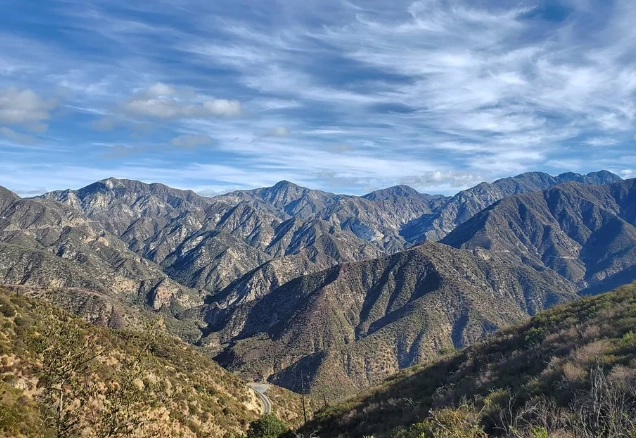
The San Gabriel Mountains are a gift—wild, challenging, and incredibly close. They demand respect but repay it with quiet forests, rushing streams, and views that stretch to the ocean. Ditch the generic top-10 list. Pick one trail from this guide, start early, pack more water than you think, and go see for yourself. You might just find your new favorite escape.
Comments