Your Quick Guide to Highlights
So you're planning a trip to the Grand Canyon, and you've heard about the Hualapai Indian Reservation. Maybe you saw a picture of that crazy glass bridge, the Skywalk, and thought, "I have to see that." Or perhaps you're looking for something beyond the crowded South Rim, something with a bit more soul and story. Let me tell you, you're on the right track. Figuring out the best Hualapai Indian Reservation things to do can feel a bit overwhelming at first—there's a lot of information out there, and some of it is confusing. I've been there, done the research, and made the trip myself. This guide isn't just a list; it's the deep dive I wish I had before I went, packed with the real, practical stuff you need to know.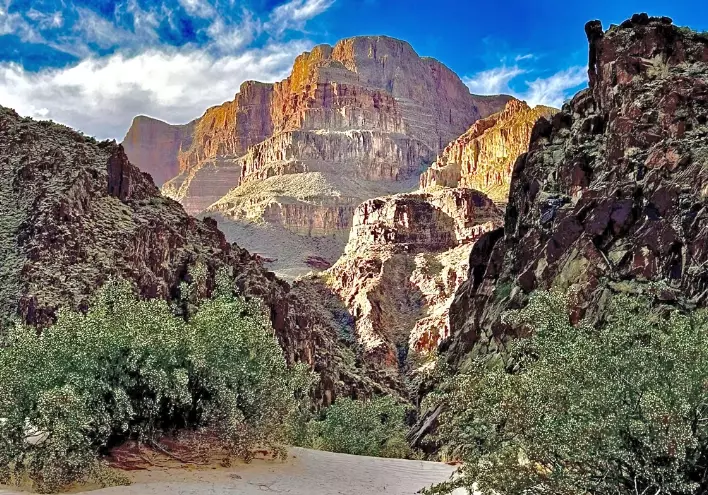
The Hualapai Tribe's land, often called Grand Canyon West, is a different beast entirely from the National Park. It's managed by the people who have called this place home for centuries. That means your visit directly supports their community, but it also means the experience, the rules, and the vibe are uniquely theirs. It's less about quiet contemplation on a park bench and more about raw, in-your-face canyon views and immersive cultural experiences. Is it worth it? For most people, absolutely. But knowing what you're getting into is half the battle.
The Undisputed Star: Grand Canyon Skywalk
You can't talk about Hualapai Indian Reservation things to do without starting here. The Skywalk is the headline act, the engineering marvel that put this place on the map. It's a horseshoe-shaped glass bridge that juts out 70 feet from the canyon rim, suspending you 4,000 feet above the Colorado River. Walking on it is a surreal experience. The glass is perfectly clear, and you feel like you're floating over the abyss.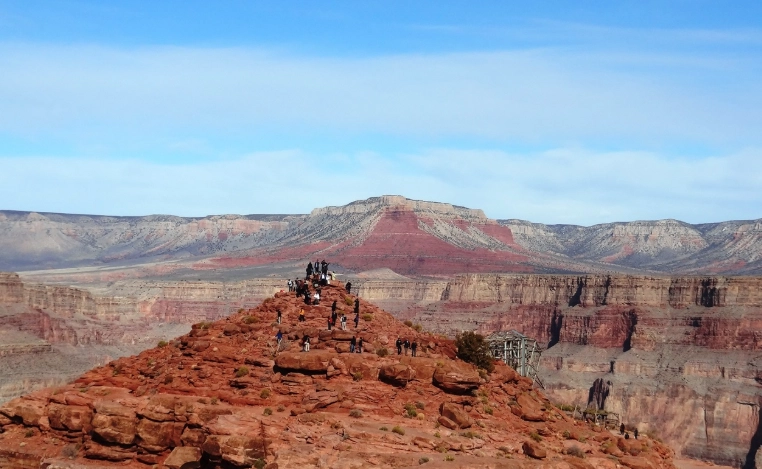
Now, here's the honest take you won't get from the brochure photos. First, you cannot take your phone or camera out on the Skywalk itself. They provide you with grippy shoe covers (to protect the glass) and lock up all personal belongings. Professional photographers are stationed on the bridge to take your picture, which you can purchase later. This policy frustrates a lot of people—I was a bit annoyed myself—but it's a strict safety and commercial rule. The views, however, are unimpeachable. You see layers of rock and the river bend in a way you just can't from the solid ground of the rim.
If you have a fear of heights, your palms will sweat. The glass is incredibly strong (they say it can hold the weight of seventy 747 jets), but your brain doesn't always believe logic. For everyone else, it's more awe-inspiring than terrifying. It's a quick walk, maybe 15 minutes total unless there's a line, but it's the iconic Hualapai experience.
Skywalk Logistics & Tips They Don't Always Shout About
You can't just buy a Skywalk ticket. Access is only included as part of specific tour packages from the Hualapai Tribe. The most basic is the "Skywalk" package, which gets you general admission to Grand Canyon West plus Skywalk access. You'll also need to pay for the mandatory shuttle bus that ferries you between the different points within the reservation (it's a large area, and personal vehicle access is restricted). Book this in advance online. I made the mistake of thinking I could wing it, and I ended waiting longer than I wanted to. The official site to book is GrandCanyonWest.com—that's your source of truth for packages and prices.
Beyond the Glass: The Other Must-Do Hualapai Experiences
If you only do the Skywalk and leave, you're missing at least half the point of visiting. The Hualapai Indian Reservation things to do list is surprisingly robust. The landscape and cultural offerings are what make the trip truly complete.
Guano Point: The View That Stole My Heart
Honestly, I might have liked Guano Point more than the Skywalk area. It feels wilder, more exposed. The shuttle drops you off, and you walk a short path to a peninsula of rock surrounded on three sides by the canyon. The 360-degree views are breathtaking. You can see the Colorado River, the Skywalk in the distance, and miles of untouched canyon. There's a section called the "Highpoint Hike" where you can walk out on a narrow ridge (with railings, don't worry)—it feels adventurous. They also have a simple, open-air eating area here where you can get a surprisingly good BBQ-style lunch (included in some tour packages). Sitting there, eating with that view, was a highlight.
Eagle Point: Home of the Skywalk & So Much More
This is where the Skywalk is located, but Eagle Point itself is named for a rock formation that, if you squint just right, looks like a giant eagle with outstretched wings. The viewing areas here are fantastic. You'll also find a large replica of a traditional Hualapai dwelling, and often, cultural demonstrators. I watched a gentleman crafting beautiful bows and arrows, and he was happy to explain the process and significance. This is the cultural heart of the visit, so don't rush past it just to queue for the bridge.
Hualapai Ranch: A Dose of Themed Fun
Want a change of pace from the epic vistas? The Hualapai Ranch is a constructed Old West-style town. It's a bit cheesy, I won't lie, but it's fun, especially for families. They offer wagon rides, cowboy games, stunt shows, and even a small zipline. You can even stay overnight in cabins here if you want to extend your trip. It's not a deep cultural immersion, but it's a playful counterpoint to the grandeur of the canyon.
For the Truly Adventurous: The Colorado River Experience
This is the crown jewel for many seeking active Hualapai Indian Reservation things to do. The Hualapai Tribe has rights to a segment of the Colorado River within the Grand Canyon, and they operate one-day whitewater rafting trips. You take a bus down a steep, winding road to the river floor—a journey that's an adventure in itself—then board a motorized raft for a trip downriver through some thrilling rapids.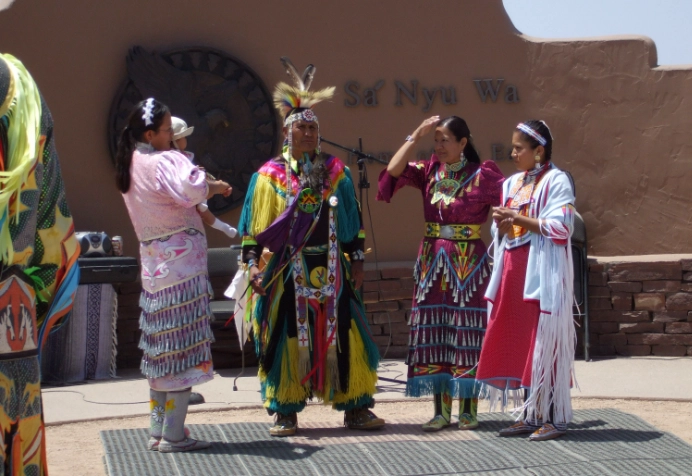
I haven't done this one myself (time and budget didn't allow), but it's consistently rated as a top experience. You get to see the canyon from the bottom up, feel the power of the river, and even stop for a short hike to a waterfall. It's a full, demanding day, but people say it's unforgettable. You must book this separately, and it often sells out. All the details are on the official Hualapai tourism site.
Comparing Your Main Activity Options
To help you wrap your head around the core Hualapai Indian Reservation things to do, here's a quick breakdown. Think of the "General Admission" or "Skywalk" package as your base ticket to get in and use the shuttles.
| Activity / Package | What's Included | Best For... | Time Commitment |
|---|---|---|---|
| Skywalk Package | General Admission, Shuttle, Skywalk Access | First-timers who want the iconic photo op and rim views. | 3-5 hours |
| Guano Point & Eagle Point (Part of all packages) | Breathtaking rim viewpoints, cultural exhibits, dining options. | Everyone. This is the core sightseeing experience. | 2-3 hours split between sites |
| Whitewater Rafting Trip | Bus to river, guided motorized raft trip with rapids, lunch. | Adventure seekers, those wanting a unique canyon perspective. | Full day (8+ hours) |
| Hualapai Ranch | Old West shows, wagon rides, games, cabin stays. | Families with kids, those wanting lighthearted fun. | 1-2 hours (or overnight) |
The Nitty-Gritty: Planning Your Visit Like a Pro
This is where most generic guides fall short. You need the gritty details to plan effectively. Let's break it down.
Getting There: It's a Journey
Grand Canyon West is about a 2.5-hour drive from Las Vegas, 4.5 hours from Phoenix. The last hour or so is on unpaved, graded dirt roads. They are generally well-maintained, but a high-clearance vehicle is recommended, and you should never attempt it in a severe rainstorm. Rental car companies often prohibit driving on these roads, so check your contract. Many, many people opt for a tour bus from Las Vegas, which handles the transportation hassle. If you drive, fill your gas tank before you leave the highway.
Tickets, Packages, and the All-Important "Legacy" Fee
Here's the critical financial piece. You must purchase an entry package. There is no "pay at the gate" option for regular sightseeing. Packages start with General Admission (which doesn't include the Skywalk) and go up from there. On top of your package price, every visitor pays an additional "Legacy" fee. This is a direct contribution to the Hualapai Tribe for the use and maintenance of their land and resources. It's non-negotiable and is a meaningful way your visit supports the community. Again, GrandCanyonWest.com is the only official sales channel.
What to Bring (And What to Wear)
The desert is unforgiving. My absolute non-negotiables:
- Water. More than you think. A large reusable bottle per person.
- Sturdy, closed-toe shoes. You'll be walking on rocky, uneven paths. No flip-flops.
- Sun protection. Hat, sunglasses, and high-SPF sunscreen. The sun is intense, and shade is scarce.
- Layers. It can be cool in the morning, blazing hot at noon, and windy anytime. A light jacket is wise.
- Cash/Card. For food, souvenirs, and those professional Skywalk photos.
- Patience. This is a remote operation with lots of visitors. Shuttles wait, lines form. Go with the flow.
Answering Your Burning Questions (The FAQ Section)
I had a ton of questions before I went. Here are the answers I figured out, straight from my experience and research.
It's not "better," it's different. The National Park is about preservation, hiking, and a more serene, sprawling experience. Grand Canyon West is about curated, jaw-dropping viewpoints and Hualapai culture. The West Rim is closer to Vegas, the views are more "straight down," and it's more of a commercialized, activity-based day trip. The South Rim feels more like a classic national park. They serve different purposes.
Yes and no. You can drive yourself (with the caveats mentioned). But once there, you must buy an official entry package and use their shuttles to access the sites. You cannot just drive up to the canyon rim on your own. So you're self-guiding your travel, but on-site, you're following their system.
Spring (March-May) and Fall (September-November) are ideal. Summer (June-August) is brutally hot—often over 100°F (38°C). If you go in summer, you must start at opening time. Winter can be cold and windy, with occasional road closures due to snow or mud. Check the forecast religiously.
Yes! The Hualapai Ranch offers cabin accommodations. There's also the Hualapai Lodge in the town of Peach Springs, about an hour away, which is the tribal headquarters and a gateway for river trips. Staying overnight lets you experience the canyon at sunrise/sunset without the Vegas day-trip crowds.
This is an important question. Yes, absolutely, if you visit with the right mindset. Remember you are a guest on sovereign Native American land. Follow all rules (like the no-photos on Skywalk rule), be polite to staff, listen to the cultural demonstrators, and understand that your fees are supporting the tribe's economy and preservation of their heritage. It's a commercial operation, but it's also their home.
After you walk the Skywalk and take in the views from Guano Point, just find a quiet spot on the rim for a few minutes. Look past the railings and the people. Listen to the wind. Try to imagine the generations of Hualapai people who have lived with this canyon. That moment, for me, was when the list of "Hualapai Indian Reservation things to do" transformed from a tourist checklist into a real, resonant experience. That's what you're going for. Plan smart, pack your water, and get ready for some of the most dramatic landscapes on earth.
Comments