Driving north on Interstate 5, it appears long before you're ready for it. A solitary, snow-capped giant rising from the flat valley floor, dominating the horizon for over a hundred miles. Mount Shasta isn't just a mountain; it's a region-defining landmark, a dormant volcano with a powerful presence that pulls travelers off the highway and into its shadow. For years, I've been guiding hikes and answering questions about this place. Most visitors get the postcard view, but miss the depth. This guide is for those who want to move beyond the windshield perspective and truly experience Shasta Volcano, California.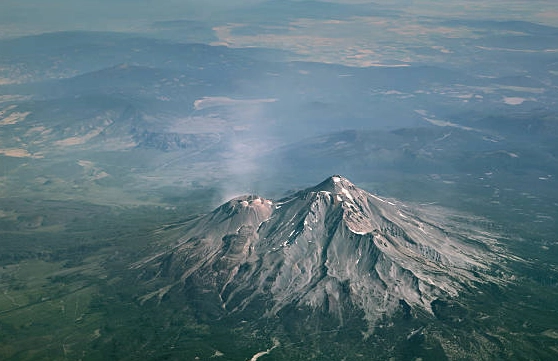
What’s in This Guide
Why Shasta Isn't Your Average Mountain
At 14,179 feet, Mount Shasta is the second-highest peak in the Cascade Range and the most voluminous stratovolcano in the entire range. The numbers are impressive, but the feeling is what sticks with you. It's an independent mountain, not part of a contiguous range, which gives it that staggering, iconic profile.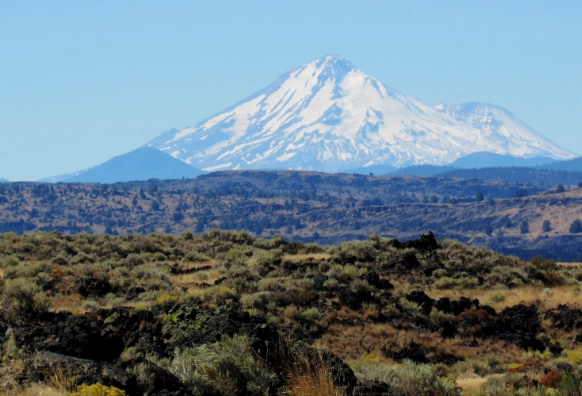
Let's talk about the volcano part, because everyone asks. Is it going to erupt? The USGS classifies it as a high-threat volcano with a high probability of eruption in the long term. But "long term" for geologists means within the next few hundred to few thousand years. The last confirmed eruption was about 3,200 years ago. The mountain is dormant, not extinct. You can see evidence of its power in the massive mudflow deposits (lahars) that shaped the surrounding valleys. This geological activity is why the area is studded with natural springs—the volcano heats the groundwater.
The mountain is sacred to several Native American tribes, including the Wintu, Shasta, and Modoc. For many, it's a central place in creation stories. You'll feel that reverence in the air. It's why you should tread lightly, pack out everything, and avoid disturbing rock cairns or other features you might not understand.
Key Fact Check
Address/General Location: The volcano is located in the Shasta-Trinity National Forest, about 60 miles north of Redding, California. There is no single "address." Your destination will be a specific trailhead or town.
"Ticket" Cost: Access to the national forest is free. However, you must obtain a wilderness permit for any overnight stay or summit climb, available for free at self-service stations at major trailheads. A California Campfire Permit (free online) is required for any stove use or campfire outside developed campgrounds.
Visitor Centers: The main hub is the Mount Shasta Visitor Center in the city of Mount Shasta (300 Pine St). They have maps, permits, and the latest trail conditions. The US Forest Service Ranger Station in McCloud is also helpful for the southeastern slopes.
How to Get to Shasta Volcano: Practical Logistics
You're almost certainly driving. The closest major airport is in Redding (RDD), about an hour south, but rental car options are limited. Most people fly into Sacramento (SAC) or Medford, Oregon (MFR) and drive 3-3.5 hours.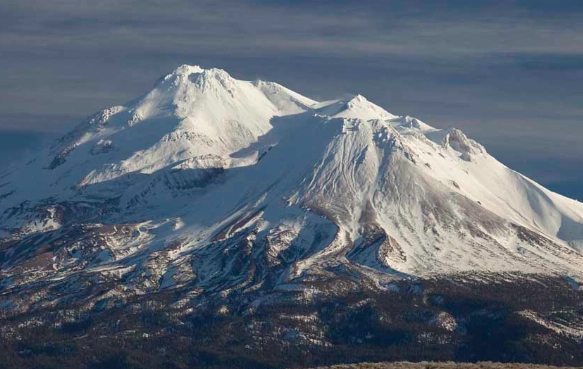
The main access towns are:
- City of Mount Shasta: The largest town, on the I-5 corridor. Best for amenities, groceries, gear shops (like The Fifth Season), and most services.
- Weed: Just north on I-5. More budget-friendly motel options, great views of the mountain.
- McCloud: Southeast of the peak. Quieter, historic vibe, closer to the McCloud River and some lesser-used trailheads.
The primary paved road accessing the mountain is the Everitt Memorial Highway (Forest Road A-10). It winds up from the city of Mount Shasta to the Bunny Flat trailhead at 6,950 feet. This road is plowed in winter up to the Ski Park, but the final stretch to Bunny Flat often closes with heavy snow (usually Nov-May). Always check road conditions with the Forest Service.
Public transportation is virtually non-existent for reaching trailheads. You need your own vehicle.
Driving Directions from Key Points
From Sacramento: I-5 North for ~220 miles. Take exit 738 for Central Mount Shasta. About a 3.5-hour drive.
From San Francisco: I-80 East to I-505 North to I-5 North. Roughly 4.5 hours.
From Portland: I-5 South for ~285 miles. Take exit 738. About 4.5 hours.
What to Do Once You Arrive (Beyond Just Staring)
Most visitors make the mistake of trying to do too much or tackling something beyond their skill. Match the activity to your fitness and experience.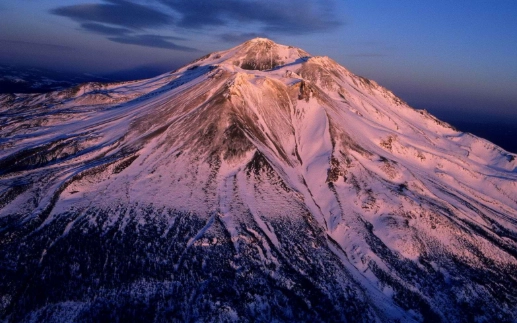
For the Day Hiker & Sightseer
Bunny Flat to Horse Camp (Sierra Club Hut): This is the classic introductory hike. It's a moderate 2.5-mile (round trip) climb through fir forest to a historic stone hut at 7,900 ft. The views of the Avalanche Gulch summit route are stunning. It gives you a real taste of the mountain's scale without technical danger.
Gray Butte Trail: Starting from the Panther Meadows area, this short loop offers arguably the best panoramic views for the least effort. Wildflowers in July are incredible.
Heart Lake Trail: From the Castle Lake parking area, a steep but rewarding 1.5-mile climb to a small, heart-shaped lake with Shasta perfectly framed behind it. A photographer's dream at sunrise.
Drive the Everitt Memorial Highway: Stop at the various pullouts. The view from the Old Ski Bowl area is spectacular.
For the Aspiring Summiteer
Summiting Shasta is a serious, often technical, endeavor requiring ice axes, crampons, and route-finding skills. The climbing season is short: late May to early July for the best snow conditions.
| Route | Difficulty | Best For | Key Consideration |
|---|---|---|---|
| Avalanche Gulch | Moderate (Class 2/3) | First-time summiteers with a guide or strong mountaineering skills. | Crowded. Requires navigating the Red Banks rock band. Glissade descent is fast but can be dangerous if uncontrolled. |
| Clear Creek | Moderate (Class 2) | Late season (Aug-Sept) when snow melts out. Less technical. | A long, tedious scree slog. Less scenic than snow routes. Hot and dusty. |
| Hotlum-Wintun Ridge | Strenuous (Class 3/4) | Experienced climbers seeking solitude and challenging glacier travel. | Remote, complex route with crevasse hazard. Not for beginners. |
My non-consensus take? Avoid Avalanche Gulch on a summer holiday weekend. It becomes a conga line. The risk of rockfall from climbers above you increases dramatically. Consider the less-traveled Casaval Ridge (for experts) or go with a guide on a weekday.
Winter & Other Activities
The Mount Shasta Board & Ski Park offers family-friendly skiing. Backcountry skiing on the mountain itself is for experts only due to avalanche terrain. Fishing in the McCloud River or Lake Siskiyou is fantastic. Don't miss the Headwaters Spring at the base of the mountain for some of the purest water you'll ever taste (bring your own bottle).
Crafting Your Perfect Shasta Itinerary
Here’s a realistic 2-day, 1-night weekend plan that balances activity with soaking in the vibe.
Day 1: Arrive in the city of Mount Shasta by late morning. Visit the Visitor Center to check conditions and grab permits. Have lunch downtown. Drive up Everitt Memorial Highway to Bunny Flat. Hike to Horse Camp (2-3 hours round trip). On the way down, stop at Panther Meadows for a short walk. Check into your lodging. For dinner, try a local spot in Mount Shasta or McCloud. Watch the sunset light up the mountain from a roadside pullout—it's magic.
Day 2: Early start. Drive to the Castle Lake trailhead and hike up to Heart Lake for sunrise (headlamp needed). It's a workout, but you'll likely have it to yourself. Return to town for a late breakfast. Spend the afternoon exploring the McCloud River Falls (a series of three beautiful waterfalls accessible by a short trail) or relaxing at Lake Siskiyou. Depart.
Where to Stay:
Budget: Motels in Weed (like the SureStay Hotel).
Mid-Range: The Mount Shasta Resort (cabins by the river) or the McCloud Hotel (historic charm).
Camping: Developed sites at Lake Siskiyou Campground or numerous dispersed camping spots in the national forest (follow Leave No Trace principles).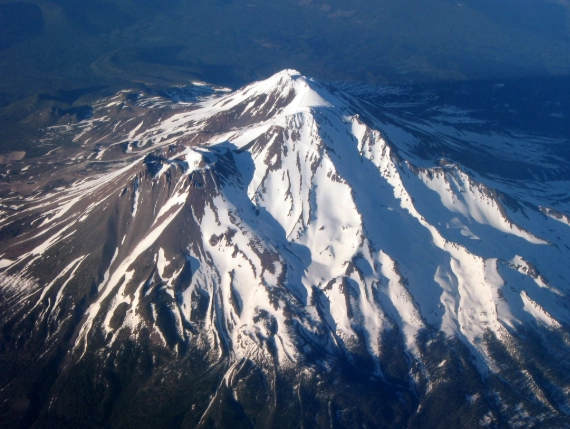
Staying Safe on the Volcano: It's Not a Park Walk
This is the most important section. Shasta's beauty is matched by its hazards.
- Altitude: You can get Acute Mountain Sickness (AMS) here. Symptoms include headache, nausea, dizziness. The only cure is to descend. Acclimatize by spending a night at a higher elevation before a big hike.
- Weather: It creates its own weather. Clear mornings can turn into white-out blizzards by afternoon. Check the National Weather Service forecast for 14,000 ft, not just the town forecast. Turn back if clouds build.
- Glacial Hazards: Crevasses, falling ice, slippery hard snow. If you don't know how to use an ice axe and crampons, and travel roped up on a glacier, stay off the glaciated routes.
- Water: Streams can be contaminated with Giardia. Treat all water, even from springs. Carry more than you think you need—the air is dry.
File a trip plan with someone. Cell service is unreliable on the mountain.
Your Shasta Questions, Answered
What is the most common mistake first-time hikers make on Mount Shasta?
Underestimating the altitude and weather. The summit is over 14,000 feet, and conditions can change from sunny to life-threatening in under an hour. Many day-hikers attempt Avalanche Gulch without proper acclimatization, sufficient water, or an emergency bivy sack, leading to exhaustion or hypothermia. The mountain demands respect; treat it like a major expedition, not a casual day hike.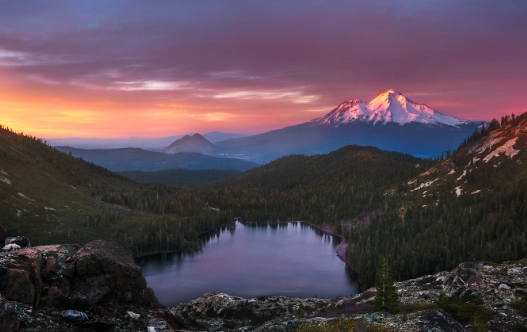
Is it safe to hike Mount Shasta without a guide?
For established trails like the Bunny Flat to Horse Camp route, yes. For summit attempts on routes like Avalanche Gulch or Clear Creek, experience is non-negotiable. You need advanced glacier travel and self-arrest skills. If you're asking this question, you likely need a guide. Local outfits like Shasta Mountain Guides provide critical safety and route-finding. Going unguided without proven high-altitude mountaineering experience is the primary factor in most rescues here.
When is the absolute best time to visit Shasta Volcano for clear views and good weather?
A narrow window in late July through mid-September. June can be snowy, October brings early storms. Even in August, aim to start hikes by 5 AM to be below treeline before afternoon thunderstorms build. For photographers, the alpenglow at sunset on a clear evening in early September is unmatched, but you need to camp to see it.
Can you drive to the top of Mount Shasta?
No. The paved road ends at the Bunny Flat trailhead (6,950 ft). The final 7,000+ feet to the summit is only accessible by foot, requiring a strenuous hike or technical climb. The Everitt Memorial Highway is scenic but stops well short of the summit. This protects the wilderness experience but means you must be prepared for significant physical effort.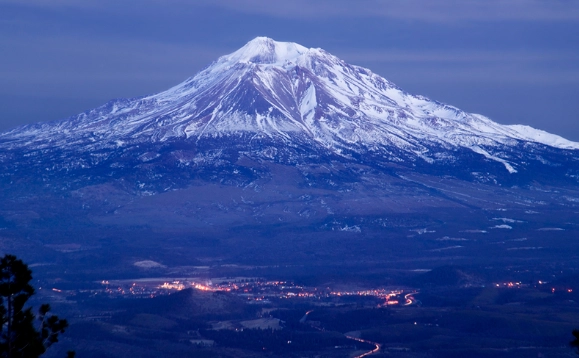
Mount Shasta stays with you. It's not a place you simply check off a list. It challenges you, surprises you, and if you listen, teaches you a little about your own limits. Plan carefully, respect its power, and you'll leave with more than just photos—you'll have a story.
Comments