In This Exploration
You've probably seen the name pop up in stunning photos of waterfalls with unreal blue water, or maybe you're planning a trip to Arizona. "Havasu." It sounds beautiful, doesn't it? Rolling off the tongue. But when you stop and think about it, what is the real Havasu meaning? Is it just the name of a waterfall, or is there more to it?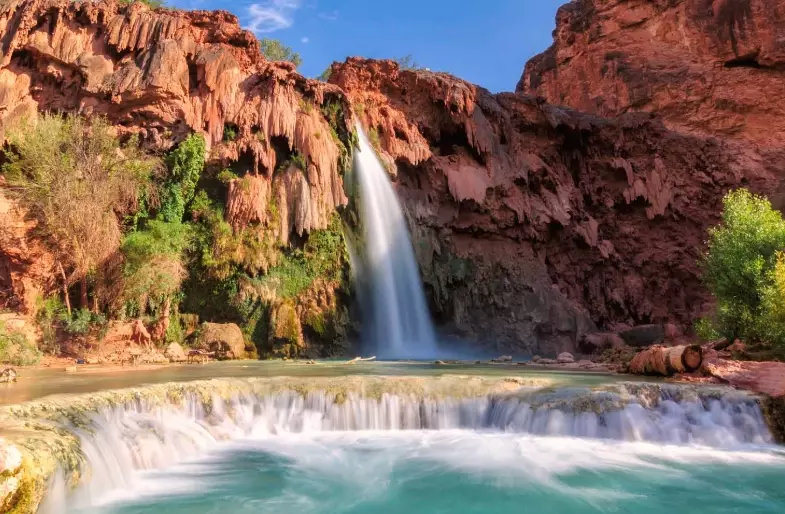
I got curious about this a while back. I was looking at pictures of Havasu Falls and the question just hit me. I mean, names usually have a story, right? Especially ones that sound that unique. A quick Google search gave me the basic answer – "people of the blue-green water" – but honestly, that felt like just the cover of a much thicker book. It was a starting point, not the destination.
Turns out, I was right. The meaning of Havasu is a layered thing.
It's not just a translation from a dictionary. It's tied to a specific place, a specific group of people, their history, and the incredible landscape they've called home for centuries. To really get the Havasu meaning, you have to follow the threads. So that's what we're going to do. We'll start with the words themselves, then meet the people behind the name, explore the famous place that carries it, and see how it's used today. By the end, you won't just know what it means; you'll understand why it matters.
Here's the thing upfront: If you're looking for a one-sentence answer, the most direct Havasu meaning comes from the Havasupai language. It translates to "blue-green water." The name of the tribe, Havasuw `Baaja, means "People of the Blue-Green Water." But stick with me, because that simple translation opens a door to a much richer story.
The Core of It All: The Havasupai Tribe and Their Name
This is where any search for the Havasu meaning has to begin. The word is inseparable from the Havasupai Tribe. They are the origin, the source. Their traditional homeland is one of the most remote and spectacular places in North America: a side canyon of the Grand Canyon in Arizona.
For over 800 years, they've lived down there. Can you imagine that? Centuries in a canyon oasis. Their name for themselves is Havasuw `Baaja. Let's break that down, because this is the heart of it:
- Havasu: This part refers to the color of the water. Not just blue, not just green, but that specific, brilliant, almost surreal turquoise or blue-green hue you see in the photos.
- `Baaja: This means "people" or "the people."
So, Havasuw `Baaja = "People of the Blue-Green Water." It's a name that describes their world perfectly. Their life, their identity, is built around the unique waters of Havasu Creek. The meaning of Havasu, in its purest form, is a description of their home's most defining feature.
I think that's powerful. It's not a name chosen by outsiders; it's a self-identifier rooted in the land. You can learn more about the Havasupai Tribe's history and sovereignty on the official website of the U.S. Department of the Interior's Bureau of Indian Affairs tribal leader directory, which provides verified information about federally recognized tribes.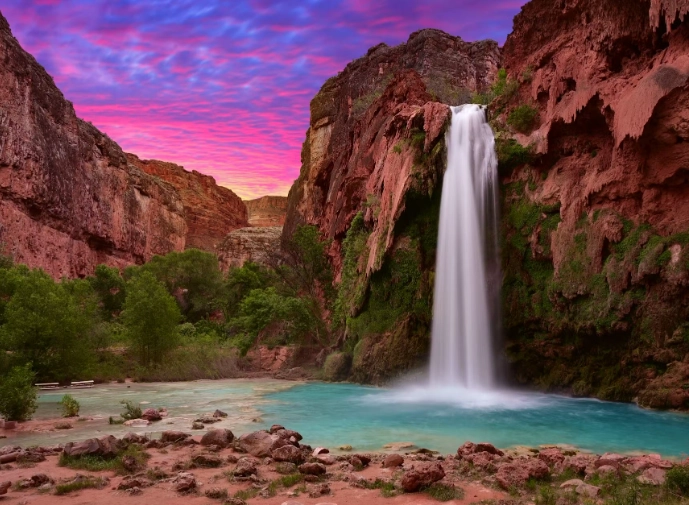
Why is the Water Blue-Green Anyway?
This question always comes up, and it's key to visualizing the Havasu meaning. That iconic color isn't magic (though it feels like it). It's geology and chemistry.
Havasu Creek is fed by springs deep underground. As the water travels through the limestone rock of the plateau, it dissolves minerals, primarily calcium carbonate and magnesium. These minerals are suspended in the water as tiny particles. When sunlight hits the water, these particles scatter the light in a way that emphasizes the blue and green wavelengths of the spectrum, creating that famous milky turquoise color.
The high mineral content also leads to the formation of the beautiful travertine dams and pools you see at the waterfalls. The water deposits the minerals as it flows, slowly building up the rock. So the water doesn't just *look* a certain way; it actively *shapes* the landscape. The meaning of Havasu is literally etched into the canyon walls.
It's a living process.
Havasu the Place: Falls, Creek, and Canyon
When most people hear "Havasu" today, they immediately think of Havasu Falls. It's the poster child. But it's just one part of a system. The name applies to several connected things:
- Havasu Creek: The main artery. This is the stream that carries the blue-green water through the canyon. It's the source of the name.
- Havasu Falls: The most famous waterfall on the creek, a stunning 100-foot drop into a perfect travertine pool. Saying "Havasu" often shorthand for this specific waterfall.
- The Havasu Canyon (or Havasupai Canyon): The broader canyon system where the creek flows and where the Havasupai village of Supai is located.
So, the geographical Havasu meaning encompasses this whole watershed of beauty. It's a nested set: the creek defines the color, the waterfalls are its most dramatic expressions, and the canyon is the home that contains it all.
Here’s a quick breakdown of the major waterfalls on Havasu Creek, which collectively bring the "blue-green water" meaning to life:
| Waterfall Name | Key Characteristic | Note on the "Havasu" Connection |
|---|---|---|
| Havasu Falls | The iconic, 100-foot drop into a large, swimmable pool. The most photographed. | The name directly applies. It's *the* falls that made the name famous worldwide. |
| Mooney Falls | Taller than Havasu Falls (about 200 ft), requires a chain-assisted climb down. | Named after a miner, not the Havasu color, but it's on the same blue-green creek. |
| Beaver Falls | A series of cascading falls further downstream, less visited. | Again, part of the Havasu Creek system. The water here still carries that signature hue. |
| Navajo Falls | Actually two separate falls (Upper and Lower) formed after a flash flood changed the creek's course. | A newer feature, but testament to how the living, mineral-rich water constantly reshapes the landscape. |
Planning a visit? You need a permit from the Havasupai Tribe, and they sell out insanely fast. It's not a casual hike. The trailhead is at Hualapai Hilltop, and it's a 10-mile hike to the village of Supai, then another 2 miles to the campground near Havasu Falls. The remoteness is part of its preservation—and part of the challenge. The National Park Service page for Grand Canyon National Park provides context on the larger region, though the falls themselves are on tribal land.
I haven't made the hike myself (the permit system is notoriously competitive, and I'm not sure my knees are ready for 20+ miles), but everyone I know who has done it says two things: 1) It's the most physically demanding thing they've ever done, and 2) It was completely worth it. That water color, they say, doesn't look real even when you're standing in front of it.
Beyond the Canyon: Other Uses of "Havasu"
Language and names travel. The core Havasu meaning of "blue-green water" from the Havasupai language has inspired other place names, primarily in Arizona. The most notable is Lake Havasu.
This is where it gets interesting, and maybe a little ironic. Lake Havasu is a large reservoir on the Colorado River, created by the Parker Dam in the 1930s. The city on its eastern shore is Lake Havasu City. The lake was named after the Havasupai people and their canyon, which lies far to the north.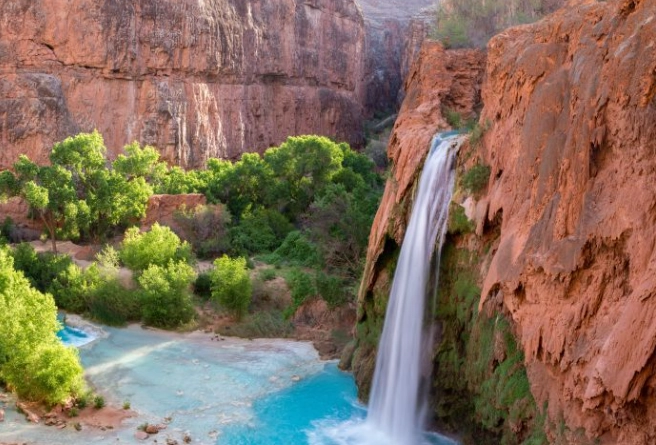
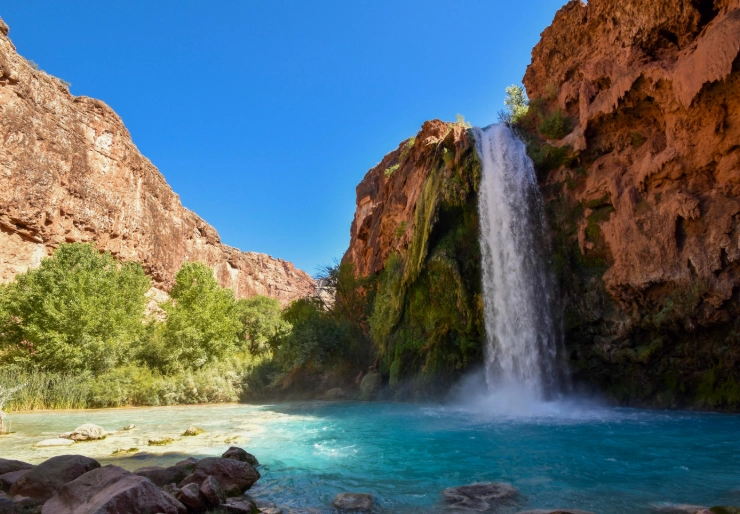
But here's the catch: the water in Lake Havasu is nothing like the blue-green water of Havasu Creek. It's the typical deep blue of a large desert reservoir. So the name "Havasu" is used, evoking the beauty of the original, but the defining characteristic—that specific water color—isn't present. The meaning has expanded from a literal description to more of a symbolic or honorific use.
Lake Havasu City is famous for something else entirely: the London Bridge. Yes, the actual historic London Bridge from England was rebuilt there in 1971. It's a weird and wonderful juxtaposition—a name derived from a remote Native American canyon attached to a piece of British history in the Arizona desert. It shows how the Havasu meaning can stretch and adapt.
You can find tourist information about this area on the Arizona Office of Tourism's official page for Lake Havasu City.
My take? It's a bit odd. Naming a large, blue reservoir after "blue-green water" makes sense on paper. But knowing the origin story, it feels like the connection is more administrative or geographic than experiential. Visiting Lake Havasu gives you a completely different feeling than (I imagine) visiting Havasu Falls. One is about boating and sunsets; the other is about a profound connection to a ancient landscape. Both are valid, but the essence of the original Havasu meaning is much stronger in the canyon.
Common Questions About the Havasu Meaning
Mixing them up is a common mistake.
Why Getting the Havasu Meaning Right Matters
You might wonder, why go to all this trouble? It's just a name. But I don't think it is. In a world where place names often get flattened into just labels for tourist destinations, understanding the origin adds depth and respect.
When you know that the Havasu meaning is tied to a specific tribe's description of their homeland, it changes how you see a picture of Havasu Falls. It's not just a pretty waterfall; it's the centerpiece of a living culture. It adds a layer of context that makes the place feel more real and significant.
For travelers, it fosters respect. Knowing you are visiting the homeland of the Havasupai, whose name is literally written in the landscape, encourages more mindful and culturally sensitive travel. It's the difference between being a spectator and a guest.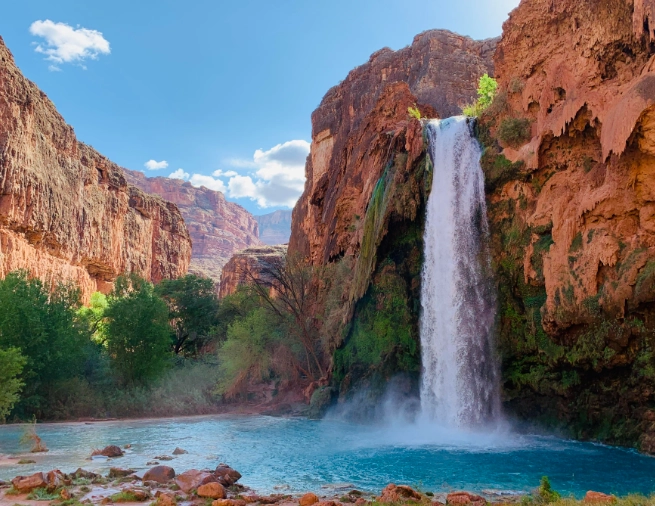
Final Thought: The journey to understand the Havasu meaning is a small lesson in paying attention. It starts with a simple question about a word and leads you to geology, hydrology, Native American history, and the power of place names. The full meaning isn't found in a dictionary definition. It's found in the canyon, in the water, and in the story of the Havasuw `Baaja, the People of the Blue-Green Water.
So next time you see that stunning photo, you'll see more than just blue water. You'll see a name, a home, and a meaning that has flowed for centuries.
Comments