Let's be honest. For most people, Grafton means one thing: jacaranda trees. Those stunning purple canopies that explode in late October and November, plastered all over Instagram. And look, the Grafton Jacaranda Festival is a legitimate spectacle—I've seen it, and it's magical. But if you think that's all this Northern Rivers town has to offer, you're missing about 90% of its charm.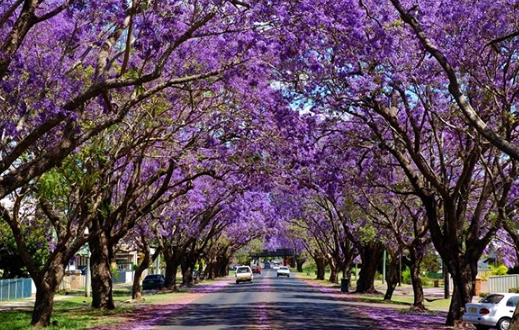
Grafton is a proper, old-school Australian country town with a rich history etched into its streets and a slow, friendly rhythm dictated by the mighty Clarence River. I've been visiting family there for years, and the mistake I see tourists make time and again is treating it as a quick photo stop. They breeze in, snap a pic of Prince Street, and leave. They never discover the grand courthouse, the quirky museums, the serene river walks, or the pub meals that taste like a hug.
This guide is for the traveller who wants to experience Grafton, not just see it. We'll dig into the historic architecture that gives the town its bones, find the best spots to watch the river roll by, and yes, we'll talk jacarandas—but with some local secrets on where to find the best views away from the crowds.
Your Grafton Trip at a Glance
How to Get to Grafton and Getting Around
Grafton sits on the Pacific Highway (A1), roughly halfway between Coffs Harbour (1 hour south) and the Queensland border (1.5 hours north). It's about a 3.5-hour drive from Brisbane and a solid 6.5-hour drive from Sydney. The train is a good option if you don't want to drive—NSW TrainLink's North Coast line stops right at Grafton Station, with daily services from both Sydney and Brisbane. The station itself is a cute, old-fashioned building, a nice welcome.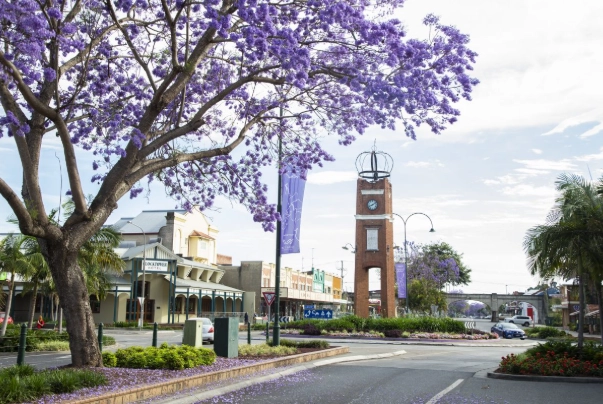
Once you're in town, you have options. The compact Central Business District (CBD) is very walkable. All the main historic buildings, shops, and several cafes are within a few blocks. For anything further out—like the rainforest on Susan Island or the Pioneer Park—you'll need wheels. Having a car is king for exploring the wider Clarence Valley, but for a town-centric visit, you can manage with your feet and maybe a local taxi.
A word of warning if you're driving up for the Jacaranda Festival: parking in the CBD becomes a competitive sport. Arrive early, or better yet, park a few blocks out and enjoy the walk through the purple-lined streets.
Walking Through History: Grafton's Architectural Gems
This is where Grafton truly shines. Established in the 1850s on the banks of the Clarence River, the town boomed as a river port for the cedar-getting industry. That wealth translated into some incredibly ornate public buildings and homes, many built in the Victorian and Federation styles. The NSW Government's Heritage Branch lists over 100 heritage items in the Grafton area. You don't need a list, just your eyes.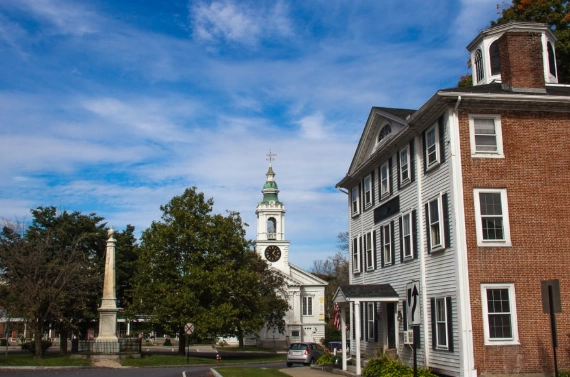
Start at the anchor: the Grafton Courthouse (Prince Street). It's an absolute stunner—a grand, sandstone Italianate building from the 1880s. You can't miss it. It's still a working court, so be respectful, but you can wander the grounds and admire the detail. Right across the road, you've got the Grafton Post Office, another fine Victorian pile.
From there, just wander. Look up above the modern shopfronts on Prince and Victoria Streets. You'll see intricate iron lacework, arched windows, and decorative brickwork. My favourite little detail is the collection of corner pubs with their classic tiled exteriors and old-fashioned signage. The Grafton Cathedral (Christ Church Cathedral) on Duke Street is worth a quiet look inside for its stained glass and peaceful atmosphere.
It's not just public stuff. Take a stroll through the Grafton Hill residential area (streets like Fry, Queen, and Mary). Here you'll find beautiful, well-preserved Queenslander-style homes and Federation bungalows, many draped in—you guessed it—jacaranda vines. It's a step back in time.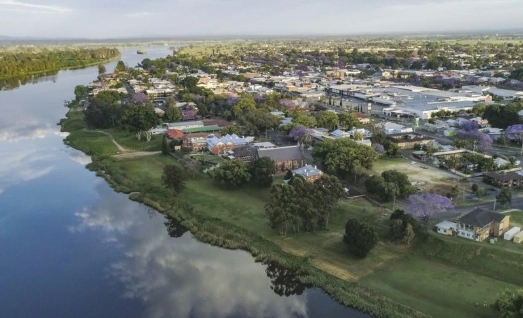
Must-See Sights & Activities (Beyond the Trees)
Okay, let's get practical. What should you actually do with your time here?
Top of the list: The Clarence River. This wide, slow-moving river is the town's lifeblood. You can admire it from the banks, but get on it or in it. The Grafton Bridge offers great views, especially from the pedestrian walkway. For a closer look, head to the Marina or the Susan Island Ferry crossing point (off Through Street). The short ferry ride to Susan Island itself is a mini-adventure—it's a nature reserve with walking tracks through remnant rainforest. It's quiet, green, and feels a world away.
For culture buffs: The Grafton Regional Gallery (158 Fitzroy St) punches above its weight for a regional gallery. It has a strong collection of Australian ceramics and hosts excellent touring exhibitions. Entry is by donation. The Grafton & District Historical Society Museum (190 Fitzroy St, in the old Presbyterian Church) is a classic, slightly chaotic local museum packed with artefacts and photos telling the town's story. It's only open limited hours (Wed & Fri afternoons, Sat mornings), so check ahead.
For families or a relaxed picnic: Pioneer Park (Fry Street) is lovely. It has a great playground, plenty of space, and yes, more beautiful trees. See Park (North Street) is another green space right on the river, perfect for throwing down a rug and watching the water go by.
Where to Eat, Drink, and Rest Your Head
Grafton isn't a foodie capital, but it does honest, hearty food very well. The vibe is classic country hospitality.
For a proper pub meal: You can't go wrong at one of the historic hotels. The Grafton Hotel (1 Pound Street) has a great bistro with river views. The Southland Hotel (191 Fry Street) is a local favourite for a counter meal and a cold beer in a no-frills setting.
For coffee and lunch: Heart and Soul Wholefood Cafe (121 Prince Street) is the go-to for great coffee, healthy brunch options, and delicious cakes. Bread and Butter (84 Prince Street) is a fantastic bakery—grab a pie or a pastry for a walk.
For something a bit nicer: The Studio Bistro (158 Fitzroy St, inside the Gallery) is a hidden gem. The menu is creative, the setting is light-filled and artistic, and it's licensed.
Where to Stay in Grafton
Accommodation ranges from motels to B&Bs. Book far in advance for the Jacaranda Festival. Here's a quick comparison: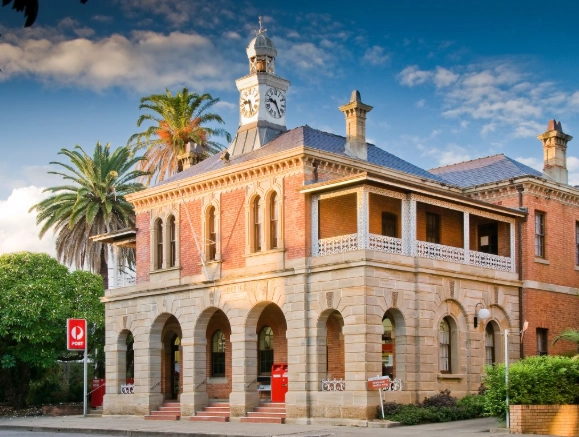
| Property | Type & Address | What's Good / Notes | Approx. Price Range |
|---|---|---|---|
| Grafton Heritage Inn | Motel, 252 Dawson St | Clean, reliable, good location just out of the CBD. Pool on-site. | $$ |
| Quality Inn Grafton | Motel, 1 Spring St | Right near the bridge, some rooms have river views. Standard chain comfort. | $$ |
| Clarence River B&B | Bed & Breakfast, 8 Mary St | Charming heritage home in the Grafton Hill area. Personal touch, cooked breakfast. | $$$ |
| Grafton Sunset Caravan Park | Caravan Park, 1 Heber St | Absolute waterfront location on the river. Cabins and powered sites. Perfect for families with boats. | $ - $$ |
Building Your Perfect Grafton Itinerary
The Day Tripper (From Coffs or Yamba): Arrive by 10 AM. Coffee at Heart and Soul. Do the heritage walk through the CBD, see the Courthouse and Post Office. Lunch at a pub bistro. Afternoon: Take the ferry to Susan Island for a walk OR visit the Regional Gallery. Grab a treat from Bread and Butter for the drive home.
The Weekend Explorer:
Day 1: Arrive, check into accommodation. Afternoon heritage walk, focus on the Grafton Hill houses. Dinner at The Studio Bistro or a pub.
Day 2: Morning visit to the Historical Society Museum (if open) or a longer walk on Susan Island. Drive out for a day trip to Iluka Nature Reserve (45 mins east) for coastal rainforest. Return for a sunset drink by the river.
The Festival Goer (Late Oct/Nov): All of the above, but schedule around events. Book accommodation a year ahead. Get up early to photograph the trees in the soft morning light before the crowds. Use the festival shuttle bus if running. Embrace the chaos—it's part of the fun.
The Jacaranda Festival: A Practical Guide
Since it's the big drawcard, here are the need-to-knows. The festival runs for about 10 days in late October, culminating in early November (check the official Jacaranda Festival website for exact dates). The crowning of the Jacaranda Queen and the street parade are the iconic events, but there are markets, garden tours, live music, and a funfair.
Pro Tips:
- The trees usually start blooming a week or two before the official festival. If you hate crowds, visit in that sweet spot.
- The best photographic light is early morning or late afternoon. Midday sun washes out the purple.
- Don't just stick to Prince Street. Wander the side streets and Grafton Hill for more intimate, less crowded scenes.
- The festival is family-friendly, but it gets very busy. Keep a close eye on kids during the parade.
Grafton's gift is its authenticity. It's not trying to be a trendy hotspot. It's a living, breathing historic town that happens to put on a world-class floral show once a year. Go for the purple, but stay for the peace, the history, and the gentle flow of the Clarence. Give it more than a glance, and it'll reward you with a genuinely memorable slice of regional Australia.
Comments