Quick Navigation
- What Exactly Are the Desert States in the USA?
- Breaking Down Each Desert State: Personality, Pros, and Pitfalls
- Practical Stuff: When to Go, What to Pack, How to Not Get in Trouble
- Common Questions About the Desert States (FAQs)
- Putting It All Together: Trip Ideas and Themes
- Final Thoughts From Someone Who's Been Burned (Literally)
So you're thinking about the desert states in the USA? Good choice. It's not just endless sand and tumbleweeds out there, you know. I used to think that way before I spent a summer driving through them all. The American Southwest is a different beast altogether—a landscape that shifts from red rock cathedrals to Joshua tree forests to vast salt flats, all under a sky that feels bigger than anywhere else.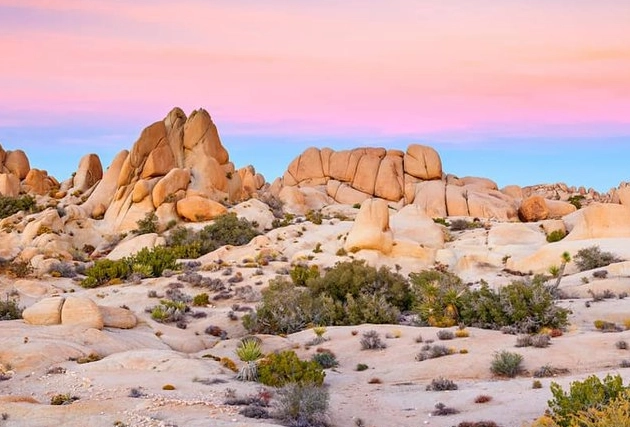
When people talk about the desert states in the USA, they're usually referring to the core four: Arizona, California (the southeastern part, let's be real), Nevada, and Utah. Texas and New Mexico have big desert chunks too, but for that classic Southwest vibe, these four are the main event. Each one has its own personality, its own rules, and its own kind of magic. And its own kind of brutal heat, if we're being honest.
This guide isn't just a list of places. I want to give you the feel of the place. The practical stuff you need to know before you go, the differences between them that nobody really talks about, and maybe talk you out of a bad idea or two (like hiking in the midday summer sun—just don't). Let's get into it.
What Exactly Are the Desert States in the USA?
First off, defining a "desert state" is trickier than it sounds. Is it a state that's mostly desert? A state with a famous desert region? For most travelers and geography buffs, the term "desert states in the USA" points squarely at the Southwest. We're talking about states dominated by the Mojave, the Sonoran, the Great Basin, and the Colorado Plateau deserts.
The Core Four: Arizona, California (specifically its arid regions), Nevada, and Utah form the heartland of the U.S. desert experience. They're contiguous, they share ecosystems, and they're packed with the national parks and iconic landscapes you see on postcards.
These states are bound together by aridity, but split apart by geology. The Sonoran Desert in southern Arizona feels lush compared to the stark Mojave in Nevada. Utah's desert is often high, cold, and painted with wild colors, while parts of California's desert are below sea level and blazing hot. Calling them all just "desert" is like calling all cakes "dessert"—technically true, but you're missing the details between a chocolate fudge and a lemon tart.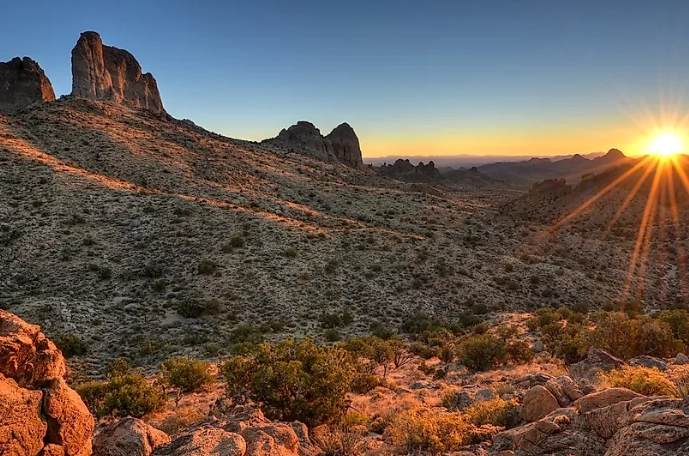
Breaking Down Each Desert State: Personality, Pros, and Pitfalls
Let's get specific. Here’s a table that lays out the basics. It’s a good starting point to see how these desert states in the USA stack up against each other.
| State | Primary Desert(s) | Iconic Vibe | Best For... | Watch Out For... |
|---|---|---|---|---|
| Arizona | Sonoran, Mojave (NW) | Saguaro cacti, red rocks, deep canyons | Winter sun, hiking, Grand Canyon enthusiasts | Extreme summer heat (Phoenix), monsoon floods |
| California (Desert Regions) | Mojave, Colorado (Sonoran) | Joshua trees, surreal landscapes, resort towns | Unique photography, Palm Springs leisure, Death Valley challenge | Extreme temperature swings, remote areas with no services |
| Nevada | Mojave, Great Basin | Vast empty spaces, neon oases (Las Vegas) | Stargazing, off-roading, combining nature with city lights | Deceptive distances, summer heat rivaling Arizona's |
| Utah | Colorado Plateau, Great Basin (W) | Otherworldly rock formations, "Mighty 5" national parks | Road trips, slot canyons, geology lovers | High-altitude desert cold (even in summer nights), crowded parks in peak season |
See? Already they're not the same. Picking which desert states in the USA to visit depends entirely on what you're after.
Arizona: The Classic Sonoran Experience
Arizona is what most people picture first. The Sonoran Desert here is surprisingly "green." It's got those giant saguaro cacti that look like they're waving at you. Tucson and Phoenix are the big hubs, but the soul of the place is in places like Saguaro National Park or driving the Apache Trail.
Then you've got the north, which is a whole different world. The Grand Canyon isn't just a hole in the ground—it's a geological symphony. And Sedona's red rocks have a vibe that's... hard to describe. Some say spiritual, I just think they're incredibly beautiful. Flagstaff up there isn't even desert; it's a mountain town with pine trees. Arizona keeps you guessing.
Local Tip: If you're in Phoenix in summer, hike at sunrise. I mean actual sunrise. By 9 AM, it's a furnace. The Saguaro National Park website has great safety tips for this exact reason.
The monsoons in late summer are no joke. One minute it's dry, the next there's a wall of water rushing down a wash. It's dramatic and dangerous if you're in the wrong place. But the smell of creosote bush after the rain? Unbeatable.
California's Desert: More Than Just Death Valley
California’s desert contribution is wildly underrated. Sure, Death Valley National Park holds the record for the hottest temperature on Earth. Badwater Basin is 282 feet below sea level. It feels like another planet, and in summer, it's as hostile as one.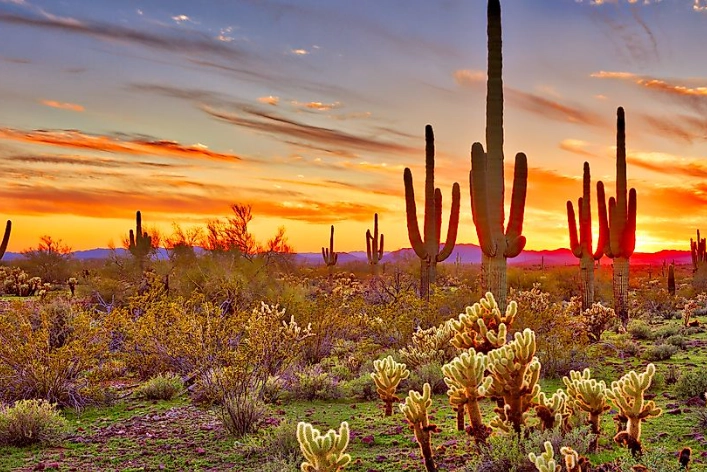
But then you have the Joshua Tree woodlands of the Mojave. Those trees look like something from a Dr. Seuss book. The park named after them is a rock climber's paradise and a stargazer's dream. Further south, the Salton Sea and the weird, wonderful artist installations around it show a different, decaying side of the desert dream.
And let's not forget Palm Springs. It's a mid-century modern oasis where you can enjoy the desert landscape with a pool and a cocktail in hand. A different kind of survival, I suppose.
Nevada: Beyond the Las Vegas Strip
Nevada is the empty one. Las Vegas is a glittering shock in the middle of the Mojave, but drive an hour in any direction and the silence is profound. This is the state for feeling small.
Great Basin National Park, way out east, is the hidden gem. It's got ancient bristlecone pine trees and Lehman Caves. Almost nobody goes there, which is its main attraction. Then there's Red Rock Canyon right outside Vegas for a quick hit of stunning scenery, and the truly remote Black Rock Desert up north (where Burning Man happens).
The distances here will fool you. On the map, two towns look close. On the ground, it's a two-hour drive on a straight, lonely road with no gas stations. Your gas gauge is your best friend in the Nevada desert.
Utah: The Painted Desert Playground
Utah's desert is high, colorful, and carved into impossible shapes. This is the kingdom of the "Mighty 5" national parks: Arches, Bryce Canyon, Canyonlands, Capitol Reef, and Zion. Each is a masterpiece. Arches has, well, arches. Bryce has those crazy hoodoos. Zion has towering cliffs.
It's not just the parks. The whole Colorado Plateau is scattered with state parks, national monuments, and BLM land that's just as stunning. Goblin Valley, Dead Horse Point, the slot canyons near Kanab—the list is endless.
A Word of Caution: Utah's desert beauty comes with crowds. Zion's main canyon can feel like a theme park in spring and fall. My advice? Go to the less famous spots. Capitol Reef is often quieter and just as beautiful. And always, always check for flash flood risks before entering any canyon.
The towns here—Moab, Springdale, Torrey—are totally geared for outdoor folk. You'll find more gear shops than grocery stores sometimes.
Practical Stuff: When to Go, What to Pack, How to Not Get in Trouble
Alright, let's get down to brass tacks. Planning a trip to these desert states in the USA isn't like planning a beach vacation. The environment demands respect.
The Single Most Important Rule: Water
You need more than you think. A lot more. The dry air sucks moisture right out of you. I aim for one gallon (about 4 liters) per person, per day, just for drinking if I'm doing anything active. And that's a minimum. Keep extra in your car. If your car breaks down, that water becomes your lifeline.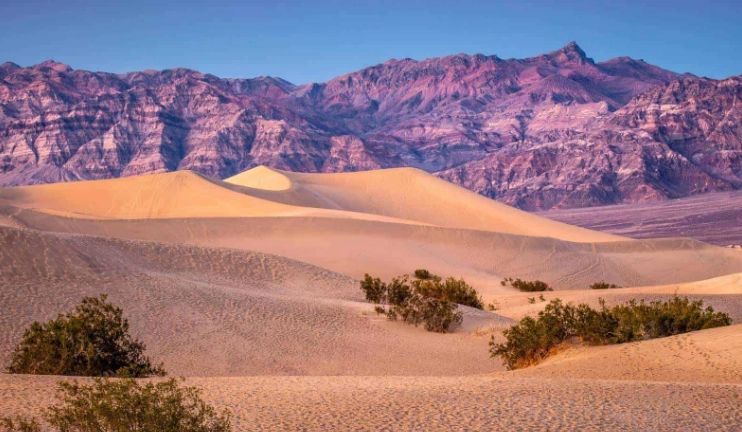
When to Visit the Desert States in the USA
This is the big one. Get it wrong, and you'll be miserable.
- Prime Time (Shoulder Seasons): March to May and September to November. These are the golden windows. Days are warm, nights are cool, and the crowds are manageable (except for major holidays). Wildflowers in spring are a bonus.
- Summer (June-August): Only for the brave, the prepared, or those sticking to higher elevations (like the North Rim of the Grand Canyon or Bryce Canyon). Valley locations (Phoenix, Las Vegas, Death Valley) are dangerously hot. If you must go, activities are limited to very early mornings and after sunset.
- Winter (December-February): Can be fantastic in the low deserts (Phoenix, Tucson, Palm Springs). Sunny and 70°F (21°C) is common. However, higher desert areas (Grand Canyon's South Rim, Utah's parks) will be cold, with snow and ice possible. Some roads and services close.
See? It's all about elevation and location.
Packing List: The Non-Negotiables
Forget the fancy clothes. This is about function.
- Sun Protection: A wide-brimmed hat, sunglasses with UV protection, and mineral-based sunscreen (reapplied constantly). The sun is relentless.
- Layered Clothing: A 40-degree (Fahrenheit) swing between day and night is normal. A moisture-wicking base layer, a fleece, and a windproof shell will cover most situations.
- Sturdy Footwear: Hiking boots or trail shoes with good grip. The terrain is rocky, sandy, and uneven. Flip-flops are for the pool only.
- Navigation & Communication: A paper map and compass, or a GPS device with offline maps. Cell service is a rare luxury in the true desert. Tell someone your plans.
- Emergency Kit: First-aid supplies, a multi-tool, a headlamp, extra batteries, and non-perishable food like energy bars.
Common Questions About the Desert States (FAQs)
Putting It All Together: Trip Ideas and Themes
Maybe you're convinced, but not sure how to start. Here are a few ways to slice it.
The Classic Southwest Road Trip
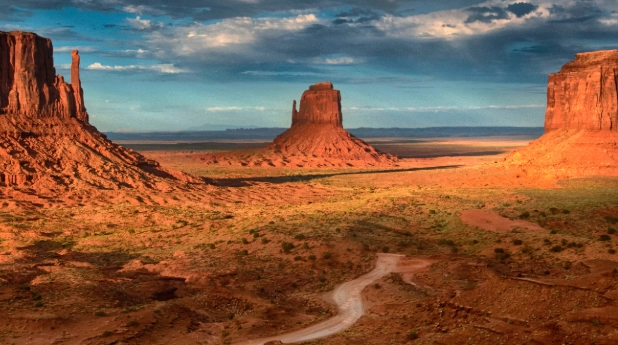
Loop from Las Vegas (Nevada). Hit Zion and Bryce Canyon in Utah, swing through Monument Valley (on the Navajo Nation), see the Grand Canyon in Arizona, and maybe dip into Death Valley in California on the way back. It's a lot of driving, but you hit the highlights of multiple desert states in the USA.
The National Park Deep Dive
Pick one state and go deep. Utah's "Mighty 5" is a perfect two-week itinerary. Or focus on Arizona: Saguaro, Organ Pipe Cactus National Monument, Petrified Forest, and the Grand Canyon.
The Off-the-Grid Adventure
Base yourself somewhere like Bishop, California, or St. George, Utah. Use them to explore the massive amounts of public land managed by the BLM. You'll find hidden slot canyons, hot springs, and ghost towns without the national park crowds. This requires more research and self-sufficiency.
The point is, you have options.
Final Thoughts From Someone Who's Been Burned (Literally)
Visiting the desert states in the USA changed how I see nature. It's not always green and welcoming. It's ancient, stark, and demands your attention. It can be unforgiving if you're arrogant, but incredibly generous if you're respectful.
My biggest takeaway? Slow down. The desert doesn't reveal its secrets to people in a hurry. Sit on a rock at sunset and watch the colors change. Listen to the wind. Feel the scale of it. That's the real experience—not just checking parks off a list.
Do your homework, pack your water, and respect the land. These places have been here for millennia. We're just passing through. Make it a good visit.
Comments