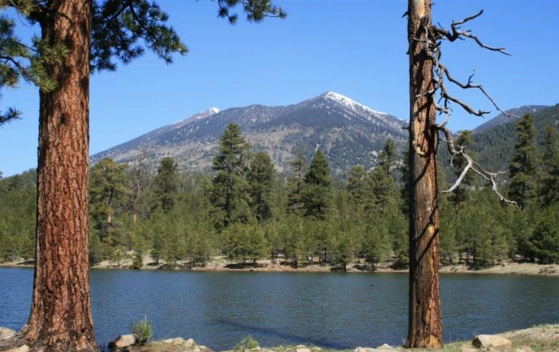
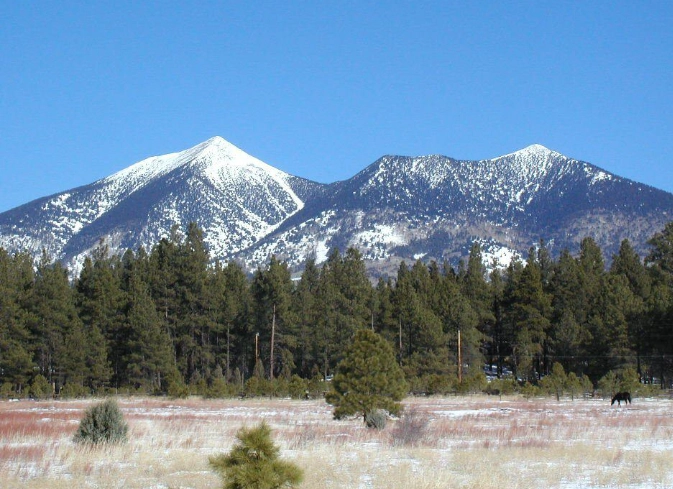
Let's get straight to it. The San Francisco Peaks aren't your typical Arizona postcard scene. Forget saguaros and desert sunsets. North of Flagstaff, this massive volcanic mountain range punches a hole in the sky, crowned by Humphreys Peak – the highest point in Arizona at 12,633 feet. For hikers, it's a bucket-list summit. For the surrounding Navajo, Hopi, and other Indigenous nations, it's a sacred being, the home of deities. Most visitors come for the hike, but understanding that deeper significance transforms the experience from a workout into something memorable.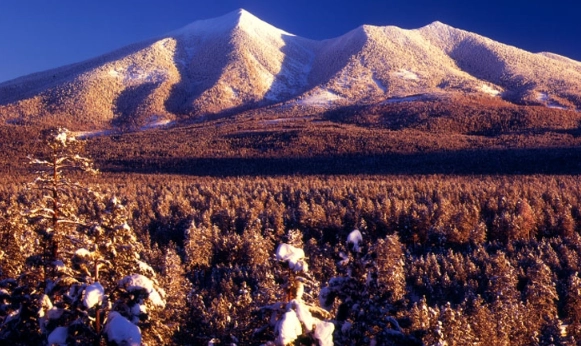
I've summited Humphreys a few times, and each trip teaches you something new about preparation, respect for the mountains, and your own limits. The first time, I made the classic rookie mistake of starting too late and got caught in a hail storm just below the summit. Not fun. This guide is here to make sure your visit is safer, smoother, and far more rewarding than my first attempt.
Your Quick Guide to the Peaks
What Exactly Are the San Francisco Peaks?
Geologically, they're the remnants of a massive stratovolcano that collapsed millions of years ago. What's left are several major peaks forming a rough ring. Humphreys is the tallest, followed by Agassiz, Fremont, and others. Ecologically, it's a wild ride: you start in Ponderosa pine forests, climb through aspen groves and fir, and finish in a stark, windswept alpine tundra above the tree line. The air gets thin up there. Really thin.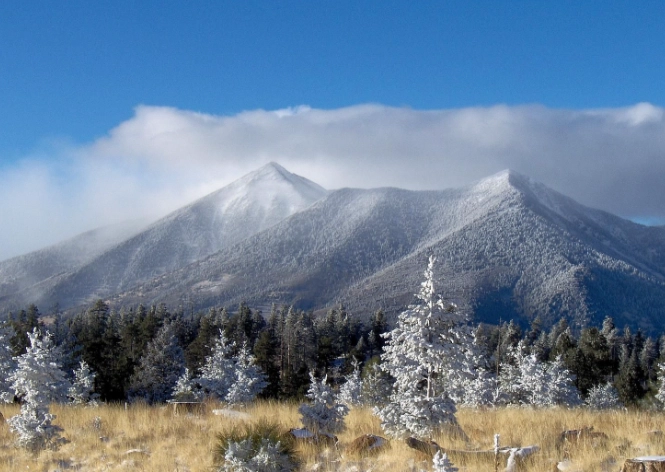
The cultural weight is immense. To the Navajo, the peaks are Dook'o'oosłííd, the western boundary of their sacred world and the home of Yé'iitsoh. For the Hopi, they are Nuvatukya'ovi, a central spiritual place. This isn't just trivia; it's a crucial part of visiting respectfully. You'll see prayer offerings. Don't disturb them. The summit is not a place for loud celebration. It's a place for quiet appreciation.
Hiking Humphreys Peak: The Main Event
This is why most people come. The standard route is the Humphreys Peak Trail #151, which starts from the Arizona Snowbowl ski resort parking lot.
| Trail Stat | Detail |
|---|---|
| Distance (Round Trip) | 10.6 miles |
| Elevation Gain | ~3,300 feet |
| Highest Point | 12,633 feet |
| Difficulty | Strenuous |
| Estimated Time | 6-9 hours for most hikers |
| Trailhead Address | Humphreys Peak Trailhead, Snowbowl Rd, Flagstaff, AZ. Use "Arizona Snowbowl" for GPS. |
| Parking Fee | Yes, a USFS recreation fee is required at the lower Snowbowl lot (approx. $10-$15/vehicle). Check Coconino National Forest for current rates. |
| Permit Needed? | No specific hiking permit, just the parking fee. |
The Hike, Broken Down Section by Section
Mile 0-2: The Forest Warm-up. You're under a dense canopy of pines and firs. The trail is rocky but well-graded. This part feels deceptively easy. Don't burn out here. Pace yourself.
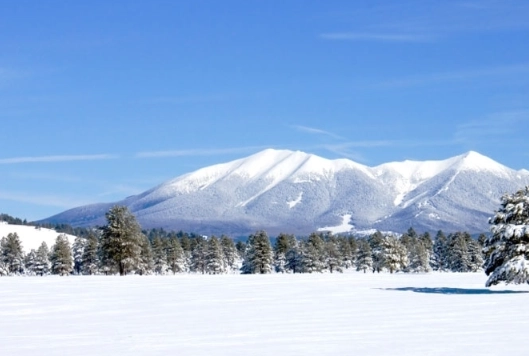
Mile 2-4: The Steep Climb & The Saddle. The trees thin, the rocks get bigger, and the switchbacks feel endless. You'll break out above treeline around 11,800 feet at the saddle between Humphreys and Agassiz. This is where the view explodes and the wind usually tries to knock you over. It's also where many people start feeling the altitude.
Mile 4-5.3: The Summit Ridge. This is the real test. You're on an exposed, rocky ridge. The trail is a scramble over volcanic boulders. The air is thin. Take it slow, one step at a time. The final push to the summit marker is a mental game as much as a physical one.
What You Absolutely Must Bring
This isn't a casual stroll. Underpreparation is dangerous.
- Layers, Layers, Layers. A base layer, insulating mid-layer (fleece/puffy), and a waterproof/windproof shell. Temperatures can swing 40+ degrees from base to summit.
- Sturdy Hiking Boots. Trail runners won't cut it on those ankle-twisting rocks for most people.
- More Water Than You Think. 3-4 liters minimum. There is no water on the trail.
- High-Energy Food. Snack constantly to keep energy up.
- Map/GPS & Headlamp. Even if you plan a day hike, a headlamp is non-negotiable in case you're delayed.
- Trekking Poles. A lifesaver for knees on the descent and stability in the wind.
Beyond the Summit: Other Ways to Experience the Peaks
Not up for the full marathon? No problem. The area offers stunning access without the grueling climb.
The Arizona Snowbowl Scenic Chairlift: From late May to early October, the ski lift operates for sightseers. It whisks you up to 11,500 feet in 15 minutes. From the top, you get phenomenal views and can hike along the ridge (without the massive elevation gain). It's perfect for families, those short on time, or anyone acclimating to the altitude. Check the Snowbowl website for hours and prices.
Hiking the Inner Basin (Lockett Meadow): This is my personal favorite for fall colors. The trailhead starts in a stunning meadow and climbs into the heart of the ancient volcano. The aspen groves here in September and October are unreal. It's a moderate hike with incredible payoff. Note: The road to Lockett Meadow is rough dirt and often requires a high-clearance vehicle. It also gets packed, so go on a weekday if possible.
Fat Biking or Snowshoeing in Winter: When the snow falls, the Snowbowl area transforms. You can rent snowshoes or a fat bike and explore the snowy trails. It's a completely different, peaceful side of the mountains.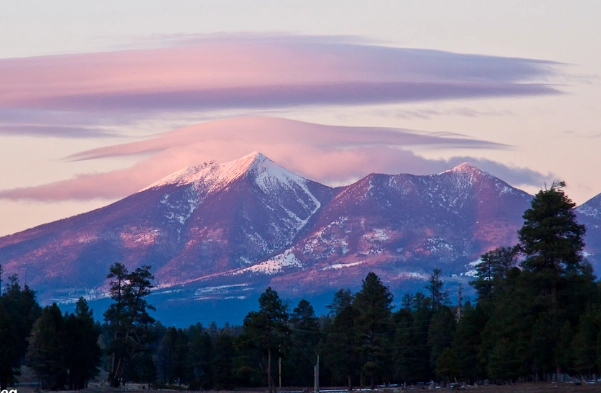
Planning Your Visit: The Nitty-Gritty Details
Best Time to Go
Prime Hiking Season: Late June to early October. July and August bring monsoon storms—be off the peak by early afternoon. September is often ideal. Winter (Nov-May): The upper mountain is for mountaineers with ice axes, crampons, and avalanche knowledge. Don't attempt the standard trail.
Where to Stay
Flagstaff is your basecamp, 30 minutes from the trailhead. You have every option, from budget motels to nice hotels. I recommend staying in Flagstaff for at least one night before your hike to start acclimating to the 7,000 ft elevation. Sedona is beautiful, but it's a 90-minute drive at lower elevation—not ideal for an early summit attempt.
Getting There & Around
Fly into Flagstaff Pulliam Airport (FLG) or Phoenix Sky Harbor (PHX). From Phoenix, it's a 2.5-hour drive north on I-17. You will need a car. Ride-sharing services are unreliable for getting to the trailhead and back.
Altitude Sickness: The Real Deal
This is the most common pitfall. Symptoms include headache, nausea, dizziness, and shortness of breath. The only real cure is to descend. To prevent it: 1) Spend a day or two in Flagstaff first. 2) Hydrate aggressively starting 24 hours before. 3) Hike slowly—"pole pole" as they say on Kilimanjaro. 4) Consider talking to your doctor about prescription Acetazolamide if you're prone to it.
Your Questions Answered
Standing on top of Humphreys Peak, looking out over the Painted Desert and the rim of the Grand Canyon in the distance, makes the struggle worth it. But the real success isn't just tagging the summit. It's coming prepared, respecting the mountain's power and sacredness, and returning safely with a story. The San Francisco Peaks don't give you anything for free. You have to earn the view. And that's exactly what makes it an Arizona adventure you'll never forget.
Comments