Let's cut to the chase. You're thinking about a Lake Havasu fishing trip, right? Maybe you've seen pictures of guys holding up monster bass with that famous London Bridge in the background. It looks good. Really good. But you're also wondering... is it all just for show? Is the fishing in Lake Havasu City actually as great as they say, or is it just a nice backdrop for Instagram?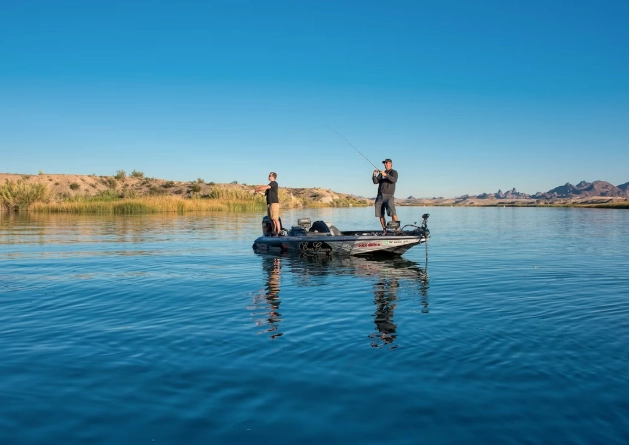
I wondered the same thing before my first trip. I'm here to tell you, it's not hype. The Lake Havasu fishing scene is the real deal, but like any good fishing spot, it has its own personality, its own rules, and its own secrets. This isn't a generic listicle copied from a brochure. This is what I wish someone had told me before I packed my rods and made the drive. We're going to talk about where the fish actually hang out (not just the pretty spots), what they're biting on when the sun is trying to melt your hat, and how to navigate this massive lake without wasting a whole day motoring around.
Forget the fluff. Let's talk fish.
Why Lake Havasu City is a Fishing Magnet (And It's Not Just the Weather)
Okay, the weather is a huge part of it. You can fish here year-round, which is a luxury a lot of anglers don't have. But that's just the start. Lake Havasu is a 45-mile-long reservoir on the Colorado River. What does that mean for fishing? It means structure. Lots of it. We're talking flooded timber, rocky points, submerged creek channels, miles of shoreline coves, and of course, the bridge and its pilings. Fish love edges and things to hide around, and this lake is basically a giant underwater playground for them.
The water is clear. Sometimes really clear. This changes the game. You can't just chuck a muddy-colored worm out there and expect a largemouth to go nuts. You have to think about presentation. On the flip side, sight-fishing for bass on their beds in the spring is a legitimate tactic here, which is just plain cool.
Then there's the variety. Sure, the largemouth bass get all the glory (and for good reason), but this is one of the few places where you can realistically target trophy largemouth, smallmouth bass, and striped bass all in the same day. That doesn't happen everywhere. Throw in some hefty channel catfish and the occasional surprise, and you've got a fishery that keeps you on your toes.
The Main Players: Who's Biting in Lake Havasu?
You need to know who lives here before you can catch them. Let's meet the locals.
Largemouth Bass: The Lake's Celebrity
This is what most people come for. The Lake Havasu largemouth population is healthy, with a real shot at a fish over 5 pounds, and giants over 8 aren't just fairy tales. They're fat, they're strong, and they love the clear water. They relate heavily to cover—think docks, brush piles, tule reeds, and rocky points. In the spring, the shallows light up with spawning activity. Summer and winter push them deeper, often relating to main lake points and drop-offs. Finesse techniques often outperform power fishing here because of the water clarity.
Striped Bass (Stripers): The Pelagic Powerhouse
These are the nomads. Stripers in Lake Havasu often roam in schools, chasing shad in open water. They can be anywhere from 15 feet deep to 60 feet deep. Finding them is the real challenge. Once you do, you can have some of the most explosive action the lake offers. Trolling with deep-diving crankbaits or umbrella rigs is a classic method. But when they're surface-feeding, throwing topwater lures or spoons into breaking fish is absolutely heart-stopping. A 10-20 pound striper is a common catch, and they fight like a freight train.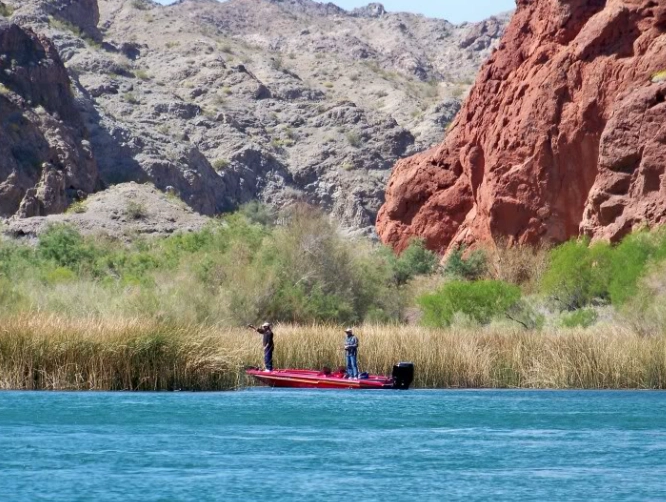
Smallmouth Bass: The Bronze Scrapper
Often overlooked but a pure joy to catch. Lake Havasu's smallmouth tend to hang out on deeper, rockier structure than their largemouth cousins. Think main lake points, rocky humps, and gravel flats in 15-30 feet of water. They hit hard and jump like crazy. A dropshot rig with a finesse worm or a small tube jig dragged over rocks is usually the ticket.
Channel Catfish & Others
Don't sleep on the catfish, especially if you're fishing with kids or want a relaxing evening. The coves near Lake Havasu City can produce some great catfishing after dark with chicken liver or stink bait. You might also hook into a redear sunfish (shellcracker) or a bluegill, which are a blast on light tackle.
| Species | Prime Habitat | Best Seasonal Pattern | Go-To Lure/Bait |
|---|---|---|---|
| Largemouth Bass | Docks, brush, tules, rocky points | Spring (Spawn), Fall (Feed-up) | Drop-shot Roboworm, Jig, Senko |
| Striped Bass | Open water, near dams, river channel | Spring & Fall (Surface feeds), Summer (Deep) | Umbrella Rig, Topwater, Live Shad |
| Smallmouth Bass | Deep rocky points, gravel flats | Spring & Late Fall | Tube Jig, Dropshot, Ned Rig |
| Channel Catfish | Muddy bottoms of coves, near inflows | Summer nights | Chicken Liver, Stink Bait, Cut Shad |
Top Lake Havasu Fishing Spots: Beyond the Bridge
Everyone knows the London Bridge area. It's iconic, and yes, it holds fish (especially stripers hanging in the current around the pilings). But the lake is huge. If you only fish there, you're missing out. Here’s a breakdown of productive zones.
The North (Upper Lake): More River-Like
Once you get north of the bridge, past the Nautical Inn, the lake narrows and feels more like a river. Current from the Parker Dam release can influence this area. Look for:
- Sand Point: A massive flat that's a magnet for spawning bass in spring and a great area to search for roaming schools of fish other times.
- Cattail Cove & The Meadows: Numerous small coves with flooded brush and reeds. Perfect for flipping and pitching for largemouth, especially when it's windy elsewhere.
- Stewart Point: A classic main lake point that consistently holds smallmouth and largemouth on its rocky structure.
The South (Lower Lake): Wide Open Spaces
South of the bridge, the lake opens up. It's broader, with more open water, ideal for hunting stripers and locating deep bass schools.
- The California Side (Havasu Springs area): Loaded with docks and rocky banks. A fantastic area for a bass fisherman to just pick apart cover.
- Pittsburg Point: Another famous spot. A long, rocky point that drops into deep water. It's a highway for fish moving from deep to shallow. Can be crowded on weekends.
- The Mouth of the Bill Williams River: Where the river meets the lake. This area attracts massive amounts of bait and, consequently, predator fish. It's a top spot for stripers and catfish, especially when there's some inflow.
The spot doesn't make the angler. But knowing a few good ones sure saves gas and frustration.
Season by Season: A Lake Havasu Fishing Roadmap
Your approach needs to change with the calendar. What works in April will leave you skunked in August.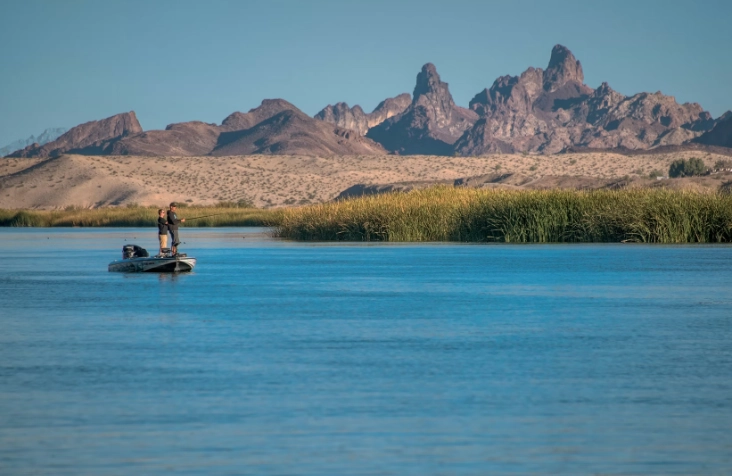
Spring (March - May): The Golden Season
This is arguably the best time for Lake Havasu fishing. Water temps climb into the 60s and 70s. Bass move shallow to spawn, making them predictable and aggressive. Sight-fishing is a real option. Stripers start their own spawn runs and can be caught shallow as well. The weather is perfect. The lake isn't yet packed with recreational traffic. It's heaven. Focus on north-facing banks that warm first, shallow coves, and protected bays.
Summer (June - August): The Deep & Early Game
It's hot. Like, "why did I leave the air conditioning" hot. The fish feel it too. Bass and stripers go deep or become low-light feeders. Your window is dawn until about 9 AM, and then again from dusk into the night. Night fishing for bass with dark-colored worms or jigs can be phenomenal. For stripers, you're looking at deep trolling or targeting them on sonar over the old river channel. Mid-day is for napping, not fishing.
Fall (September - November): The Second Spring
As the water cools, the fish go on a feed binge. They're fattening up for winter. Bass move back shallow, often chasing shad on points. Striper surface feeds become more common and can be absolutely epic. This is a fantastic time for topwater action across the lake. The summer crowds are gone, and the weather is getting comfortable again.
Winter (December - February): The Finesse Season
It's mild compared to most of the country, but the fish are sluggish. Slow way down. Dragging a dropshot or a football jig in 25-40 feet of water on sunny points is the key for bass. Stripers school up tightly in deep water, and vertical jigging with spoons or live shad can be incredibly effective if you can find the schools. You'll have the lake mostly to yourself.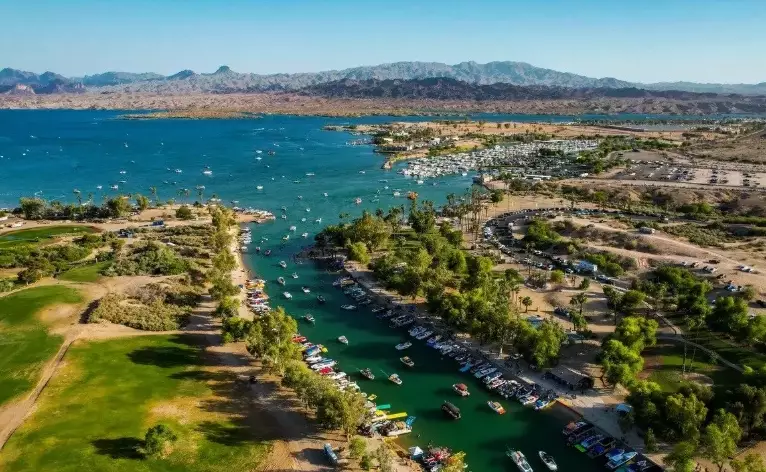
Gear Up: What You Actually Need in Your Tackle Box
You don't need a professional's arsenal, but you need the right tools. Here’s a no-BS breakdown.
| Target Species | Rod/Reel Setup | Essential Lures/Terminal Tackle | Line Recommendation |
|---|---|---|---|
| All-Around Bass | 7' Medium-Heavy Fast Action Spinning or Baitcast | Green Pumpkin Senkos, 3/8 oz Football Jigs (brown/green), Drop-shot weights & hooks, Roboworms (Morning Dawn, Oxblood) | 10-12 lb Fluorocarbon or 30 lb Braid to 12 lb Fluoro Leader |
| Deep/Offshore Bass & Smallmouth | 7'3" Medium Fast Spinning Rod | Ned Rig Heads & Z-Man TRDs, Small Tube Jigs, Deep-Diving Crankbaits (shad colors) | 8-10 lb Fluorocarbon |
| Striped Bass | 7'6" Heavy Fast Action Baitcast (trolling), 7' Medium-Heavy (jigging) | Umbrella Rig (A-Rig), 1-2 oz Bucktail Jigs, Topwater Poppers, Live Shad Hook (Size 1/0-2/0) | 20-30 lb Braid for trolling, 15-20 lb Fluoro for jigging |
| Catfish / Casual | 7' Medium-Heavy Spinning Rod | Circle Hooks (2/0-5/0), Sinkers, Bait Threader | 15-20 lb Monofilament |
My personal must-have? A good pair of polarized sunglasses. The glare on that clear water is brutal, and seeing fish or structure is half the battle.
Rules of the Lake: Licenses, Regulations, and Etiquette
This is the boring but critical stuff. Get it wrong, and your trip is over.
Fishing License: You need one. Period. If you're fishing from shore or a boat in California waters (the west side of the lake), you need a California license. For Arizona waters (the east side, including most of the lake around the city), you need an Arizona license. The general rule: if you're putting your boat in at a marina in Arizona and staying on the lake, an Arizona license covers you. But if you plan to fish right along the California shoreline, check the regulations carefully. The easiest solution for visitors is often a short-term Arizona license. You can buy them online from the Arizona Game and Fish Department or at any Walmart, tackle shop, or marina in Lake Havasu City.
Key Regulations: Always check the current year's regulations, but some constants include:
- Bass: Largemouth and Smallmouth have a daily bag limit of 6 in combination, with a minimum size limit of 13 inches for largemouth. There's no minimum for smallmouth, but please practice catch and release for the future of the fishery.
- Striped Bass: The limit is 10, with only 2 over 20 inches. No minimum size.
- There are specific rules about live bait. Using live shad is allowed, but you must catch them from the lake itself—no importing. Check the California Department of Fish and Wildlife site for their specific rules if fishing that side.
Boating & Safety: Life jackets are required for everyone on board. The lake patrol is active. The wind can kick up unexpectedly in the afternoon, creating dangerous waves, especially on the open lower lake. Check the forecast and know your boat's limits.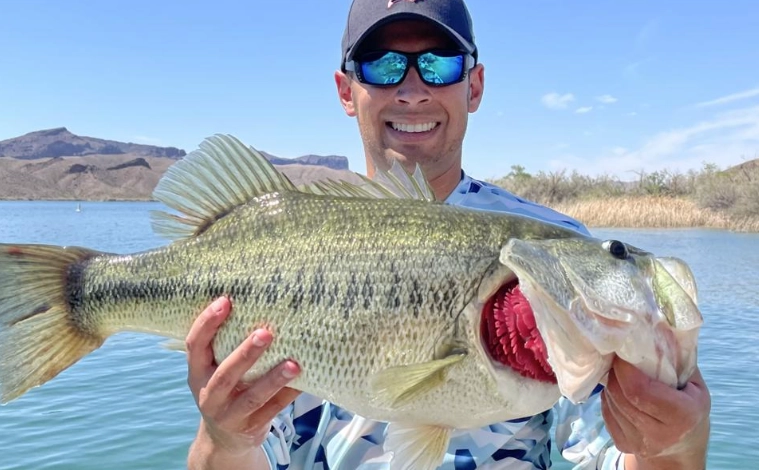
Shore Fishing in Lake Havasu City: No Boat? No Problem.
You don't need a $50,000 bass boat to enjoy Lake Havasu fishing. Some of my favorite days have been spent fishing from the bank. The key is access, and Lake Havasu City has plenty.
- Lake Havasu State Park (English Village area): Miles of accessible shoreline, picnic areas, and jetties. Great for families. You can catch bass, bluegill, and the occasional catfish here.
- Rotary Park & the Channel: The waterway that goes under the London Bridge. It's calm, protected, and lined with walkable paths. Fish the edges for bass and panfish. It's lit at night, which can attract bait and predators.
- Mesquite Bay & Site Six: Areas with public parks and shoreline access north of the bridge. Less crowded than the main city areas.
For shore anglers, simple is better. A lightweight spinning rod with a small crankbait, a wacky-rigged Senko, or a piece of worm under a bobber can all produce. Talk to the locals at the tackle shops—they'll point you to the current hot spots for bank fishing.
FAQs: Your Lake Havasu Fishing Questions, Answered
Do I need a guide for Lake Havasu fishing?
For a first-timer with limited time, hiring a guide is the single best investment you can make. A good guide will put you on fish, teach you the patterns, and show you how to navigate the lake. It accelerates the learning curve from years to a day. If you're experienced and have time to scout, you can definitely figure it out yourself. But if it's a special trip and you want to guarantee action, book a guide. Look for ones with years of experience on this specific lake.
What's the single best month to fish Lake Havasu?
It depends on your goal. For overall consistent action and pleasant weather, late April through May is hard to beat. The bass are shallow, the stripers are active, and the weather is perfect. October is a close second for the fall feed. But honestly, there isn't a truly bad month if you adjust your tactics.
Can I rent a boat?
Absolutely. Several marinas in Lake Havasu City rent everything from pontoon boats (great for a family fishing/cruising day) to basic fishing boats and even ski boats. Reserve ahead, especially for weekends and holidays. Make sure the rental comes with an anchor—crucial for holding position while you fish.
Where's the best place to get current fishing info?
Stop by a local tackle shop as soon as you get into town. Shops like Jersey's Tackle or Angler's Pro Shop have their ears to the ground every day. They'll tell you what's biting, where, and on what. It's more reliable than week-old internet reports. Also, check the Arizona Game and Fish Department's weekly fishing reports for the Colorado River District.
Wrapping It Up: Making Your Trip a Success
Lake Havasu fishing isn't a mystery, but it does demand some respect. It's a big, clear, busy lake with a mind of its own. Come prepared for the elements (sun protection is non-negotiable). Have a plan based on the season. Start your days early. And most importantly, keep an open mind. You might go out targeting largemouth and end up having the day of your life chasing schooling stripers. That's the magic of the place.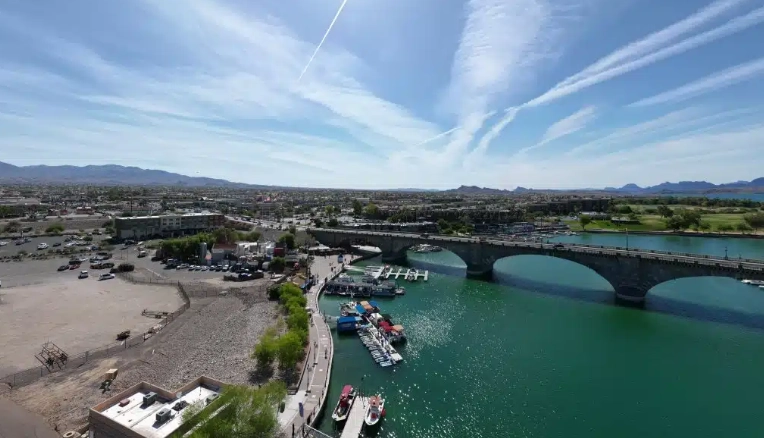
The combination of incredible scenery, diverse fishery, and that laid-back Arizona atmosphere is tough to beat. Whether you're a serious tournament angler or a parent trying to get your kid their first bass, Lake Havasu City delivers. Just do your homework, pack your patience with your tackle, and get ready to make some memories on the water.
See you on the lake.
Comments