Rising abruptly from the high desert of Northern Arizona, the San Francisco Peaks aren't just a scenic backdrop for Flagstaff—they're a volcanic playground, a cultural touchstone, and a hiking destination that humbles even seasoned adventurers. I've spent over a decade exploring these trails in every season, and I still find new corners that take my breath away. This isn't just a collection of peaks; it's the remains of a massive stratovolcano, with Humphreys Peak standing as Arizona's highest point at 12,633 feet. Whether you're aiming for that summit or just want to soak in the alpine views, here’s the real, unfiltered guide you need.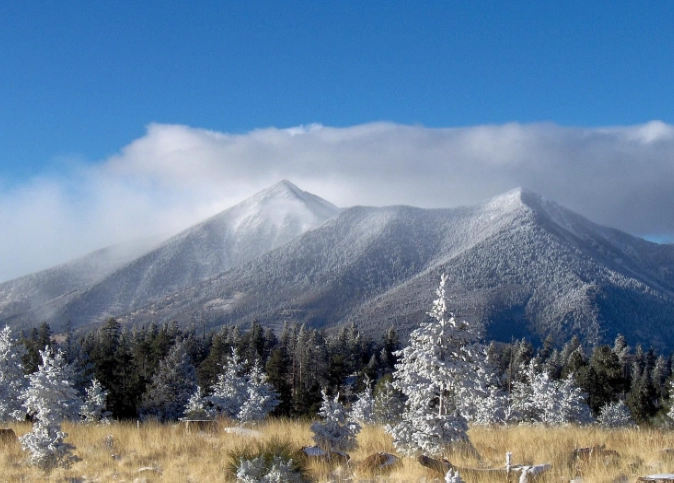
Your Quick Peaks Guide
More Than Just Mountains: Understanding the Peaks
First, let's clear up the geography. The "San Francisco Peaks" refers to the entire mountain range, the remnants of the San Francisco Mountain stratovolcano. The main summits you'll hear about are Humphreys (the tallest), Agassiz, Fremont, and Doyle. They sit within the Coconino National Forest, managed by the U.S. Forest Service.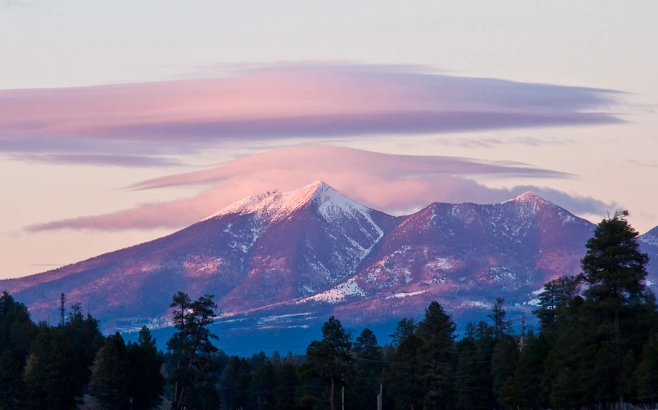
But there's a deeper layer here that most guidebooks gloss over. For the Navajo, Hopi, and other Indigenous peoples, these peaks are sacred. The Navajo name is Dook'o'oosłííd, one of the four sacred mountains marking the western boundary of their homeland. I've spoken with local guides who emphasize that for many, summiting the highest point is not just physically challenging—it's culturally insensitive. This perspective is crucial. While hiking is permitted and welcomed on designated trails, it calls for a level of respect that goes beyond standard trail etiquette. Tread lightly, be mindful, and understand you're in a place of profound significance.
Choosing Your Hike: A Trail Comparison
Not all San Francisco Peaks hikes are created equal. Picking the right one makes the difference between a glorious day and a miserable slog. Here’s a breakdown of the main contenders.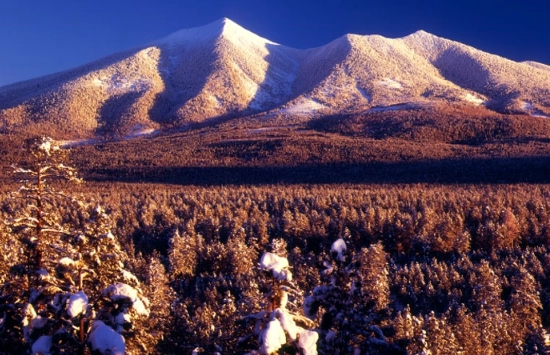
| Trail Name | Distance (Round Trip) | Difficulty | Elevation Gain | Key Feature / Best For | Best Time |
|---|---|---|---|---|---|
| Humphreys Peak Trail (#151) | ~10.5 miles | Strenuous | ~3,300 ft | Summiting Arizona's high point. Relentless, rocky, exposed. | Late Jun - Early Oct |
| Kachina Trail (#150) | ~10 miles (point-to-point, shuttle needed) | Moderate | Variable (mostly rolling) | Stunning alpine meadows, aspen groves, epic views of the inner basin. My personal favorite for scenery. | Jul - Oct (Fall colors are insane) |
| Weatherford Trail (#102) | ~15 miles to Doyle Saddle | Strenuous | ~3,800 ft | A longer, more gradual approach to the high country. Less crowded, historic trail. | Jul - Sep |
| Aspen Nature Loop & Humphreys Trail Start | 1 - 3 miles (loop & out-and-back) | Easy | Minimal | Paved, accessible path with panoramic views. Perfect for families, photography, quick leg-stretcher. | All seasons (snowy in winter) |
My take? If you're not dead-set on the summit, skip the brutal Humphreys Peak trail on your first visit. The Kachina Trail offers 90% of the visual payoff with 50% of the agony. I've seen too many people turn back on Humphreys, defeated by altitude and terrain, missing the forest for the (literal) peak.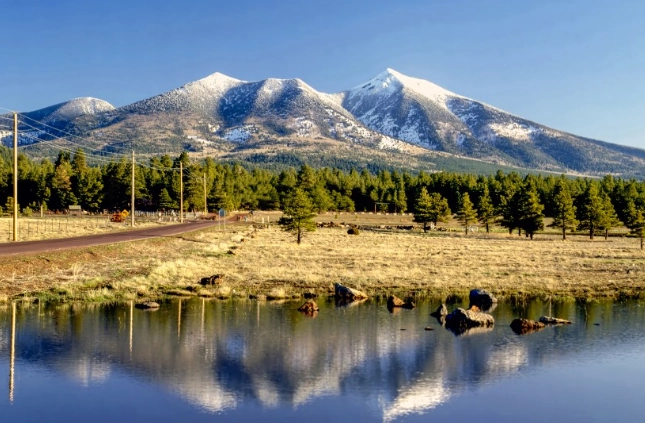
Pro Tip: The "Alpine Start" is Non-Negotiable
Especially in July and August, thunderstorms build over the peaks like clockwork in the afternoon. You want to be off the summit and below tree line by noon. This means starting your hike at 5 or 6 AM. It's cold, you're sleepy, but it's the single best safety practice. I learned this the hard way years ago, getting caught in a hailstorm near the top—not an experience I recommend.
Planning Your Visit: Tickets, Address & Logistics
This is the practical stuff most blogs bury. Let's surface it.
Address & Parking
The primary trailhead for Humphreys Peak and the Aspen Loop is at the Arizona Snowbowl ski area. The physical address is: 9300 N Snow Bowl Rd, Flagstaff, AZ 86001. Don't just plug "San Francisco Peaks" into your GPS—it'll take you nowhere useful.
For the Kachina Trail, you need to coordinate a shuttle or two cars. The upper trailhead is at Snowbowl (near the ski lodge), and the lower trailhead is on FR 522 (Schultz Pass Road). The Weatherford Trail starts from near the base of the mountains on the east side.
Do You Need a Ticket?
Here's the nuance. You do not need a permit for day hiking. However, if you park at the Arizona Snowbowl lot (which you will for Humphreys, Kachina upper, and the Aspen Loop), you must pay a daily parking fee. As of my last visit, it was $12 per vehicle. They have self-pay kiosks. This fee helps maintain the facilities and trails. Alternatively, you can purchase a Summer Scenic Gondola ticket if you just want the views from 11,500 ft without the hike up. Check the Arizona Snowbowl website for current rates and hours.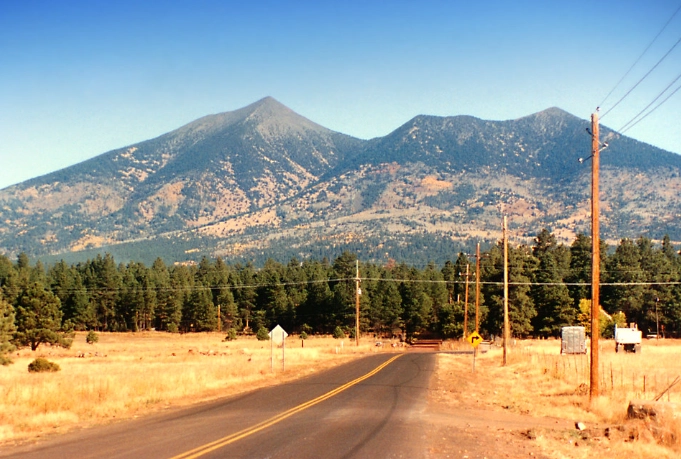
Getting There
From downtown Flagstaff, take US-180 north for about 7 miles. Turn left onto Snow Bowl Rd and drive 7 more winding miles up to the ski area. Allow 25-30 minutes from town. From Phoenix, it's about a 2.5 to 3-hour drive north on I-17.
When to Go: Seasonal Considerations
These mountains have four distinct personalities.
Summer (Late June - August): The hiking window is wide open, but so is the monsoon season. Mornings are glorious—crisp air, wildflowers. Afternoons can bring lightning, hail, and rapid temperature drops. Alpine start, remember?
Fall (September - October): This is the secret sweet spot. Crowds thin, monsoon rains cease, and the aspen groves on the Kachina and Weatherford trails explode in gold. Days are cooler, perfect for hiking. Nights get cold.
Winter (November - May): The Peaks become a snow-covered fortress. Humphreys Peak trail is a mountaineering route requiring crampons, ice axe, and avalanche awareness. The Snowbowl operates for skiing. The Aspen Loop is often snow-packed but can be hiked with microspikes for beautiful winter views.
Spring (May - June): The messy shoulder season. Lower trails dry out first, but higher elevations hold deep, melting snow, creating muddy, slushy, and sometimes dangerous conditions. Many trails aren't fully clear until late June.
Gear & Preparation: Don't Underestimate This
This isn't a city park stroll. The altitude and weather are serious.
- Footwear: Sturdy, broken-in hiking boots with good ankle support. The trails are rocky and uneven.
- Layers: A moisture-wicking base layer, insulating mid-layer (fleece/puffy), and a waterproof/windproof shell. The summit can be 30+ degrees colder than the trailhead with fierce winds.
- Sun Protection: High-altitude sun is brutal. Hat, sunglasses, and SPF 50+ sunscreen are mandatory.
- Navigation: A physical map or offline maps (like Gaia GPS). Cell service is spotty to non-existent.
- Hydration & Food: Carry at least 3 liters of water per person for a full-day hike. More than you think. High-calorie snacks (nuts, bars, jerky).
The #1 rule? Acclimatize. Spend a full day or two in Flagstaff (elevation 7,000 ft) before attempting Humphreys. Hydrate like it's your job. If you feel a headache, dizziness, or nausea coming on, the only cure is to go down. Pushing through altitude sickness is dangerous and stupid.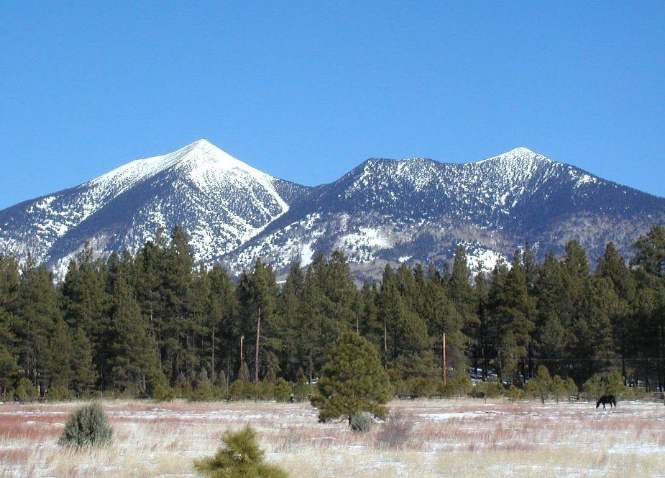
Common Mistakes First-Timers Make
After guiding friends and watching countless others, here’s what goes wrong.
1. Underestimating the Altitude. You might be fit at sea level, but 12,000 feet is a different beast. Your pace will be half of what you expect. Plan for it.
2. Ignoring the Weather Forecast. Check the National Weather Service forecast for Humphreys Peak, not just Flagstaff. It's a specialized, high-elevation forecast.
3. Starting Too Late. I've said it twice because it's that important. 10 AM is a late start for Humphreys in summer.
4. Wearing Cotton. Cotton kills (comfort, at least). It gets wet and stays wet, leading to hypothermia risk if the weather turns.
5. Not Respecting Cultural Significance. Be loud about "leave no trace," but quiet in your demeanor. It's a place of reverence.
Comments