Let's cut through the hype. When you hear "Black Rock Desert Nevada," you probably think of one thing: Burning Man. That wild, dusty, art-filled week in late summer. But here's the thing most articles don't tell you—the Black Rock Desert is a real, vast, and punishingly beautiful place that exists for 51 other weeks of the year. It's a public land managed by the Bureau of Land Management (BLM), not just a festival grounds. My first time out there, outside of the Burn, I was stunned by the silence. It's a profound emptiness you can feel in your bones.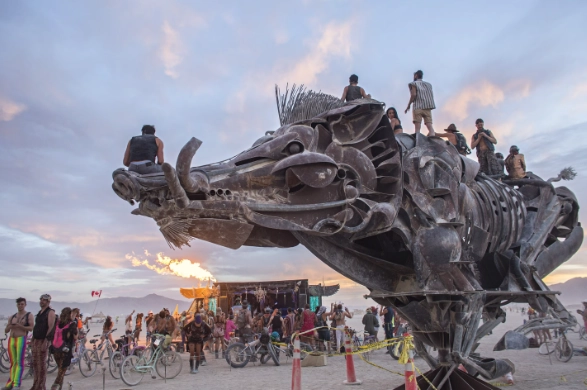
This guide is for the curious traveler, the would-be Burner, and the solitude-seeker. We'll cover the iconic event, sure, but we'll dig deeper into what this ancient lakebed is really like, how to visit safely, and why it demands more respect than your average national park.
Your Black Rock Desert Roadmap
What Exactly is the Black Rock Desert?
Forget "desert" in the classic sand-dune sense. The Black Rock Desert is primarily a playa—a dry lakebed. The heart of it is the Black Rock Playa, a nearly perfectly flat, hard-packed expanse of cracked earth about 100 miles north of Reno. This is where the magic (and the dust) happens.
The Playa: A Vast Canvas
The playa is the stage. It's about 400 square miles of nothingness, ringed by distant mountains. The surface is a mix of clay, silt, and mineral salts. When dry, it's a fantastic natural canvas for land art, rocket cars (yes, really), and temporary cities. When wet, it's an impassable, sticky mud pit that can trap a tank. Checking the weather and playa conditions via the BLM Winnemucca District reports is rule number one.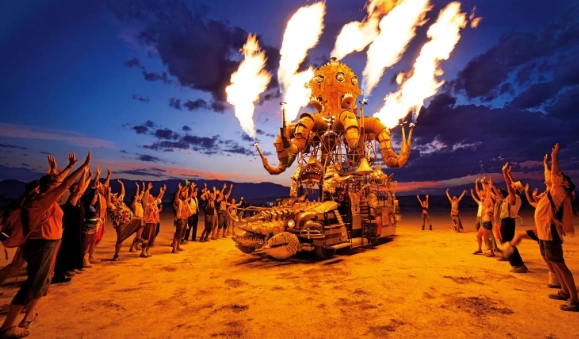
Burning Man: The Ephemeral Metropolis
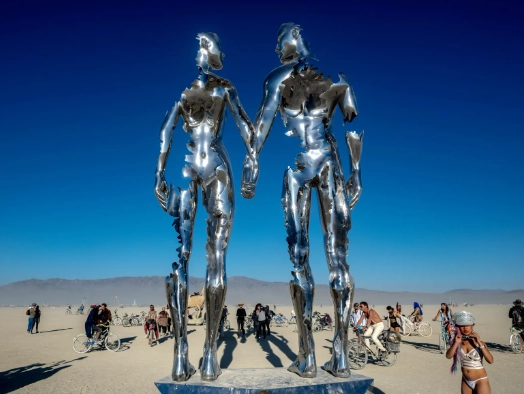
For one week leading up to Labor Day, a city of 80,000 people rises from the dust. Burning Man isn't just held in the Black Rock Desert; it is a radical experiment in community that uses the desert's harshness as a catalyst. It's a ticketed, permitted event with its own strict rules (like "Leave No Trace") and culture. The location is specifically on the Hualapai Flat playa, adjacent to the Black Rock Playa.
If you're going for the event, your planning starts and ends with the official Burning Man website. They control entry, tickets, and survival guides. The desert itself is just the backdrop.
Planning Your Visit: Key Logistics & Tips
Visiting the Black Rock Desert is not like going to a state park. There are no facilities, no water sources, no trash cans, and often no cell signal. Your preparation dictates your experience—and your safety.
Address & Access: The main access is via State Route 447, running north from I-80 near Fernley, NV, through the tiny town of Gerlach, and up to the playa. Gerlach (population ~100) is your last chance for limited supplies, gas, and a famous burger at Bruno's Country Club. The playa itself has no street address. Use GPS coordinates for specific entry points, which we'll get to.
Gate Hours & Entry Points
This is critical and where most first-timers get confused. Access changes dramatically based on the time of year and event status.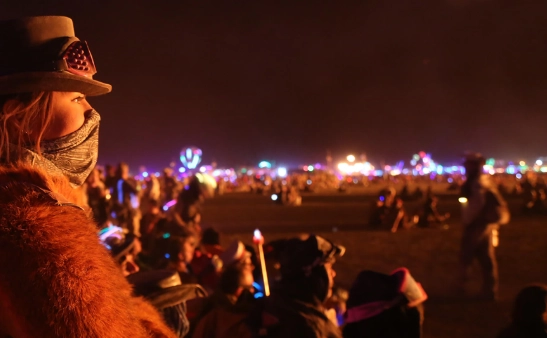
| Time of Year | Primary Access Point | Key Notes & Requirements | Cost |
|---|---|---|---|
| Burning Man Event (Late Aug - Early Sep) |
Main Gate off SR 447 | Ticket and vehicle pass REQUIRED. Gate open 24/7 during event build/tear-down. Expect long waits (6+ hours) on opening weekend. Controlled by Burning Man Org. | Event Ticket + Vehicle Pass ($hundreds) |
| Non-Event Period (Rest of the Year) |
Several dirt playa access roads (e.g., 12 Mile, 20 Mile) | Free Dispersed Camping Permit REQUIRED. Self-register at kiosks or get from BLM Winnemucca office. Gates may be locked if playa is wet. Zero services. | Free (Permit Required) |
What to Pack: The Non-Negotiables
I learned this the hard way. You need more water than you think. A lot more.
- Water: 1.5 gallons per person, per day. For a weekend, that's 3 gallons minimum. Not bottles—jugs or containers.
- Shelter: A sturdy tent that can withstand 50+ mph winds. Guy lines and heavy stakes are mandatory. RVs are common but need serious dust protection.
- Waste Management: You must pack out all waste. This includes human waste. For non-event camping, a portable toilet system is a must. During Burning Man, the event provides facilities.
- Navigation & Comms: Paper maps (the BLM's Black Rock-High Rock map is gold) and a satellite communicator (Garmin inReach, Zoleo). Your phone will be useless.
The Dust: It's not dirt. It's fine, alkaline powder (pH ~10) that gets everywhere—lungs, camera sensors, sleeping bag. Bring N95/P100 masks, seal electronics in zip-locks, and expect to be gritty for days after you leave.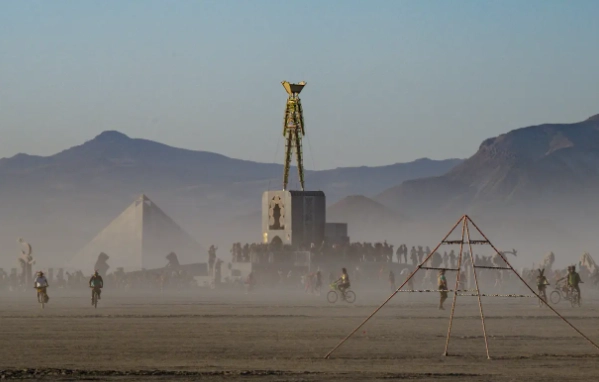
Beyond the Burn: Year-Round Adventures
When the last art car leaves, the desert returns to itself. This is when I prefer it.
Solitude Camping: With a permit, you can camp almost anywhere on the open playa. Pick a spot miles from anyone, watch the sunset paint the mountains purple, and count more stars than you thought possible. The silence is deafening in the best way.
Hot Springs: The region is dotted with natural hot springs. The Black Rock Desert Hot Springs (also called the "Hot Springs“) are a popular, clothing-optional spot on the edge of the playa. Respect the area, pack out trash, and be aware water temperatures can be scalding.
Land Speed Racing: The playa's flat surface has made it a Mecca for speed. Events like the "Speed Week" by the Utah Salt Flats Racing Association sometimes relocate here. Always check event schedules with the BLM.
Hiking & Geology: The perimeter has fascinating trails. The Black Rock Point hike offers panoramic views. You can find ancient petrified wood and obsidian if you know where to look (hint: ask at the BLM office for general areas, but specific spots are a local's secret).
Expert Tips & Common Mistakes to Avoid
After a dozen trips, here's what most guides won't tell you.
1. The "Road" is an Illusion. On the playa, anyone can drive anywhere. This leads to disaster. What looks like a solid track can turn into a bottomless silt bed 50 feet off the main road. Stick to established, heavily used routes when in doubt. If you venture off, walk the route first to test the surface.
2. Airing Down is Not Optional. For playa driving, reducing your tire pressure to 15-18 PSI widens your footprint and prevents you from "digging in." This is the single most important driving tip. Have a robust air compressor to re-inflate when you hit pavement.
3. Your Cooler Isn't Cold Enough. September daytime temps can still hit 90°F (32°C). A cheap cooler will turn your food and water lukewarm. Invest in a high-quality rotomolded cooler. It's worth every penny.
4. Leave the Drone at Home (Usually). Drones are prohibited at Burning Man without special permits. On public land outside the event, they're legal but... think about it. The noise utterly destroys the profound silence others are there to enjoy. It's a quick way to make enemies.
5. Gerlach is Not a Fully-Stocked Grocery. Bruno's has basics, beer, and epic burgers. But for a major provisioning run, you must stop in Reno, Fernley, or even Winnemucca. Don't assume you'll get it "on the way."
Your Burning Questions, Answered
The Black Rock Desert Nevada isn't a destination you simply visit. It's a place you prepare for, endure, and ultimately respect. Whether you're drawn by the chaotic creativity of Burning Man or the absolute silence of a winter playa, it will leave a mark on you—quite literally, in the form of dust in your gear. But that's part of the deal. Go prepared, leave no trace, and you'll understand why this vast, empty basin captures the imagination like nowhere else.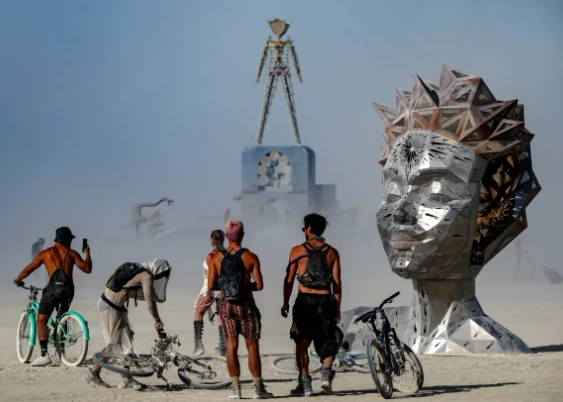
Comments