Your Quick Trail Map to This Guide
You're thinking about hiking Palm Canyon. Good choice. It's not just another desert trail. It's a 15-mile long, hidden world where thousands of California fan palms, some centuries old, crowd a running stream. This is the largest native palm oasis in the state, managed by the Agua Caliente Band of Cahuilla Indians. It feels ancient. But here's the thing most generic guides miss: if you get the timing wrong, you'll miss the magic and possibly face a real survival situation. I've seen too many people turn back, red-faced and out of water, before they even reach the first major palm grove. Let's make sure that's not you.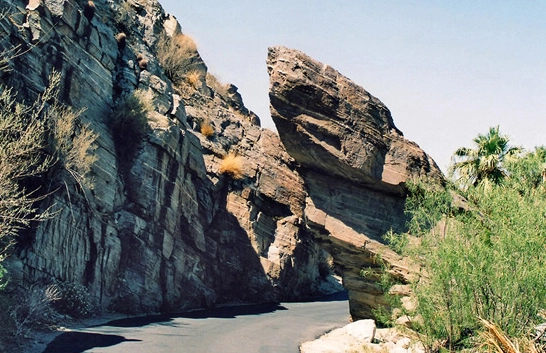
What Exactly is Palm Canyon and Why Hike It?
Palm Canyon is the crown jewel of the Indian Canyons just south of Palm Springs, California. Forget the manicured resorts. This is the real, raw desert. The canyon was formed by the South Fork of the Palm Canyon Wash, and water is the reason this place exists. A fault line pushes groundwater to the surface, creating a perennial stream that has sustained life—and the Cahuilla people—for millennia.
Hiking here isn't about summit views. It's an immersion. You walk from a rocky, sun-baked wash into a cool, shaded grove where the sound of rustling palm fronds and trickling water replaces the desert silence. You might spot bighorn sheep on the cliffs, lizards scurrying, and countless birds. The contrast is shocking and deeply satisfying. It's a lesson in desert ecology you can't get from a book.
But it demands respect. This isn't a city park.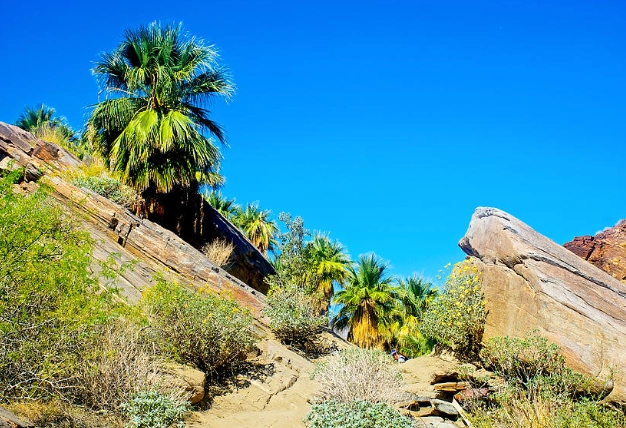
Planning Your Palm Canyon Adventure: Tickets, Hours & Logistics
First, the practical stuff you need to lock down. The Indian Canyons are on tribal land, so the rules are specific.
Address & Entry: The entrance gate is at the end of South Palm Canyon Drive, Palm Springs, CA 92264. There's no public transportation that gets you right there. You need a car, rideshare, or bike. Parking is plentiful but fills up by mid-morning on weekends.
Tickets & Fees: Admission is collected at the gate. As of my last visit, it was $12 per adult (non-tribal member), $7 per senior (62+), $6 for students/active military, and $7 for children (ages 6-12). Kids 5 and under are free. They accept cash and credit cards. This fee grants you access to the network of canyons, not just Palm Canyon.
Operating Hours: This is critical and seasonal. From Labor Day to Memorial Day weekend, hours are typically 8:00 AM to 5:00 PM. During the scorching summer (Memorial Day to Labor Day), hours are severely reduced to 7:00 AM to 5:00 PM, with the last entry often much earlier. Always check the official Indian Canyons website for the most current hours before you go. The gate closes promptly, and you do not want to be locked in.
There's a small visitor center and trading post near the entrance with restrooms, water fills (your last chance!), and basic snacks. Fill every bottle you have. I mean it.
Choosing Your Palm Canyon Trail: From Easy Strolls to Full Adventures
You have options. Don't just default to the main trailhead because it's the first one you see. Your choice depends on your fitness, time, and heat tolerance.
The Main Palm Canyon Trail (Out-and-Back)
This is the classic. From the main parking area, a well-marked trail descends into the wash. The first 0.75 miles are relatively flat, leading you to the first dense palm groves and the stream. This is a perfect turnaround for families or a short, rewarding hike. The full trail continues deeper, becoming rockier and more secluded, for about 2.5 miles one-way (5 miles round-trip). The further you go, the fewer people you'll see. The full hike offers a real sense of exploration, but the return trip is uphill and can be brutal in the afternoon sun.
The Victor Trail Loop (The Local's Favorite)
This is my personal recommendation for a first-time visitor who wants a comprehensive experience without an out-and-back slog. It's a 2.5-mile loop. You start on the main Palm Canyon Trail, then connect to the Victor Trail, which climbs up the east side of the canyon. Here's the secret: the views from the Victor Trail back down into the palm-filled gorge are spectacular—a perspective you completely miss from the canyon floor. You then loop back down to the starting point. It involves more elevation gain (about 400 ft) but trades the deeper canyon trek for panoramic views. It feels like two hikes in one.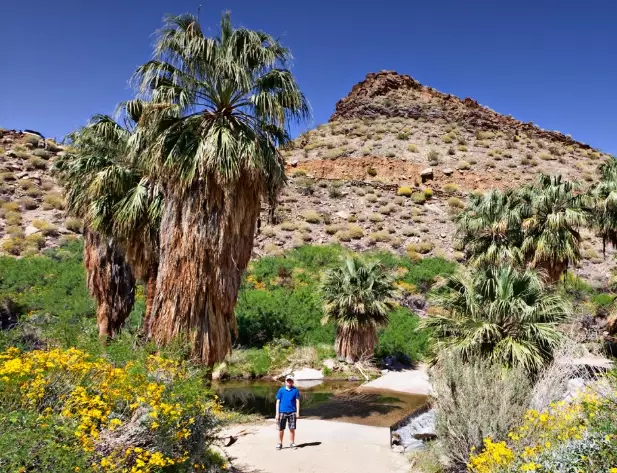
How to Hike Palm Canyon with Kids or Limited Time?
If you're short on time or with little ones, head to the 1.5-mile loop trail that starts near the trading post. It's mostly flat, partially paved, and gives you a fantastic taste of the oasis environment with minimal effort. You'll see plenty of palms, maybe some wildlife, and get those iconic photos without committing to a long trek. It's the perfect appetizer.
Expert Tips for Hiking Palm Canyon Safely & Enjoyably
This is where most blogs give you the same old list. Drink water, wear sunscreen. Let's go deeper.
Time It Like a Pro: Your start time is your most important piece of gear. In all but the deepest winter, you must be on the trail by 8:00 AM. Aim for 7:30 AM. By 10:00 AM, the sun is baking the canyon walls and the temperature soars. The difference between a 7:30 AM and a 9:30 AM start is the difference between a pleasant hike and a miserable, dangerous one.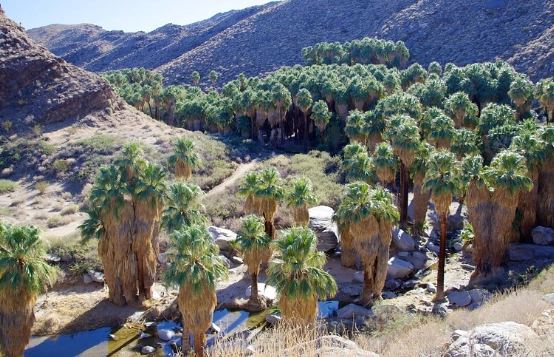
Find the Hidden Shade: Everyone talks about the palms providing shade, but the sun moves. The west side of the canyon gets shade in the morning, the east side in the afternoon. Plan your rest stops accordingly. On the Victor Trail loop, there is almost zero shade—do that section first thing in the morning.
Footwear is Non-Negotiable: I don't care how comfortable your running shoes are. The trail is sandy, rocky, and uneven. A twisted ankle miles from the trailhead is a major problem. Wear sturdy hiking shoes or boots with good ankle support and grip.
The Water Math: The standard advice is one liter per hour. In Palm Canyon, make it 1.5 liters per hour if you're doing any significant hiking. I carry a 3-liter hydration bladder plus a spare liter in my pack for a 3-4 hour hike. It seems like overkill until you need it.
Photography Tip Everyone Ignores: The light is harsh and contrasty. The best photos are taken in the early morning or late afternoon when the sun rakes across the canyon. Midday, your photos will have blown-out highlights and deep shadows. If you're serious about pictures, plan your hike start for sunrise.
What to See and Do Beyond the Main Canyon
Your admission ticket gets you into the entire Indian Canyons area. If you have energy after Palm Canyon, consider exploring:
Andreas Canyon: A short, stunning 1-mile loop following a stream through dramatic rock formations and more palm groves. It's often less crowded and incredibly beautiful.
Tahquitz Canyon: A separate but nearby tribal park (requires its own ticket) featuring a spectacular 60-foot seasonal waterfall. It's a 2-mile loop with a steep section, but the waterfall payoff is huge when it's flowing (typically winter/spring).
Back in Palm Springs, the Palm Springs Art Museum or a cool dip in your hotel pool will feel like heaven after a morning in the desert.
Hiking Palm Canyon: Your Questions Answered
Is Palm Canyon suitable for beginner hikers or families with young children?
What is the single biggest mistake people make when hiking Palm Canyon?
Can you actually swim in the water at Palm Canyon?
Are dogs allowed on the Palm Canyon trail?
Palm Canyon is more than a hike; it's an experience that redefines what you think a desert can be. With the right preparation—an early start, full water bottles, and respectful curiosity—you'll discover one of California's most unique landscapes. Listen to the wind in the palms, watch for bighorn sheep on the cliffs, and feel the cool air by the stream. Just remember to watch your step and save some energy for the climb back out.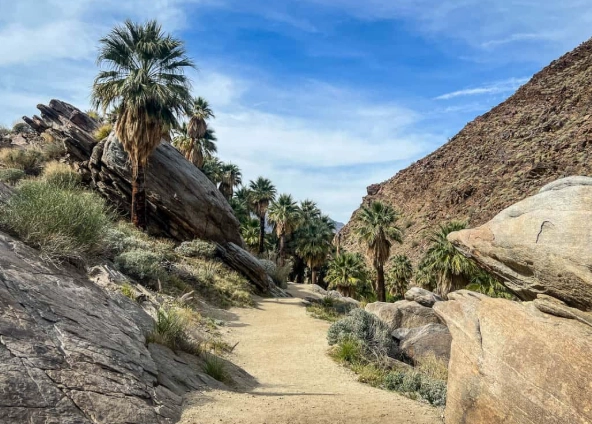
Comments