My first real view of the San Juans wasn't from a trailhead. It was from the driver's seat, white-knuckling the Million Dollar Highway south of Ouray. One moment I was in a tunnel of rock, the next the world fell away to reveal a chaos of jagged peaks, so steep and close it felt like driving through a dragon's spine. That's the San Juan Mountains. They don't gently welcome you; they announce themselves with geologic drama. Forget the orderly, rounded ranges of postcards. This is Colorado's most rugged, mineral-rich, and visually stunning corner, a place where planning matters because the mountains themselves demand respect.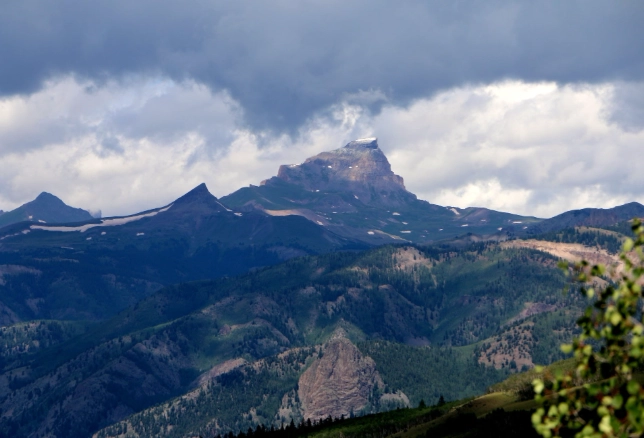
Your San Juan Mountains Adventure Awaits
- Where (and What) Are the San Juans?
- How to Plan Your San Juan Mountains Trip
- Top Hiking Trails in the San Juan Mountains
- The Complete San Juan Mountains Camping Guide
- Beyond Hiking: Scenic Drives & Must-Do Experiences
- The Soul of the Range: San Juan Mountain Towns
- When to Visit: A Seasonal Breakdown
- Staying Safe in the High Country
Where (and What) Are the San Juans?
Let's get oriented. The San Juan Mountains are a major mountain range in southwestern Colorado, sprawling across several counties. They're part of the larger Rocky Mountains, but they feel distinct. Geologically, they're a product of intense volcanic activity and glaciation, which carved out the deep, U-shaped valleys and sharp peaks you see today. Towns like Ouray, Telluride, Silverton, and Lake City are your gateways, each nestled in a valley and offering a different vibe.
What most guides don't tell you is that the San Juans have a split personality. The popular, north-facing slopes around Telluride and Ouray get the glory (and the crowds) for their dramatic waterfalls and box canyons. But the southern and eastern flanks, near Lake City and the Weminuche Wilderness, offer a more remote, sprawling alpine experience. The Weminuche, Colorado's largest wilderness area, is a backpacker's paradise where you can walk for days without crossing a road.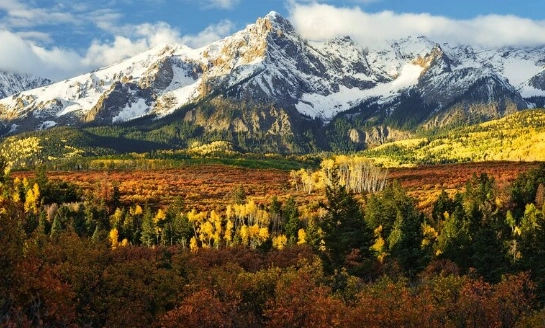
Key Insight: Don't just fixate on Telluride. The San Juans are vast. Choosing a base camp in a less-famous town like Lake City or even Ridgway can mean cheaper lodging, fewer people on the trails, and a more authentic Colorado mountain town experience.
How to Plan Your San Juan Mountains Trip
Flying in? Your main airports are Montrose Regional Airport (MTJ), about an hour from Ouray and Telluride, and Durango-La Plata County Airport (DRO), about 90 minutes from Silverton. Renting a car is non-negotiable. Public transport here is basically non-existent for exploring trails.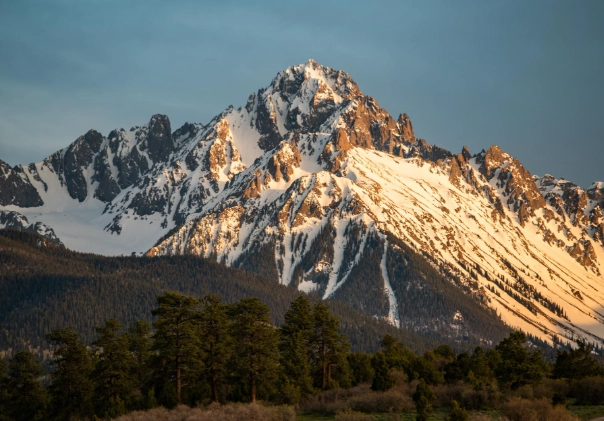
Here’s a mistake I see every summer: people plan an aggressive hiking itinerary for day one. Bad idea. The average elevation in these towns is over 8,000 feet, with trails quickly soaring above 12,000 ft. Altitude sickness is real and can ruin your trip. Plan a lazy first day. Wander a town, drive a scenic loop, drink lots of water, and let your body adjust.
Sample Itineraries: From Weekend Warrior to Deep Explorer
The 3-Day Classic (Telluride/Ouray Focus):
Day 1: Acclimatize. Ride the free Telluride Gondola, explore Main Street, hike the easy Bear Creek Falls trail.
Day 2: Tackle a classic hike. Blue Lakes near Ridgway offers stunning payoff for moderate effort.
Day 3: Drive the Million Dollar Highway to Ouray, soak in the Ouray Hot Springs Pool, hike to the Ouray Perimeter Trail overlook.
The 5-Day Deep Dive (Weminuche & Variety):
Day 1-2: Base in Silverton. Hike to Ice Lakes (if you're acclimated), ride the historic Durango & Silverton Narrow Gauge Railroad.
Day 3-4: Move to Lake City. Hike one of the incredible trails in American Basin (Handies Peak is a "easy" 14er).
Day 5: Scenic drive over Engineer Pass or Cinnamon Pass (4x4 recommended) back towards civilization.
Top Hiking Trails in the San Juan Mountains
Picking a trail here is overwhelming. I've hiked dozens, and here are the standouts, categorized by what you're after.
| Trail Name | Nearest Town | Distance (RT) | Elevation Gain | Why It's Special |
|---|---|---|---|---|
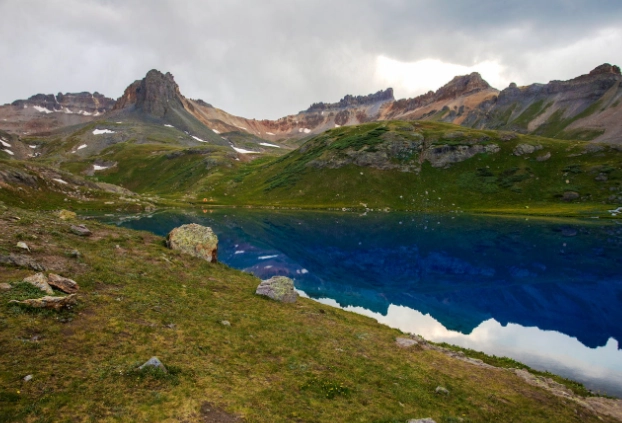
| Ice Lakes Basin | Silverton | 7.5 miles | 2,500 ft | Turquoise alpine lakes set in a stark, glacial basin. Arguably the most stunning day hike in Colorado. |
| Blue Lakes Trail | Ridgway | 6-9 miles | 1,000-2,500 ft | Accessible beauty. Lower lake is a moderate hike; upper lakes offer a tougher challenge with incredible views of Mt. Sneffels. |
| Handies Peak | Lake City | 5.5 miles | 2,500 ft | The "gentle" 14er. A non-technical route with wildflower-filled slopes and a summit that feels like the top of the world. |
| Bear Creek Falls | Telluride | 2.5 miles | 500 ft | Perfect family-friendly or acclimatization hike. Ends at a powerful waterfall right outside town. |
| Island Lake via Ice Lakes Trail | Silverton | 8.5 miles | 3,000 ft | A strenuous extension past Ice Lake. Island Lake's unique shape and color are worth the extra push for experienced hikers. |
A piece of advice nobody gives: The trailheads for the most popular hikes (Ice Lakes, Blue Lakes) fill up early, especially on weekends. I mean 6:30 AM early. If you roll up at 9 AM, you'll be parking a mile down the road. Plan to start early, not just for parking, but to avoid afternoon thunderstorms which are a deadly serious hazard above treeline.
The Complete San Juan Mountains Camping Guide
Camping is the best way to immerse yourself. You have three main options.
Developed Campgrounds: These have amenities like vault toilets, fire rings, and sometimes water. They often require reservations on Recreation.gov, especially from June-September. Top picks include:
- Amphitheater Campground (near Ouray): Stunning views, close to town.
- Matterhorn Campground (near Telluride): Great base for hiking the Wilson Peak area.
- Williams Creek Campground (near Pagosa Springs): Gateway to the South San Juans and the Weminuche.
Dispersed Camping: This is free camping on National Forest land, away from developed sites. It's my preferred method, but it comes with responsibility. You need to be self-sufficient (pack out all waste, including human). Good spots are found along forest service roads like the Alpine Loop (4x4 helpful), Ophir Pass road, and near Lake City. Always camp on durable surfaces at least 100 feet from water and follow Leave No Trace principles.
Backcountry Camping: For backpackers. In wilderness areas like the Weminuche, you don't need a permit, but you must camp at least 100 feet from trails and water sources. Use established sites when possible. Bear canisters are highly recommended—these are black bear and occasional grizzly country (in the South San Juans).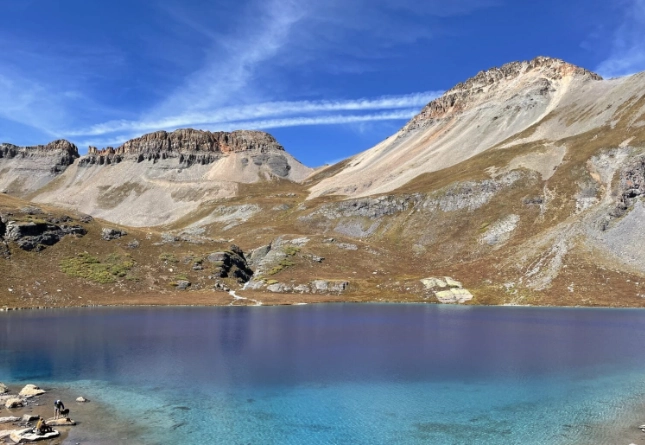
Beyond Hiking: Scenic Drives & Must-Do Experiences
Your legs need a break. Thankfully, the sightseeing here is world-class from your car seat.
The Million Dollar Highway (US 550 between Silverton and Ouray): It's not just a commute. The engineering is mind-boggling, and the views are sheer drops and towering peaks. Drive it slowly, pull over at the turnouts, and don't be the passenger if you're scared of heights.
The Alpine Loop Backcountry Byway: This is a 65-mile network of high-alpine 4x4 roads connecting Lake City, Silverton, and Ouray. You need a high-clearance, four-wheel-drive vehicle. If you don't have one, guided jeep tours in any of the three towns are a fantastic alternative. It's the best way to access ghost towns like Animas Forks and vistas you can't hike to easily.
Telluride Gondola: It's free. It operates year-round. It gives you a bird's-eye view of the box canyon and access to hiking trails at the top. There's no excuse not to ride it.
Soak in Hot Springs: Ouray Hot Springs Pool is a family-friendly, maintained pool. Orisson Ranch, outside Ridgeway, offers a more rustic, clothing-optional experience. Nothing beats easing sore muscles in geothermal water after a long day on the trail.
The Soul of the Range: San Juan Mountain Towns
Each town has its own fingerprint. Picking the right one shapes your trip.
- Telluride: The glamorous one. World-class skiing, famous festivals, fine dining. Expensive. The box canyon setting is unparalleled. Best for: Those wanting a mix of luxury and outdoor access, festival-goers.
- Ouray: The authentic one. Called the "Switzerland of America," it's a historic Victorian mining town focused on ice climbing, jeeping, and its incredible public hot springs. More affordable than Telluride, feels more local. Best for: Families, hot springs lovers, off-road enthusiasts.
- Silverton: The gritty one. At 9,300 ft, it feels raw and remote. The terminus of the Durango & Silverton Railroad, it's surrounded by the most intense peaks. Fewer amenities, more adventure vibe. Best for: Hardcore hikers, backpackers, history buffs.
- Lake City: The hidden gem. The quietest of the four, it's the gateway to the stunning American Basin and the Alpine Loop from the east. Feels undiscovered. Best for: Escaping crowds, 14er baggers, anglers.
When to Visit: A Seasonal Breakdown
Summer (July-August): Peak season. All trails are open, wildflowers explode, weather is (mostly) stable. Also peak crowds and afternoon thunderstorms are a daily certainty. Book everything far in advance.
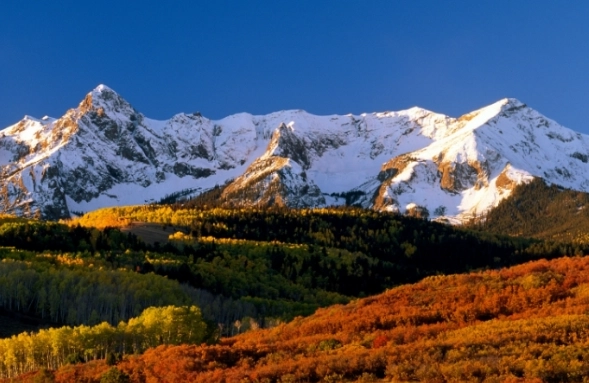
Fall (September-October): My secret favorite. Crowds vanish, the aspen groves turn the mountainsides to gold. Weather is crisp and unpredictable—you can get snow any time. High passes may close. A magical, shoulder-season gamble.
Winter (November-April): A completely different world. Telluride and Silverton become ski meccas. Ouray's Ice Park is a global destination for ice climbing. Roads are snow-packed, many close entirely. For snow sports enthusiasts only.
Spring (May-June): Mud season. Lower trails are soggy or clear, but the high country is buried in snow. It's quiet and cheap, but your hiking options are limited. Great for waterfall viewing as the snow melts.
Staying Safe in the High Country
This isn't a city park. The mountains dictate the rules.
- Altitude: Already covered, but it's worth repeating. Acclimatize, hydrate, know the symptoms (headache, nausea, dizziness), and be willing to descend.
- Weather: Above treeline, weather changes in minutes. Be off high peaks and passes by noon to avoid lightning. Always carry rain gear and extra layers, even on a sunny morning.
- Navigation: Cell service is non-existent on most trails. Carry a physical map and compass and know how to use them, or a GPS device with downloaded maps.
- Wildlife: This is black bear country. Use bear boxes at campgrounds, store food properly. Moose are common in wet areas and are dangerously unpredictable—give them a wide berth.
Reader Comments