Nestled at the edge of the sprawling Sonoran Desert just east of Phoenix, the Douglas Spring Trailhead is your gateway to some of the most iconic and ruggedly beautiful landscapes in Arizona. This isn't a gentle stroll through a manicured park; it's a proper introduction to the raw, arid beauty of the Superstition Mountains, complete with cactus-studded slopes, dramatic canyon views, and a real sense of wilderness.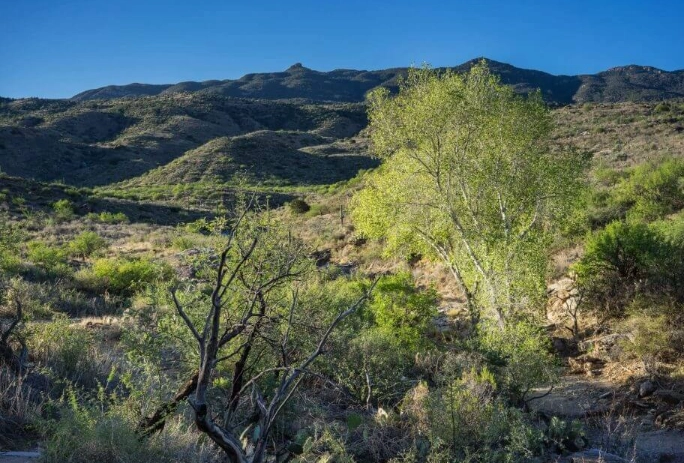
I've lost count of how many times I've started hikes from this trailhead over the years. Every time, I'm struck by how quickly the urban sprawl of Phoenix falls away, replaced by towering saguaros and those silent, imposing mountain ridges. It's a special place, but like any desert adventure, it demands respect and preparation.
Your Trailhead Cheat Sheet
What to Expect on the Douglas Spring Trail
The main attraction from this trailhead is the Douglas Spring Trail itself. It's a 6.6-mile out-and-back trek that gains about 1,500 feet in elevation, ending at a seasonal spring (hence the name) and a small waterfall that can be a life-saver in the right season.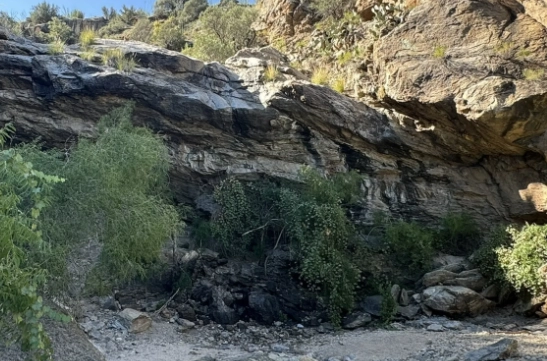
Don't let the mileage fool you. This is a solid intermediate hike. The first mile or so is relatively gentle, winding through classic Sonoran Desert flora—saguaro, cholla, palo verde, and ocotillo. The views back over the valley are stunning, especially in the golden hours of morning or evening.
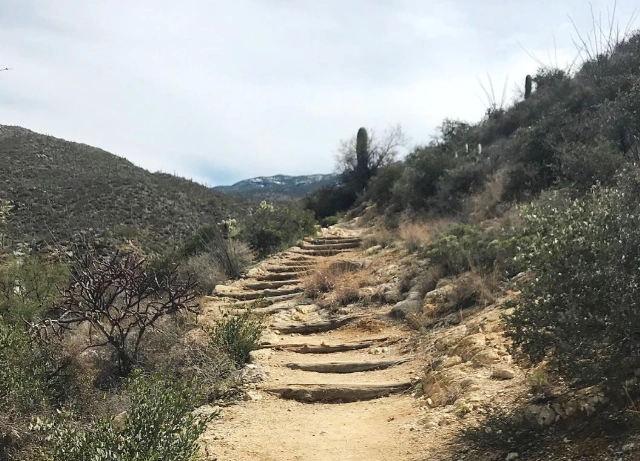
After that initial stretch, the trail begins a steady, often rocky, climb into the mountains. The vegetation changes subtly; you'll start seeing more juniper and manzanita. The views get better and better, with dramatic drops into canyons and vistas that stretch across the desert floor.
The trail junction with the Dutchman Trail is a critical landmark. It's about 1.5 miles in, and if you miss the sharp right turn, you'll end up on a much longer, more strenuous adventure. This is where a good GPS app becomes your best friend.
The Douglas Spring Waterfall
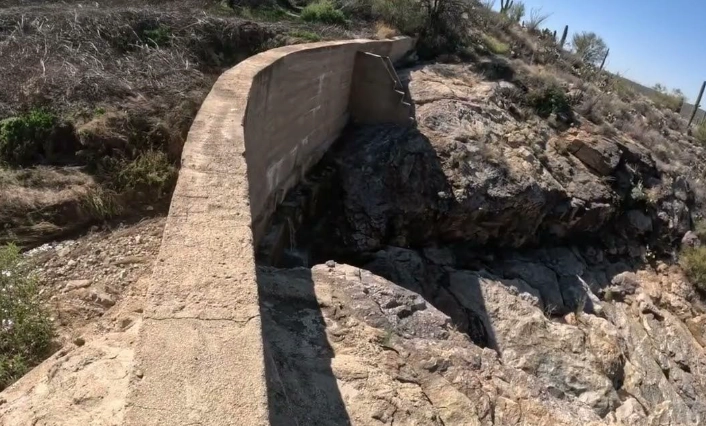
Yes, there's a waterfall in the desert. The spring at the end of the trail is seasonal, so its flow depends entirely on recent rainfall. In a good year, it can be a gentle cascade; in dry years, it might be little more than a trickle or a series of small pools. Even when it's not flowing, it's a beautiful, shady spot to rest before the return hike. The water is not potable, so don't plan on refilling your bottles here.
Planning Your Hike: Permits, Parking, and Gear
Getting There and Parking
The trailhead is located at the end of N. Douglas Spring Road, which turns to a well-maintained gravel road for the last stretch. There's a large gravel parking lot, but it fills up fast on weekends and holidays. I've seen cars parked along the road for a quarter-mile on busy Saturdays. Arriving before 7 AM is the only surefire way to secure a spot.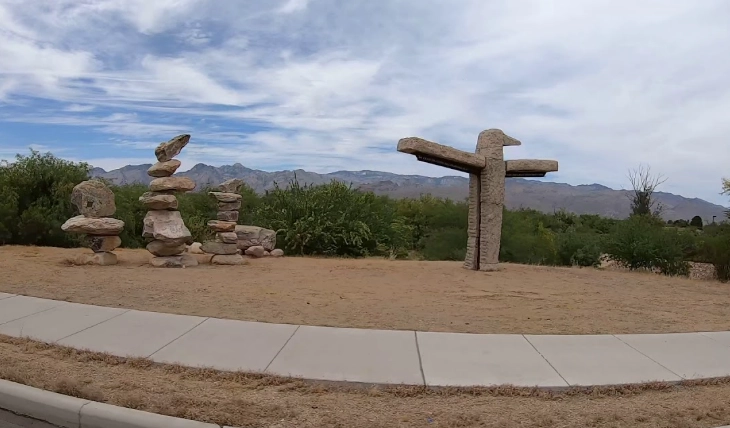
There are no restrooms or water sources at the trailhead, so plan accordingly. The turn-off is just past the Lost Dutchman State Park entrance, and the road can be a bit rough in spots, but any standard passenger car should handle it fine.
Essential Gear Checklist
This isn't a hike you do in flip-flops with a single bottle of water. The desert is unforgiving, and being prepared is non-negotiable.
| Item | Why It's Essential |
|---|---|
| Water (3-4 liters minimum) | Dehydration is the number one risk. Even in cooler months, you'll sweat out more than you think. |
| Sturdy Hiking Shoes/Boots | The trail is rocky and uneven in sections. Ankle support and good traction are a must. |
| Sun Protection | A wide-brimmed hat, sunglasses, and high-SPF sunscreen are non-negotiable. There's little to no shade on most of the trail. |
| Navigation Tools | Download the trail map on your phone (AllTrails or Gaia GPS work well). Don't rely on cell service. |
| High-Energy Snacks | Trail mix, energy bars, or fruit. Hiking in the desert burns calories fast. |
| First-Aid Kit | Basic supplies for blisters, scrapes, and cactus encounters. |
Expert Tips for Beating the Crowds and Staying Safe
This is a popular trail, and it can feel crowded at times. But with a little insider knowledge, you can have a much more peaceful experience.
Go Early, Go Early, Go Early. I can't stress this enough. Not only will you beat the heat (crucial for 9 months of the year), but you'll also have the trail largely to yourself for the first few hours. The parking lot is empty at 6 AM, and you'll often have the summit waterfall all to yourself if you time it right.
Wildlife Encounters: You're in their house. I've seen javelina, coyotes, and more than a few rattlesnakes sunning themselves on the trail. Give them a wide berth. They're usually more scared of you than you are of them, but a startled rattlesnake is a defensive rattlesnake. Make noise as you hike, and keep an eye on the trail ahead, especially in rocky sections.
Weather Wisdom: This is not a summer trail for beginners. From May through September, temperatures can soar above 110°F (43°C) by mid-morning. Heat exhaustion and heat stroke are real dangers. If you must hike in summer, start before sunrise and be off the trail by 10 AM. Bring way more water than you think you'll need—I carry a minimum of 4 liters for a summer hike.
Rain and Flash Floods: This is desert hiking 101. If you see dark clouds building over the mountains, turn around. Rain can turn dry washes into raging torrents in minutes, and the trail crosses several washes. It's not worth the risk.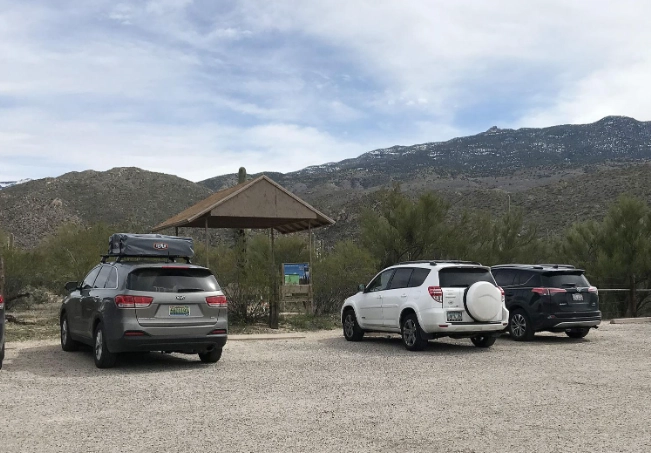
Frequently Asked Questions
Comments