Let's cut straight to it. Independence Pass isn't just another scenic drive. It's a rite of passage for Colorado road trippers, a two-lane thread of pavement that stitches the posh vibe of Aspen to the old-school mining grit of Leadville across the rooftop of the state. Sitting at 12,095 feet on the Continental Divide, it's the highest paved state highway in Colorado. I've driven it in sunshine, in sudden hail, and in the eerie quiet of the season's last weekend. Most guides tell you it's beautiful. I'm here to tell you how to actually do it—safely, smartly, and in a way that finds the magic most people roll right past.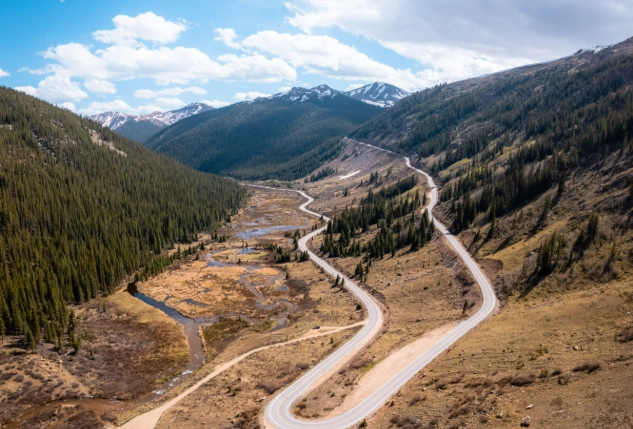
What's Inside This Guide?
Independence Pass at a Glance
Location: Colorado State Highway 82, between Aspen (Pitkin County) and Twin Lakes (Lake County).
Summit Elevation: 12,095 feet (3,687 meters).
Season: Typically late May to early November. VERY seasonal.
Length: About 32 miles of mountain driving.
Vehicle Restrictions: No vehicles over 35 feet long. Trailers and large RVs must use alternate routes (I-70 via Glenwood Springs or US 24 via Leadville).
Official Info Source: Always check Colorado Department of Transportation (CDOT) for real-time conditions and closures.
The Essential Facts: What You Need to Know First
Before you even think about your playlist, get this straight. The pass is closed in winter. Not "maybe tricky"—closed. Gates go up. CDOT crews do a heroic spring plow, but opening day is a moving target. One year I showed up on June 1st, lured by an "average" opening date, only to find 15-foot snow walls still blocking the way. Check COTrip.org or the CDOT phone line. Don't guess.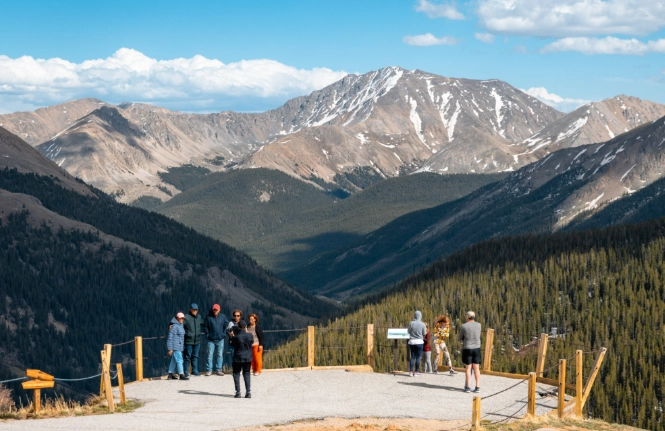
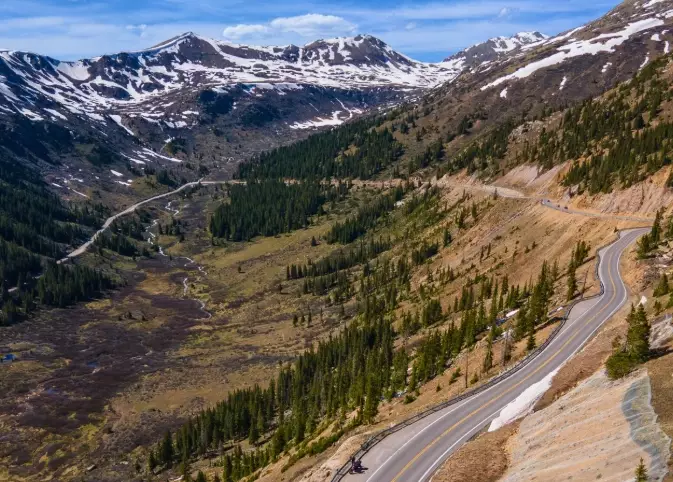
The road itself is a full-size, paved state highway. But it feels… intimate. There are stretches, especially on the steeper, more dramatic east side, where two large trucks couldn't pass without careful maneuvering. Guardrails are sporadic. The views are heart-stopping, in both the good and the literal sense if you're prone to vertigo.
And then there's the air. 12,095 feet is no joke. You might feel fine in Aspen (8,000 ft) but get a pounding headache at the summit. It happens. We'll talk about how to deal with that.
How to Drive Independence Pass Safely (The Real Deal)
This is the most important section. Driving here isn't hard, but it requires a specific mindset.
1. Pick Your Direction (It Matters)
Most people drive from Aspen to Twin Lakes/Leadville (west to east). This means you climb the longer, more gradual western slope and descend the tighter, more exposed eastern switchbacks. It feels easier psychologically. Starting from the east (Twin Lakes) throws you into the steepest climb immediately. My preference? West to east. You warm up into the drive, and the afternoon light on the eastern descent is spectacular.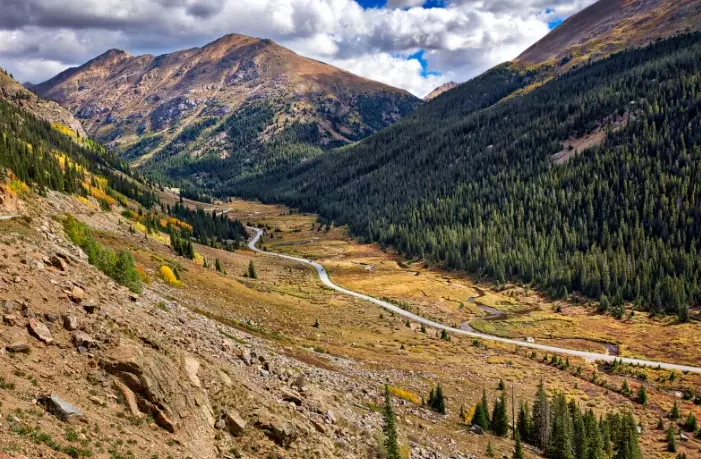
2. Master the Pullout
This is the golden rule. The road has frequent, wide dirt pullouts. Use them. If you have more than one car behind you, pull over and let them pass. It's the mountain code. It reduces pressure and dangerous passing attempts. Also, never, ever stop in the travel lane to take a photo. Just don't.
3. Watch for the Unexpected
Cyclists love this pass. Give them a wide berth. Weather changes in minutes. Sun can become rain, then hail. Have a jacket and be ready for sudden drops in visibility. Brake fade is real on the long descents; use lower gears to control your speed.
Must-See Stops: From Obvious to Off-the-Radar
Everyone stops at the summit sign. Here’s where else to go, in order from west (Aspen) to east.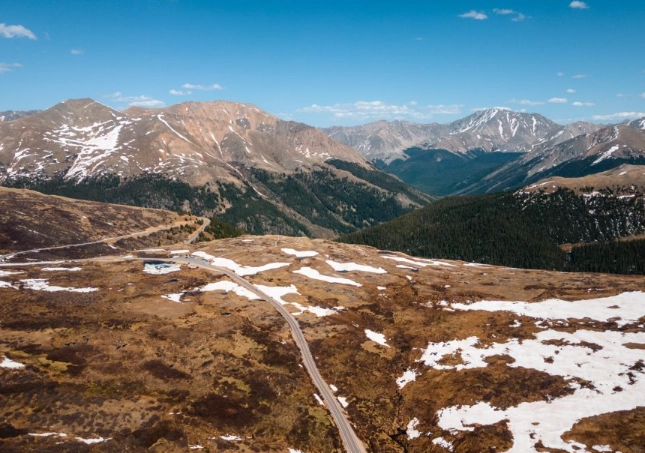
The Grottos (Milepost 50.5, near Aspen): An easy 0.5-mile loop past bizarre ice caves (even in summer) and cascading water on the Roaring Fork River. A perfect leg-stretcher right at the start.
Weller Lake Campground & Trailhead: A quick hike to a peaceful alpine lake. Less crowded than other spots.
Independence Ghost Town (Milepost 56.5): This is non-negotiable. A well-preserved 1880s mining town. You can wander among the skeletal wooden buildings for free. It gives the pass its name and its soul. Spend 30 minutes here feeling the history.
The Summit (Milepost 58.7): Okay, do the photo at the sign. But then, walk past the crowds. Follow the obvious rocky trail west from the parking lot for about 0.3 miles. You'll come to a less-marked spot—the actual geological pass. The view down both sides is more raw and personal. You'll have it mostly to yourself.
Linkins Lake Trailhead (Just east of summit): For the energetic, this 1.5-mile (one-way) moderate hike leads to a stunning cirque lake. It's the best way to trade car noise for pure alpine silence.
Twin Lakes Vista Point: On the final descent, a large pullout offers the postcard view of the Twin Lakes reservoir and the massive peaks behind it. It's the grand finale.
The Perfect One-Day Independence Pass Itinerary
Here’s how to structure a flawless day, assuming a start in Aspen. This isn't rushed; it's paced.
9:00 AM: Fuel up in Aspen. Grab coffee and a solid breakfast. Fill your gas tank—no services on the pass.
10:00 AM: Start driving. Pull off at The Grottos for a quick 30-minute exploration.
11:15 AM: Arrive at Independence Ghost Town. Explore, read the plaques, soak it in.
12:00 PM: Reach the Summit. Take the sign photo, then walk the trail to the true pass point. Breathe.
12:45 PM: Descend to the east. Stop at the Twin Lakes Vista Point for that classic shot.
1:15 PM: Arrive in the tiny town of Twin Lakes. Have lunch at the Twin Lakes Inn (rustic, great burgers) or pack a picnic to eat by the lake.
3:00 PM: Option A: Explore the historic village of Twin Lakes. Option B: Drive 20 more minutes north to Leadville (North America's highest incorporated city at 10,152 ft). Walk Harrison Avenue, visit the National Mining Hall of Fame.
5:00 PM: Decision time. Return over the pass to Aspen for a different perspective in the late light, or continue your loop via I-70 or US 24 if you're headed to Denver or other points.
Pro Tips & Tricks They Don't Tell You
Beat the Crowds: Go on a weekday. If you must go on a weekend, be at the summit before 10:30 AM. The parking lot becomes a zoo by noon.
Photo Tip: The light is harsh at midday. Early morning or late afternoon provides softer, more dramatic light, especially on the east side.
Altitude Hack: Buy a small portable oxygen canister at a Colorado pharmacy or Walmart before your trip. It's about $10-$15 and can abort a budding altitude headache instantly.
The Bathroom Situation: There are vault toilets at the summit parking lot and at the Ghost Town. That's basically it. Plan accordingly.
Cell Service: It's patchy to non-existent for most of the drive. Download your maps and this guide for offline use.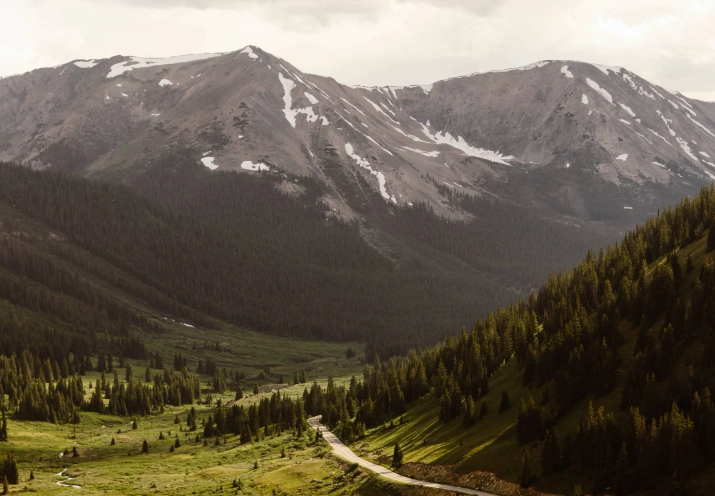
Your Top Questions, Answered
Driving Independence Pass is more than a scenic detour; it's an experience that defines the Colorado high country. With the right prep—checking CDOT, respecting the road, knowing where to stop, and listening to your body at altitude—you're set for an unforgettable journey across the roof of the Rockies. Now go see it for yourself.
Comments